



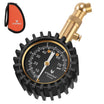
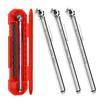

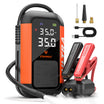







Your car doesn't usually tell you when it's about to become expensive.
It might start every morning without complaint. The air conditioning works, the brakes feel normal, and the engine sounds much the same as it did last month. So you keep driving.
Then a small problem that could have been caught during routine maintenance becomes a repair you weren't planning to pay for.
A worn belt breaks. A cooling-system leak turns into overheating. A tire that's been running low for months develops uneven wear and needs replacing earlier than expected.

Not every breakdown is preventable. Parts eventually wear out, even on a well-maintained car. But many costly repairs begin with warning signs or neglected maintenance items.
That's where preventive car maintenance makes a difference.
You don't need to become a mechanic or spend every weekend under the hood. You just need to understand which parts deserve regular attention, what to look for, and when to let a professional take over.
What Is Preventive Car Maintenance?
Preventive car maintenance means inspecting, servicing and replacing certain components before wear or deterioration leads to failure.
Think about the difference between replacing an aging coolant hose during scheduled service and discovering that hose has failed after your engine overheats.
One is a planned maintenance expense. The other might involve a tow truck, additional damage and an unexpected repair bill.
The most important rule is also the simplest: start with your owner's manual.
Every vehicle has its own maintenance schedule. Engine design, mileage, climate, driving habits and manufacturer recommendations all affect how frequently parts need attention.
An SUV that spends weekends towing a trailer may require different maintenance from a sedan used for a short daily commute.
Here's what deserves your attention.
1. Engine Oil and Oil Filter: Protect the Engine From the Inside

Engine oil does far more than lubricate moving parts.
It forms a protective film between engine components, helps carry heat away from critical areas and holds certain contaminants until the oil and filter are replaced.
Over time, that oil becomes contaminated, and its protective properties can deteriorate.
Ignoring the recommended oil-change interval can accelerate engine wear and contribute to expensive mechanical problems.
How Often Should You Change Engine Oil?
You've probably heard the old advice:
"Change your oil every 3,000 miles."
That isn't a universal rule anymore.
Some vehicles require shorter intervals because of operating conditions, while others can safely travel much farther between services.
Follow the manufacturer's service schedule and oil-life monitoring system, where fitted. Use the specified oil grade and quality standard, and replace the oil filter according to the service procedure.
Don't forget to check the oil level between services, too. A vehicle consuming oil faster than expected may need attention even when the next scheduled change is still months away.
There is also an efficiency benefit to using the correct oil.
According to the U.S. Department of Energy, using the manufacturer's recommended grade of motor oil can improve fuel economy by approximately 1%–2% compared with using an unsuitable grade in the situations described by its research. (Source)
The cheapest engine oil isn't necessarily the best value. The correct oil, changed at the correct time, is.
2. Engine Air Filter and Cabin Air Filter: Two Different Jobs
Air filters are inexpensive compared with the systems they help protect, but they don't all serve the same purpose.
Engine Air Filter

The engine air filter prevents dust, dirt and airborne debris from entering the engine's intake system.
A severely restricted filter can affect engine performance. Driving frequently on dusty roads may also mean the filter needs inspection sooner than it would under normal conditions.
One common claim needs correcting, however.
Replacing a dirty engine air filter does not automatically improve fuel economy on modern computer-controlled gasoline vehicles.
The U.S. Department of Energy explains that replacing a clogged air filter in modern fuel-injected engines can improve acceleration without necessarily improving MPG. (Source)
That's still a good reason to maintain it. Just don't expect a new filter to work like a fuel-saving miracle.
Cabin Air Filter

The cabin air filter serves the passengers and HVAC system, not the engine's combustion system.
It helps trap airborne particles and maintain proper airflow through the heating and air-conditioning system.
A clogged cabin filter may contribute to reduced airflow, weak ventilation or unpleasant odors.
Replace both filters according to your vehicle's maintenance schedule, taking driving conditions into account.
Small, inexpensive parts can still deserve regular attention.
3. Cooling System: Catch Problems Before the Engine Overheats
A modern engine produces an enormous amount of heat.
The cooling system manages that heat using coolant, a radiator, hoses, a thermostat, a water pump and other components.
When the system works correctly, you barely notice it.
When it doesn't, the consequences can be serious. Overheating can damage gaskets, cylinder heads and other engine components.
That's why a small coolant leak is worth investigating rather than simply topping up the reservoir every few days.
What Should You Check?

Look for coolant loss, wet spots around hoses, visible leaks beneath the vehicle and unusual temperature-gauge readings.
A sweet smell after driving may also deserve investigation.
Check the coolant reservoir only as instructed by your vehicle manufacturer, and never remove a hot, pressurized cooling-system cap.
AAA's time-stamped car maintenance checklist includes regular coolant checks and inspections of associated hoses and components. (Source)
Coolant replacement intervals vary widely by vehicle and coolant chemistry. Use the manufacturer-approved coolant and service interval rather than assuming all cars need a flush every couple of years.
If the engine temperature warning appears or the vehicle is overheating, pull over safely and shut the engine down according to the owner's manual.
An overheating warning isn't something to leave until the next oil change.
4. Brakes: Don't Wait for Grinding Noises
Brake pads and shoes are designed to wear. That's normal.
What you want to avoid is letting them wear so far that the damage spreads to more expensive parts.
Brake pads eventually become too thin. If they're neglected, metal components can contact the rotor and cause additional damage.
Drum brakes have different internal components but still require inspection and maintenance.
Warning signs can include grinding or squealing, vibration during braking, reduced braking performance, an unusual pedal feel or the vehicle pulling to one side.
Not every noise means a brake failure, but new symptoms deserve attention.
Your brake inspection should cover friction materials, rotors or drums, brake lines, fluid condition and the operation of related components.
We explained the different designs in our article Disc vs Drum Brakes: Why Are Drum Brakes Still Used?

Whether your vehicle uses four-wheel discs or rear drum brakes, the lesson is the same: regular inspections help you replace wear items before a more involved repair becomes necessary.
5. Car Battery: Pay Attention Before It Refuses to Start
A car battery doesn't need to fail completely before it starts showing signs of trouble.
You might notice slower cranking in the morning. Maybe the vehicle needs a second attempt to start, or there's corrosion building up around the terminals.
These signs are worth checking.
Most conventional 12V starting batteries last roughly three to five years, although temperature, driving habits and battery design can make a considerable difference.
A simple battery inspection can reveal corrosion, loose connections or poor mounting.
If you've noticed powdery white or blue-green buildup near the terminals, our guide to Car Battery Terminal Corrosion: Signs, Causes, and Fixes explains why it happens and when it needs attention.

And if your battery is getting older, it may be worth arranging a proper battery and charging-system test before a long trip.
For a deeper explanation of battery aging and common warning signs, see How Long Do Car Batteries Last? Guide & Emergency Rescue Plan.

A jump starter is useful emergency equipment, but keeping the battery and charging system in good condition is the preventive part.
6. Belts and Hoses: Small Components, Big Consequences
A belt isn't something most drivers think about while commuting.
But some belts operate equipment essential to the vehicle, such as the alternator, water pump or power-steering system, depending on the engine design.
A damaged or broken belt can leave you stranded.
During routine service, inspect applicable drive belts for cracks, fraying, glazing or unusual wear.
Hoses deserve attention as well. A deteriorating coolant hose may eventually leak or fail under pressure.
Timing belts require particular care. If your engine uses one, follow its manufacturer-specified replacement interval, which may depend on both mileage and age.
Some engines use timing chains instead and have different maintenance requirements.
The goal isn't to replace every rubber component just because it looks old. It's to identify wear before it causes a breakdown—and replace scheduled components when they're due.
7. Tires: One of the Easiest Ways to Prevent Unnecessary Expenses
Of all the maintenance tasks we've discussed, tire-pressure checks are among the easiest for a driver to perform at home.
And the benefits go beyond avoiding a warning light.
Underinflated tires can experience increased flexing, heat buildup and irregular tread wear.
Overinflation can also negatively affect tire performance and wear.
Either condition can mean replacing tires sooner than necessary.
Proper Tire Pressure Can Extend Tire Life
The National Highway Traffic Safety Administration (NHTSA) reports that keeping tires properly inflated can extend their average service life by approximately 4,700 miles. (Source)
That's a meaningful difference when a set of quality tires can represent a substantial ownership expense.
And the savings aren't limited to tire replacement.
Correct Tire Pressure Can Also Improve Fuel Economy

The U.S. Department of Energy and EPA's FuelEconomy.gov estimates that keeping tires properly inflated can improve gas mileage by 0.6% on average, and up to 3% in some circumstances.
The same resource estimates that underinflated tires can reduce gas mileage by approximately 0.2% for every 1 PSI decrease in average tire pressure across all tires. (Source)
These are estimates, not guaranteed savings for every vehicle. Still, they demonstrate why tire pressure belongs in a discussion about controlling the long-term cost of ownership.
How Often Should You Check Tire Pressure?
NHTSA recommends checking all tires, including the spare if your vehicle has one, at least once a month while they're cold.
Cold means the car hasn't been driven for at least three hours.
Use the recommended PSI listed on the driver's-door placard or in the owner's manual—not the maximum pressure molded into the tire sidewall.
And don't wait for the TPMS warning to come on. By then, the system may already be warning you about significant underinflation.
If your commute takes you through large seasonal temperature changes or your trips involve mountain elevations, pressure readings may change for several reasons.
Our guide Does Altitude Affect Tire Pressure? What Drivers Should Know explains why you shouldn't automatically add or release air just because a number changes.

Make Tire Pressure Maintenance Easy Enough to Actually Do
Knowing that you should check tire pressure every month is one thing.
Actually keeping up with it is another.
If adding a few PSI means driving to a gas station, waiting for the air pump and hoping it works, it's easy to put the job off until another day.
And for drivers of pickups, large SUVs, trucks and RVs, tire maintenance can involve substantially more air than a small passenger-car tire requires.
That's where a capable portable inflator becomes useful.
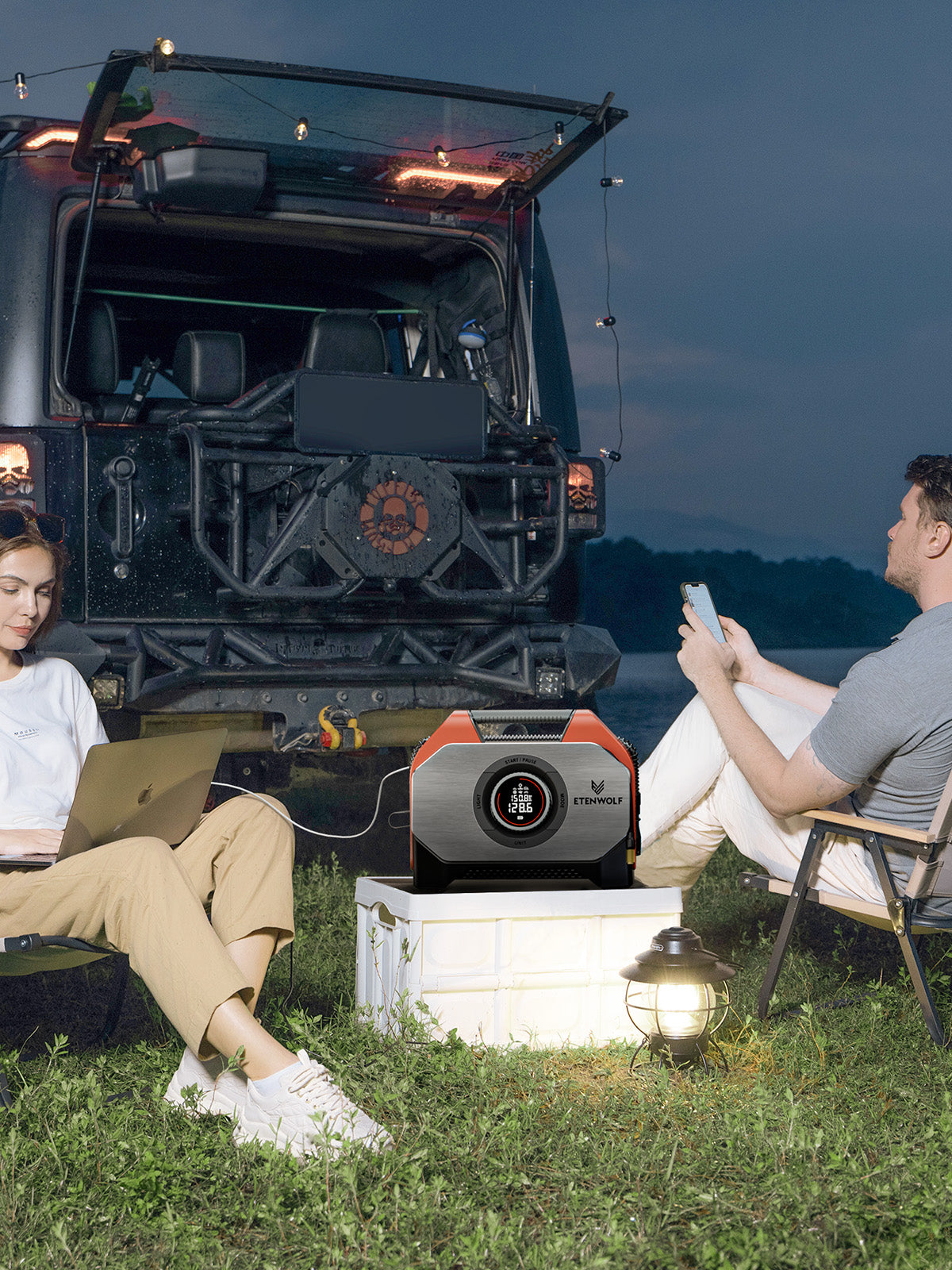
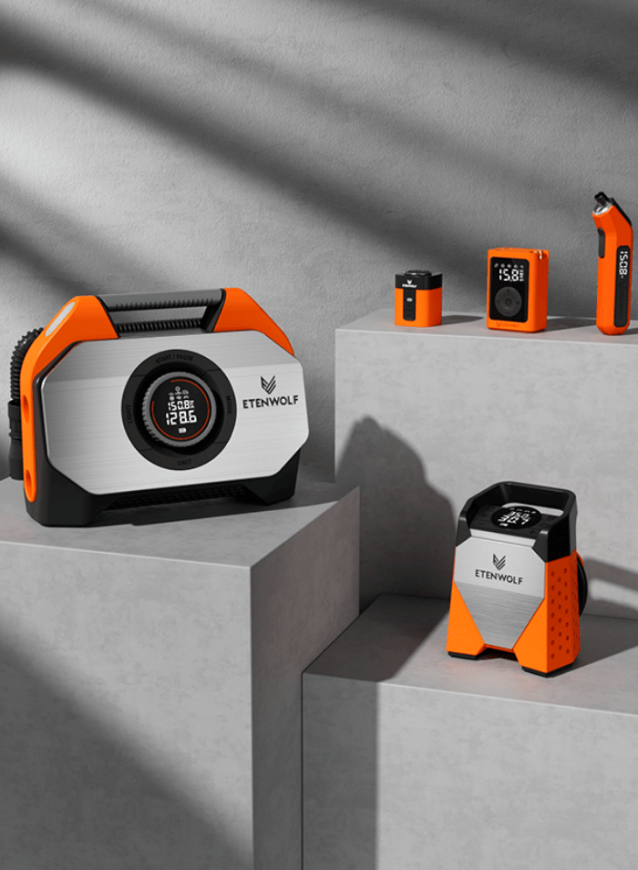
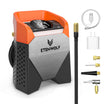
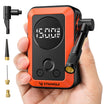
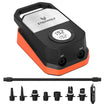
The ETENWOLF Vortex S7 Heavy Duty Tire Inflator is built for those larger tire applications.
It combines dual 260W motors, 52 L/min (1.85 CFM at 0 PSI) airflow and a 38,400mAh battery, allowing drivers to maintain tire pressure without relying on a gas-station compressor.

Its dedicated cooling system supports a 100% duty cycle, while its digital pressure display, ±1 PSI rated accuracy and automatic shutoff make routine adjustments more convenient.
For drivers maintaining several large tires, battery endurance and sustained airflow can matter much more than a maximum PSI number on the packaging.
We explain those differences in Why Your Tire Inflator Struggles With Truck and Trailer Tires.
One point is worth remembering:
The S7 doesn't make tires last longer by itself. Maintaining the correct tire pressure does. A suitable inflator simply makes that job easier to keep up with.

And it cannot repair a puncture, correct alignment or make a structurally damaged tire safe.
That distinction is part of good maintenance too.
8. Tire Rotation, Wheel Balance and Alignment: Watch the Wear Pattern
Correct pressure is essential, but it isn't the entire tire-maintenance story.
Take a close look at your tread.
If one shoulder is wearing much faster than the other, the problem might involve wheel alignment.
If the tread has an irregular, scalloped appearance, balance or suspension problems may need investigation.
And if the steering wheel starts vibrating at highway speed, simply adding air probably won't solve the underlying cause.
NHTSA notes that rotation, wheel balancing and alignment can help extend tire life.
It advises following the vehicle manufacturer's rotation schedule and notes that, where rotation is recommended, intervals of around 5,000–8,000 miles may be appropriate. (Source)
Some vehicles use different tire sizes front and rear, so the correct pattern or even whether rotation is possible depends on the vehicle.
Uneven tread wear is often a clue worth investigating before buying another set of tires.
For help distinguishing a wheel-balance issue from braking or suspension trouble, see Why Is My Steering Wheel Shaking? 7 Common Causes.

9. Fluids and Other Service Items You Shouldn't Ignore
Oil and coolant usually get the most attention, but vehicles also depend on other fluids and serviceable components.
Transmission fluid helps lubricate, cool and support the operation of transmission components.
Brake fluid transfers hydraulic pressure and can deteriorate over time.
Some vehicles use hydraulic power-steering fluid, while others have electric power steering and don't need it.
Spark plugs, fuel filters and other engine-specific components also have their own service requirements.
Don't assume one universal replacement interval applies to all of them.
For example, a conventional automatic transmission, CVT, dual-clutch transmission and manual gearbox may have very different service procedures.
Use the vehicle's maintenance schedule and approved fluid specifications.
A visible leak, unusual shifting behavior or unexpected fluid loss is a reason for diagnosis—not just repeated topping up.
10. Don't Ignore Small Changes in How Your Car Drives
Mileage isn't the only reason to inspect a vehicle.
Sometimes your car tells you something has changed long before the next scheduled service.
Maybe there's a new vibration at highway speed, a rough idle that wasn't there last month, or a brake pedal that suddenly feels different.
A tire might keep losing pressure despite repeated inflation. A check-engine light might stay on even though the vehicle seems to drive normally.
These symptoms deserve investigation.
The U.S. Department of Energy advises drivers to address engine faults promptly, noting that a check-engine light can indicate anything from a minor issue to a more serious problem that affects efficiency, emissions or future repair costs. (Source)
Some problems require diagnosis rather than a quick cleaning or replacement.
For example, an EGR-related fault may come from carbon buildup, an electrical issue or another part of the emissions-control system.
Our article How to Clean an EGR Valve: What It Does and Why It Matters explains why identifying the underlying fault matters.

An oil-pressure warning, overheating warning, major brake fault or severe new steering problem can require stopping safely rather than continuing to drive.
Preventive maintenance also means knowing when something shouldn't wait.
A Practical Preventive Car Maintenance Checklist
You don't need to memorize every replacement interval.
Keep your owner's manual and maintenance records accessible, and use this table as a reminder of what to inspect.
| Component | What to Watch For | Why It Matters |
|---|---|---|
| Engine oil and filter | Service interval, low oil level, leaks | Protects internal engine components |
| Engine air filter | Dirt, restriction, dusty driving | Maintains proper intake airflow |
| Cabin air filter | Reduced HVAC airflow, odors | Supports cabin air quality and ventilation |
| Cooling system | Coolant loss, leaks, overheating | Reduces the risk of overheating damage |
| Brakes | Noise, vibration, reduced performance | Addresses wear before further damage |
| Battery and terminals | Slow starting, corrosion, loose connections | Helps prevent no-start problems |
| Belts and hoses | Cracks, fraying, leaks, swelling | Reduces sudden component failures |
| Tire pressure and tread | Incorrect PSI, cuts, uneven wear | Supports tire life, safety and efficiency |
| Wheel balance and alignment | Pulling, vibration, irregular tread wear | Helps preserve tires and handling |
| Transmission and other fluids | Leaks, changes in operation, scheduled service | Protects vehicle-specific systems |
A Simple Maintenance Habit That Works
Once a month, set aside ten minutes to inspect the items you can safely check yourself.
Look at the tires. Measure cold pressure. Check for visible leaks. Confirm that your lights and wipers work. Check the oil level if your vehicle has a dipstick and the manufacturer's procedure calls for it.
Keep receipts and a record of service dates, mileage, fluids and replacement parts.
Then arrange professional inspections and scheduled work as required by your vehicle.
It's a small routine, but it gives you a much clearer picture of your car's condition than waiting for something to fail.
Final Thoughts: Maintenance Is Cheaper Than Neglect

Taking care of a car doesn't mean trying to make it last forever.
Engines wear. Rubber ages. Batteries eventually need replacing. Even the most carefully maintained vehicle will need repairs.
The real purpose of preventive maintenance is to avoid unnecessary damage and give expensive components the best chance of reaching their expected service life.
Change the oil when it's due. Pay attention to coolant and other fluids. Replace worn filters and belts when required, and have the brakes checked when something doesn't feel right.
Don't ignore a slow-starting battery or a new vibration.
And take a few minutes every month to check your tires.
None of these habits is particularly exciting. That's part of the reason they're so easy to postpone.
But the money you don't have to spend on premature tire replacement, preventable damage or an avoidable breakdown matters much more than how exciting the maintenance felt at the time.
You don't have to do everything yourself.
You just have to pay attention—and act before a small problem becomes a much larger one.
Sometimes that starts with something as simple as checking four tires.
FAQs
What Is Preventive Car Maintenance?
Preventive car maintenance means inspecting and servicing vehicle components before normal wear, deterioration or minor problems lead to failure. Common examples include oil changes, filter replacement, brake inspections, battery testing and tire-pressure checks.
What Maintenance Helps a Car Last Longer?
The most valuable maintenance depends on your vehicle, but following the manufacturer's schedule for engine oil, filters, cooling-system service, fluids, belts and other wear items is essential.
Regular tire checks, brake inspections and prompt diagnosis of warning lights also help reduce avoidable problems.
How Often Should I Change My Engine Oil?
Follow the interval in your owner's manual or the vehicle's oil-life monitoring system.
Oil-change requirements vary with engine design, oil specification and driving conditions. A universal 3,000-mile rule is not appropriate for every modern vehicle.
Can Preventive Maintenance Actually Save Money?
Yes, although the amount varies by vehicle and situation.
Scheduled maintenance can identify wear, leaks or other issues before they cause additional damage. It can also help avoid premature replacement of items such as tires.
How Often Should I Check Tire Pressure?
NHTSA recommends checking pressure at least once a month when the tires are cold.
Use the vehicle manufacturer's recommended PSI and inspect the spare tire if equipped.
Can Proper Tire Pressure Extend Tire Life?
Yes. Proper inflation can extend a tire's average life by approximately 4,700 miles.
Actual results vary depending on tire design, driving conditions, alignment and other factors.
Does Tire Pressure Affect Fuel Economy?
Yes. Keeping tires properly inflated can improve gas mileage by about 0.6% on average, with improvements of up to 3% in some circumstances. (Source)
What Car Maintenance Can I Do Myself?
Many drivers can perform visual tire inspections, check tire pressure, inspect lights and wipers, and check accessible fluid levels according to the owner's manual.
Mechanical work involving brakes, pressurized cooling systems, transmissions or electrical systems may require professional expertise.
Is a Portable Tire Inflator Worth Keeping in the Car?
A portable inflator can make regular tire-pressure maintenance more convenient, especially when you're away from a service station.
For larger SUVs, pickups and trucks, a heavy-duty model with higher airflow and battery capacity can make repeated inflation more practical.
Does Preventive Maintenance Apply to Electric Vehicles?
Yes, although the maintenance requirements are different.
Battery-electric vehicles don't need conventional engine oil changes, but tires, brakes, suspension components, cabin filters and vehicle-specific cooling systems still require attention.
Always follow the EV manufacturer's maintenance schedule.


Leave a comment
All comments are moderated before being published.
This site is protected by hCaptcha and the hCaptcha Privacy Policy and Terms of Service apply.