


















Most drivers think about their car battery only when the engine refuses to start.
The key turns, the dashboard lights flicker, and suddenly a normal morning becomes an inconvenience.
In many cases, the battery itself is not the only problem. Sometimes the issue starts with something much smaller:
the battery terminals.
Those two metal connection points on top of your battery may seem insignificant, but when they become corroded, they can interfere with the entire electrical system of your vehicle.
If ignored long enough, dirty or corroded battery terminals can lead to:
· slow engine cranking
· electrical problems
· charging issues
· complete no-start situations
Understanding how battery terminal corrosion happens—and how to deal with it—can help prevent a simple problem from turning into an expensive one.

What Are Car Battery Terminals?
Car battery terminals are the metal posts that connect your battery to your vehicle.
Every battery has two terminals:
Positive terminal (+)
Usually marked in red.
Negative terminal (–)
Usually marked in black.
These terminals allow electrical current to flow between the battery and the car’s electrical system.
That power supports:
· engine starting
· headlights
· infotainment
· sensors
· onboard computers
Without a clean connection at the terminals, your battery may still have power, but the vehicle may struggle to use it.
Why Car Battery Terminal Corrosion Happens

Battery terminal corrosion usually appears as:
· white powder
· blue-green residue
· crusty buildup around the metal posts
This buildup forms because of a chemical reaction.
According to Interstate Batteries, corrosion often occurs when battery gases escape through the vents and react with the metal around the terminal. (Source)
Several factors can make corrosion worse.
Common causes include
Battery age
Older batteries tend to vent more gas.
Heat
High temperatures accelerate chemical reactions.
Moisture
Humidity can speed oxidation.
Loose terminal connections
Small gaps allow more contamination.
Overcharging
Excess charging can release more battery gas.
Even a healthy battery can develop corrosion over time.
How to Spot Battery Terminal Corrosion
Sometimes corrosion is obvious.
Other times the symptoms appear before you notice the residue.
Visual signs
Look for:
· white chalky buildup
· green or blue deposits
· swollen cables
· rust-like residue
Performance symptoms
You may notice:
· slower engine starts
· dim headlights
· intermittent electronics
· battery warning lights
· clicking when starting
According to AAA, dead or weak batteries remain one of the top causes of roadside assistance calls in the United States. (Source)
Corroded terminals can contribute to those failures.

Can Corroded Battery Terminals Cause a Car Not to Start?
Yes.
Corrosion increases electrical resistance.
That means power from the battery has a harder time reaching:
· the starter motor
· ignition system
· vehicle electronics
Even if the battery still has enough voltage, poor terminal contact can make the car behave like the battery is dead.
You may experience:
· repeated clicking
· delayed cranking
· total failure to start
This often confuses drivers because the battery itself may still test as “good.”
Can Corrosion Cause Battery Drain?
Indirectly, yes.
Corroded terminals can lead to poor charging efficiency.
That means:
· the alternator may not recharge properly
· voltage can become unstable
· battery performance can decline faster
Over time, this can create a cycle where the battery slowly loses reliability.
That can leave you stranded unexpectedly.
How to Clean Car Battery Terminals Safely
Cleaning battery terminals is usually simple if the corrosion is mild.
Always work carefully.
Step 1: Turn the vehicle off
Remove the key and make sure everything is powered down.
Step 2: Disconnect the negative terminal first
Loosen and remove the negative cable before the positive.
This reduces short-circuit risk.
Step 3: Mix baking soda and water
Create a paste using:
· 1 tablespoon baking soda
· small amount of water
Baking soda helps neutralize battery acid residue.
Step 4: Apply with a brush
Use:
· toothbrush
· battery cleaning brush
· soft wire brush
Gently scrub corrosion away.
Step 5: Wipe clean and dry
Remove residue with a cloth.
Make sure everything dries completely.
Step 6: Reconnect the terminals
Reconnect:
1. positive terminal first
2. negative terminal second
Tighten securely.
How to Prevent Future Battery Terminal Corrosion
Prevention is easier than repeated cleaning.
Keep terminals tight
Loose connections increase corrosion risk.
Inspect regularly
Check every few months.
Especially before:
· winter
· long trips
· seasonal storage
Use anti-corrosion protection
Many drivers apply:
· dielectric grease
· battery terminal spray
· felt washers
These help block moisture.
Replace aging batteries early
Older batteries often leak more gas.
Most car batteries last about 3–5 years depending on climate and driving habits. (Source)
Why a Backup Jump Starter Still Matters

Even with proper maintenance, batteries can still fail.
Cold weather, age, or unexpected corrosion can leave a healthy-looking battery unable to start the engine.
That is why many drivers now keep a portable jump starter in the vehicle.
Not because they expect failure.
Because they know it happens.
A Practical Backup: ETENWOLF J1

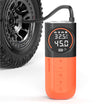
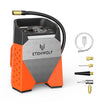
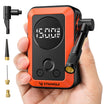
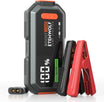
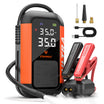
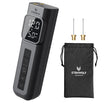
A compact jump starter like the ETENWOLF J1 Portable Car Battery Jump Starter can provide peace of mind when battery issues appear unexpectedly.
Why it works well as a backup
Strong starting power
2000 peak amps can start:
· cars
· SUVs
· trucks
· motorcycles
even in cold weather.
Works with weak batteries
It can start batteries as low as 9V.
Built-in safety

Includes:
· reverse polarity protection
· spark-proof clamps
· short circuit protection
This makes it easier for everyday drivers to use safely.
More than a jump starter

It also functions as:
· USB power bank
· emergency flashlight
· travel backup charger
Why it pairs naturally with battery maintenance
Cleaning battery terminals helps prevent problems.
A jump starter helps when prevention is not enough.
Together, they create a smarter approach to battery reliability.
When to Replace the Battery Instead
Cleaning helps only if corrosion is the main issue.
Replace the battery if you notice:
· repeated corrosion returning quickly
· swollen battery case
· leaking fluid
· battery older than 5 years
· repeated jump starts needed
At that point, the battery itself may be failing.
Final Thoughts
Battery terminal corrosion often starts as a small problem.
A little white powder.
A little slower cranking.
A slight hesitation.
But ignored long enough, it can leave you stranded at the worst possible moment.
The good news is that battery terminal corrosion is one of the easiest car problems to catch early.
Regular inspection, occasional cleaning, and keeping a backup jump starter in your vehicle can make a huge difference.
Sometimes the smallest parts of a car create the biggest headaches.
And sometimes the simplest preparation prevents them.
FAQs
What does battery terminal corrosion look like?
Battery corrosion usually appears as white, blue, or green powder around the battery posts.
Can corroded battery terminals drain a battery?
They can interfere with charging and reduce battery performance over time.
Will a car start with corroded battery terminals?
Sometimes yes, but severe corrosion can prevent enough current from reaching the starter.
How often should battery terminals be cleaned?
Inspect every 3 to 6 months and clean whenever visible buildup appears.
Can a jump starter work with corroded terminals?
Yes, but severe corrosion should be cleaned first for a better connection.


Leave a comment
All comments are moderated before being published.
This site is protected by hCaptcha and the hCaptcha Privacy Policy and Terms of Service apply.