







The truth about PSI ratings, airflow, overheating, and what really matters when inflating truck, trailer, RV, and off-road tires.
Walk through any automotive store or browse online marketplaces, and you'll quickly notice a common pattern.
Almost every tire inflator claims impressive numbers.
120 PSI.
150 PSI.
160 PSI.
At first glance, it sounds simple: the higher the PSI rating, the more powerful the inflator must be.
But ask anyone who has tried using a compact tire inflator on a pickup truck, travel trailer, RV, or off-road vehicle, and you'll often hear a different story.
The inflator gets hot.
The battery drains quickly.
The inflation speed slows to a crawl.
Sometimes the unit shuts itself off before the tire reaches the desired pressure.

So what happened?
If the inflator says "160 PSI," why does it struggle with a truck tire that only needs 80 PSI?
The answer is that maximum PSI is only one small part of the equation. Heavy-duty tires demand far more than a big number on the product box.
Let's explore why many portable inflators fail when faced with larger tires—and what drivers should actually look for when choosing an inflator for trucks, trailers, RVs, and off-road vehicles.
Why Heavy-Duty Tires Are Different
Most portable tire inflators are designed around the needs of passenger vehicles.
According to the U.S. Department of Energy, maintaining proper tire pressure improves efficiency and helps reduce unnecessary energy loss caused by rolling resistance. (Source)
Most passenger cars operate between approximately 32 and 35 PSI.
A compact inflator can usually handle this workload without much trouble.
Heavy-duty vehicles are different.
Examples include:
· Pickup trucks
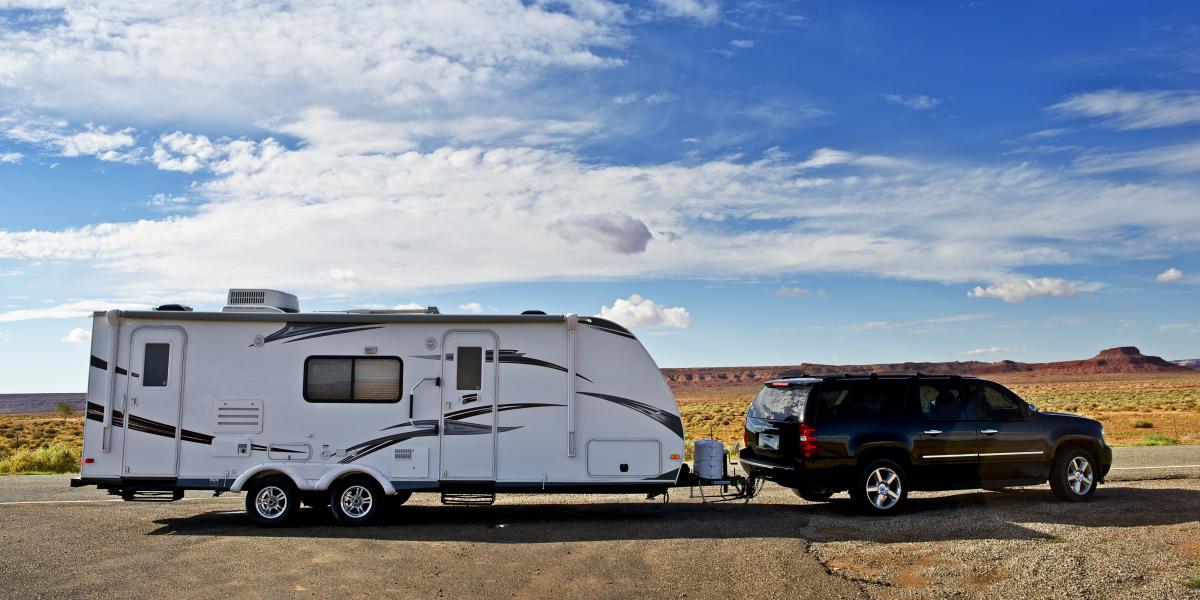
· Travel trailers
· Fifth-wheel trailers
· RVs
· UTVs
· Off-road rigs
· Work trucks

Many of these vehicles require tire pressures ranging from 50 PSI to well over 100 PSI depending on tire size, load rating, and application. (Source)
For example, many trailer and RV tires are commonly operated at 80 PSI, 95 PSI, or even 110 PSI.
But pressure isn't the only challenge.
Heavy-duty tires also contain significantly more air volume.
Imagine filling a coffee mug versus filling a bathtub.
Both can eventually reach the same water pressure, but one requires dramatically more volume.
That's exactly what happens with larger tires.
The Biggest Misconception: PSI Does Not Equal Performance
One of the most common mistakes buyers make is assuming that maximum PSI determines whether an inflator is suitable for truck tires.
It doesn't.
A tire inflator advertising 150 PSI may technically be capable of producing that pressure under specific conditions.
However, reaching a pressure level and maintaining useful airflow at that pressure are completely different things.
Think of it this way.
A garden hose can spray water at high pressure through a tiny opening.
That doesn't mean it can fill a swimming pool quickly.
The same principle applies to tire inflators.
What matters is not only pressure but also how much air the inflator can move.
That's where airflow becomes critical.
Airflow (CFM) Is What Actually Fills Tires
Airflow is typically measured in:
· CFM (Cubic Feet per Minute)
· L/min (Liters per Minute)
The higher the airflow, the faster air enters the tire.
Both pressure and airflow determine overall compressed-air performance.
A low-airflow inflator may eventually reach 100 PSI.
The problem is how long it takes to get there.
When dealing with larger truck tires, trailer tires, or off-road tires, low airflow often becomes painfully obvious.
Many small inflators can take several minutes to add only a few PSI.
As pressure rises, inflation speed frequently slows even further.
This is why two inflators with the same maximum PSI rating can perform completely differently in the real world.
Why Small Tire Inflators Overheat
Heat is the enemy of every air compressor.
Compressing air generates heat naturally.
The higher the pressure and the longer the compressor runs, the more heat accumulates.
Many compact tire inflators use:
· Small motors
· Small cylinders
· Limited cooling systems
· Compact housings
These designs work reasonably well for occasional passenger-car use.
However, heavy-duty tires require significantly longer run times.
That extended operation causes internal temperatures to rise rapidly.
Eventually, one of three things happens:
1. Thermal Shutdown
The inflator automatically turns off to prevent damage.
2. Reduced Performance
As components heat up, efficiency drops.
Inflation slows noticeably.
3. Motor Damage
Repeated overheating can shorten motor lifespan and eventually lead to failure.
This is one reason truck owners often become frustrated with inflators that worked perfectly fine on smaller vehicles.
What Is Duty Cycle—and Why Does It Matter?
Duty cycle is one of the least understood specifications in the tire inflator industry.
Simply put, duty cycle describes how long an inflator can operate continuously before requiring a cooling period.
For example:
· 50% duty cycle = run 10 minutes, cool 10 minutes
· 25% duty cycle = run 5 minutes, cool 15 minutes
Many consumer-grade inflators rely heavily on cooling breaks.
That may not be a problem when topping off a sedan tire.
It becomes a major problem when inflating:
· Four truck tires
· Trailer tires
· Off-road tires after airing down
· RV tires
Imagine stopping halfway through the job because the inflator needs a break.
That's exactly what happens with many portable units.
Why Battery Capacity Matters More Than Most People Think
Cordless inflators are incredibly convenient.
No extension cords.
No vehicle power cables.
No searching for a gas station.
But battery-powered performance depends heavily on battery capacity.
A small battery may have enough power to:
· Inflate a bicycle tire
· Top off a sedan tire
· Inflate sports equipment
Heavy-duty applications are different.
Larger tires require:
· More runtime
· More airflow
· More motor output
All of those consume more energy.
A small battery often struggles to keep up.
This is why many users report that inexpensive inflators perform well for one or two tires but become noticeably slower as battery levels drop.
Why Gas Station Air Pumps Aren't Always the Perfect Solution
Many drivers assume they can simply use a gas station air pump instead.
Sometimes that's true.
But gas station inflators come with limitations.
You may encounter:
· Long lines
· Broken equipment
· Dirty hoses
· Time-based payment systems
· Limited availability in rural areas

More importantly, tire pressure readings are most accurate when tires are cold.
According to NHTSA, tire pressure naturally increases as tires warm during driving. (Source)
That creates an awkward situation.
You drive to the gas station because you need air.
By the time you arrive, the tires may no longer be cold.
The pressure reading may not accurately reflect the tire's true cold inflation pressure.
The Real Requirements of a Heavy-Duty Tire Inflator
If you're shopping for an inflator specifically for trucks, trailers, RVs, or off-road vehicles, these factors matter far more than advertised PSI.
High Airflow
Higher airflow means faster inflation.
This becomes especially important with larger tires.
Effective Cooling
A dedicated cooling system helps maintain performance during extended operation.
Continuous Operation Capability
A stronger duty cycle allows the inflator to handle multiple tires without lengthy interruptions.
Large Battery Capacity
More battery capacity means more usable inflation power in real-world conditions.
Accurate Pressure Monitoring
Precise pressure readings help prevent underinflation and overinflation.
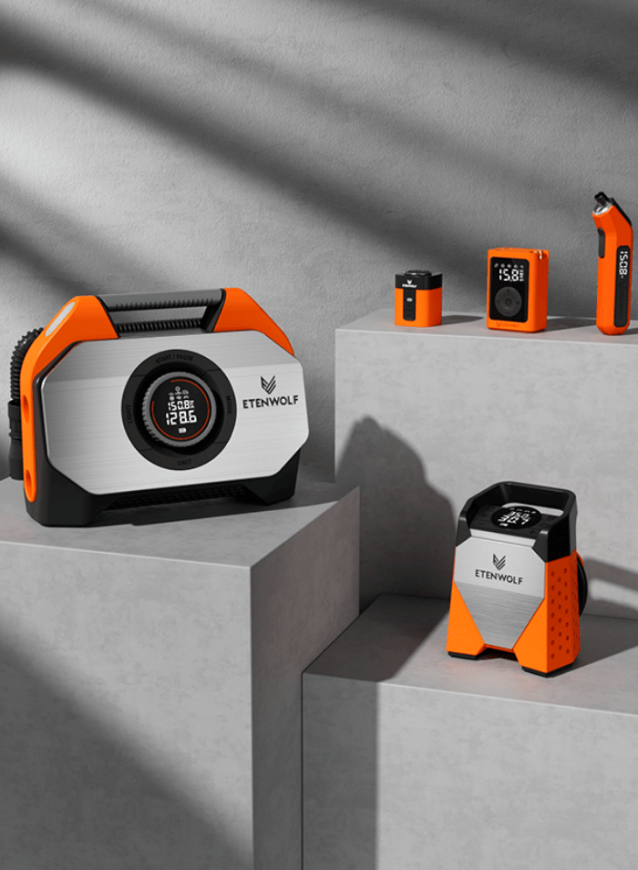
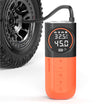
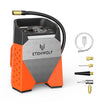
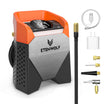
Why the ETENWOLF Vortex S7 Was Built Differently

Heavy-duty tires place demands on an inflator that ordinary passenger-car inflators were never designed to handle.
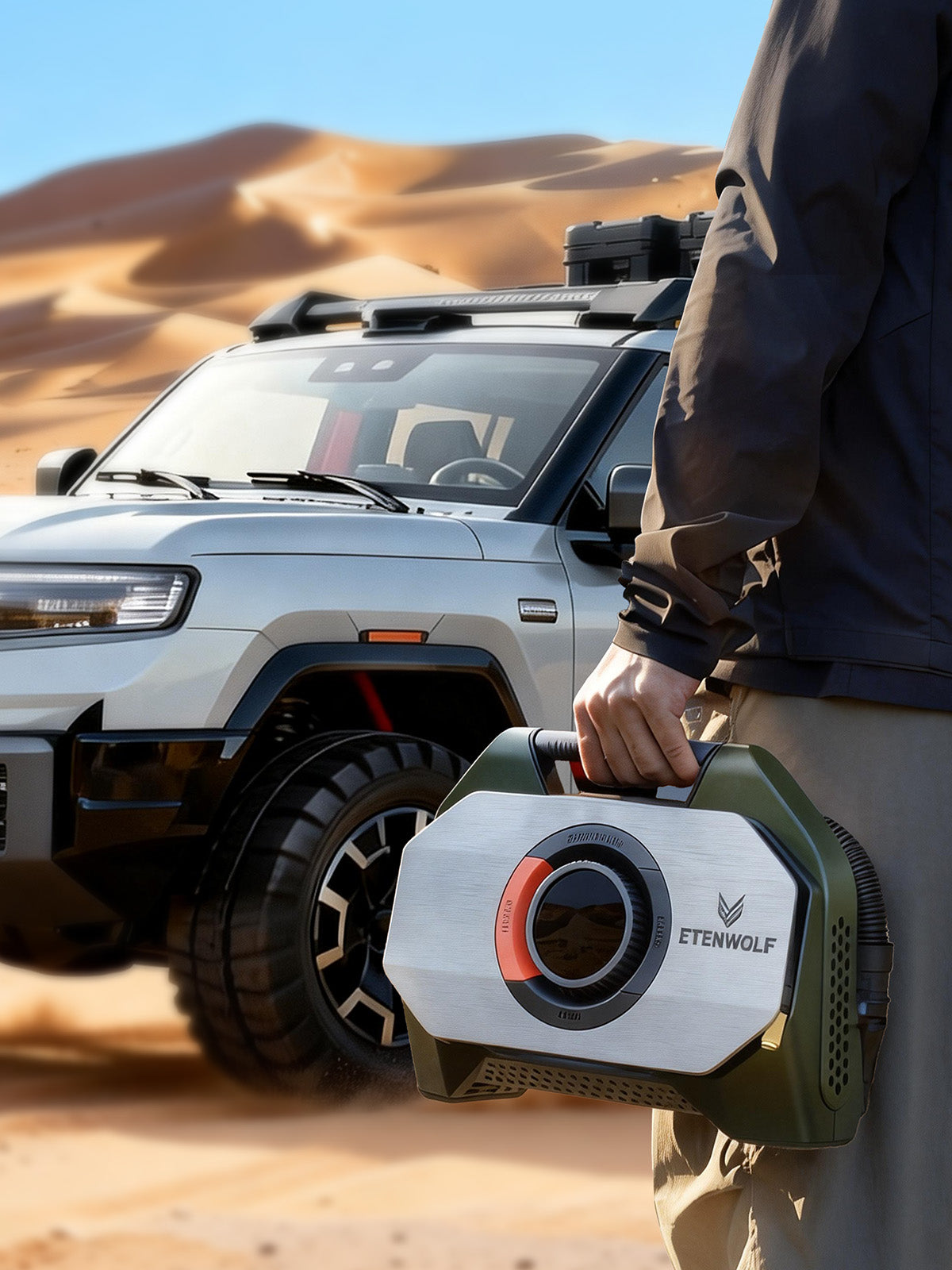
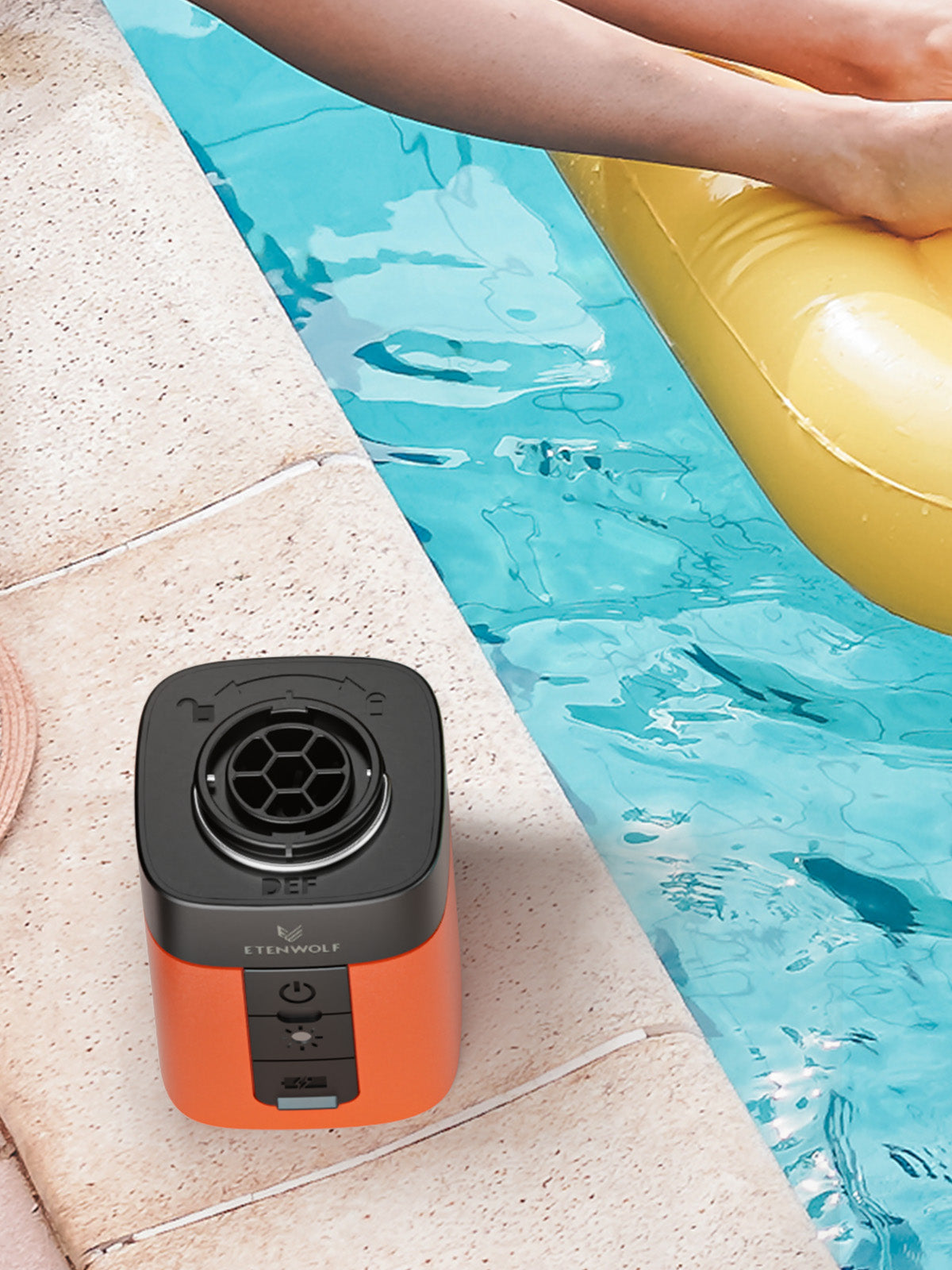
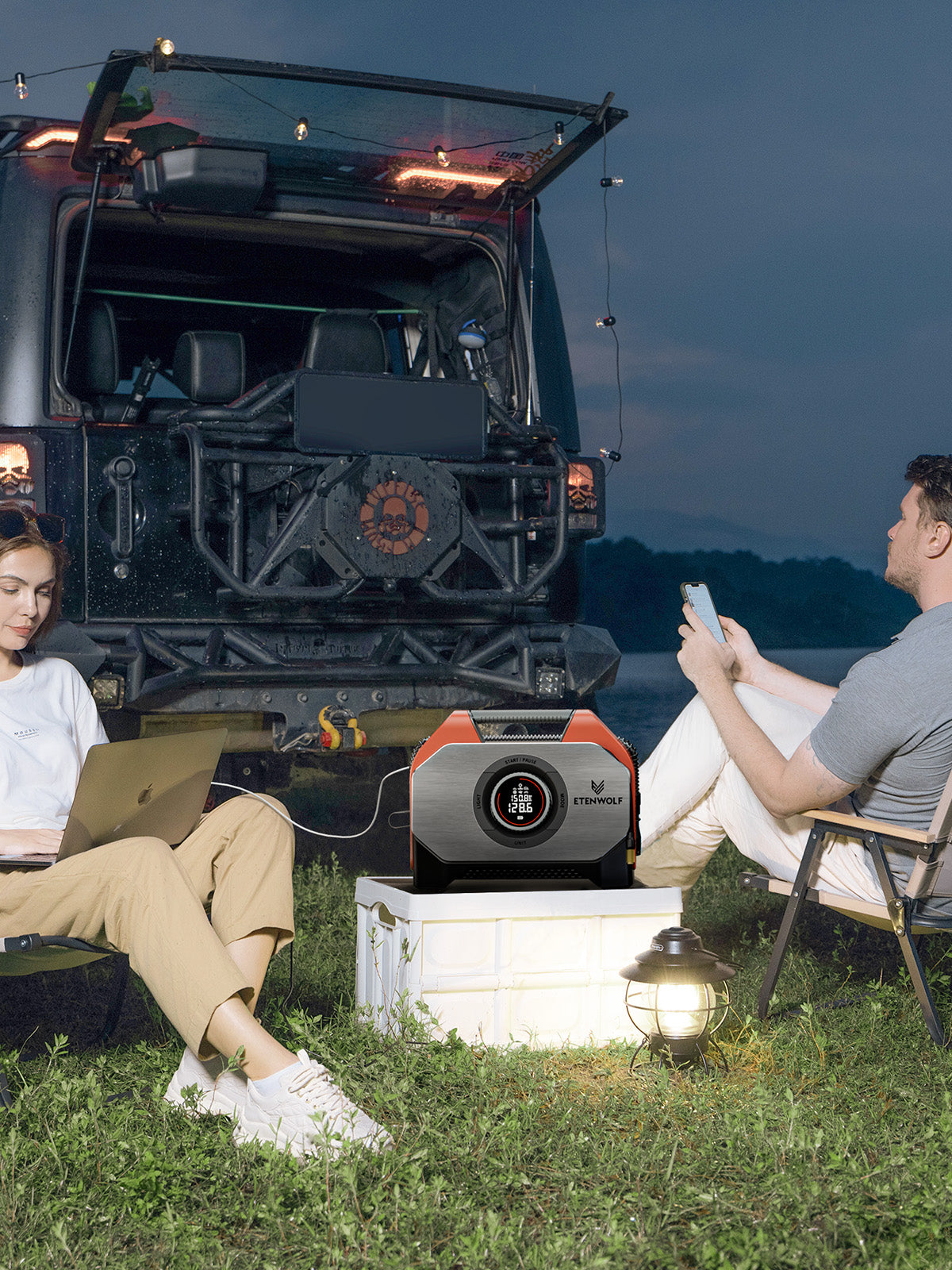
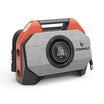
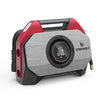
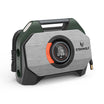
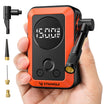
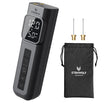
That's why the ETENWOLF Vortex S7 focuses on the factors that actually matter.
Instead of relying solely on a large PSI number, the Vortex S7 combines several performance advantages:
Dual 260W Motors
More power means greater airflow and stronger inflation performance.

Up to 52 L/min Airflow
The Vortex S7 delivers approximately 1.85 CFM at 0 PSI, helping move large volumes of air quickly.
Massive 38,400mAh Battery
A high-capacity lithium battery provides the runtime needed for larger tires and longer inflation sessions.

Dedicated Cooling System
Designed to manage heat during demanding use.
100% Duty Cycle
Unlike inflators that require frequent cooldown periods, the S7 is built for continuous operation.

Heavy-Duty Tire Capability
The Vortex S7 can inflate a 30-inch SUV tire in approximately 30 seconds under specified conditions.
Accurate Pressure Control
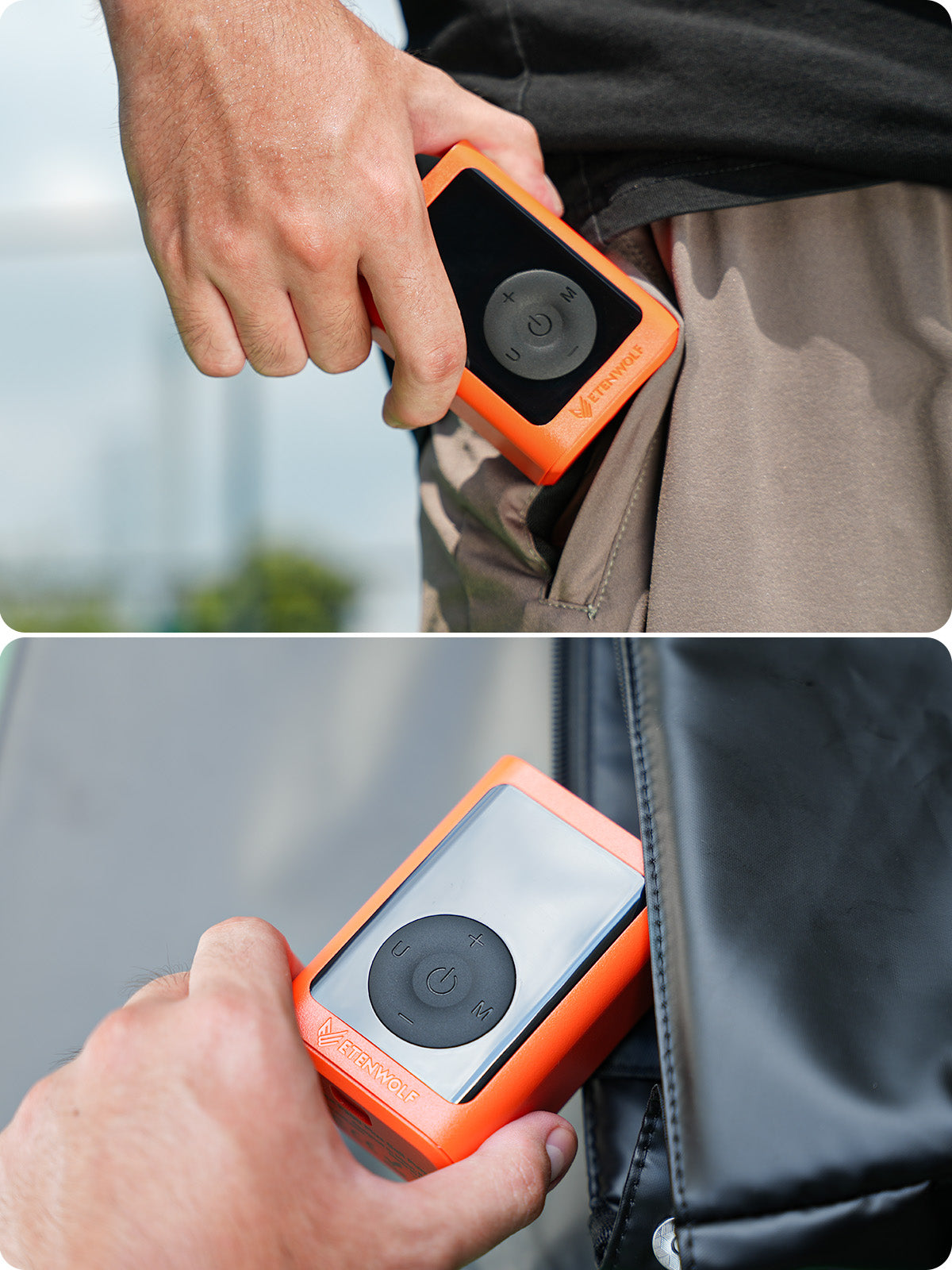
The digital display shows both current and target pressure, while automatic shutoff helps eliminate guesswork.
The result isn't simply a tire inflator that reaches high PSI.
It's an inflator designed around the real-world demands of larger vehicles.

The Bottom Line
If you've ever wondered why a portable tire inflator struggles with truck tires despite advertising 150 PSI or more, you're not alone.
The truth is that maximum PSI tells only a small part of the story.
For heavy-duty applications, the real performance factors are:
· Airflow
· Cooling capability
· Duty cycle
· Battery capacity
· Motor power
· Pressure accuracy
Large tires require more air, more runtime, and more sustained performance.
That's why many standard inflators work well for passenger cars but struggle with trucks, trailers, RVs, and off-road vehicles.
Choosing the right inflator isn't about chasing the biggest PSI number.
It's about choosing a tool designed for the job.
FAQs
Why does my tire inflator shut off while inflating truck tires?
Many portable inflators include thermal protection systems. When internal temperatures become too high, the unit automatically shuts down to prevent motor damage.
Can a 150 PSI tire inflator inflate truck tires?
Possibly, but not always efficiently. Maximum PSI does not indicate airflow, battery capacity, cooling performance, or continuous run capability.
What PSI do truck tires need?
Truck tire pressures vary widely depending on vehicle type, load, and tire specifications. Many light trucks operate between 35–80 PSI, while some heavy-duty applications require even higher pressures.
Why is airflow more important than PSI?
Airflow determines how quickly air moves into the tire. Higher airflow generally means faster inflation, especially for larger tires.
What is duty cycle on an air compressor?
Duty cycle refers to how long a compressor can run continuously before needing a cooling period.
Are RV tires harder to inflate than car tires?
Yes. RV tires typically require both higher pressure and greater air volume than standard passenger-car tires.
What should I look for in a heavy-duty tire inflator?
Look for:
· High airflow (CFM or L/min)
· Strong cooling system
· Continuous-duty operation
· Large battery capacity
· Accurate pressure monitoring
· Reliable build quality



Leave a comment
All comments are moderated before being published.
This site is protected by hCaptcha and the hCaptcha Privacy Policy and Terms of Service apply.