
































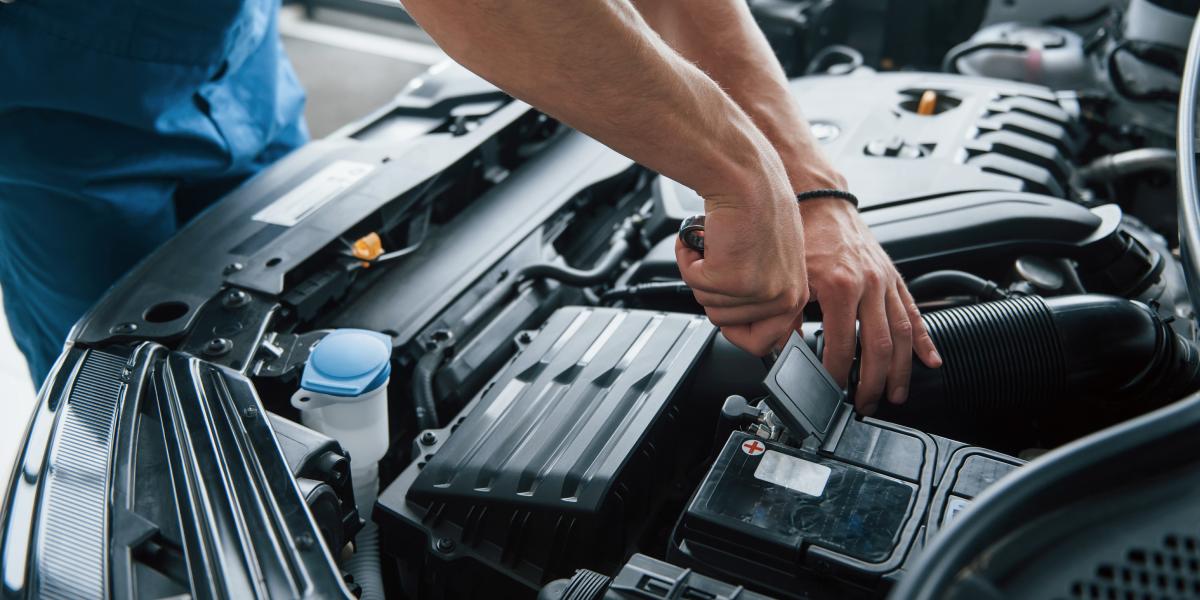
Most drivers don’t think about their car battery—until the day the engine won’t start.
It’s likely that the battery will decide to give up on you at the worst possible time. You’re running late for work, heading out of town on the weekend or parked in a very remote location. You go to turn the key or press the start button and instead of hearing the engine roar to life, all you get is a slow crank or not a peep.
So how long should a car battery last? And more importantly, How do I know if my car needs a new battery?
Let’s break it down in simple, practical terms.
What Is the Average Car Battery Life?
In general, most car batteries last between 3 to 5 years.
A report from AAA revealed that batteries often start to degrade after three years, even though they seem fine. (Source)
Similarly, it is also mentioned by Consumer Reports that the battery life can vary based on the driving and living conditions of each driver. They recommend starting the annual test on the battery from the second or third year on. (Source)
This means that even if your car is starting fine today, the battery could have already exhausted its useful life.
Why Do Car Batteries Wear Out?

Car batteries don’t fail suddenly—they degrade over time.
Typically, a car battery is based on the principle of chemical reactions to produce electricity. As those reactions occur repeatedly, this leads to wear and tear on the elements, which progressively deteriorate the battery’s ability to store electricity.
Eventually, the battery simply can’t deliver enough power to start the engine.
Key Factors That Affect Car Battery Life
Every battery ages at a different rate. There are a variety of things that can increase the rate at which a battery ages as well as some things that can cause it to live longer than expected.
1. Temperature (Especially Heat)
Extreme temperatures are one of the biggest contributors to battery wear.
Hot climates accelerate chemical changes within the battery, which in turn accelerate the rate of battery breakdown. AAA claims that heat can impact the life of a battery more so than cooler climates.
Cold does not cause battery damage as rapidly, but it reduces the battery’s ability to deliver power, and this is why batteries can fail to start your car in winter. (Source)
2. Driving Habits
Short trips are harder on your battery than long drives.
If you frequently drive short distances, the alternator may not have enough time to fully recharge the battery after starting the engine. This repeated failure to recharge can cause the batteries to slowly lose some of their charge capacity.
Longer drives allow the battery to recharge more completely.
3. Vehicle Usage
Why won't my battery hold a charge? Leaving lights, radio, etc., on when the engine is off can drain the battery.
Modern cars have more electronic features than ever before – navigation, sensors, infotainment and connectivity. They all consume power.
4. Time and Natural Degradation
Even under ideal conditions, batteries degrade over time.
According to Battery Council International, the chemical processes inside lead-acid batteries naturally wear down with use, making replacement inevitable after several years.
Signs Your Car Battery May Be Failing
A car battery rarely fails without warning, but too many drivers fail to recognise the signs.
Here are some common indicators:
Slow engine crank
If your car engine takes longer to start up than it used to, it could be a sign that your battery's losing strength.
Dim headlights or electrical issues
Weak batteries may struggle to power lights and electronics consistently.
Battery warning light

Lots of modern cars are fitted with warning lights on the car's dashboard that will illuminate if something goes wrong with the car's charging system.
What Do Dashboard Warning Lights Mean? A Practical Guide
Corrosion on battery terminals

Visible buildup around the terminals can interfere with proper electrical flow.
Age (3+ years)
Even without symptoms, an older battery is more likely to fail unexpectedly.
How to Extend Your Car Battery Life
While you can’t prevent battery aging entirely, you can slow it down.
Drive regularly and long enough
Sometimes, try to drive your car for a bit longer period to give the battery more opportunity to be recharged.
Turn off electronics when parked
Ensure that all lights (headlights, interior lights, etc.) and accessories are switched off prior to exiting the vehicle.
Keep the battery clean
Clean terminals help maintain good electrical contact.
Test your battery periodically
After three years, consider having your battery tested annually.
Park in moderate temperatures when possible
Extreme heat is particularly damaging. Be sure to park in a shaded or covered area whenever possible.
What Happens When Your Battery Dies?
Even with proper maintenance, battery failure is unavoidable at some point.
And when it happens, you have a few options:
· Call roadside assistance
· Ask another driver for a jump start
· Wait for help
· Or handle it yourself
As shared by AAA, battery troubles are one of the most common reasons why car owners in America call for roadside assistance each year. (Source)
Waiting for a ride or pickup can mean long stretches of time particularly if the user has no other form of transport or is located in a difficult-to-reach area.
A Practical Solution: Portable Jump Starters
That’s why more and more drivers are carrying portable jump starters in their cars.
Using battery cable jumpers requires someone to assist you in getting your car started; a jump starter allows you to make your car start on your own, eliminating the need to depend on others.
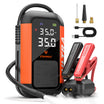
Example: ETENWOLF J1 Portable Car Battery Jump Starter

In a world where batteries can fail at the most inopportune moments, a modern jump starter such as the ETENWOLF J1 provides the convenient and reliable solution that drivers need.
Powerful starting capability
With 2000 amps of peak power, the J1 can start a car even with a battery voltage as low as 9V.
It supports:
· Up to 8.0L gas engines
· Up to 6.5L diesel engines
This makes it suitable for most vehicles, including cars, SUVs, and trucks.
Works in extreme temperatures
Cold weather is a common cause of battery failure.
The J1 operates in temperatures as low as -4°F and is ideal for winter weather driving conditions.
Built-in safety protections

Jump-starting a car can be intimidating, especially for inexperienced drivers.
The J1 includes 8 intelligent safety protections, including:
· reverse polarity protection
· spark-proof design
· secure clamp connections
These features reduce the risk of user error.
Multi-function battery pack

Beyond jump-starting, the J1 also functions as a portable power bank.
With a 16,000mAh battery, it can charge phones, tablets, and other devices—useful during road trips or emergencies.
Compact and portable

Unlike large, heavy jumper cables which require another car to jump start your dead battery, the J1 (Battery Jump Starter) is so small it can be stored in a glove box or backpack.
The Kit includes a built-in LED flashlight with multiple lighting modes that is useful for any nighttime roadside situation.
Why Preparation Matters More Than Prevention
You can optimize and change your battery life, check the status of your battery and follow some battery care tips. Nevertheless, a battery will have to be replaced sooner or later.
The real difference comes down to how prepared you are when it happens.
· Without preparation → waiting, inconvenience, potential safety risks
· With preparation → quick restart, minimal disruption
You never know when your car might stall. That’s why tools like portable jump starters have become so popular for drivers everywhere.
Final Thoughts
The humble car battery sits low on the priority list for most drivers, but it is essential to proper vehicle function.
Most batteries last for around 3 to 5 years, however, variables such as heat, how you drive and how often you use your battery can all play a role in shortening this time.
To reduce the risk of battery failure, it is important to identify the signs of potential problems and properly maintain the battery.
And when you inevitably fail, having a simple solution on hand can make all the difference.
FAQs
How long do car batteries last?
The estimated average life of a car battery is 3 to 5 years. This time can vary depending on a number of factors such as climate, car usage and the condition of the battery.
What shortens car battery life?
Heat, short trips, frequent use of mobile electronics and simple natural aging can all contribute to the deterioration of a battery.
How do I know if my car battery is bad?
Common signs include slow engine crank, dim lights, warning lights, or if your battery is over 3 years old.
Can a dead car battery be restarted?
Yes, a dead battery can often be revived and restarted by using jumper cables or a portable jump starter.
Is it worth carrying a portable jump starter?
Yes. It allows the driver to restart the car without having to rely on roadside assistance.


Leave a comment
All comments are moderated before being published.
This site is protected by hCaptcha and the hCaptcha Privacy Policy and Terms of Service apply.