



















You pull into a crowded parking lot, spot an empty space between two SUVs, and turn the steering wheel almost without thinking.
A few seconds later, you're parked.
It's one of those small conveniences you barely notice until something changes.
Maybe the steering suddenly feels heavier than usual. Maybe a warning light shaped like a steering wheel appears on the dashboard. Or perhaps you've driven an older vehicle without power steering and remember how much effort it took to maneuver at low speeds.
So what makes the steering wheel in a modern car so easy to turn?
In many vehicles, the answer is electric power steering, commonly called EPS.
Instead of relying on engine-driven hydraulic pressure, EPS uses an electric motor, sensors, and a control unit to provide steering assistance.
It's efficient, adaptable, and now an important part of many modern driver-assistance systems. But like any system involving electronics and moving parts, it can develop problems.
Understanding how it works makes it easier to recognize when something isn't right—and when an unusual steering feel might have nothing to do with EPS at all.
What Is Electric Power Steering (EPS)?
Electric power steering is a system that uses an electronically controlled motor to help the driver turn the vehicle's wheels.
The important word is assist.
In most conventional EPS designs, the driver still has a mechanical connection to the steering system. The electric motor simply adds force to reduce how much physical effort is required.
Imagine trying to turn the front wheels of a stationary SUV without any assistance. Between the weight on the tires and the friction against the pavement, it can take considerable effort.
EPS makes that same maneuver much easier.
Once the vehicle is traveling at highway speed, however, the amount of assistance can change. Depending on the vehicle's design, the steering may feel firmer to provide a more controlled response.
Kia's 2026 Motor Driven Power Steering owner's manual describes this behavior: steering assistance is adjusted according to driver input and vehicle speed, with lighter steering at low speeds and firmer steering at higher speeds. (Source)
Electric power steering isn't the same thing as an electric vehicle. Gasoline cars, hybrids, and EVs can all use EPS.
And having EPS doesn't mean the car can steer itself. Driver-assistance features may use the system to provide steering corrections, but the system's capabilities and the driver's responsibilities depend on the vehicle.
How Does Electric Power Steering Work?
You might expect something called electric power steering to be complicated.
The engineering certainly is, but the basic idea is surprisingly straightforward.
When you turn the wheel, the system measures what you're asking the car to do and uses an electric motor to help make it happen.
Step 1: You Turn the Steering Wheel
The process begins when the driver applies force to the steering wheel.
That force travels through the steering mechanism, while the EPS sensors detect the driver's input.
One particularly important component is the torque sensor, which measures how much turning force the driver is applying.
Step 2: Sensors Send Information to the Control Unit
The torque sensor sends information to the electronic control unit, or ECU.
Depending on the vehicle, the system can also use information such as vehicle speed, steering position, and other driving parameters.
The ECU uses that information to determine the amount of assistance needed.
A tight parking maneuver may call for considerable assistance. A small correction while traveling along the highway may require much less.
Step 3: The Electric Motor Provides Assistance
Once the ECU calculates the required assistance, it commands the electric motor.
The motor's output passes through a mechanical arrangement, such as a reduction gear or belt-driven mechanism, depending on the EPS design.
That additional torque helps move the steering system and reduces the effort the driver needs to apply.
Step 4: The Steering Rack Moves the Wheels
The steering mechanism converts rotational input from the steering wheel into movement that turns the road wheels.
The driver's input and the motor's assistance work together.
The simplified sequence is:
Driver input → Torque sensor → ECU → Electric motor → Steering mechanism → Wheels turn
The system continually responds as steering input and driving conditions change.
That's what makes it feel so natural from the driver's seat.

What Are the Main Parts of an Electric Power Steering System?
An EPS system isn't just an electric motor bolted to the steering wheel.
It combines electronic and mechanical components, each doing a different job.
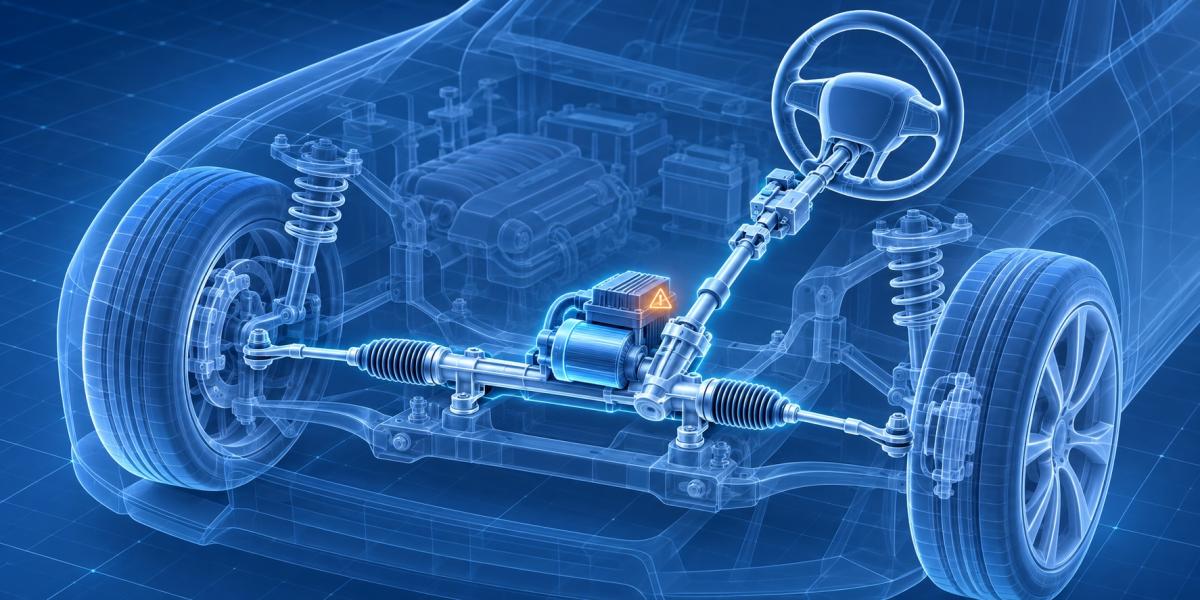
The steering wheel and steering shaft transmit driver input. The torque sensor detects steering effort, while the ECU determines how much assistance is appropriate.
The electric motor supplies that assistance, and the reduction mechanism or belt drive transfers it to the steering assembly.
Finally, the steering rack, tie rods, and associated mechanical parts transmit the movement to the wheels.
The location of the motor varies by design.
Column-Assist EPS
In a column-assist system, the electric motor and gearing are positioned around the steering column.
This layout is common in applications where the required steering assistance is relatively modest.
Pinion-Assist EPS
In a pinion-assist design, the electric motor supplies torque through a gear associated with the steering rack.
Some designs use a second pinion to keep the motor's assistance separate from the driver's direct mechanical input.
Rack-Assist EPS
Larger vehicles may use a motor mounted near the steering rack, with a belt and ball-screw mechanism helping generate the necessary force.
The components may sit in different places, but they're all working toward the same goal: making steering easier while maintaining the response the vehicle was designed to deliver.
Electric vs. Hydraulic Power Steering: What's the Difference?

Before electric power steering became common, many cars used hydraulic assistance.
Hydraulic power steering (HPS) relies on pressurized fluid to help move the steering mechanism. In a conventional system, an engine-driven pump supplies that pressure.
Electric power steering takes a different approach.
Instead of continuously driving a hydraulic pump, an electric motor delivers steering assistance according to the system's control strategy.
That difference affects energy use, maintenance, packaging, and the way manufacturers can tune steering feel.
|
Feature |
Electric Power Steering (EPS) |
Hydraulic Power Steering (HPS) |
|---|---|---|
|
Power source |
Electric motor |
Engine-driven hydraulic pump |
|
Steering assistance |
Electronically controlled motor torque |
Hydraulic pressure |
|
Power steering fluid |
Not required in conventional EPS |
Required |
|
Fluid leaks |
No steering hydraulic circuit |
Hoses, seals, or pump may leak |
|
Energy consumption |
Assistance supplied according to demand |
Conventional pump generally operates with the engine |
|
Maintenance |
Electrical and mechanical components require inspection when necessary |
Hydraulic fluid, pump, hoses, and mechanical components require attention |
|
Common faults |
Sensors, motor, control unit, wiring, or power supply |
Pump wear, fluid leaks, belt problems, or mechanical wear |
|
Driver-assistance integration |
Supports modern electronically controlled steering functions |
Generally less adaptable to electronic steering assistance |
Neither technology automatically guarantees a better driving experience.
A well-engineered hydraulic system can offer excellent steering response. An EPS system can also deliver precise, predictable handling when properly calibrated.
However, EPS has a practical efficiency advantage.
Because its electric motor generally provides assistance as needed, it avoids the continuous mechanical load associated with conventional engine-driven hydraulic pumps.
Does Electric Power Steering Need Fluid?
Most conventional electric power steering systems do not require power steering fluid.
This is one of the biggest practical differences between EPS and traditional hydraulic steering.
EPS uses an electric motor to produce assistance rather than hydraulic pressure.
That means there's normally no power steering fluid reservoir to check, no conventional steering hydraulic pump, and no power steering fluid-change interval.
But there's a catch.
Not every electrically powered steering system is a pure EPS system.
What Is an Electric Power Steering Pump?
If you've searched for an "electric power steering pump," you may have encountered parts that look remarkably similar to conventional hydraulic pumps.
That's because some vehicles use electro-hydraulic power steering (EHPS).
EHPS combines an electric motor with a hydraulic steering system.
Instead of relying on an engine-driven belt, an electric motor drives the hydraulic pump. The pump still produces hydraulic pressure to assist steering.
That means EHPS still needs hydraulic fluid.
So before purchasing power steering fluid or searching for a replacement pump, identify which steering system your vehicle actually uses.
A car equipped with conventional EPS doesn't need an EHPS pump just because someone refers to its steering motor as an electric pump.
Why Do Modern Cars Use Electric Power Steering?
Automakers didn't adopt EPS simply to eliminate hydraulic fluid.
Electronic steering assistance allows manufacturers to adjust how the steering behaves under different conditions.
Easier Parking, Firmer Highway Steering
At parking speeds, drivers frequently make large steering inputs while the tires move slowly across the pavement.
This can require considerable effort.
EPS can provide more assistance in these situations.
At highway speeds, a vehicle may be programmed to provide less assistance so the steering feels firmer and small steering inputs are easier to manage smoothly.
The exact response depends on the vehicle's engineering.
Better Integration With Driver-Assistance Systems
Electric steering assistance also creates opportunities for integration with electronic driver-assistance features.
Depending on the vehicle, these may include lane-keeping assistance, parking assistance, and other electronically controlled steering functions.
That doesn't mean every EPS-equipped car includes those features.
It means the steering system provides an interface through which compatible technologies can influence steering assistance.
Less Routine Hydraulic Maintenance
Without a conventional power steering hydraulic circuit, pure EPS eliminates several maintenance concerns associated with hydraulic systems.
There is no steering-fluid reservoir to top up or hydraulic hose network to inspect for fluid leaks.
However, the steering rack, tie rods, electrical connections, and other parts still need attention when they wear or malfunction.
Electric power steering reduces some maintenance requirements. It doesn't make the entire steering system maintenance-free.
Common Electric Power Steering Problems and Warning Signs
One morning, the wheel might feel perfectly normal.
The next, you notice it takes noticeably more effort to turn into the driveway.
Perhaps the EPS warning light appears. Or the steering effort changes intermittently, making the vehicle feel inconsistent.
These symptoms don't always mean the motor has failed.
EPS problems can originate from sensors, electrical supply, control units, wiring, or mechanical components.
Some changes in steering effort can also be caused by normal protective functions.
Here's a useful starting point.
|
What You Notice |
Possible Cause |
What to Do |
|---|---|---|
|
Steering suddenly becomes heavy |
Reduced EPS assistance or mechanical steering problem |
Stop safely and arrange inspection |
|
EPS warning light stays on |
Detected EPS or related electrical fault |
Follow the owner's manual and obtain diagnosis |
|
Steering assistance comes and goes |
Electrical supply, sensor, control, or motor problem |
Have the system professionally tested |
|
Steering feels heavier after battery problems |
Low voltage or charging-system issue |
Test the battery and charging system |
|
Steering becomes heavy after repeated parking maneuvers |
Possible EPS thermal protection |
Let the system cool as instructed; investigate recurring problems |
|
Car pulls to one side without an EPS warning |
Tire pressure, tire condition, alignment, brakes, or suspension |
Inspect tires and related components |
|
Steering wheel vibrates at highway speed |
Wheel imbalance, damaged tire, or mechanical issue |
Check wheels, tires, and steering components |
These are possible explanations, not diagnoses.
A steering warning light or a sudden change in steering effort deserves particular attention because the problem can affect vehicle control.
1. EPS Warning Light Comes On

The EPS warning light often resembles a steering wheel, sometimes accompanied by an exclamation mark.
Some vehicles display a written warning such as Power Steering Assist Fault instead.
A warning indicates that the vehicle has detected a condition requiring attention.
But it doesn't identify the failed component by itself.
Kia's 2026 power steering guidance explains that an EPS malfunction may illuminate a warning indicator and increase the force required to steer. It advises drivers experiencing these conditions to pull over safely and arrange inspection. (Source)
If a warning appears while driving, avoid abrupt maneuvers, reduce speed as appropriate, and stop in a safe location.
Follow your vehicle's specific warning instructions rather than assuming the system will continue working normally.
2. Steering Suddenly Feels Heavy
Loss of power steering assistance can make the steering wheel considerably harder to turn.
In many conventional EPS vehicles, the mechanical steering connection remains available after assistance is lost.
However, the required steering effort can increase sharply, particularly at low speeds.
That doesn't mean continuing to drive is automatically safe.
A sudden steering change may be difficult to manage, and the underlying problem may not be limited to the assist motor.
Have the vehicle inspected before returning to normal driving.
3. The Problem Might Be Electrical
Electric power steering depends on a reliable electrical supply.
If the vehicle's battery, charging system, wiring, or related power distribution system isn't operating correctly, EPS performance can be affected.
Kia's official guidance explains that low electrical voltage can increase steering effort in certain vehicles. (Source)
This is particularly worth remembering if EPS symptoms appear together with battery or charging-system warnings.
We previously covered the warning signs of an aging battery in How Long Do Car Batteries Last?

The battery may be worth testing, but don't replace it blindly and assume every EPS problem will disappear.
4. Repeated Steering Can Trigger Thermal Protection
Imagine repeatedly turning the steering wheel from one side to the other while trying to maneuver a large vehicle into a tight space.
The EPS motor may be working unusually hard.
Some systems temporarily reduce assistance to protect their components from excessive heat or electrical load.
Kia documents this behavior in certain vehicles, explaining that assistance may return after the system has had time to cool. (Source)
This doesn't mean every instance of heavy steering is harmless overheating.
If steering effort doesn't return to normal, symptoms occur during ordinary driving, or a warning remains active, professional diagnosis is necessary.
How to Diagnose Electric Power Steering Problems Safely
If you're trying to figure out why your electric power steering isn't working, start with what you can observe without dismantling anything.
First, take the warning seriously.
Note when the problem occurs. Does it happen immediately after starting? Only during parking? After a battery problem? Or suddenly while traveling at normal road speed?
Those details can help a technician narrow down the diagnosis.
Next, consult the owner's manual. Different vehicles may have different procedures for responding to EPS warnings.
A professional inspection may include checking battery voltage, the charging system, electrical connections, EPS-related diagnostic trouble codes, sensors, and mechanical steering components.
Keep in mind that a basic engine-code reader may not access every manufacturer's steering-control module.
Avoid replacing an EPS motor, control unit, or steering rack simply because the steering feels heavy. Modern steering components can be expensive, and some replacements require manufacturer-specific calibration procedures.
If the problem appears together with pulling, vibration, unusual tire wear, or an abnormal steering feel without an EPS warning, there's another possibility worth investigating.
The steering system may not be the source of the problem.
Is It an EPS Problem—or Something Else Affecting Steering?
Not every steering complaint is an electric power steering failure.
A vehicle might pull toward one side because its front tires have different inflation pressures.
A steering wheel that shakes at highway speed could indicate wheel imbalance.
An alignment or suspension problem may cause the vehicle to wander or require constant correction.
Those symptoms feel like steering problems because they're experienced through the steering wheel.
But the actual cause may be elsewhere.
In our article Why Is My Steering Wheel Shaking? 7 Common Causes, we explain how vibration patterns can help distinguish wheel balance, tire damage, braking, and suspension concerns.

A useful rule is to pay attention to how the steering feels different.
If the wheel suddenly becomes dramatically harder to turn, particularly with an EPS warning, the power steering system needs immediate attention.
If the car gradually starts drifting to one side or the steering feels different after a tire-pressure change, begin by checking tire condition and inflation—without assuming the simple check rules out other problems.
In fact, Ford's official electric power steering owner's manual guidance lists improper tire inflation, uneven tire wear, alignment, and worn steering or suspension components among possible reasons a vehicle may wander or pull. (Source)
That brings us to one of the easiest maintenance tasks most drivers can do themselves.
Good Steering Starts With More Than the Steering System
Electric power steering helps the driver turn the wheels.
But the steering system doesn't work in isolation.
The tires are the components that actually connect the vehicle to the road.
Their pressure, condition, and grip influence how the vehicle responds to steering inputs.
If one front tire is significantly underinflated, the vehicle may feel different when turning or traveling straight.
If the tread is badly worn or the wheels are out of alignment, the steering might feel inconsistent even though the EPS motor is functioning properly.
That's why regular tire maintenance belongs in the conversation.
The NHTSA recommends checking tire pressure at least once a month when the tires are cold, meaning the vehicle hasn't been driven for at least three hours. (Source)
The correct pressure comes from the vehicle's tire-information label or owner's manual—not the maximum PSI printed on the tire sidewall.

An important distinction:
Correct tire pressure helps maintain normal vehicle handling. It does not repair a failed EPS motor, sensor, or control module.
Making Tire Pressure Maintenance Easier With ETENWOLF Vortex S7
Checking tire pressure regularly is simple advice.
Actually keeping up with it can be less convenient.
Maybe the nearest gas-station air pump is out of service. Maybe you drive a pickup with larger tires, or you frequently travel with an SUV, truck, or RV.

In those situations, having a capable portable inflator makes everyday tire maintenance easier.
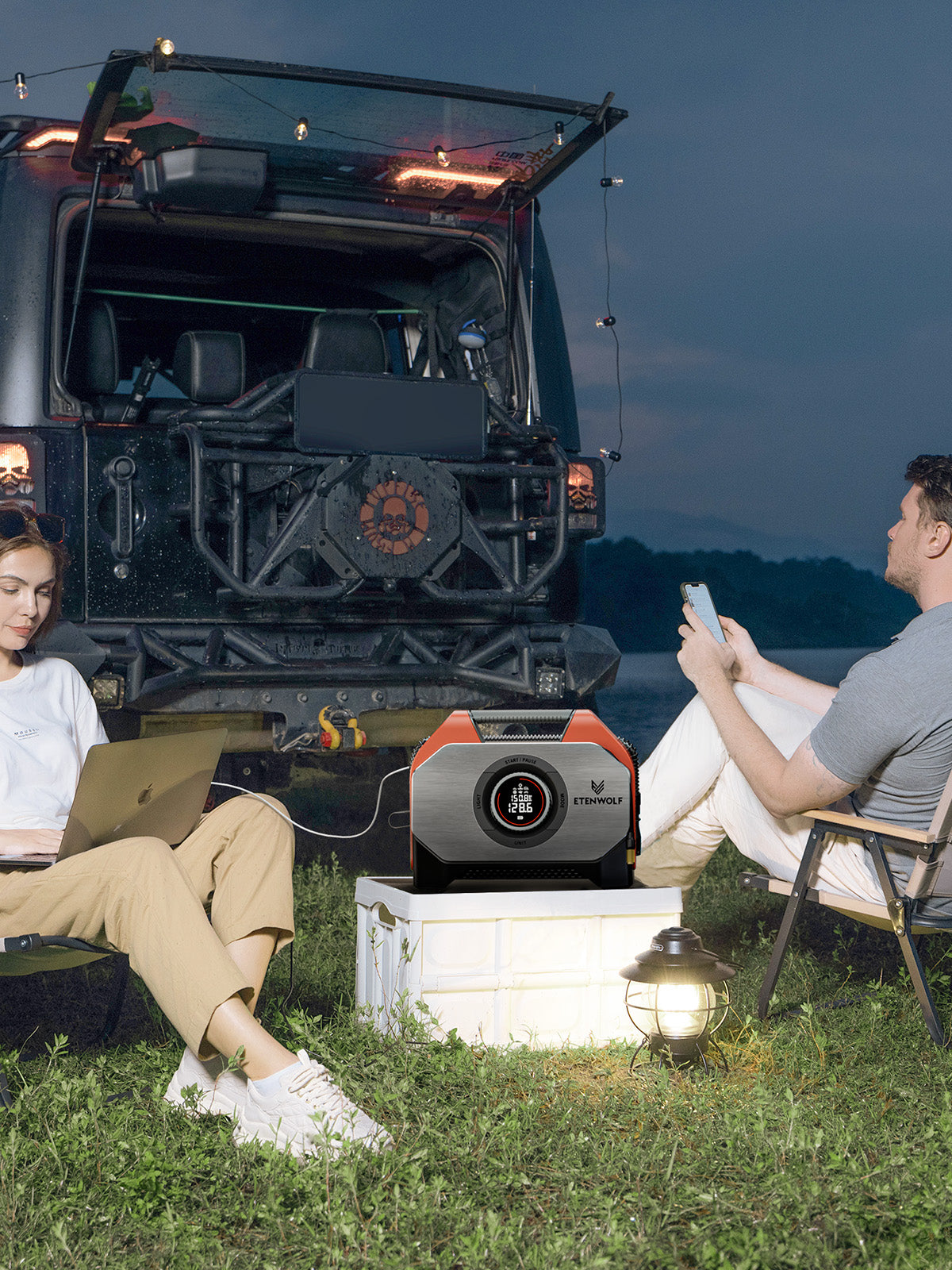
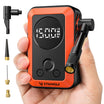
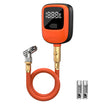
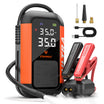
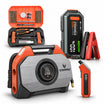
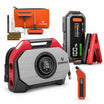
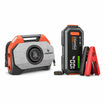
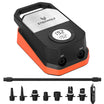
The ETENWOLF Vortex S7 Heavy Duty Tire Inflator is designed for larger, higher-volume tires.
It combines dual 260W motors, 52 L/min (1.85 CFM at 0 PSI) airflow, and a 38,400mAh rechargeable battery.
Its digital pressure display, ±1 PSI rated accuracy, and automatic shutoff help drivers make routine pressure adjustments without relying on a nearby service-station compressor.
The S7 also features dedicated cooling for demanding inflation tasks.
For larger tires, airflow and battery endurance can be especially important. We explored those differences in Why Your Tire Inflator Struggles With Truck and Trailer Tires.

The S7 isn't an EPS repair tool, and it's not something every driver needs.
Its value is more straightforward: helping drivers maintain appropriate tire pressure as part of routine vehicle care.
And sometimes, when the steering feels a little different, checking tire pressure is a sensible place to begin.
How Can You Help Keep Your Steering System in Good Condition?
Conventional EPS doesn't require hydraulic fluid changes, but there's still preventive maintenance worth doing.
Pay attention to warning lights, changes in steering effort, and unusual noises. Have the steering and suspension inspected at the intervals recommended by your vehicle manufacturer.
Keep the battery and charging system in good condition, particularly if your vehicle relies on electrically assisted steering.
Don't ignore damaged steering boots, loose components, or signs of impact damage after hitting a pothole.
And keep your tires properly inflated and in good condition.
We covered these broader habits in How to Make Your Car Last Longer: A Preventive Maintenance Guide.

A little attention won't eliminate every unexpected repair, but it can help you notice developing problems before they become more serious.
Final Thoughts: Easy Steering Doesn't Mean Maintenance-Free
Electric power steering has made one of the most ordinary driving tasks almost effortless.
We turn into parking spaces, follow winding roads, and make small corrections on the highway without giving the steering system much thought.
Behind that familiar movement is a combination of sensors, electronics, an electric motor, and mechanical steering components working together.
When something changes, it's worth paying attention.
Sometimes the problem is electrical. Sometimes it's mechanical. And sometimes the first useful clue is something as ordinary as a tire that's low on air.
The important thing is knowing the difference.
A warning light deserves proper diagnosis. A damaged steering component needs professional attention. A tire that's genuinely underinflated needs the correct pressure.
Taking care of your car doesn't mean knowing how to repair everything yourself.
It means noticing when something feels wrong—and knowing what to check next.
FAQs
What Is Electric Power Steering?
Electric power steering (EPS) is a system that uses an electronically controlled motor to assist the driver in turning the vehicle's wheels. Unlike traditional hydraulic power steering, conventional EPS doesn't rely on hydraulic pressure to provide steering assistance.
How Does Electric Power Steering Work?
When the driver turns the steering wheel, a torque sensor detects the steering input. An electronic control unit calculates how much assistance is needed and commands an electric motor to provide additional torque through the steering mechanism.
The amount of assistance can vary according to vehicle speed and other conditions.
Does Electric Power Steering Need Fluid?
Most conventional EPS systems do not need power steering fluid because they use an electric motor instead of hydraulic pressure.
However, electro-hydraulic power steering (EHPS) systems still require hydraulic fluid because an electric motor drives a hydraulic pump.
What Is an Electric Power Steering Pump?
The term often refers to an electrically driven hydraulic pump used in electro-hydraulic power steering systems.
A conventional EPS system uses an electric assist motor and typically doesn't have a hydraulic steering pump.
Why Is My Electric Power Steering Suddenly Stiff?
Sudden heavy steering may be caused by reduced power steering assistance, an electrical problem, sensor or control faults, or mechanical steering issues.
Some vehicles also temporarily reduce EPS assistance during thermal protection.
If steering becomes unexpectedly difficult, stop safely and follow the manufacturer's instructions.
What Does the EPS Warning Light Mean?
An EPS warning light indicates that the vehicle has detected a possible problem involving the electric power steering system or a related condition.
The exact meaning varies by vehicle.
Follow the owner's manual, stop safely if required, and arrange diagnosis rather than assuming the light identifies a particular failed component.
Can You Drive With a Failed Electric Power Steering System?
Some conventional EPS vehicles retain mechanical steering after electrical assistance is lost, but much greater effort may be required.
Other steering architectures have different safety characteristics.
A serious steering fault may compromise vehicle control. Do not assume continued driving is safe; follow the vehicle's warning instructions and seek professional assistance.
Can a Weak Battery Cause Electric Power Steering Problems?
Yes. In some vehicles, low voltage or charging-system problems can reduce steering assistance or trigger EPS-related warnings.
However, a weak battery is only one possible cause, and proper diagnosis is necessary before replacing components.
Can Low Tire Pressure Affect Steering Feel?
Yes. Underinflated or unevenly inflated tires can influence handling, steering response, and the tendency of a vehicle to pull to one side.
However, tire pressure does not explain every steering symptom and cannot repair an EPS system fault.


Leave a comment
All comments are moderated before being published.
This site is protected by hCaptcha and the hCaptcha Privacy Policy and Terms of Service apply.