
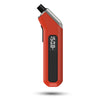
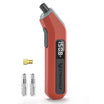
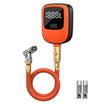
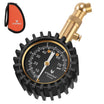


When a tire loses pressure, most drivers only think about one question: “How can I put air back into my tire?”
For some people, the answer is a traditional air compressor sitting in the garage. For others, a compact cordless tire inflator stored in the trunk is a much more practical solution, especially when a gas station air pump is unavailable during roadside emergencies. (Source)
At first glance, air compressors and tire inflators seem to do the same job — moving air into a tire. However, they are designed for very different purposes. A large air compressor can power tools, handle workshop tasks, and operate for long periods, while a portable tire inflator focuses on convenience, mobility, and emergency tire maintenance.
So, which one is better for your vehicle?
The answer depends on how you use your vehicle, where you store your equipment, and whether you need professional-level power or everyday convenience.
What Is an Air Compressor?

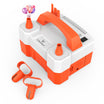
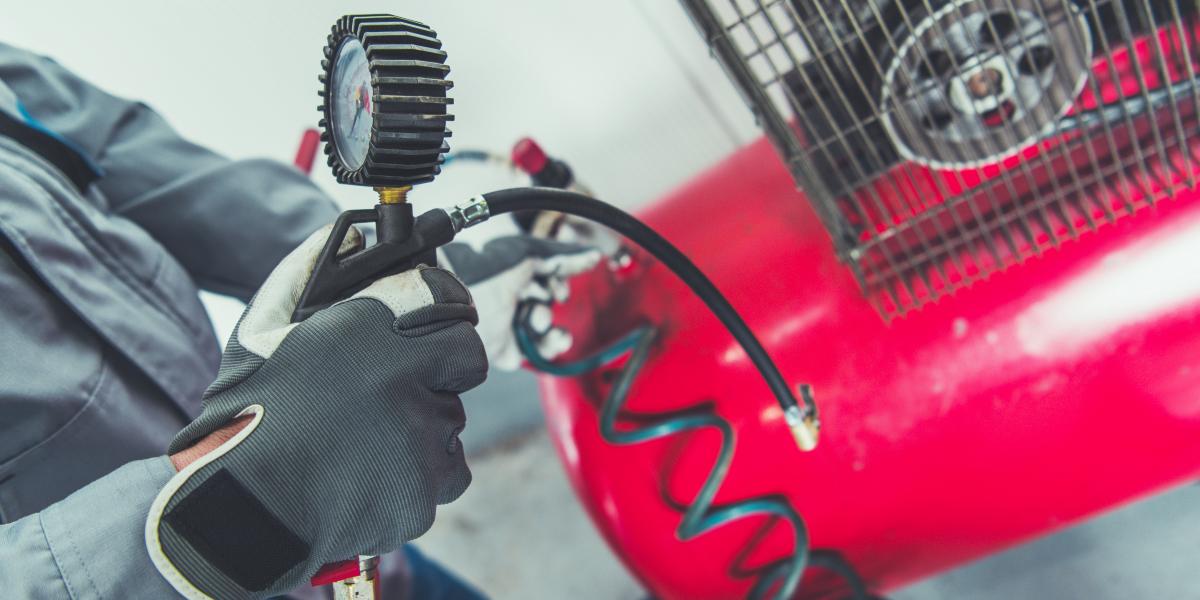
An air compressor is a machine that uses an electric motor or engine to compress and store air inside a tank. When connected to a tool or hose, the stored compressed air can provide continuous airflow for different applications.
Traditional air compressors are commonly used in:
· Automotive repair shops
· Home garages
· Construction sites
· Manufacturing facilities
· DIY projects
According to the U.S. Department of Energy, compressed air systems are widely used in industrial environments and can account for a significant portion of electricity consumption in manufacturing facilities. This is because compressors are designed to provide continuous air power rather than simply filling a tire. (Source)
For vehicle owners, a garage air compressor can be useful for more than tires. It can operate:
· Air tools
· Nail guns
· Spray equipment
· Cleaning tools
· Pneumatic equipment
However, these advantages also come with trade-offs. Most air compressors are larger, heavier, require more maintenance, and usually need a stable power source.
Different Types of Air Compressors: Oil vs Oil-Free
Not all air compressors are the same. The two most common types are oil-lubricated air compressors and oil-free air compressors.
Understanding the difference helps determine whether a traditional compressor is suitable for your needs.
Oil-Lubricated Air Compressor: Powerful but Requires Maintenance
Oil-lubricated compressors use oil inside the pump system to reduce friction between moving parts.
Advantages of Oil-Lubricated Compressors
Longer Service Life
Because oil reduces friction and heat buildup, these compressors are often preferred for heavy-duty applications where the machine runs frequently.
Better for Continuous Operation
Professional mechanics and workshops often choose oil-lubricated compressors because they are designed for repeated use.
Lower Operating Noise
Many oil-lubricated models operate more smoothly compared with smaller oil-free designs.
Disadvantages of Oil-Lubricated Compressors
However, oil-based compressors are not maintenance-free.
They require:
· Regular oil changes
· Filter maintenance
· Proper storage
· Monitoring for oil contamination
For a professional garage, this maintenance is acceptable. For an average driver who simply wants to maintain tire pressure, it may be unnecessary work.
Oil-Free Air Compressor: Easier Maintenance but Limited Use
Oil-free compressors eliminate the need for lubrication oil.
Advantages
Less Maintenance
Since there is no oil system, users do not need to perform regular oil changes.
Cleaner Operation
Oil-free compressors are useful when oil contamination could be a concern.
Lower Entry Cost
Many home users choose oil-free compressors because they are affordable and simple.
Disadvantages
However, oil-free does not mean maintenance-free.
Common disadvantages include:
· Higher operating temperature
· Louder operation
· Shorter lifespan under heavy use
· Still requiring an electrical outlet
An oil-free compressor may work well in a garage, but it is not always convenient when you are dealing with a low tire pressure situation on the roadside.
What Is a Tire Inflator?

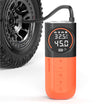
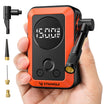
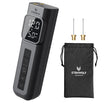
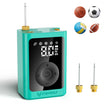
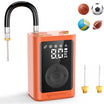
A tire inflator is a compact air pump specifically designed for maintaining vehicle tire pressure.
Unlike traditional air compressors, tire inflators are built around portability and convenience.
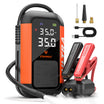
Modern portable tire inflators usually include:
· Digital pressure display
· Automatic shutoff
· Preset pressure settings
· Rechargeable batteries
· LED emergency lights
According to the National Highway Traffic Safety Administration (NHTSA), maintaining proper tire pressure is an important part of vehicle safety because underinflated tires can negatively affect handling, tire wear, and fuel efficiency. (Source)
A tire inflator allows drivers to check and correct tire pressure anytime without searching for a gas station or connecting to a large compressor.
Air Compressor vs Tire Inflator: Main Differences
| Feature | Air Compressor | Cordless Tire Inflator |
|---|---|---|
| Main Purpose | Workshop and professional use | Vehicle tire maintenance |
| Power Source | Electricity or gasoline engine | Rechargeable battery |
| Portability | Large and heavy | Compact and portable |
| Maintenance | Higher | Minimal |
| Continuous Operation | Excellent | Depends on model |
| Roadside Emergency | Not convenient | Excellent |
| Tire Pressure Checking | Requires additional tools | Usually built-in |
| Storage | Garage | Vehicle trunk |
The biggest difference is simple:
An air compressor is designed to stay in one place. A tire inflator is designed to go wherever your vehicle goes.
Choosing the right inflation tool also depends on your vehicle type, tire size, and driving habits.
Who Should Choose an Air Compressor?
A traditional air compressor may be the better choice if you:
Own a Workshop or Garage
If you regularly repair vehicles, an air compressor provides the power needed for professional tools.
Use Pneumatic Tools
For:
· Impact wrenches
· Air ratchets
· Spray guns
a tire inflator cannot replace a full compressor.
Maintain Multiple Vehicles Frequently
Fleet owners or mechanics who service multiple vehicles every day may benefit from the higher airflow capacity of a compressor.
Who Should Choose a Cordless Tire Inflator?
For most everyday drivers, a portable tire inflator is often the more practical choice.
It is ideal for:
Daily Drivers
Low tire pressure can happen anytime due to temperature changes, slow leaks, or normal air loss.
A cordless inflator allows you to fix the problem immediately.
Truck and SUV Owners
Larger tires require more airflow. A quality heavy-duty tire inflator can help maintain proper pressure without needing a workshop compressor.
RV and Off-Road Enthusiasts
When traveling away from civilization, portability matters.
A garage compressor cannot help when you are:
· Camping
· Driving trails
· Traveling long distances
A cordless inflator can stay inside your vehicle and be available whenever needed.
Off-road enthusiasts especially need to understand tire pressure management because different terrains require different PSI settings. (Source)

Why Maximum PSI Does Not Tell the Whole Story
Many buyers make one mistake when choosing a tire inflator (Source):
They only look at the maximum PSI number.
For example, a small inflator may advertise:
“160 PSI Maximum Pressure”
However, maximum PSI does not mean the machine can efficiently inflate every tire.
Performance depends on:
· Motor power
· Airflow rate (CFM or L/min)
· Cooling system
· Battery capacity
· Duty cycle
A heavy-duty truck tire requires much more work than a small passenger vehicle tire.
This is why some portable inflators slow down, overheat, or automatically shut off when used on larger tires.

Why ETENWOLF Vortex S7 Is Built for Heavy-Duty Vehicles
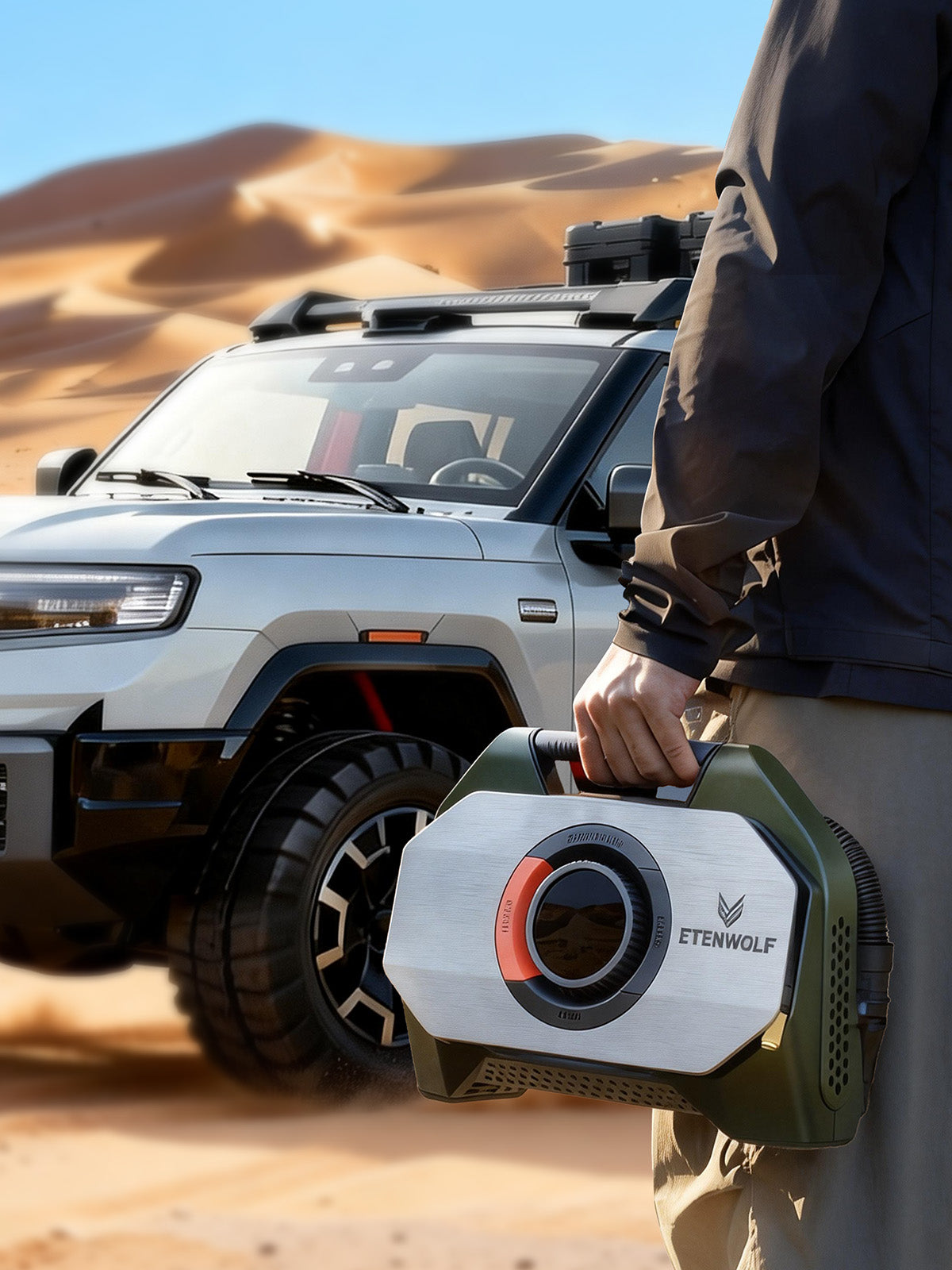
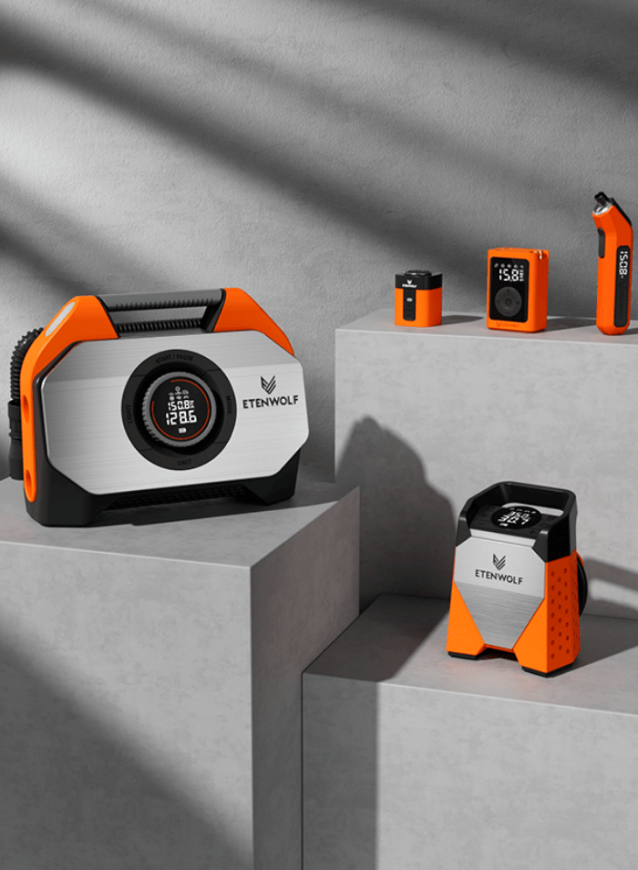
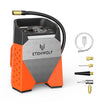
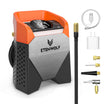
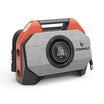
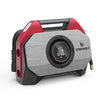
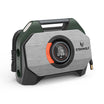
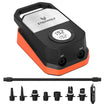
For drivers who want the portability of a tire inflator but need performance closer to a workshop compressor, the ETENWOLF Vortex S7 Heavy Duty Tire Inflator Air Compressor was designed for demanding situations.
Unlike small emergency pumps designed mainly for passenger vehicles, the S7 focuses on high-performance inflation.
260W Dual Motors and High Airflow

The Vortex S7 uses dual motors producing:
· 260W power
· 1.85 CFM airflow at 0 PSI
· 52 L/min airflow
This allows it to inflate a 215/55R17 (pickup truck tire): Takes only 3 minutes to inflate from 0 to 35 psi.
For truck owners, this means less waiting time when adjusting tire pressure before or after off-road driving.
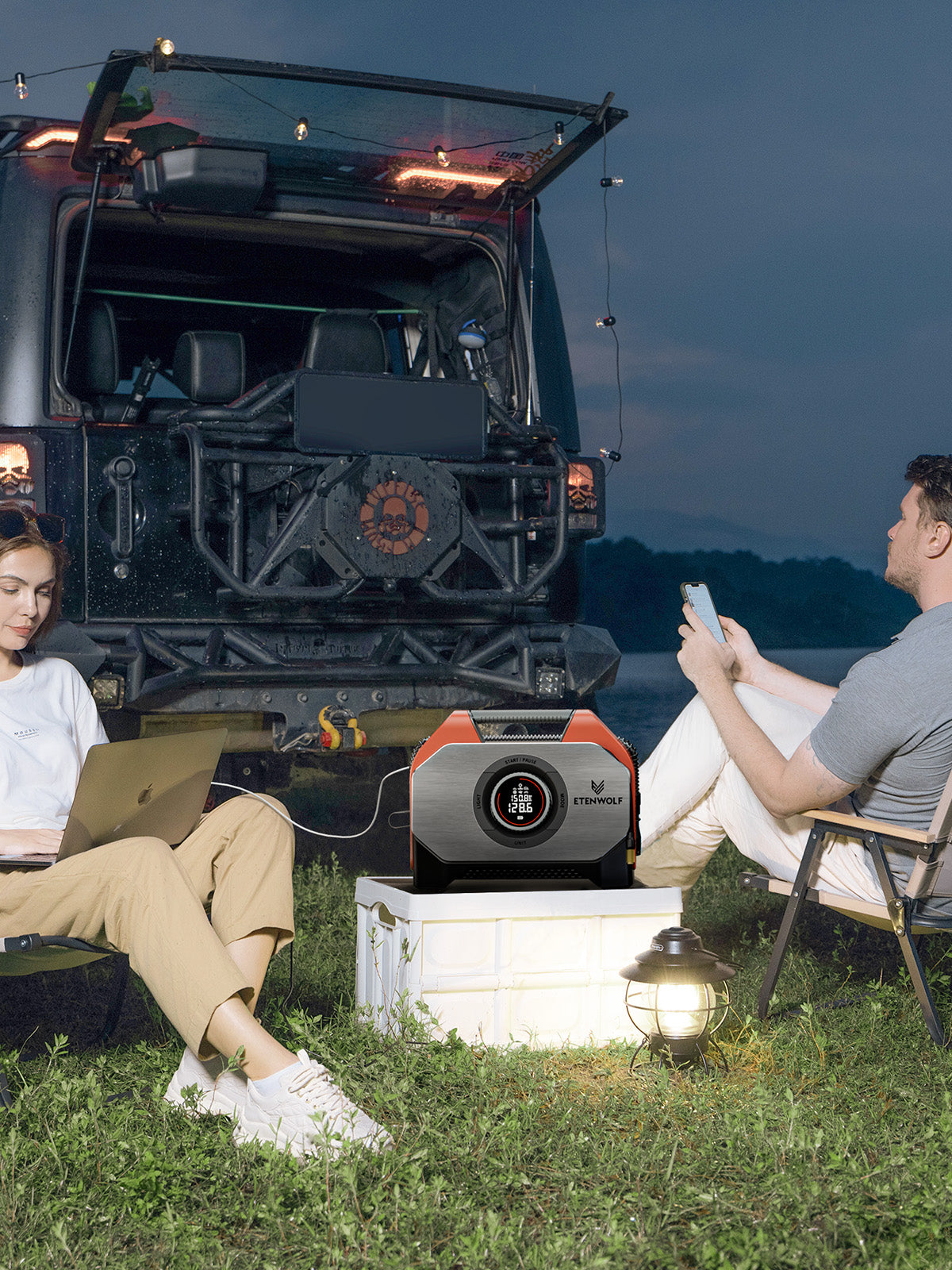
38,400mAh Battery for True Cordless Operation

One major limitation of traditional air compressors is dependence on power outlets.
The S7 solves this with a built-in:
· 38,400mAh lithium battery
· USB-C 45W two-way fast charging capability
A full charge can inflate multiple truck tires, making it suitable for:
· Pickup trucks
· SUVs
· RVs
· Off-road vehicles
Designed for Continuous Inflation

Heavy-duty tires require more than high pressure.
They require heat management.
The S7 features:
· Dual-cylinder construction
· Dedicated cooling system
· 100% duty cycle design
This helps reduce the risk of overheating during longer inflation sessions.
Accurate Pressure Control
The S7 automatically stops when reaching the target pressure.
The digital display shows:
· Current pressure
· Target pressure
with gauge accuracy of approximately ±1 PSI.
This makes it easier to maintain consistent tire pressure, especially for vehicles where correct inflation directly affects handling and tire wear.
Final Thoughts: Air Compressor or Tire Inflator?
Choosing between an air compressor and a tire inflator depends on your situation.
If you need a machine for a garage, professional repair work, or pneumatic tools, a traditional air compressor is still the right choice.
However, if your priority is vehicle safety, convenience, and being prepared wherever you drive, a cordless tire inflator is often the smarter option.
For everyday drivers, truck owners, RV travelers, and off-road enthusiasts, portability can matter more than having the largest machine.
A reliable tire inflator is not about replacing a workshop compressor. It is about having the right tool available when you actually need it.
Whether you are checking tire pressure before a road trip, adjusting tires for off-road conditions, or dealing with unexpected low pressure far from home, a capable cordless tire inflator can provide peace of mind.
FAQs
Can a tire inflator replace an air compressor?
For tire maintenance, yes. For operating air tools or workshop equipment, no.
Which is better for truck tires, an air compressor or a tire inflator?
For truck owners who need portability, a heavy-duty cordless tire inflator is often more convenient. A workshop air compressor is better for professional daily use.
Are cordless tire inflators powerful enough for SUVs?
High-performance models designed for heavy-duty vehicles can handle SUV and truck tires. Always check airflow rate, motor power, and battery capacity rather than only PSI ratings.
Do oil air compressors require maintenance?
Yes. Oil-lubricated compressors require regular oil changes and maintenance to keep the system operating properly.
Are oil-free compressors maintenance-free?
No. They require less maintenance than oil-based models but still need proper care and storage.
What is more convenient for roadside emergencies?
A cordless tire inflator is usually more convenient because it does not require an electrical outlet or another power source.
Can I leave a cordless tire inflator in my car?
Yes, but it should be stored properly and charged periodically to ensure it is ready when needed.
How often should I check my tire pressure?
Most experts recommend checking tire pressure at least once a month and before long trips.
What should I look for in a heavy-duty tire inflator?
Look for:
· Strong motor performance
· High airflow
· Large battery capacity
· Cooling system
· Accurate pressure control
· Reliable construction
A higher PSI number alone does not guarantee better performance.


Leave a comment
All comments are moderated before being published.
This site is protected by hCaptcha and the hCaptcha Privacy Policy and Terms of Service apply.