



Buying your first motorcycle is an exciting moment.
For many riders, it is not just about transportation. It represents freedom, independence, and the feeling of being connected directly with the road. Unlike driving a car, riding a motorcycle requires balance, coordination, and constant awareness because the rider is part of the machine.
But the excitement of owning a motorcycle can sometimes make beginners overlook the basics.
Questions like:
· Do I need a motorcycle license?
· Is learning to ride difficult?
· How do I shift gears?
· What mistakes do new riders commonly make?
· How important is motorcycle tire pressure?
are questions almost every new rider asks before their first serious ride.
Understanding these basics before turning the throttle can make the difference between an enjoyable riding experience and an unnecessary accident.
Do You Need a Motorcycle License in the US?

The short answer is yes, but the exact requirements depend on your state.
Unlike some vehicle regulations that are consistent nationwide, motorcycle licensing rules are controlled by individual state governments. In most states, riders need either a motorcycle endorsement added to their driver's license or a separate motorcycle license.
The typical process includes:
· Passing a motorcycle knowledge test
· Obtaining a motorcycle learner permit
· Completing a riding skills test
· Meeting age requirements
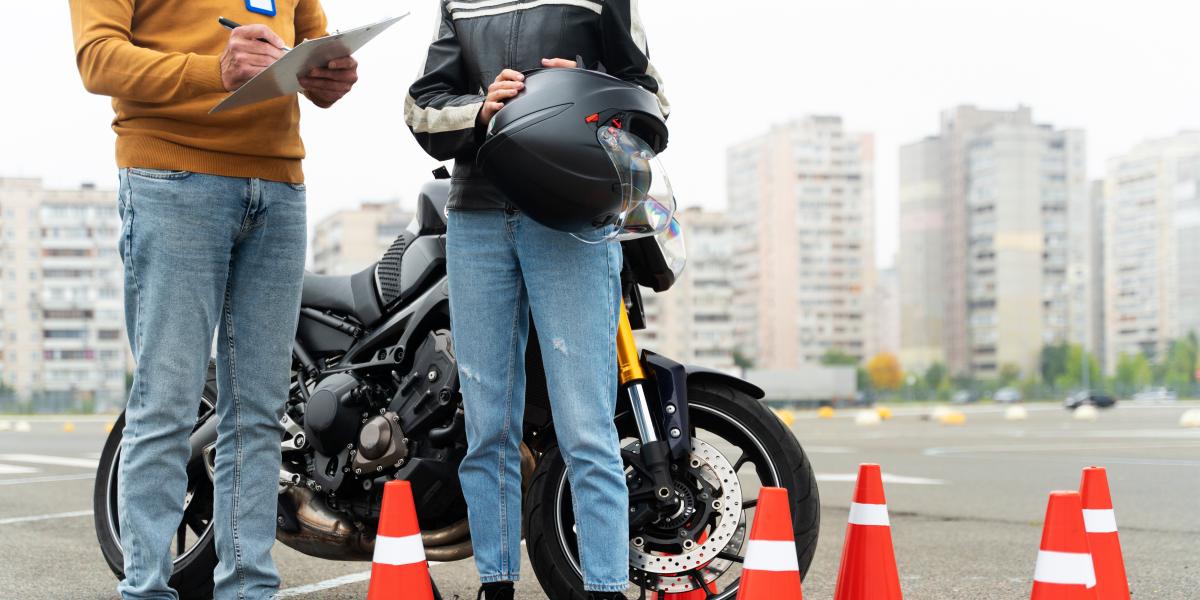
The Motorcycle Safety Foundation (MSF) works with many states to provide rider education programs, including beginner courses designed for people with little or no motorcycle experience.
According to the MSF, rider training helps beginners develop fundamental skills such as braking, cornering, and hazard avoidance before riding in real traffic. (Source)
The best approach for a new rider is not simply asking, "Can I legally ride?" but also asking:
"Am I prepared to handle the motorcycle safely?"
Is Getting a Motorcycle License Difficult?
Many beginners worry that getting a motorcycle license will be difficult.
The reality is that the written portion is usually straightforward. The bigger challenge is developing physical control of the motorcycle.
A motorcycle requires skills that are different from driving a car:
· Managing the clutch smoothly
· Controlling low-speed balance
· Using front and rear brakes correctly
· Looking through turns instead of directly in front of the bike
The riding test is usually designed to check whether a rider can control the motorcycle rather than test advanced riding techniques.
For beginners, professional training is often the fastest way to build confidence.
A few hours practicing in a parking lot can prevent mistakes that could happen on busy roads.
How Does a Motorcycle Transmission Work?

One of the biggest differences between cars and motorcycles is the transmission.
Most traditional motorcycles use a manual transmission with:
· Left hand: clutch lever
· Left foot: gear shifter
· Right hand: throttle
· Right foot: rear brake
The basic shifting pattern on many motorcycles is:
1st gear → Neutral → 2nd → 3rd → 4th → 5th → 6th
To move:
1. Pull in the clutch
2. Select first gear
3. Slowly release the clutch
4. Add throttle gradually
New riders often struggle because they release the clutch too quickly or give too much throttle.
Motorcycles respond immediately, so smooth control is more important than speed.
Common Mistakes New Motorcycle Riders Make
New riders often underestimate how small mechanical issues can affect stability. Problems such as incorrect tire pressure, worn tires, or wheel-related issues can contribute to motorcycle instability and unwanted wobble.
1. Choosing a Motorcycle That Is Too Powerful
Many beginners are attracted to large cruisers or high-performance motorcycles.
However, a heavier motorcycle requires more effort at low speeds.
A motorcycle that feels impressive in a showroom may feel difficult when:
· Parking
· Making U-turns
· Riding slowly through traffic
Learning on a manageable motorcycle allows riders to build confidence.
2. Looking Down Instead of Looking Ahead
A motorcycle follows the rider's eyes.
One common beginner mistake is focusing directly on obstacles.
Experienced riders look through corners and toward where they want the motorcycle to go.
This simple habit improves control.
3. Braking Incorrectly
Motorcycles rely heavily on proper braking technique.
New riders sometimes:
· Use only the rear brake
· Grab the front brake suddenly
· Panic during emergency situations
Learning progressive braking is one of the most important skills.
4. Ignoring Tire Condition and Tire Pressure
This is one mistake that many beginners do not realize.
A motorcycle only has two tires connecting it to the road.
A car can still remain relatively stable if one tire has slightly different pressure.
A motorcycle depends heavily on both tires working correctly.
According to the NHTSA, tire-related problems are an important factor in motorcycle safety because tire condition directly affects handling, braking, and stability. (Source)
Why Motorcycle Tire Pressure Matters More Than Many Beginners Think
Many new riders check fuel before a ride but forget tire pressure.
That can be a serious mistake.
Incorrect tire pressure can affect:
Handling
Low pressure changes the shape of the tire.
This can make the motorcycle feel:
· Heavy during turns
· Less predictable
· Harder to control
Braking Performance
The tires are responsible for transferring braking force to the road.
Incorrect pressure reduces the tire's ability to maintain optimal contact.
Tire Temperature
Underinflated tires flex more while riding.
More flex creates more heat buildup.
This becomes especially important during:
· Highway riding
· Long-distance trips
· Hot weather
The Tire Industry Association recommends regular tire pressure checks because proper inflation helps improve safety and tire life. (Source)
How Often Should Motorcycle Tires Be Checked?
For beginners, checking tire pressure before every ride is a good habit.
This is especially important when:
· The motorcycle has been parked for several days
· Temperature changes significantly
· Preparing for a long ride
· Riding at highway speeds
Tires naturally lose pressure over time, even without visible damage.
A slow pressure drop does not always mean a tire is damaged.
It can happen because of:
· Temperature changes
· Valve leaks
· Natural air loss
Why a Portable Tire Inflator Is Useful for Motorcycle Riders
A traditional floor pump works well in a garage.
But motorcycles are often used for:
· Weekend rides
· Long-distance trips
· Camping adventures
· Scenic routes far away from cities
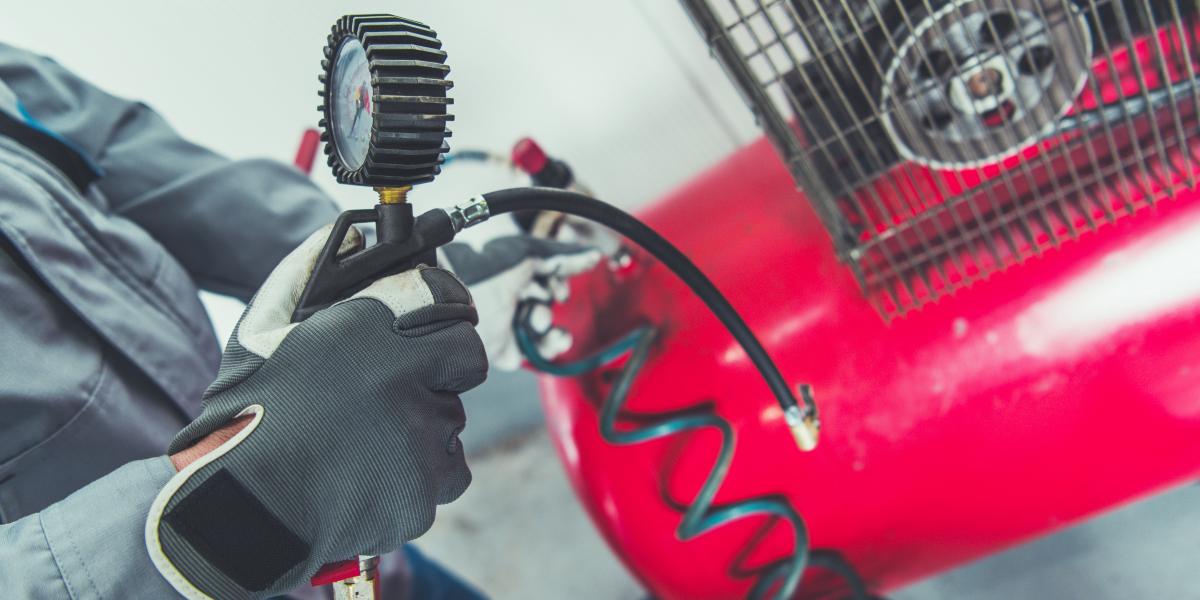
Carrying a compact inflator gives riders a simple way to check and adjust pressure wherever they are.
This is where a small electric tire inflator becomes practical.
The goal is not to replace professional tire service.
The goal is preventing a small tire pressure problem from becoming a roadside problem.
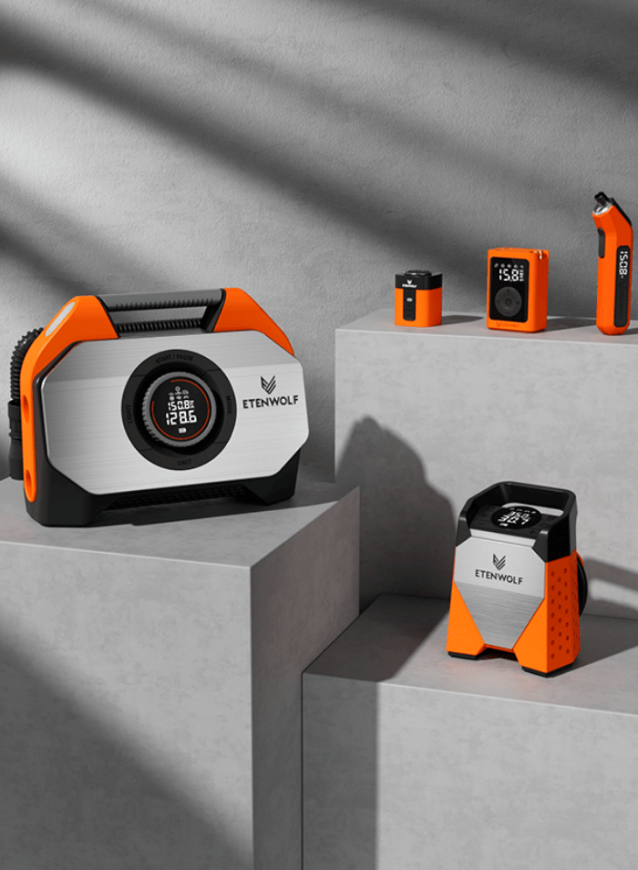
ETENWOLF S1: A Compact Tire Inflator for Everyday Riders

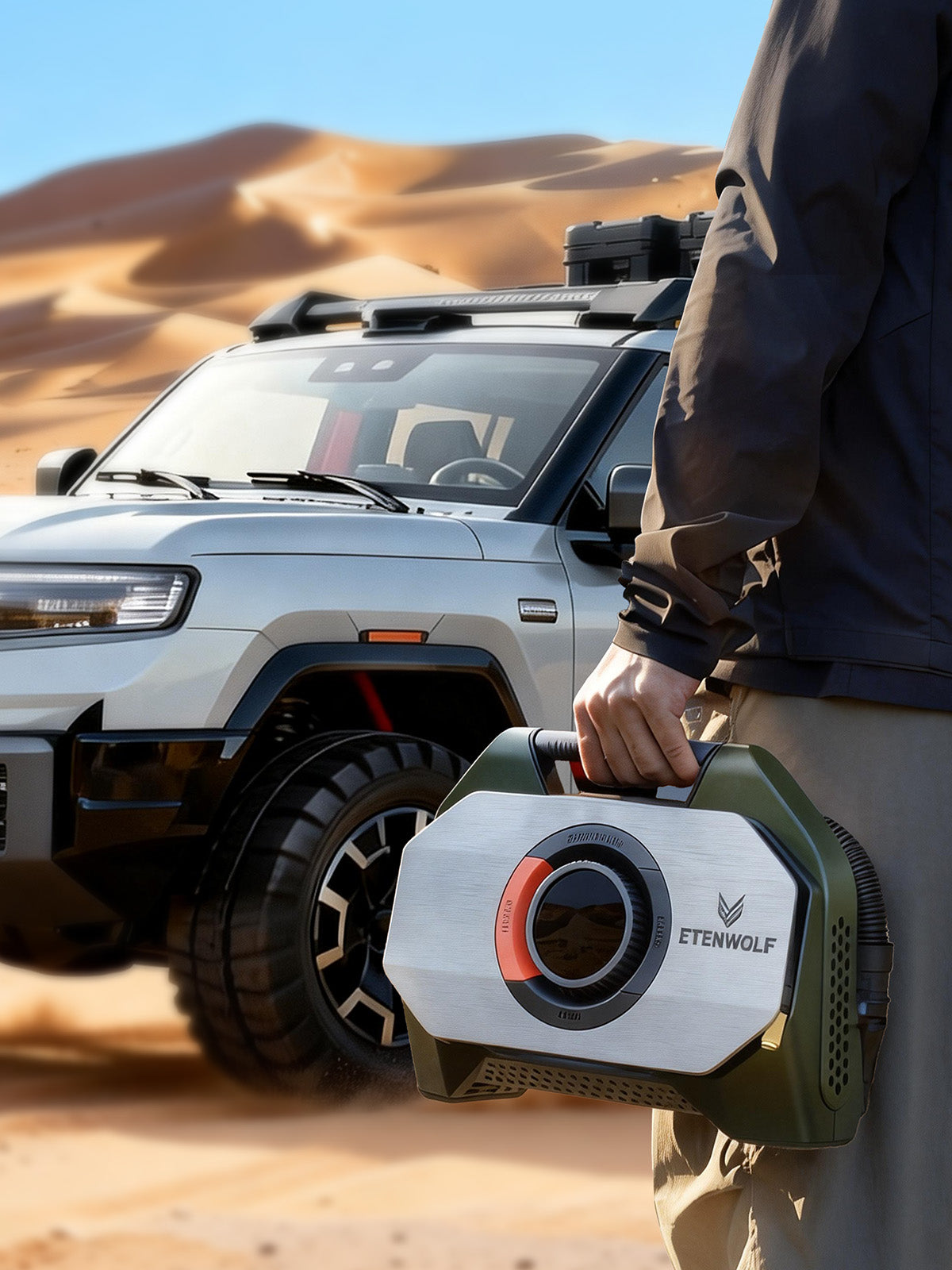
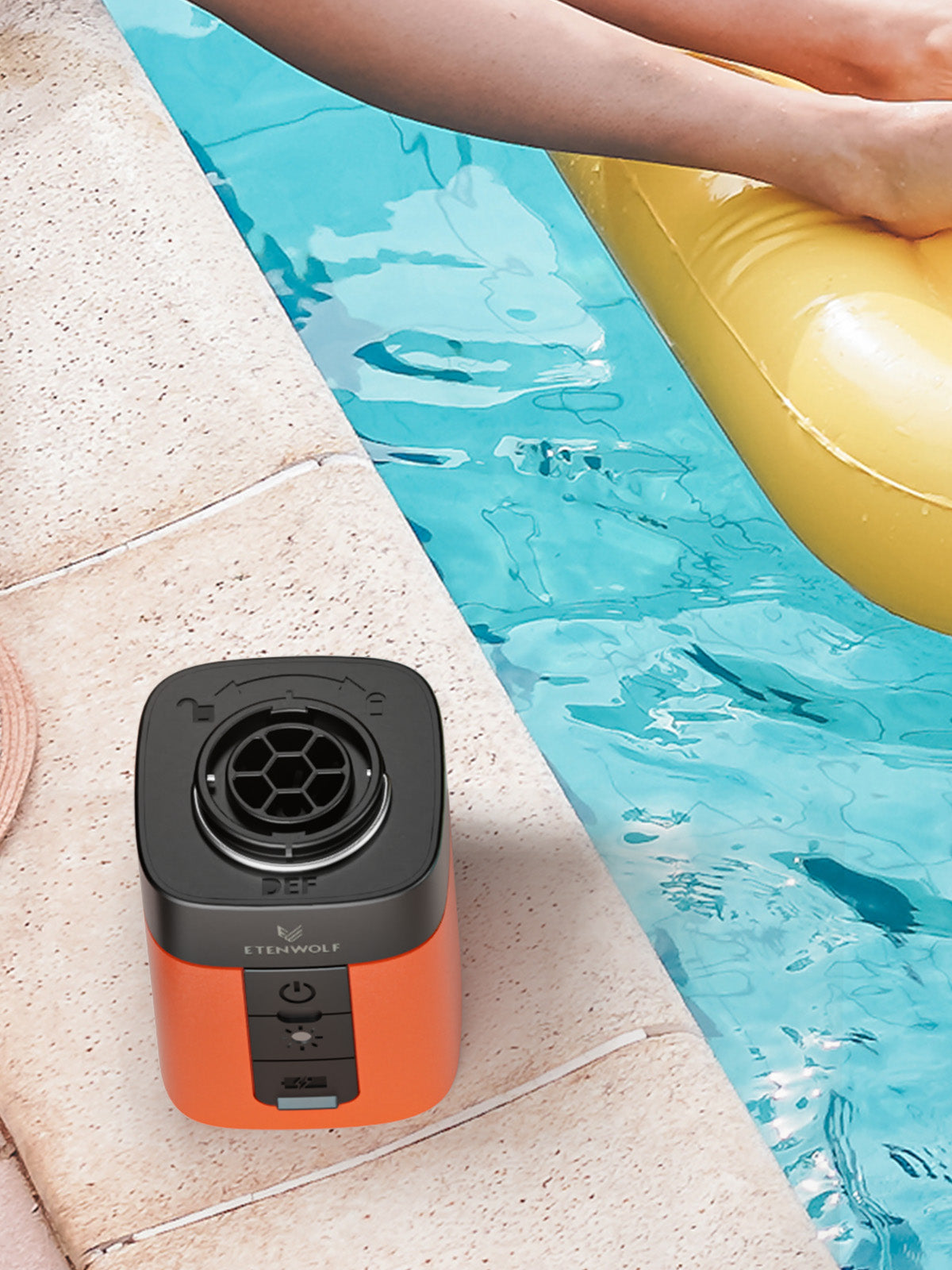
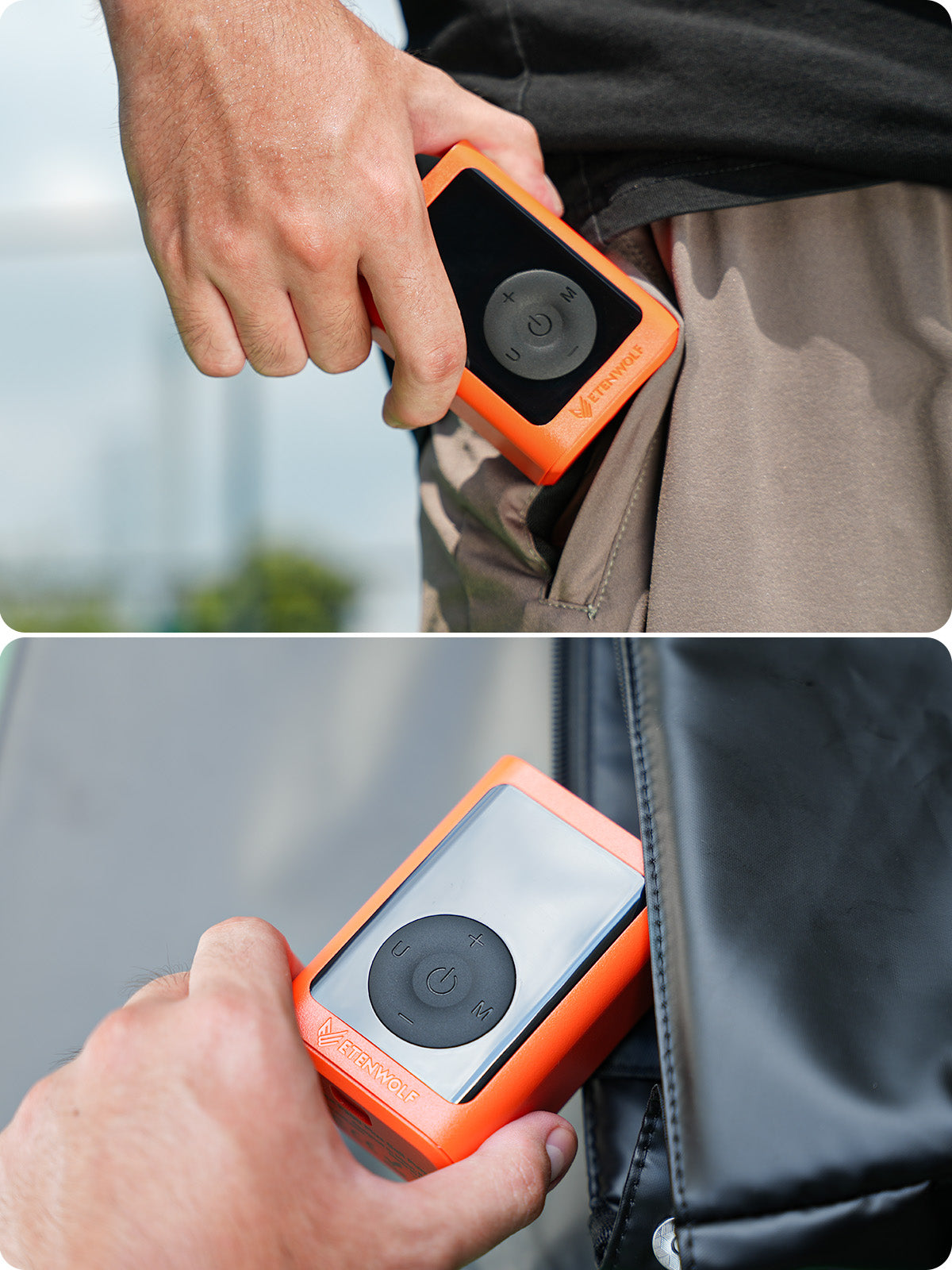
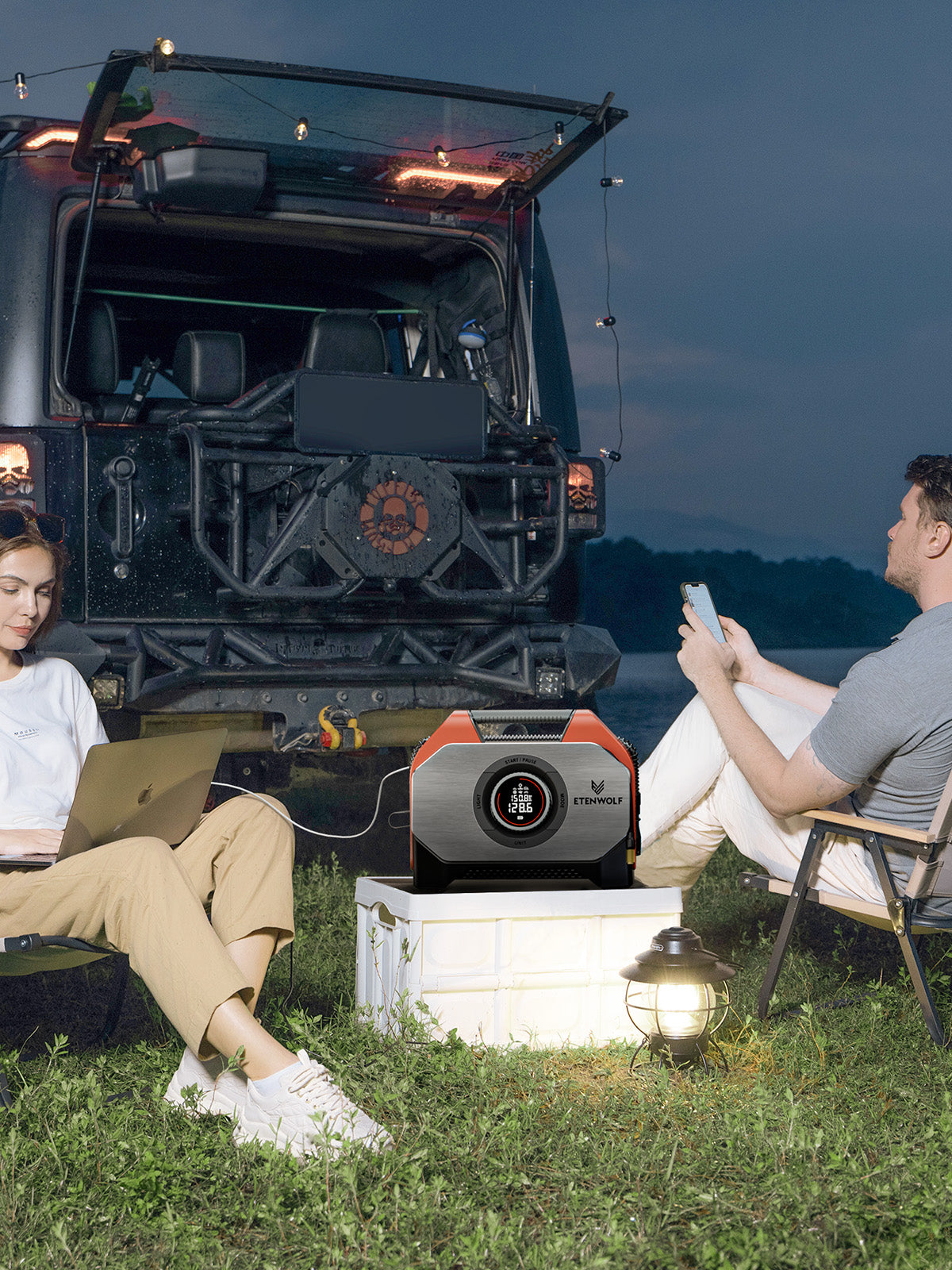
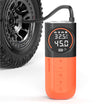
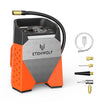
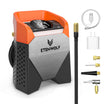
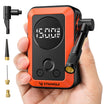
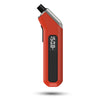
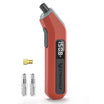
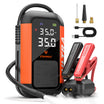
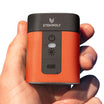
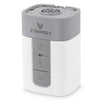
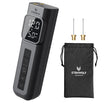
For motorcycle riders who want a lightweight solution, the ETENWOLF S1 Portable Tire Inflator is designed around portability and convenience.
Unlike large workshop compressors, S1 is small enough to store in:
· Motorcycle luggage
· Backpack
· Saddle bag
· Vehicle storage compartment
Its high-performance motor delivers up to 160 PSI with a 20L/min airflow rate, allowing it to inflate a 195/65R15 car tire from 30 to 35 PSI in about 60 seconds.
For motorcycle use, the advantages are simple:
· Compact design
· Built-in battery
· Digital pressure display
· Automatic shutoff
· Real-time PSI monitoring
The 5200mAh battery can inflate up to 60 motorcycle tires on a single charge, making it suitable for riders who want an emergency backup during trips.
The built-in hose storage and accessory slots also help prevent losing small parts while traveling.
For riders who switch between motorcycles, bicycles, and other equipment, S1 also supports different inflation needs with its preset modes and pressure memory function.

Final Thoughts: Small Checks Create Better Riding Experiences
Learning to ride a motorcycle is about much more than controlling the throttle.
A responsible rider understands:
· Licensing requirements
· Basic riding skills
· Proper gear
· Motorcycle maintenance
Among all maintenance tasks, tire pressure is one of the simplest but most overlooked.
A motorcycle can have advanced suspension, powerful brakes, and impressive performance, but none of that matters if the tires cannot maintain proper contact with the road.
Before every ride, a few minutes checking tire pressure can help beginners ride with more confidence.
The first motorcycle adventure should be remembered for the places you visited, not the problems you encountered along the way.
FAQs
Do you need a motorcycle license in the US?
Yes. Most states require a motorcycle endorsement, motorcycle license, or permit before legally riding on public roads. Requirements vary by state.
Is getting a motorcycle license hard?
The written test is usually manageable, but learning motorcycle control requires practice. Beginner training courses can make the process easier.
How long does it take to learn to ride a motorcycle?
Some riders learn basic control within days, but developing safe riding habits takes continued practice.
How do you shift gears on a motorcycle?
Most motorcycles use a clutch operated by the left hand and a foot shifter operated by the left foot. Riders shift sequentially through gears.
What is the biggest mistake beginner motorcycle riders make?
Common mistakes include riding beyond their skill level, poor braking habits, and ignoring motorcycle maintenance.
How often should motorcycle tire pressure be checked?
Ideally, check tire pressure before every ride, especially before long-distance trips.
Can low tire pressure cause a motorcycle accident?
Low tire pressure can negatively affect handling, braking, and tire temperature, increasing safety risks.
Can I use a car tire inflator on a motorcycle?
Yes. A suitable portable tire inflator can work on motorcycle tires as long as it supports the required pressure and valve type.
Is the ETENWOLF S1 suitable for motorcycles?
Yes. S1 is designed for cars, SUVs, motorcycles, bicycles, and sports balls. Its compact size makes it convenient for motorcycle riders.
Should beginner motorcycle riders carry a tire inflator?
Carrying a compact tire inflator can be useful, especially for riders who travel long distances or ride in areas where service stations are limited.

Leave a comment
All comments are moderated before being published.
This site is protected by hCaptcha and the hCaptcha Privacy Policy and Terms of Service apply.