



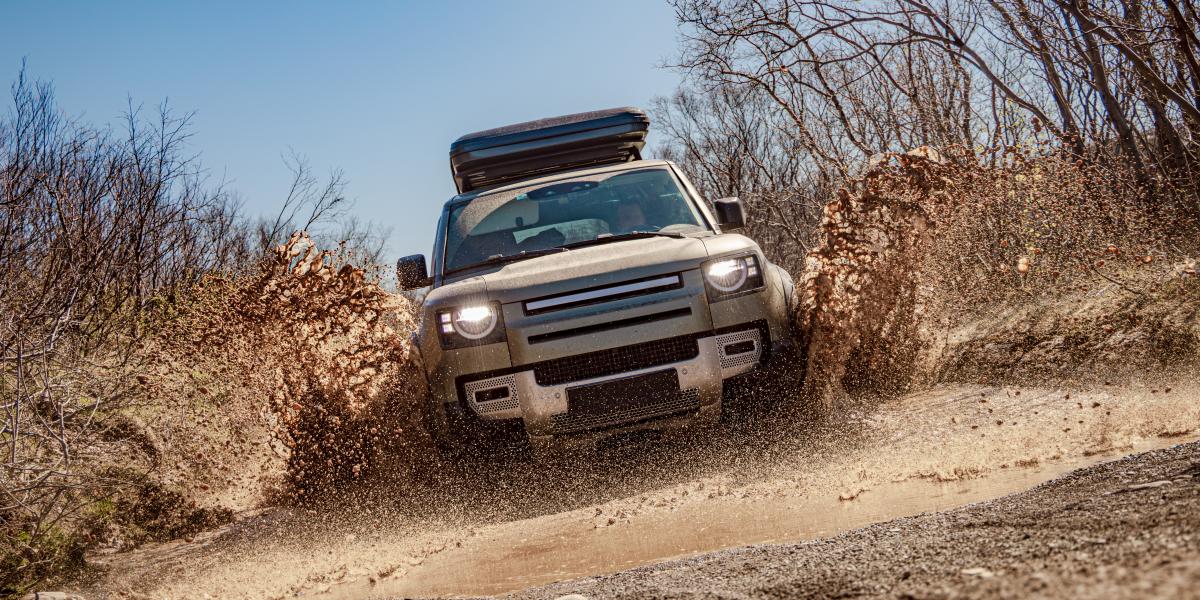
Off-road travel - where the tarmac ends and adventure begins. There's something immensely appealing to dropping down a dirt trail and losing all signals as traffic and civilisation fade into the background and pure, unadulterated wilderness unfolds before you.
But here’s the reality: off-roading in remote areas is not just an adventure—it’s a responsibility.
Whether you're crawling over sand dunes or rock crawling across technical trails, chances are good you'll need to recover your 4x4 at some point off-road. Whether you're a beginner or an off-road veteran, understanding recovery methods and having the appropriate tools can literally save your life.
Why Off-Road Preparation Matters More Than You Think
Unlike city driving, off-road environments don’t forgive errors.
· No roadside assistance
· No nearby gas stations
· No quick way out
Many 4 wheel drive off-roaders get stuck in sand, mud, or on rock trails at some time or another.
According to off-road driving guides, terrain conditions and tire setup are among the biggest factors influencing whether a vehicle gets stuck or moves forward smoothly.
So, preparation is not optional. It’s what keeps your trip from turning into a recovery mission.
Common Off-Road Situations That Require Recovery Skills
Before talking about gear, it helps to understand the typical situations drivers face.
1. Sand Traps
Soft sand can cause tires to sink quickly, especially with high tire pressure.

2. Mud Entrapment
Soft sand can cause tires to sink quickly, especially with high tire pressure.

3. Rock Crawling Obstacles
Sharp rocks can damage tires or reduce grip if pressure is too high.

4. Uneven Terrain
Steep hill sections and loose surfaces can cause wheel spin and affect vehicle control.
Basic Off-Road Recovery Techniques
Even with all the tricks, tips, optimal setups, and tricks of the trade, it's all too easy to get a photo stuck in the mud. Knowing how to pull yourself out is key.
1. Stop Spinning Your Tires
Don’t make it worse – don’t accelerate.
When you spin it can dig in deeper causing more trouble to get it unstuck. Whether it be in sand or mud this is something you need to avoid at all costs.
2. Clear the Path
Clean tire circumference of any debris, sand or mud that could reduce traction.
3. Use Traction Aids
Sharp rocks can damage tires or reduce grip if pressure is too high.
4. Adjust Tire Pressure (Most Important)
This is where many beginners make mistakes.
Lowering tire pressure allows the tire to come into greater contact with the road surface increasing ground contact area and thereby greatly enhancing traction. (Source)
In many cases, simply adjusting tire pressure can get you unstuck without any additional tools.
Why Tire Pressure Is the Most Underrated Off-Road Skill
If there’s one technique that separates experienced off-roaders from beginners, it’s this:
They adjust tire pressure constantly based on terrain.
How Tire Pressure Affects Off-Road Performance
Lower tire pressure allows the tire to:
· Flex around obstacles
· Grip uneven surfaces
· “Float” on sand instead of sinking
On going off-roading, the general rule of thumb is to start at around 20 PSI and then go from there depending on how the vehicle is reacting to the terrain.
Typical ranges:
· Sand: 12–15 PSI
· Rocks: 15–20 PSI
· Mud: 15–20 PSI (Source)
This simple adjustment can dramatically improve traction and reduce the chance of getting stuck.
The Risk of Incorrect Tire Pressure
However, tire pressure is a balance.
· Too high: This can lead to inadequate traction and a greater chance of becoming bogged.
· Too low: This can result in tyres being damaged or even ‘de-beaded’ (coming off the rim).
And there’s another critical factor many people overlook:
Driving on pavement with low tire pressure is dangerous.
Underinflated tires can lead to:
· overheating
· poor handling
· increased blowout risk
That’s why off-road driving isn’t just about airing down—it’s about airing back up at the right time.
Essential Gear for Remote Off-Roading
When venturing into a remote country, these items are not 'nice-to-haves', they are 'must-haves'.
1. Recovery Boards
Used to create traction under stuck tires.

2. Tow Strap or Recovery Rope
Allows another vehicle to pull you out.

3. Shovel
These are essential for digging out sand or mud from around your tires.
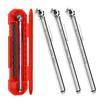
4. Tire Pressure Gauge
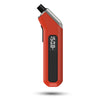
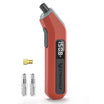
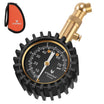
Accurate readings are critical when adjusting PSI.

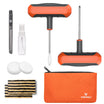
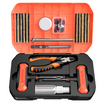
5. Tire Repair Kit
To prevent the worst-case scenario - a tire blowout, you can repair it with the Tire Repair Kit and successfully escape from the situation.

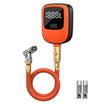
6. Portable Tire Inflator (Critical Tool)
This is where many off-road setups fail.
It’s relatively easy to deflate tyres; it’s getting them back to the recommended pressure that is hard.
According to off-road guides, carrying a reliable air compressor or inflation system is mandatory for safe off-road travel.
Without it, you risk:
· being stuck with unsafe tire pressure
· damaging tires on the way back
· or being unable to return to paved roads safely

The Real Problem: You Need Both Air Down and Air Up
Here’s the reality most beginners don’t realize:
Off-roading is not just about lowering tire pressure—it’s about controlling it dynamically.
· Lower pressure → better traction off-road
· Higher pressure → safety on highways
You need a tool to help you do that.
✔ Deflate quickly
✔ Re-inflate quickly
✔ Adjust multiple times during a trip
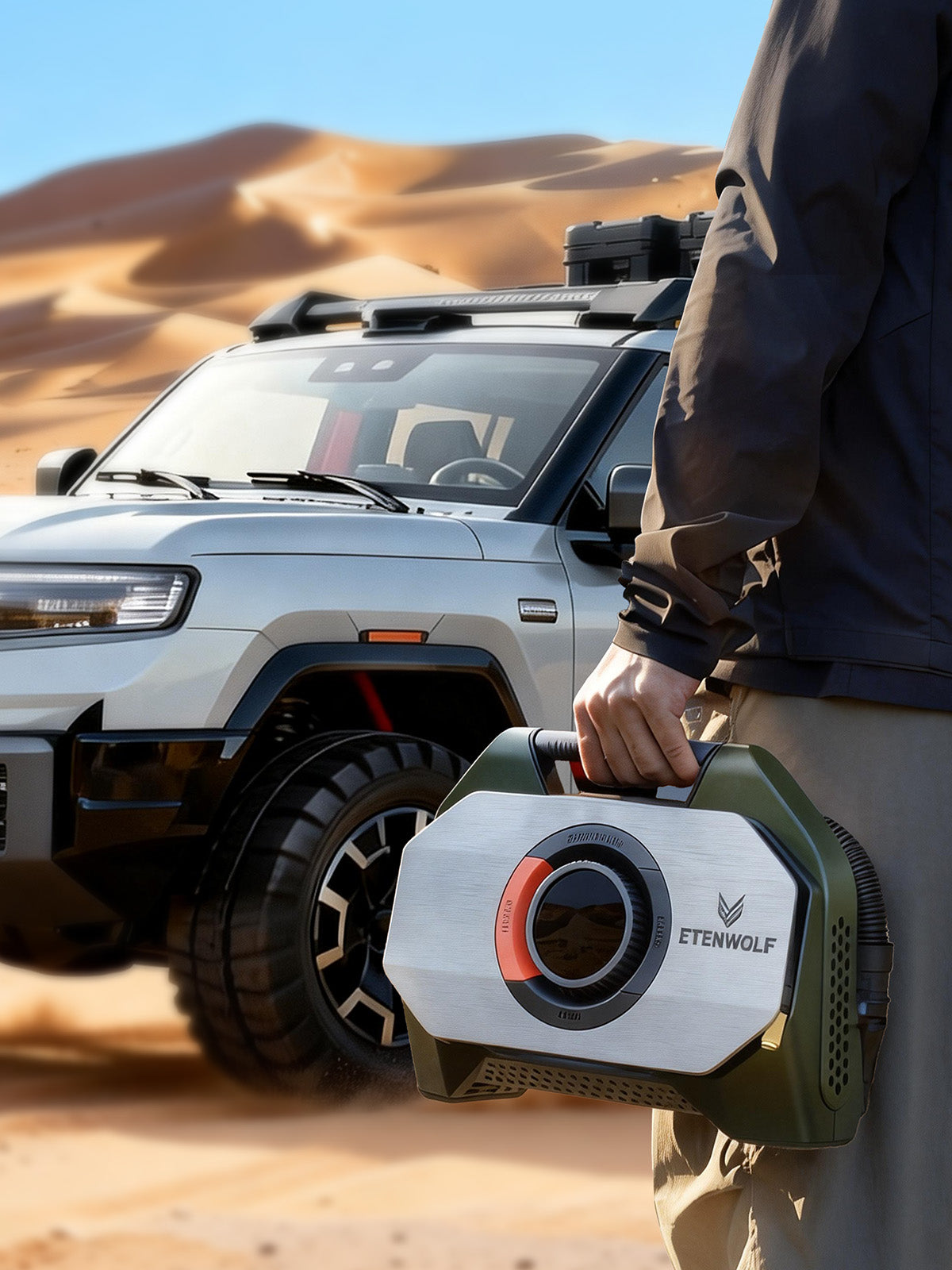
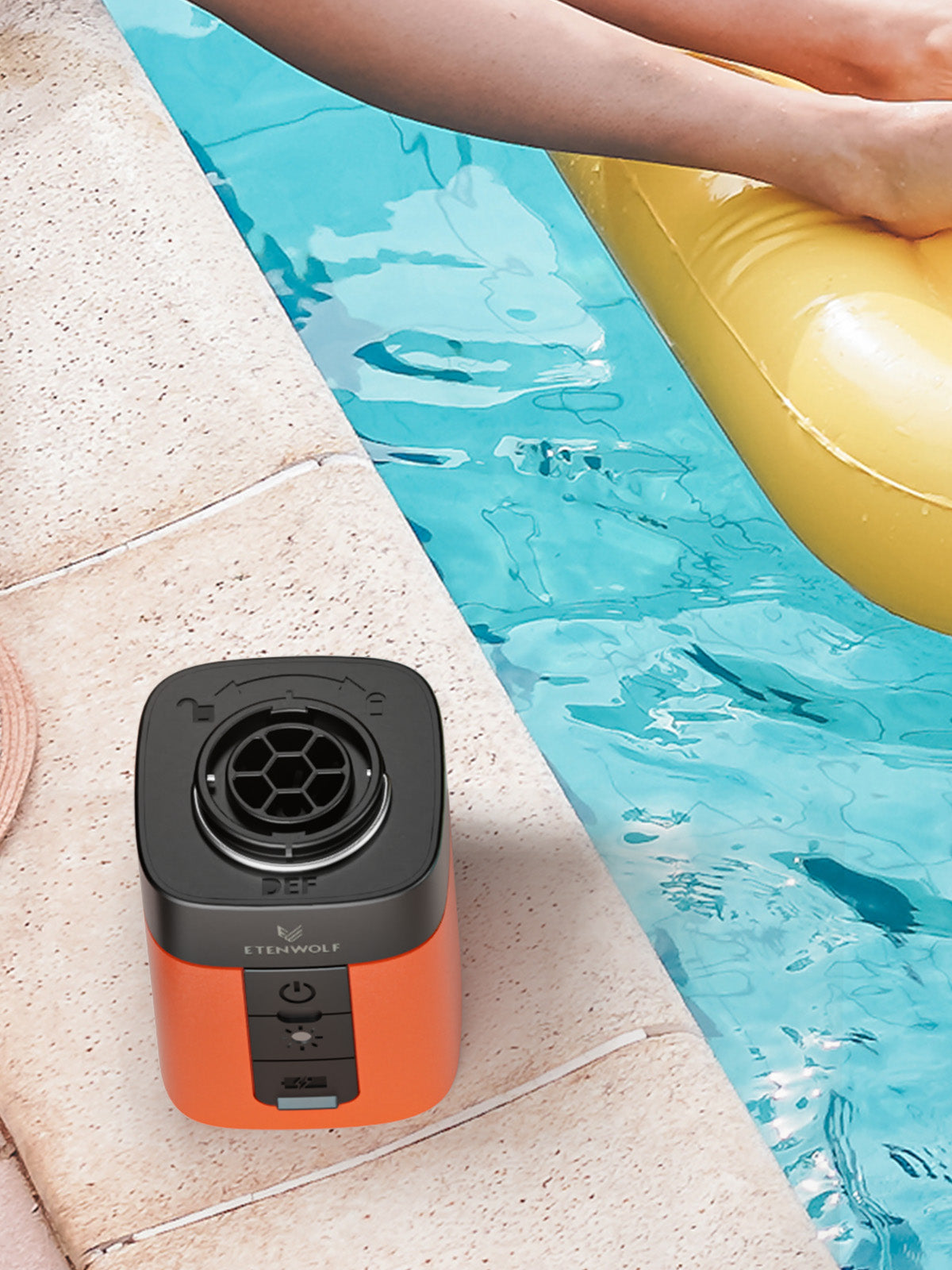
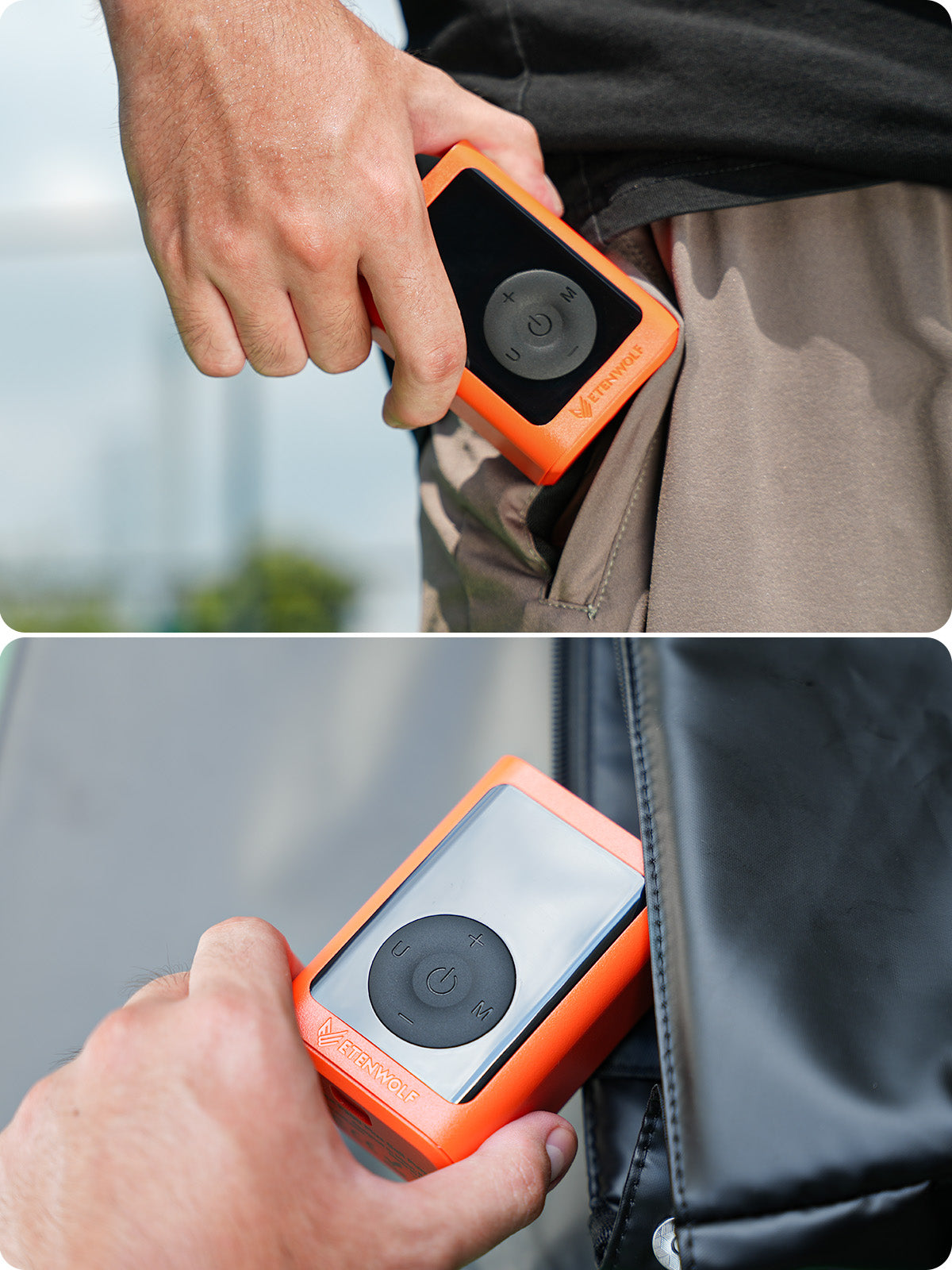
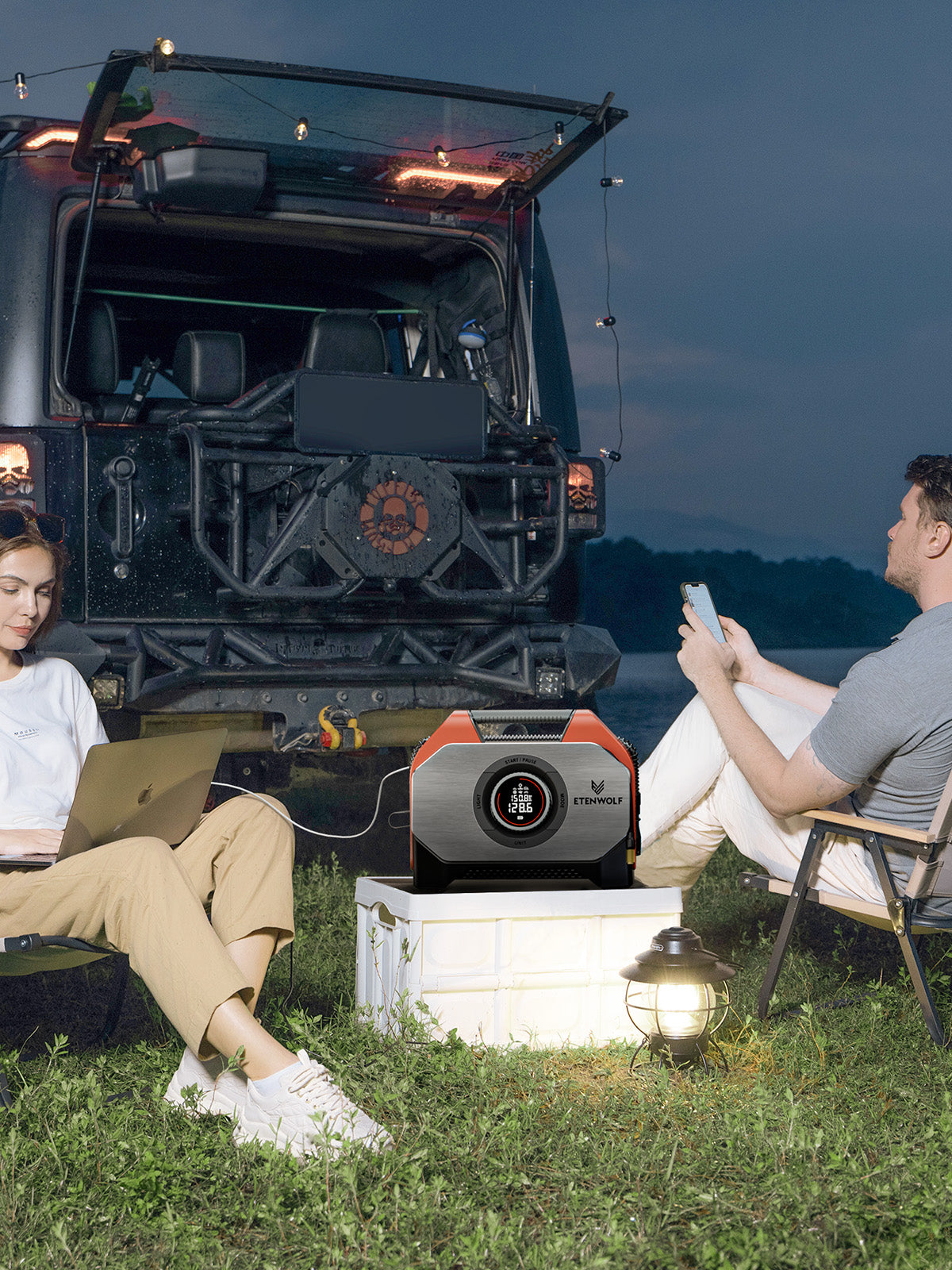
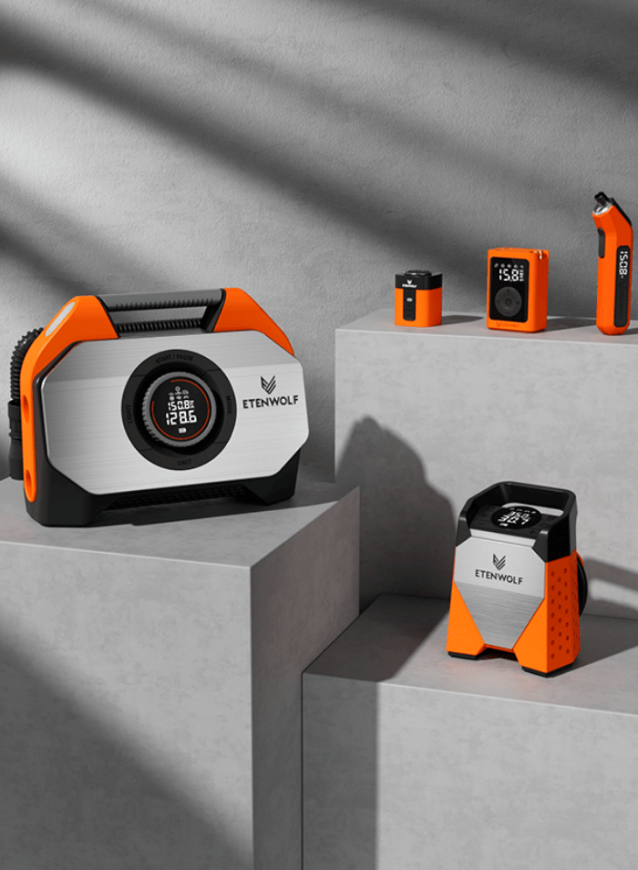
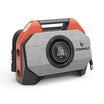
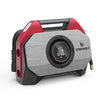
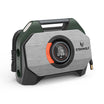
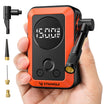
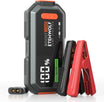
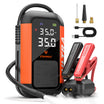
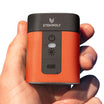
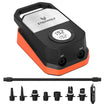
A Practical Solution: ETENWOLF Vortex S7 Tire Inflator

This is where having the right equipment changes everything.
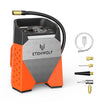
A tool like the ETENWOLF Vortex S7 tire inflator is designed specifically for scenarios like this.
Instead of relying on gas stations (which don’t exist in remote areas), a portable inflator allows you to manage tire pressure anywhere.
Why It Matters in Real Off-Road Situations
Fast Inflation for Large Tires (2CFM speed/260W motor)
Off-road vehicles often use larger tires that require more air volume.
A high-power inflator ensures you’re not waiting 10–15 minutes per tire.

Large Battery Capacity (38,400 mAh Battery)
Remote areas don’t offer power outlets.
Its high-capacity battery stores enough energy to continuously inflate its tire several times.

Wireless Convenience
Inflatable. No cords, no setup. Just inflate wherever your vehicle is parked.
Built for Heavy-Duty Use
Off-road tires, trucks and SUVs require significantly more air pressure than standard tires, meaning they require more power to inflate.
The Key Advantage: Control
Instead of guessing or committing to one pressure, you gain full control:
· Lower pressure for sand
· Adjust for rocks
· Reinflate before highway driving
This flexibility is what keeps both your vehicle and your trip safe.
Why Tire Pressure Can Make or Break Your Trip
Many off-road problems trace back to one issue:
Incorrect tire pressure.
· Too high → you get stuck
· Too low → you damage your tires
· No inflator → you’re stranded
In fact, experienced off-roaders often say:
Tire pressure is probably the easiest thing to adjust for on your MTB, and probably the most common thing to get wrong.
Final Thoughts
Off-roading is one of the most rewarding ways to explore, but it also presents the possibility of real injury in isolated and difficult-to-access locations.
It is worth remembering that preparation will make your trip not just more enjoyable but can help prevent stressful situations.
If you remember only a few things, make it these.
· Bring recovery tools
· Understand basic recovery techniques
· Always manage your tire pressure properly
In places far from emergency services, a few PSI can mean a world of difference.
FAQs
What is the best tire pressure for off-roading?
Most off-roaders start around 20 PSI, then adjust based on trail conditions from sand to mud to rock.
Why do you lower tire pressure off-road?
Running lower tire pressure will also increase the surface area of your tires on the ground, which should help with traction and reduce the chance of getting stuck.
Is it dangerous to drive with low tire pressure?
Yes! Driving on paved roads at high speeds with low tire pressure may result in tire overheating, poor handling, and potentially a tire blowout.
What equipment do I need for off-roading?
Essential gear includes recovery boards, a shovel, tow straps, a tire gauge, a tire repair kit, and a portable tire inflator.
Why is a portable tire inflator important for off-road trips?
Since tire pressure often needs to be adjusted for safe travel when moving between different terrain and road conditions.


Leave a comment
All comments are moderated before being published.
This site is protected by hCaptcha and the hCaptcha Privacy Policy and Terms of Service apply.