








A dead car battery rarely happens at a convenient time. It might be before work on a freezing winter morning, at a remote campground after a weekend trip, or in the parking lot after accidentally leaving your headlights on. Whatever the reason, getting back on the road usually comes down to one simple question: Do you have a reliable jump starter?

For years, lead-acid jump starters dominated the market. They were large, heavy, and commonly found in repair shops and commercial garages. Today, compact lithium-powered jump starters have become increasingly popular, promising more power in a package small enough to fit inside a glove box.
So, does that mean lithium is automatically the better choice?
Not necessarily.
Both technologies have advantages, and choosing the right one depends on how you use your vehicle, where you drive, and what you expect from your emergency equipment.
In this guide, we'll compare lithium vs. lead-acid jump starters, explain how each technology works, discuss real-world advantages and disadvantages, and help you decide which one makes the most sense for your needs.
How Does a Jump Starter Work?
A jump starter is essentially a portable battery designed to deliver a very high burst of electrical current for just a few seconds.
That short burst provides enough power to crank the starter motor when your vehicle's battery can no longer do the job itself. Once the engine starts, the vehicle's alternator takes over and begins charging the battery again.
Unlike traditional jumper cables, a portable jump starter doesn't require another vehicle. This is one reason portable jump starters have become increasingly popular among everyday drivers, road trippers, RV owners, and off-road enthusiasts.
If you're unfamiliar with how portable jump starters compare with traditional jumper cables, see our guide:
Which Is Better: Jump Starter or Jumper Cables?

Why Two Battery Technologies Still Exist
Many drivers assume lithium batteries simply replaced lead-acid batteries overnight. The reality is more complicated.
Lead-acid batteries have powered automobiles for over a century because they're inexpensive, durable, and capable of delivering extremely high cranking current.
Lithium technology, however, has improved dramatically over the past decade. Better energy density, improved battery management systems, and enhanced safety electronics have allowed manufacturers to produce portable jump starters that are both powerful and compact.
Instead of one technology replacing the other, each now serves different users.
Lead-Acid Jump Starters
Walk into many professional repair shops, commercial trucking garages, or fleet maintenance facilities, and you'll still find large lead-acid jump starters sitting in the corner.
There's a reason.
Advantages
Lower Purchase Cost
Lead-acid batteries remain less expensive to manufacture than lithium batteries, making them attractive for commercial environments where multiple units are required.
High Current Output
Their large battery capacity allows them to deliver strong cranking power, particularly when used repeatedly throughout the day.
Proven Technology
Lead-acid batteries have been used in automotive applications for generations. Mechanics know how they behave, how to maintain them, and how long they typically last.
According to the Battery Council International (BCI), nearly 99% of lead-acid batteries in the United States are recycled, making them one of the country's most successfully recycled consumer products. (Source)
Disadvantages
Despite their strengths, lead-acid jump starters have several drawbacks that make them less practical for many drivers.
They're Heavy
Many weigh between 15 and 30 pounds, making them inconvenient to carry or store inside smaller vehicles.
They Lose Charge Faster
Lead-acid batteries naturally self-discharge over time. If left unused for several months, they may not have enough power when you actually need them.
That means regular charging is essential.
Larger Storage Space
Because of their size, many drivers simply leave them in the garage—which unfortunately defeats the purpose if your battery dies somewhere else.
Lithium Jump Starters

Lithium jump starters approach the same problem differently.
Instead of relying on a physically large battery, they use modern lithium cells capable of delivering extremely high current while occupying only a fraction of the space.
This allows manufacturers to build jump starters small enough to fit inside a backpack, center console, or glove compartment.
Advantages
Excellent Power-to-Weight Ratio
One of lithium's greatest strengths is energy density.
Compared with lead-acid batteries, lithium batteries can store more usable energy for their size and weight.
For drivers, that means carrying emergency power without sacrificing cargo space.
Longer Charge Retention
Unlike lead-acid batteries, lithium batteries lose power much more slowly during storage.
Many quality lithium jump starters can remain ready for several months with only occasional recharging.
This makes them ideal for vehicles that aren't driven every day, including:
· Weekend sports cars
· Classic vehicles
· Motorcycles
· Seasonal RVs
· Boats
Much Easier to Carry
Modern drivers already carry enough equipment:
· First-aid kits
· Tire inflators
· Flashlights
· Recovery gear
· Emergency blankets
Adding another 25-pound jump starter isn't appealing.
Lithium jump starters typically weigh only a few pounds while delivering enough cranking power for most passenger vehicles, SUVs, and many trucks.
Extra Features
Because lithium jump starters use modern battery management electronics, manufacturers often include features beyond emergency starting.
Many units now offer:
· USB charging ports
· LED emergency lights
· SOS flash mode
· Reverse polarity protection
· Spark-proof connections
· Digital battery indicators
These functions make the device useful throughout the year—not just during battery emergencies.
Disadvantages of Lithium Jump Starters
Lithium technology isn't perfect.
Higher Initial Cost
Quality lithium batteries generally cost more than comparable lead-acid units.
However, many drivers consider the additional portability worthwhile.
Quality Matters
Not every lithium jump starter performs equally well.
Low-cost models sometimes advertise impressive peak current numbers but use small battery packs that struggle during repeated jump starts.
When comparing models, don't focus solely on peak amperage.
Also consider:
· Battery capacity
· Operating temperature
· Safety protections
· Recharge speed
· Battery management system
· Manufacturer reputation
These specifications often determine real-world performance far more than marketing numbers printed on the box.
Which Type of Driver Should Choose Lead-Acid or Lithium?
There isn't a single "best" jump starter for everyone. The better question is which technology fits the way you actually use your vehicle.
Years ago, lead-acid jump packs were the default recommendation simply because lithium technology was still expensive and relatively new. Today, the situation has changed dramatically. Improvements in lithium battery chemistry, battery management systems (BMS), and high-discharge cells have made modern lithium jump starters lighter, safer, and more capable than ever before.
Still, lead-acid models haven't disappeared—and for some users, they continue to make sense.
Here's how each type fits different driving habits.
Daily Drivers
If your vehicle spends most of its time commuting to work, school, or around town, a lithium jump starter is almost always the better choice.
Why?
Because the biggest challenge isn't finding enough power—it's remembering to carry the device.
A 20-pound lead-acid booster often gets left in the garage because it's bulky. A compact lithium jump starter, on the other hand, fits inside a glove compartment or center console. When your battery unexpectedly dies in a grocery store parking lot, the jump starter that's actually in your car is infinitely more useful than the heavy one sitting at home.
Daily drivers also benefit from lithium's long standby time. Most quality lithium packs lose very little charge during storage, meaning they're ready months after the last recharge.
Pickup Truck Owners
Pickup owners frequently tow trailers, drive off-road, haul equipment, or spend time far from service stations.
In these situations, portability matters just as much as starting power.
Modern lithium jump starters capable of producing around 2,000 peak amps can easily start many gasoline trucks and mid-size diesel engines while weighing only a few pounds.
Truck owners should also consider building a complete roadside kit rather than relying on a single tool.
For example:
· Portable jump starter
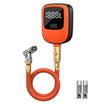
· Tire inflator
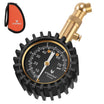
· Tire pressure gauge
· Tire repair kit
· Flashlight
· Gloves
· Tow strap
Many roadside problems happen together. A weak battery may occur after sitting overnight in freezing weather, while a slow tire leak can develop during the same trip. Carrying equipment that addresses multiple scenarios is often more valuable than purchasing one oversized emergency tool.
RV Travelers
RV owners tend to prioritize reliability over convenience.
An RV may sit parked for weeks before a long road trip. During storage, batteries naturally self-discharge, and parasitic electrical loads continue drawing small amounts of power.
Whether lead-acid or lithium is better depends on how the RV is used.
A permanently stored emergency power pack inside the RV may still justify a large lead-acid booster.
But, travelers who move frequently usually appreciate lithium's lighter weight, faster charging, and easier storage.
However, it should be noted that when purchasing Lithium Jump Starters, you need to confirm whether the product can be adapted to an RV.
Many RV owners also carry separate emergency equipment:
· Tire inflator
· Portable power bank
· Battery jump starter
· Tire repair supplies
Separating these tools reduces the chance that one failure leaves you without multiple emergency functions.
Fleet Operators
Commercial fleets often prioritize durability, predictable maintenance schedules, and equipment familiarity.
Large lead-acid boosters are still common in repair shops because technicians use them continuously throughout the day.
Professional Mechanics
Professional repair facilities operate differently from ordinary drivers.
A mechanic may jump-start dozens of vehicles every week.
High-capacity lead-acid boosters remain useful because they're constantly connected to chargers and rarely need to be transported far.
Why Lithium Jump Starters Are Becoming the New Standard

Over the past decade, improvements in lithium battery technology have changed expectations for portable emergency equipment.
Instead of sacrificing performance for portability, drivers can now have both.
Some of lithium's biggest advantages include:
· Much lower weight
· Higher energy density
· Faster charging
· Longer shelf life
· Minimal maintenance
· Compact storage
· Stable output during repeated starts
For most consumers, these practical benefits outweigh the traditional advantages of lead-acid packs.
Cold Weather Makes Battery Problems Worse
Winter is one of the biggest reasons drivers purchase jump starters.
Cold temperatures affect every vehicle battery, regardless of chemistry.
According to Consumer Reports, battery performance decreases significantly as temperatures fall because chemical reactions slow inside the battery. At the same time, cold engines require more current to crank successfully. (Source)
That combination explains why vehicles often fail to start on freezing mornings.
AAA reports that battery-related service calls consistently rank among the most common roadside emergencies during winter travel seasons. (Source)
The lesson isn't that cold weather "kills" batteries overnight.
Instead, winter exposes batteries that were already aging or partially weakened.
A battery that starts normally in October may suddenly struggle once temperatures drop below freezing.
That's why many drivers choose to carry a portable jump starter before winter arrives instead of waiting until they're stranded.
Why Modern Lithium Jump Starters Perform Better Than Many Drivers Expect

Some people still assume lithium batteries cannot handle freezing weather.
That belief largely comes from older consumer electronics rather than today's automotive-grade jump starters.
Modern lithium jump starters incorporate intelligent battery management systems that monitor:
· Temperature
· Current output
· Voltage
· Short circuits
· Reverse polarity
· Overcharging
· Over-discharge
Premium models also use higher-quality lithium cells capable of delivering extremely high burst current for engine starting.
Rather than relying solely on battery size, these systems optimize how stored energy is delivered during the few critical seconds needed to crank an engine.
How to Choose a Reliable Lithium Jump Starter
Shopping by peak amp numbers alone often leads to disappointment.
Instead, evaluate the entire design.
Look for:
Engine Compatibility
Choose a model that clearly lists supported gasoline and diesel engine sizes rather than advertising unrealistic peak current numbers.
Intelligent Safety Protection
Features such as reverse polarity protection, spark-proof clamps, over-current protection, and short-circuit prevention significantly reduce user error.
Battery Capacity
Higher battery capacity provides:
· More jump starts
· Longer standby time
· Better power bank capability
· Improved reliability during extended trips
Recharge Speed
USB-C fast charging has become increasingly valuable because it allows the jump starter to recharge in just a few hours rather than overnight.
Durability
Roadside equipment should tolerate vibration, rain, dust, and accidental drops.
Look for rugged housings and weather-resistant construction.
A Practical Example
Many drivers eventually realize that emergency equipment is only useful if it's simple enough to carry every day.
That's one reason compact lithium jump starters have gained popularity.
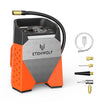
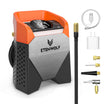
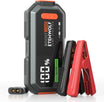
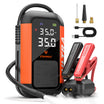
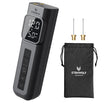
For example, the ETENWOLF J1 Portable Car Battery Jump Starter combines portability with features designed around real roadside situations.
It delivers up to 2,000 peak amps, supports gasoline engines up to 8.0L and diesel engines up to 6.5L, and can perform up to 35 jump starts on a single charge.
Beyond starting dead batteries, it includes:
· Eight intelligent safety protections
· Spark-proof and reverse polarity protection
· USB-C fast charging
· 16,000mAh battery capacity
· Dual USB outputs for charging electronics
· Built-in LED flashlight with emergency modes
· IP65-rated rugged housing for outdoor use
Rather than replacing every emergency tool in your vehicle, it complements a complete roadside preparedness kit—giving drivers confidence when unexpected battery failures occur.

Final Thoughts: Which Jump Starter Is Right for You?
After comparing lead-acid and lithium jump starters, one thing becomes clear: there isn't a single "best" choice—only the one that best matches your needs.
If you mainly drive a personal vehicle, commute every day, or enjoy road trips, a lithium jump starter is likely the more practical option. Its compact size, lightweight design, long storage life, and minimal maintenance make it easy to keep in your glove box or trunk, so it's ready whenever an unexpected battery problem happens. Modern lithium jump starters also recharge quickly and are simple enough for almost anyone to use with confidence.
On the other hand, lead-acid jump starters still have their place. If you frequently work on different vehicles, manage a fleet, own a repair shop, or simply want an affordable solution that stays in a garage or workshop, a lead-acid unit can still be an excellent investment. Their lower purchase price and proven reliability continue to make them popular among professional users who don't need to carry the unit around every day.
So, which jump starter would you choose?
FAQs
Is lithium better than lead-acid for a jump starter?
For most everyday drivers, yes. Lithium jump starters are lighter, recharge faster, require less maintenance, and are easier to store. Lead-acid models remain useful in garages and repair shops where size and weight are less important.
Do lithium jump starters lose charge while sitting?
They do, but much more slowly than traditional lead-acid batteries. Most quality lithium jump starters can retain enough charge for several months if stored properly.
Can a lithium jump starter start a completely dead battery?
Many can start batteries with very low voltage—some models, including the ETENWOLF J1, are designed to assist batteries measuring as low as 9 volts. However, if the battery has suffered internal failure or physical damage, replacement may still be necessary.
How often should I recharge a lithium jump starter?
Recommend checking and recharging the unit every three to six months, even if it hasn't been used.
Are lithium jump starters safe?
Yes, ETENWOLF J1 Portable Car Battery Jump Starter includes modern safety systems such as reverse polarity protection, over-current protection, temperature monitoring, and short-circuit protection.



Leave a comment
All comments are moderated before being published.
This site is protected by hCaptcha and the hCaptcha Privacy Policy and Terms of Service apply.