
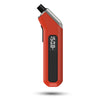
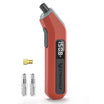
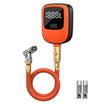
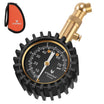




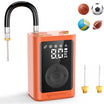



When searching for a car tyre inflator on the internet several questions frequently arise, among them what are the best tyre inflators available to buy?
How do I choose the right air pump for my car?
It’s a fair question — and a surprisingly tricky one.
At first glance many of the pumps that inflate tyres look alike. They offer digital readout, portability and fast inflation. Many motorists soon discover to their chagrin that not every type of car lifter will be suitable for their vehicle.
Using the wrong type of air compressor can result in significant financial waste. The experience can leave you stranded, frustrated or give you a false sense of security by making you think your tyre is in good condition when it is not.
Whether you're searching for a new tyre inflator or are simply looking to get the best out of your existing one, selecting the right model for you will depend on your actual driving habits and not the tyre inflator's features as advertised.
Why the “Right” Tire Inflator Depends on You
It is worthwhile to consider the broader context before considering the specifics of an application.
It's impossible to get a car inflator that suits all people.
The car for a family man with two kids who do a lot of highway driving is quite different from the car required by a bachelor who daily commutes into the city.
· A full-size sport utility vehicle
· A pickup truck
· An RV with heavy-duty tyres

Many drivers believe that as long as a tire inflator can be set to a certain maximum PSI, it can easily inflate tires to that pressure. However, this is not the case. For optimal performance, you need to consider the tire's volume, the tire inflator's battery capacity, and its output power.
Step 1: Know Your Tire Size and Vehicle Weight
The most overlooked factor when choosing an air pump is tire volume, not PSI.
A larger tire requires:
· more air,
· sustained airflow,
· and longer run time under load.
That’s why small, entry-level inflators often suitable for smaller cars but are generally ineffective in larger vehicles such as 4x4s and vans.
The U.S. Department of Transportation advises that tyres that have been under-inflated pose a major safety issue. This safety issue causes longer stopping distances and tyres are also more prone to overheating. (Source)
If your vehicle has:
· Tires with larger diameters
· wider tread,
· or higher load ratings.
It is advisable to initially rule out low powered micro inflators, regardless of how portable they appear.
Step 2: Understand Inflation Speed (Not Just PSI)
Most tire inflator packaging will state the maximum PSI, but this number alone can be misleading.
What actually matters is:
· how fast the pump can move air,
· and how long it can do so without overheating.
These small inflators claim to have a high-pressure inflate, but they work slowly due to their low motor power. Inflating a large tire alone takes more than fifteen minutes, not to mention the potential for insufficient battery power to completely inflate a big tire and the embarrassing situation of overheating and automatic shutdown after prolonged use.
This is especially common when:
· The vehicle is equipped with tyres that are seriously under-inflated.
· High outside temperatures are prevailing.
· Or multiple tires need topping off.
A high-capacity unit reduces the heating up of the water and cuts the inflation time, the former of which helps to guarantee the pump's reliability.
Therefore, it's not enough to just read the product description; you also need to watch real-life inflation test videos for reference.

Step 3: Power Source — Convenience vs Capability
The power of the inflator will determine where and how it can be used.
12V Plug-In Inflators
They run off the power provided by your vehicle's 12-volt outlet. Their operation is limited by where you are able to deploy these units and also they are not very expensive, however their performance is reliant on vehicle engine performance.
Battery-Powered Inflators
Rechargeable inflators offer freedom: no cables and no engine running. However, battery capacity is far more important than the advertised voltage.
A small compressor is likely to be sufficient for one car tyre but would need a larger battery model to inflate larger or multiple tyres.

Multi-Power Options
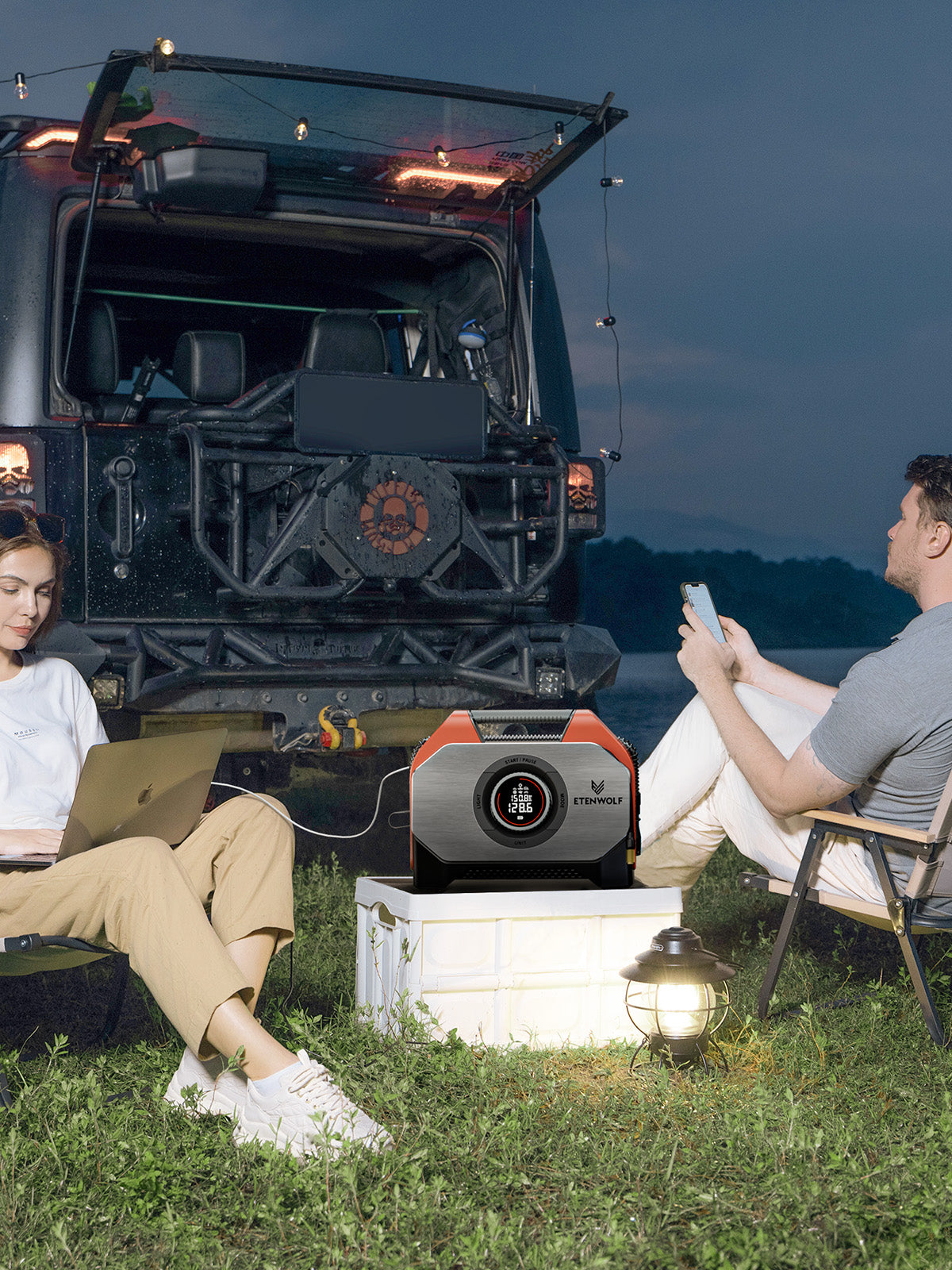
Some tire inflators feature both 12V car power and an internal battery, allowing for both plug-in and cordless inflation. However, the internal battery capacity of these inflators is generally quite small.
Step 4: Accuracy Matters More Than You Think
The majority of drivers tend to judge their tyre's pressure by eye. That’s a mistake.
According to NHTSA, tires underinflated by as little as 5 PSI can:
· reduce fuel economy,
· increase tyre wear.
· and negatively affect handling.
A quality inflator should include:
· a reliable digital pressure sensor,
· and automatic shut-off at a preset PSI.
This removes the guesswork which can lead to another equally damaging consequence, over-inflation.
Step 5: Heat Management and Duty Cycle (The Silent Failure Point)
This is where many cheap inflators fail.
When the cooling system is unable to keep pace with the motor's heat production, overheating occurs. This could cause the pump to cease working, possibly for good.
Small inflators often have:
· short duty cycles,
· cooling is limited.
· and plastic housings that trap heat.
If you plan to inflate:
· More than one tire
· For cars which require larger tyres than those usually fitted to sedans
Heat management becomes critical.
A well-designed inflator can run longer without thermal shutdown, which matters in real roadside situations.
Step 6: Portability Without Compromise
The compromise between usability and portability must be struck.
Ask yourself:
· Is this item large enough to be easily placed in your trunk?
· Will the tool stay steady while you are using it?
· Are you free from the constraints of the inflation hose length when inflating tires?
While a compact, reliable blower is certainly handy, a bigger one which will finish the job is much more useful.
Who Needs a Heavy-Duty Tire Inflator (And Why)
If you drive:
· A sport-utility vehicle.
· a pickup truck,
· an off-road vehicle,
· or tow trailers,
you’ve probably experienced at least one of these:
· Slow inflation,
· overheating shutdown,
· the batteries were drained before the task was completed,
· faulty or inaccurate pressure readings.
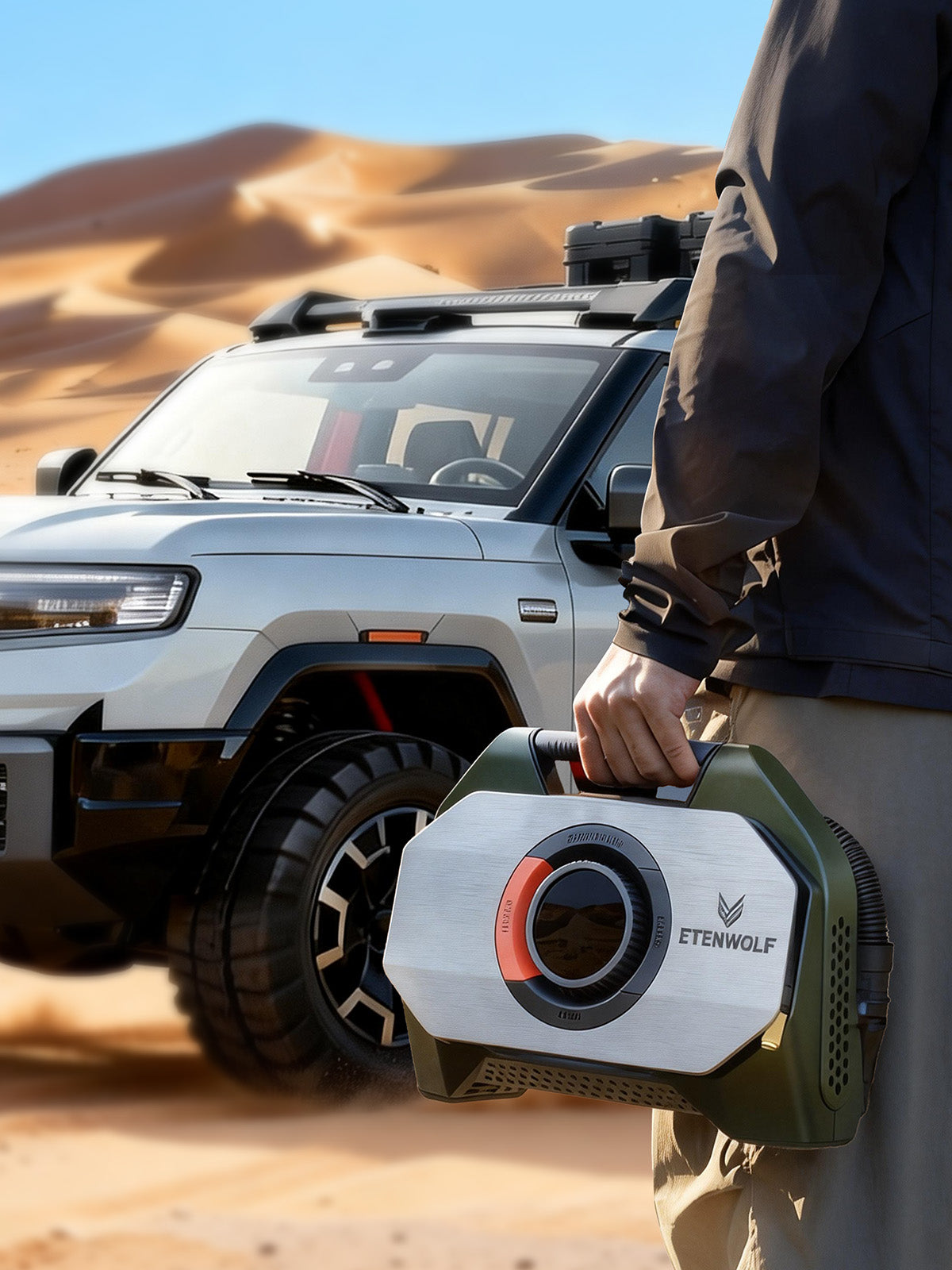
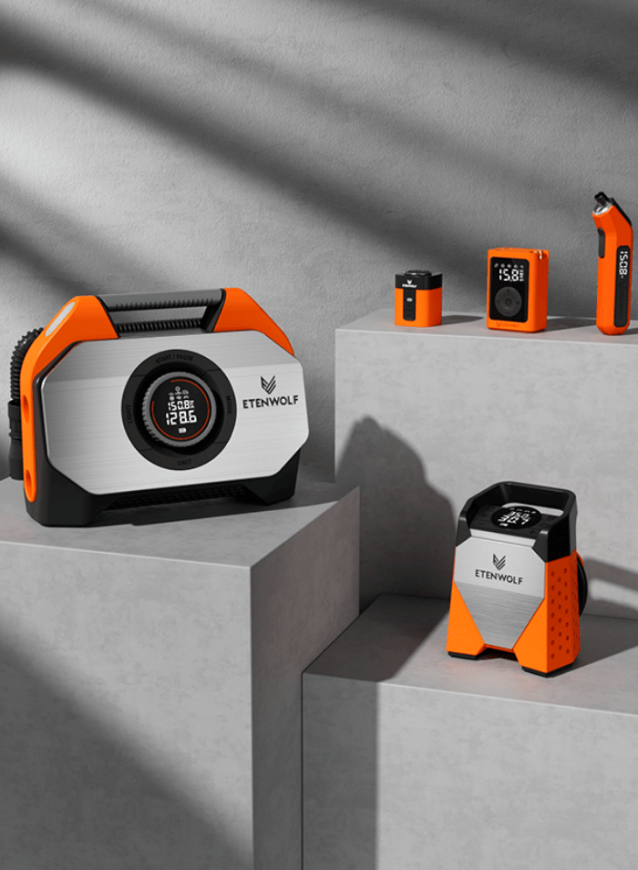
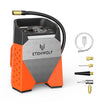
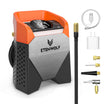
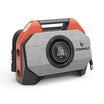
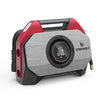
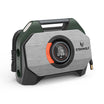
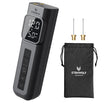
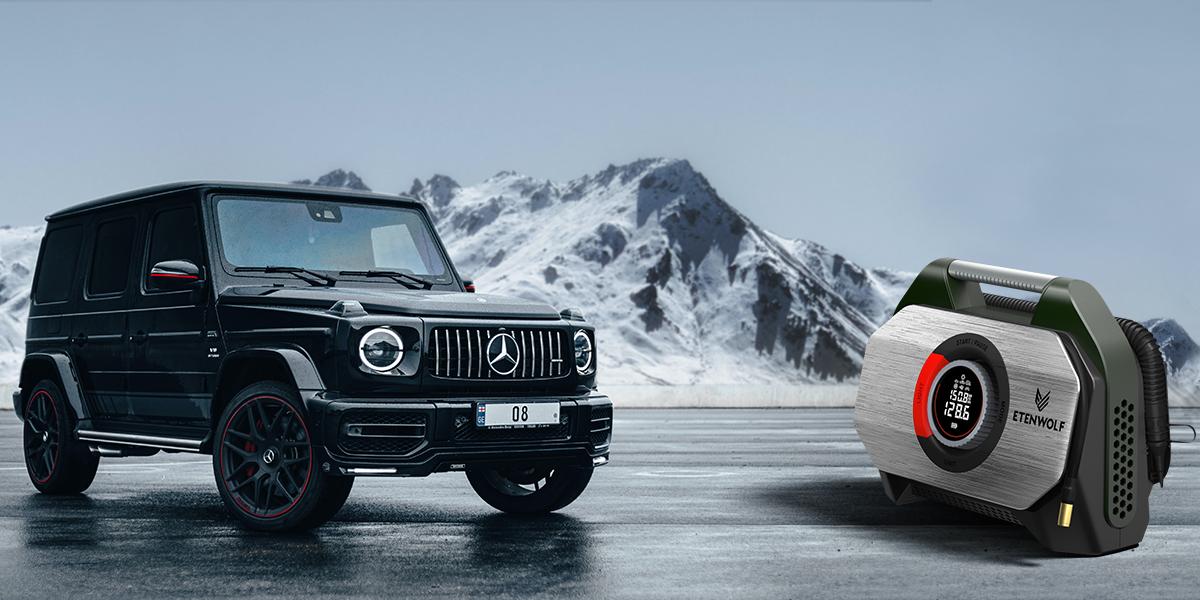
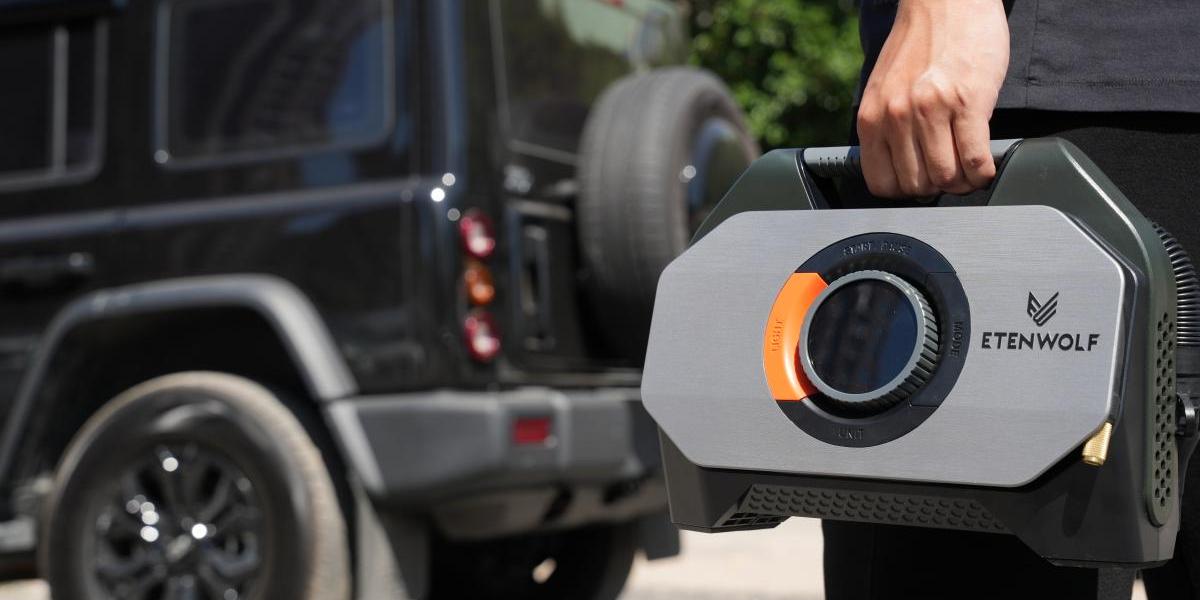
This is exactly the gap that heavy-duty inflators like the ETENWOLF Vortex S7 are designed to fill.
Instead of focusing on minimal size, the S7 prioritizes:
· Sustained power
· Large battery capacity
· Thermal stability
· Accurate pressure control
It’s not overkill — it’s appropriately scaled for larger tires and real-world use.

Choosing the Right Inflator: A Simple Breakdown
Compact Cars:
✔ Small to medium inflator
✔ Digital gauge + auto stop
Trucks / RVs / Off-Road:
✔ Heavy-duty motor
✔ Large battery or multi-power support
✔ Effective cooling
If you select a car based on size, you will be less likely to be disappointed in it later.
Final Thoughts
Choosing the right air pump isn’t about chasing specs — it’s about matching the tool to your reality. You also need to watch real-life inflation test videos for reference.
If you drive short distances in a compact car, a basic inflator may be enough. Having a high-capacity pump can be particularly advantageous for vehicles with a higher weight, larger tyres or those undertaking lengthy journeys. It can save you a lot of time and stress, and also reduce the risk of safety problems.
The correct tyre inflating device, a vital tool for car owners, serves a dual purpose by both providing the correct pressure in the tyre and eliminating any uncertainty as to whether this has been achieved.
FAQ
How do I choose the right air pump for my car?
Start with your tire size and vehicle type. Larger vehicles require higher airflow and longer duty cycles.
Is a small tire inflator enough for SUVs?
The performance of these pumps can be inadequate for bigger tyres, with smaller pumps often overheating or having insufficient power to complete the task effectively.
Does PSI rating matter more than power?
No. PSI shows pressure limit, not inflation capability. Power and airflow matter more.
Why do some inflators shut off mid-use?
Thermal protection triggers when heat builds too fast — common in low-power pumps.


Leave a comment
All comments are moderated before being published.
This site is protected by hCaptcha and the hCaptcha Privacy Policy and Terms of Service apply.