









A dead car battery rarely happens at a convenient time.
It usually happens:
· before work
· during a road trip
· late at night
· in cold weather
· or in a parking lot far from help

When it does, most drivers think of two solutions:
· jumper cables
· portable jump starters
Both can restart a dead battery, but they work very differently—and one has become far more practical for modern drivers.
If you have ever wondered whether jumper cables are still worth carrying, or if a portable jump starter is the smarter option, this guide breaks down the real differences, safety concerns, and why more drivers are switching to compact lithium jump starters.
What Happens When a Car Battery Dies?
Before comparing tools, it helps to understand what a dead battery actually means.
Your vehicle battery provides electrical power to:
· the starter motor
· ignition system
· onboard electronics
When battery voltage drops too low, the starter motor cannot turn the engine over.
That is why you hear:
· clicking sounds
· slow cranking
· or complete silence
According to AAA, dead batteries remain one of the most common roadside assistance calls in the United States. (Source)

How Jumper Cables Work
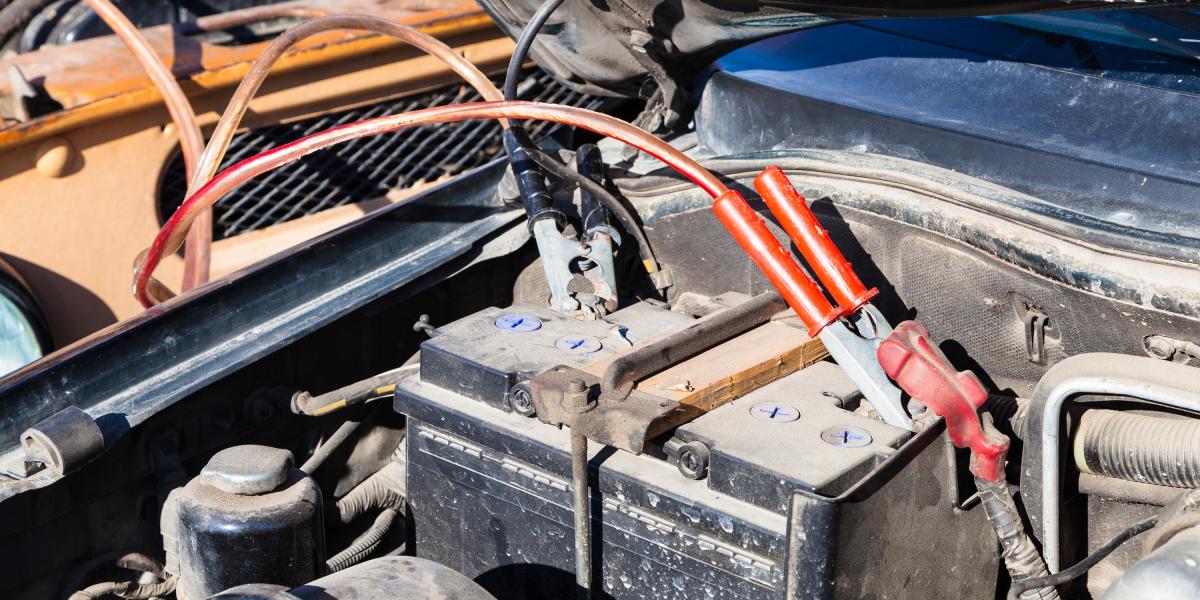
Jumper cables transfer power from one vehicle’s battery to another.
The idea is simple:
A working vehicle temporarily shares electrical power with the dead vehicle so the starter motor can turn over.
What You Need for Jumper Cables
To use jumper cables properly, you need:
· another vehicle with a healthy battery
· enough physical space to park close
· correctly connected clamps
· both drivers present
Without a second car, jumper cables alone do nothing.
That limitation becomes a problem in:
· remote areas
· empty parking lots
· bad weather
· late-night emergencies

How to Use Jumper Cables Safely
Most drivers know jumper cables can restart a car.
Fewer people understand how careful the process actually needs to be.
Typical connection order:
1. Red clamp to dead battery positive (+)
2. Red clamp to donor battery positive (+)
3. Black clamp to donor battery negative (-)
4. Black clamp to grounded metal surface on dead car
Connecting clamps incorrectly can create:
· sparks
· electrical damage
· battery overheating
· blown fuses
According to National Highway Traffic Safety Administration, improper battery handling can create safety risks including fire or explosion. (Source)
Problems With Traditional Jumper Cables
Jumper cables still work, but they come with several frustrations modern drivers increasingly dislike.
1. You Need Another Vehicle
This is the biggest limitation.
If nobody is nearby, the cables are useless.
2. The Process Can Be Confusing
Many drivers forget:
· clamp order
· grounding procedure
· polarity rules
That creates stress during emergencies.
3. Safety Risks
Incorrect connections can:
· damage electronics
· create sparks
· short-circuit the system
Modern vehicles contain far more electronics than older cars, making mistakes more expensive.
4. Weather Makes Everything Worse
Using cables:
· in rain
· snow
· freezing temperatures
· dark conditions
is not ideal.
Especially on highways or crowded roads.
What Is a Portable Jump Starter?

A portable jump starter is essentially a compact battery pack designed to restart a vehicle without another car.
Instead of borrowing power from another battery, it provides its own stored power directly to the dead battery.
Modern lithium jump starters are:
· smaller
· faster
· safer
· more powerful
than older emergency battery packs.
Why Portable Jump Starters Became So Popular
Over the last few years, portable jump starters have become common emergency tools for everyday drivers.
Why?
Because they solve the biggest problem jumper cables never could:
independence
You no longer need:
· another driver
· another vehicle
· roadside assistance
You can restart the vehicle yourself.
Portable Jump Starter vs Jumper Cables
Here is the practical difference most drivers care about.
| Feature | Jumper Cables | Portable Jump Starter |
|---|---|---|
| Requires another vehicle | Yes | No |
| Easy for beginners | Not always | Usually yes |
| Portable | Moderate | Excellent |
| Works in remote areas | Limited | Yes |
| Risk of incorrect connection | Higher | Lower with protections |
| Multi-function use | No | Often yes |
For many modern drivers, portability and simplicity matter more than tradition.
Why Portable Jump Starters Are Safer Today
Early jump starters were bulky and less intelligent.
Modern lithium jump starters are very different.
Many now include:
· reverse polarity protection
· spark-proof technology
· short-circuit protection
· temperature monitoring
That makes them far safer for non-technical users.
A Real-World Problem: Cold Weather
Cold weather is one of the most common causes of battery failure.
According to Consumer Reports, low temperatures reduce battery performance and make engine starting harder. (Source)
This creates a frustrating situation:
· batteries weaken
· engines require more power to start
· roadside help becomes slower during winter storms
Portable jump starters became especially popular because they remove the need to wait for another vehicle.
Why Many Drivers Now Prefer Portable Jump Starters
People no longer want to depend entirely on:
· strangers
· roadside assistance
· crowded parking lots
A portable jump starter stays in the trunk and works immediately when needed.
That peace of mind matters.
Especially during:
· road trips
· camping
· winter driving
· remote travel
Where the ETENWOLF J1 Fits In

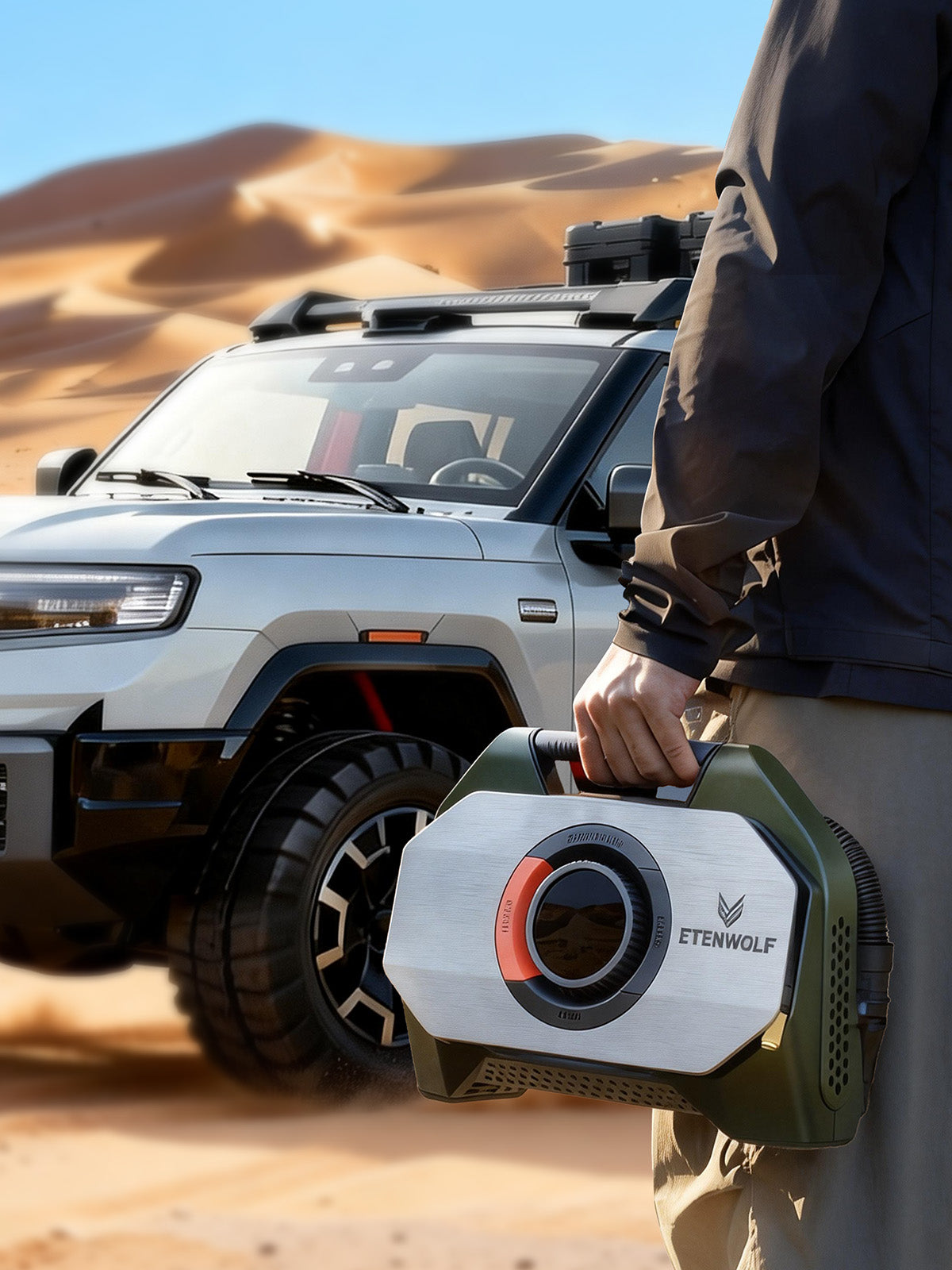
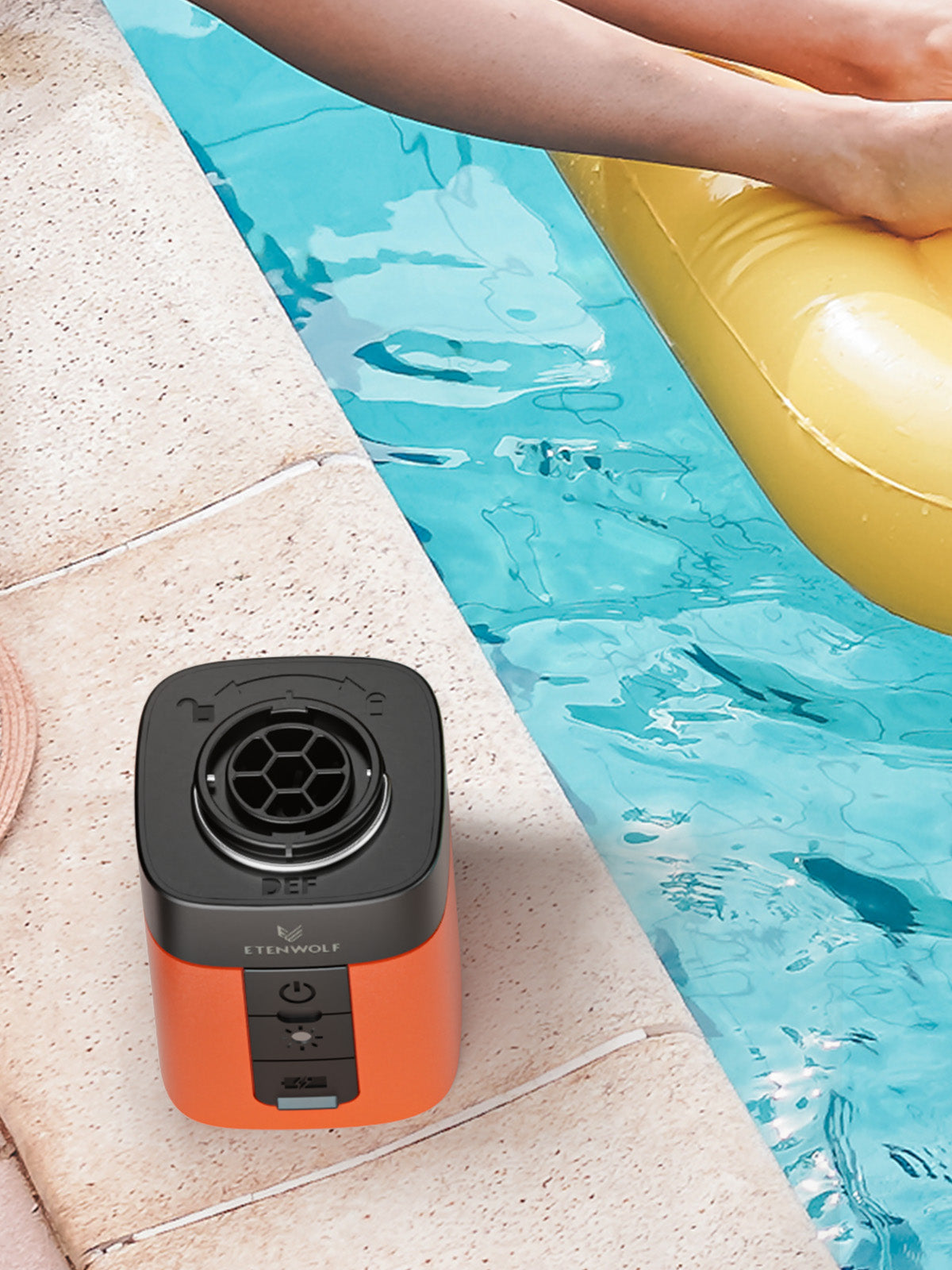
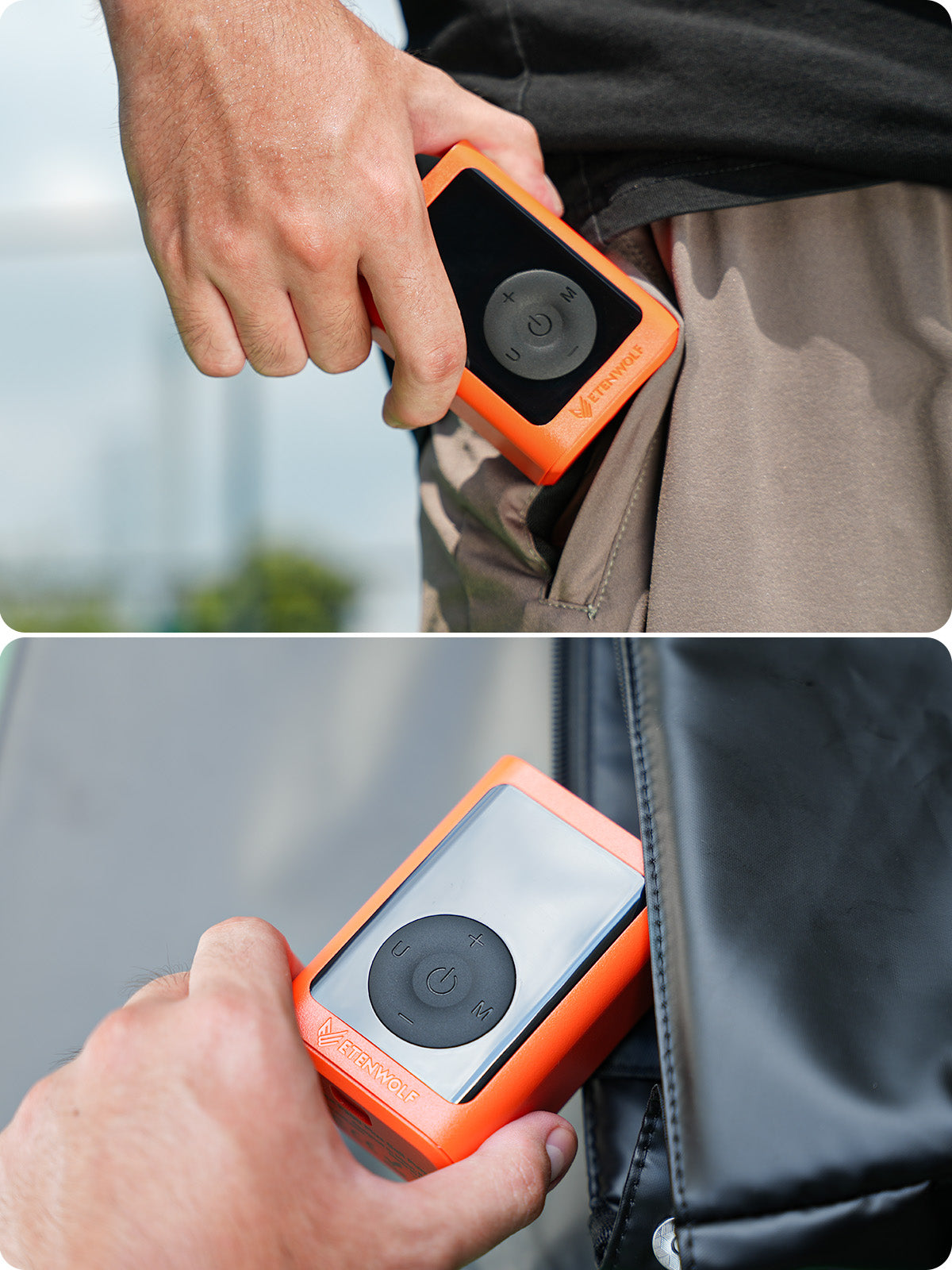
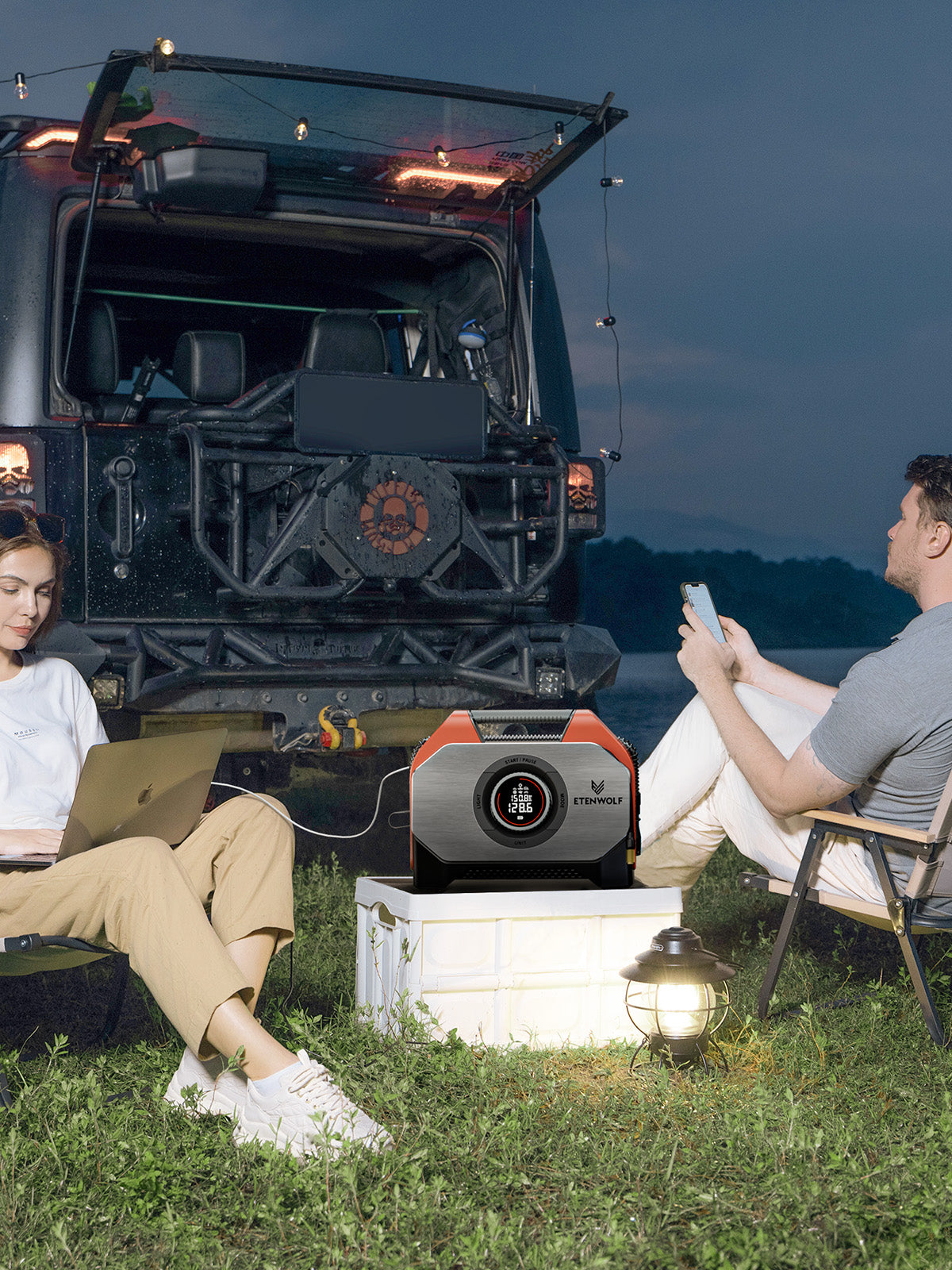
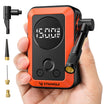
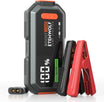
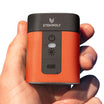
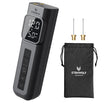
For drivers looking for a modern alternative to traditional jumper cables, the ETENWOLF J1 Portable Car Battery Jump Starter is designed around portability and simplicity.
Instead of carrying long cables and hoping another car is nearby, the J1 provides standalone emergency starting power.
Features That Matter in Real Situations
Strong starting capability
The J1 delivers:
· 2000 peak amps
· support for up to 8.0L gas engines
· support for 6.5L diesel engines
That makes it suitable for:
· sedans
· SUVs
· trucks
· motorcycles
· boats

Works in cold weather
Battery failures happen more often in freezing temperatures.
The J1 is designed to operate as low as:
-4°F.

Built-in safety protections
One reason many drivers hesitate to use jumper cables is fear of connecting them incorrectly.
The J1 includes:
· spark-proof technology
· reverse polarity protection
· multiple intelligent safety systems
This helps reduce user error.

Compact enough to carry daily
Unlike older jump packs, modern lithium jump starters fit easily inside:
· glove boxes
· backpacks
· center consoles
The J1 also includes:
· USB charging
· integrated flashlight
· emergency lighting modes
making it useful beyond jump starts.

Are Jumper Cables Obsolete?
Not completely.
Jumper cables still work well in certain situations:
· fleets
· garages
· households with multiple vehicles
But for many everyday drivers, portable jump starters are simply more practical.
Technology changed the experience.
What once required:
· another car
· another person
· several minutes of setup
can now be done alone in a few minutes.
Which One Should You Keep in Your Car?
If you frequently drive:
· in cities with help nearby
· around family vehicles
· short daily routes
jumper cables may still be enough.
But if you:
· travel long distances
· camp
· road trip
· drive in winter
· explore remote areas
· or simply prefer independence
a portable jump starter makes far more sense.
Many drivers now carry both.
But if choosing one, most people value the convenience and self-sufficiency of a portable jump starter.
Final Thoughts
Jumper cables were once essential emergency gear.
And they still work.
But modern portable jump starters solve many of the frustrations that cables never could.
They are:
· faster
· simpler
· safer
· more independent
And in a moment when your battery dies unexpectedly, convenience matters more than tradition.
Because sometimes the difference between a stressful situation and a minor inconvenience is simply having the right tool already in your trunk.

FAQs
What is the difference between a jump starter and jumper cables?
Jumper cables transfer power from another vehicle, while a portable jump starter provides its own battery power without needing another car.
Are portable jump starters safer than jumper cables?
Modern jump starters often include spark-proof and reverse polarity protection, making them safer for many drivers.
Can jumper cables damage a car battery?
Incorrect use can damage electrical systems or create sparks, especially if polarity is reversed.
How long do portable jump starters hold a charge?
Most lithium jump starters can hold charge for several months when stored properly.
Is a portable jump starter worth keeping in the car?
For many drivers, yes. It provides independent emergency starting without needing roadside assistance or another vehicle.


Leave a comment
All comments are moderated before being published.
This site is protected by hCaptcha and the hCaptcha Privacy Policy and Terms of Service apply.