




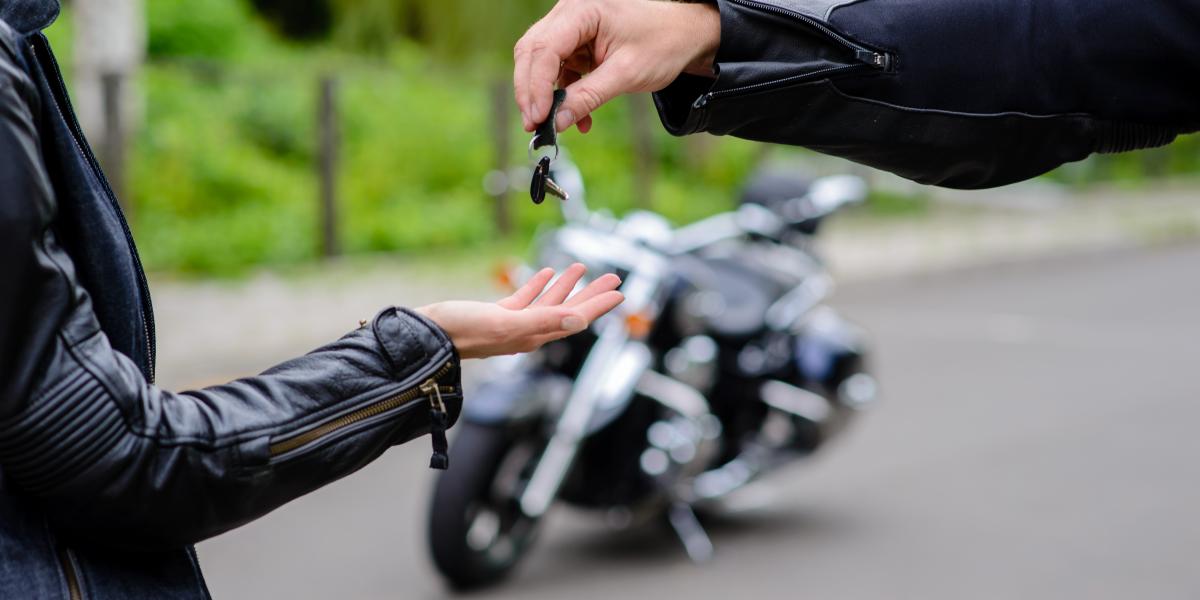
Buying a used motorcycle can be one of the best decisions a rider makes.
You avoid the steep depreciation that happens during the first few years of ownership, insurance is often cheaper, and sometimes you can find older bikes with more character and reliability than brand-new models loaded with electronics.
But buying used also comes with risk.
Unlike a car, a motorcycle gives you very little room for mechanical failure. Two tires, one engine, and a lightweight frame mean that neglected maintenance can quickly turn into a safety problem.
That is why inspecting a used motorcycle properly matters so much. A scratched fairing or faded paint is not a big deal. Hidden frame damage, old tires, or poor repairs absolutely are.
If you are shopping for a used motorcycle, here is a complete guide to what you should actually look for before handing over your money.
Why Buying a Used Motorcycle Makes Sense
New motorcycles lose value quickly.

According to Kelley Blue Book, motorcycles can lose a significant percentage of their value within the first few years, especially sport bikes and entry-level models.
You can check motorcycle values via this link: https://www.kbb.com/motorcycles/
That is why many experienced riders prefer buying used.
A good used motorcycle can offer:
· lower purchase cost
· cheaper insurance
· easier maintenance
· lower registration fees
· slower depreciation
But the biggest advantage is simple:
Someone else already paid the “new bike tax.”
The challenge is knowing whether the motorcycle was maintained properly.
Start With the Motorcycle’s History
Before checking mechanical parts, start with paperwork.
This step is less exciting than hearing the engine run, but it can save you from buying a serious problem.
Check the VIN
The Vehicle Identification Number (VIN) can help reveal:
· recalls
· theft records
· accident history
· title problems
You can check recalls through National Highway Traffic Safety Administration.
Source: https://www.nhtsa.gov/recalls
If the seller refuses to provide the VIN, walk away.
Ask for Maintenance Records
A well-maintained motorcycle usually comes with:
· oil change receipts
· tire replacement history
· service invoices
· chain maintenance records
Even handwritten notes are better than nothing.
A seller who cared for the motorcycle usually kept some type of maintenance history.
Ask How the Motorcycle Was Stored
This matters more than many buyers realize.
Motorcycles left outside for years may develop:
· rust
· battery problems
· cracked rubber
· faded wiring
· fuel system issues
Garage-kept bikes generally age better.
Inspect the Frame Carefully

The frame is the motorcycle’s backbone.
Cosmetic scratches are normal on used bikes. Frame damage is not.
Look closely around:
· steering head
· weld areas
· subframe
· foot peg mounts
Watch for:
· uneven paint
· fresh repainting
· cracks
· bent metal
· strange weld marks
These can indicate previous crashes.
A motorcycle can look clean while hiding major accident damage underneath.
Check the Engine for Warning Signs
A healthy engine should sound smooth and consistent.
When inspecting the motorcycle:
· start it cold if possible
· listen carefully at idle
· watch for smoke
Warning Signs Include
Knocking sounds
Can indicate internal engine wear.
Excessive ticking
Some ticking is normal on certain bikes, but loud ticking may signal valve issues.
Blue smoke
Usually means oil burning.
White smoke
Could indicate coolant problems.
Oil leaks
Inspect around:
· engine gaskets
· drain plugs
· valve covers
A small leak may not be serious. Multiple leaks usually suggest neglect.

Inspect the Chain and Sprockets
Many new buyers focus on the engine and ignore the drivetrain.
That is a mistake.
A neglected chain often tells you how the entire motorcycle was treated.
What to Look For
Rust
Surface rust may be manageable. Heavy rust is not.
Tight spots
Rotate the wheel and watch chain tension consistency.
Worn sprocket teeth
Teeth should look symmetrical.
Sharp or hooked teeth suggest heavy wear.
Check the Brakes Carefully
Motorcycle braking performance is critical for safety.
Inspect:
· brake pads
· brake rotors
· brake fluid
Brake Rotor Problems
Watch for:
· deep grooves
· discoloration
· uneven wear
Also squeeze the brake lever.
It should feel:
· firm
· responsive
· consistent
Soft or spongy brakes may indicate air or fluid problems.
How to Inspect Motorcycle Tires Properly
Tires are one of the most overlooked parts of a used motorcycle purchase.
And they are also one of the most important.
Motorcycles rely entirely on two small tire contact patches for:
· traction
· braking
· cornering
· stability
According to Motorcycle Safety Foundation, proper tire maintenance plays a major role in motorcycle safety and handling. (Source)
Signs Motorcycle Tires Need Replacement
Uneven Wear
Flat centers or uneven sides can indicate:
· incorrect tire pressure
· poor suspension setup
· aggressive riding habits
Sidewall Cracks
Cracked rubber often means the tires are aging out.
Even if tread remains, old rubber loses grip.
Low Tread Depth
Check wear indicators inside the tread grooves.
If the tread is close to those markers, replacement is near.
Check the Tire Age
Many buyers forget this.
Motorcycle tires age even if they were barely used.
Look for the DOT code on the sidewall.
The last four digits show production week and year.
Example:
· 2523 = 25th week of 2023

Tires that are more than five years old require annual inspection by a professional technician; tires exceeding ten years of age—even if their surfaces appear intact—must be replaced for safety reasons. (Source)
Why Tire Pressure Matters So Much on Motorcycles
Low tire pressure affects motorcycles more dramatically than cars.
Why?
Because motorcycles balance on only two tires.
Incorrect tire pressure can lead to:
· unstable handling
· reduced braking performance
· overheating
· faster tire wear
· increased blowout risk
Underinflated motorcycle tires generate excessive heat and wear faster. (Source)
This becomes especially important on:
· long rides
· highway trips
· hot weather rides
· fully loaded touring bikes
Emergency Gear Many Motorcycle Owners Forget
After finally buying the motorcycle, many riders immediately purchase:
· helmets
· jackets
· gloves
But forget emergency roadside tools.
That usually changes after the first unexpected problem.
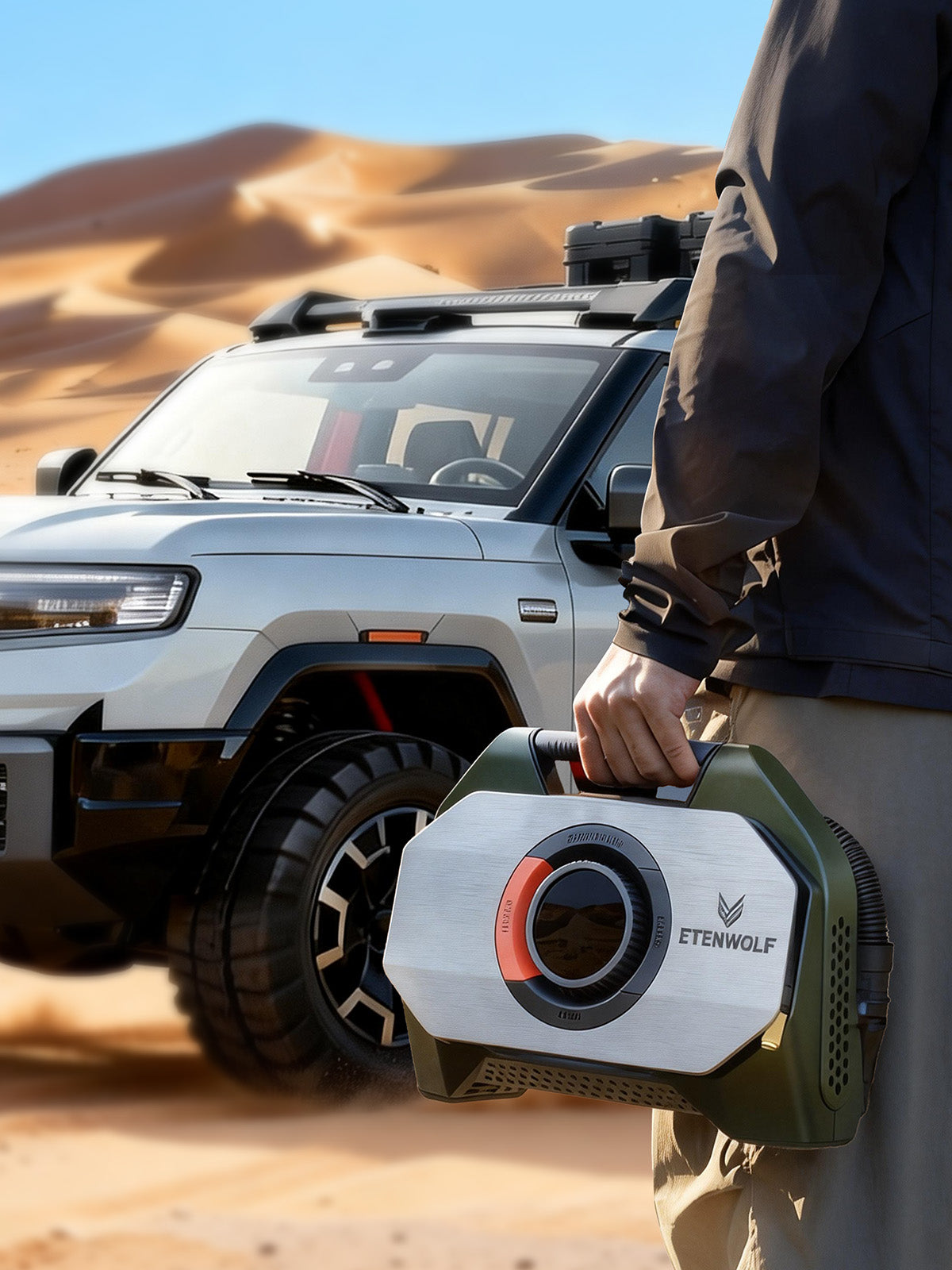
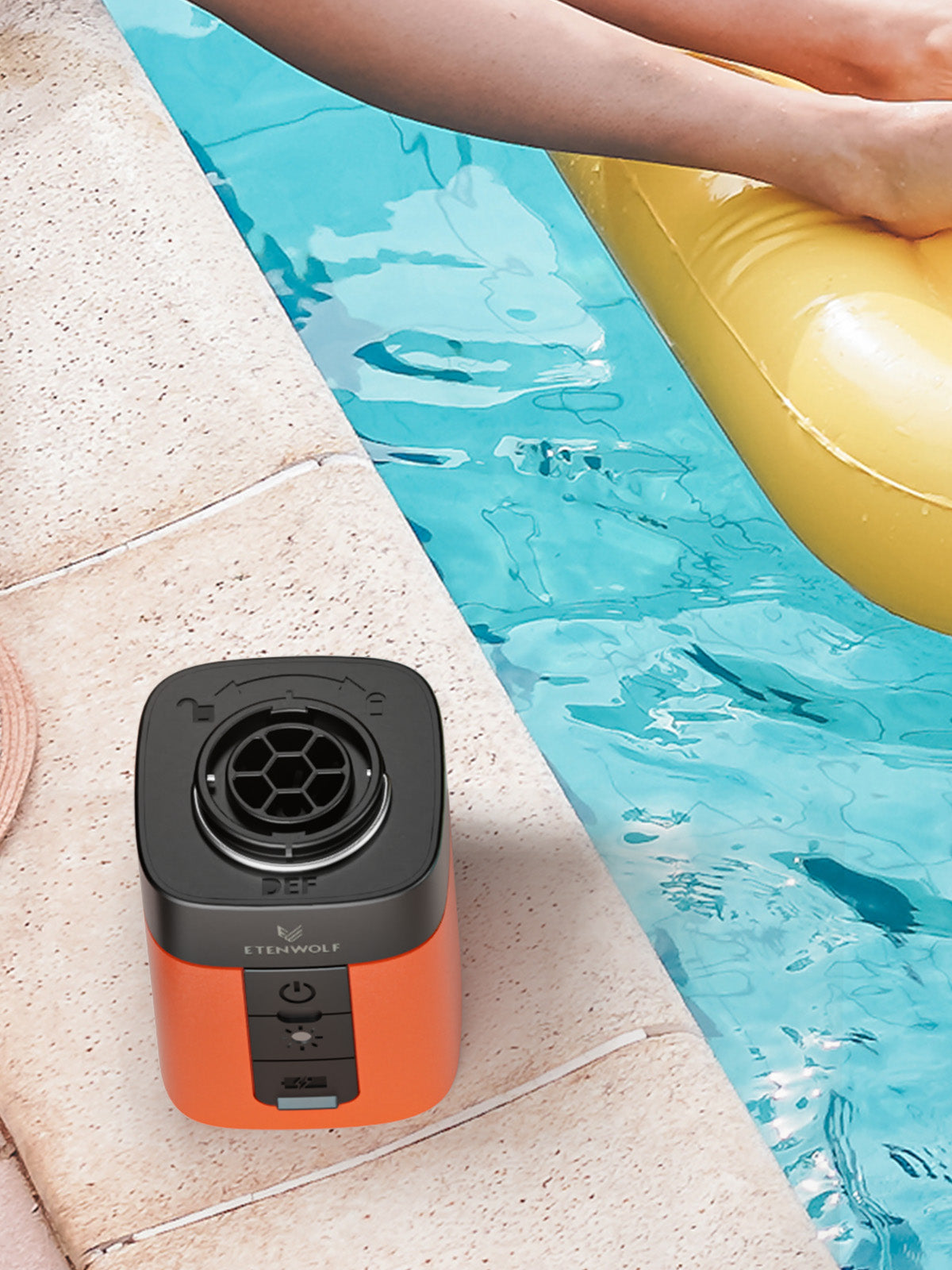
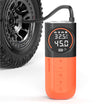
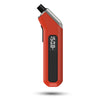
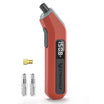
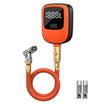
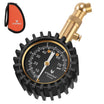
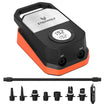
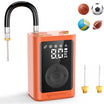
Why a Portable Tire Inflator Makes Sense

Motorcycle tire pressure changes faster than many people realize.
Temperature swings alone can alter PSI noticeably.
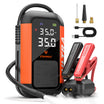
A compact tire inflator helps riders:
· maintain correct PSI
· avoid underinflation
· improve tire life
· reduce roadside risk
This becomes even more useful for:
· touring motorcycles
· adventure bikes
· long-distance riders
Tire Repair Kits Matter More Than Most Riders Think

A puncture in a car is frustrating.
A puncture on a motorcycle can become dangerous very quickly.
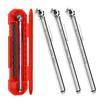
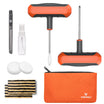
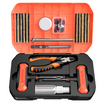
Many riders now carry compact tire repair kits for temporary roadside repairs until they can reach a proper shop safely.
It is not about replacing professional repair work.
It is about avoiding being stranded far from help.
Why Motorcycle Riders Often Carry Jump Starters

Motorcycles frequently sit unused:
· during winter
· between weekend rides
· during rainy seasons
That can slowly drain the battery.
Cold weather also weakens motorcycle batteries significantly.
Compact jump starters have become popular because they allow riders to restart dead batteries without needing another vehicle nearby.
A Practical Backup for Riders: ETENWOLF J1

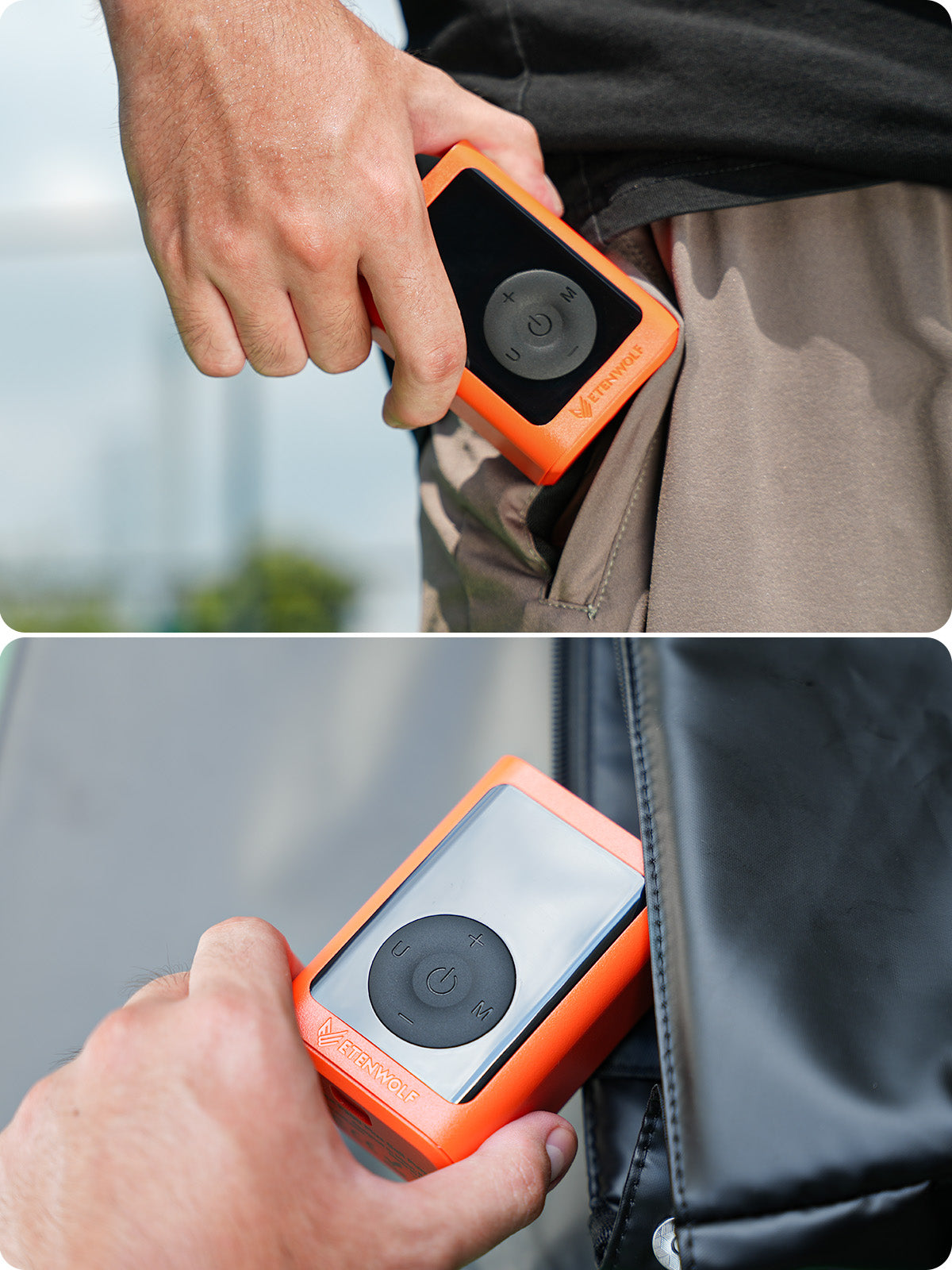
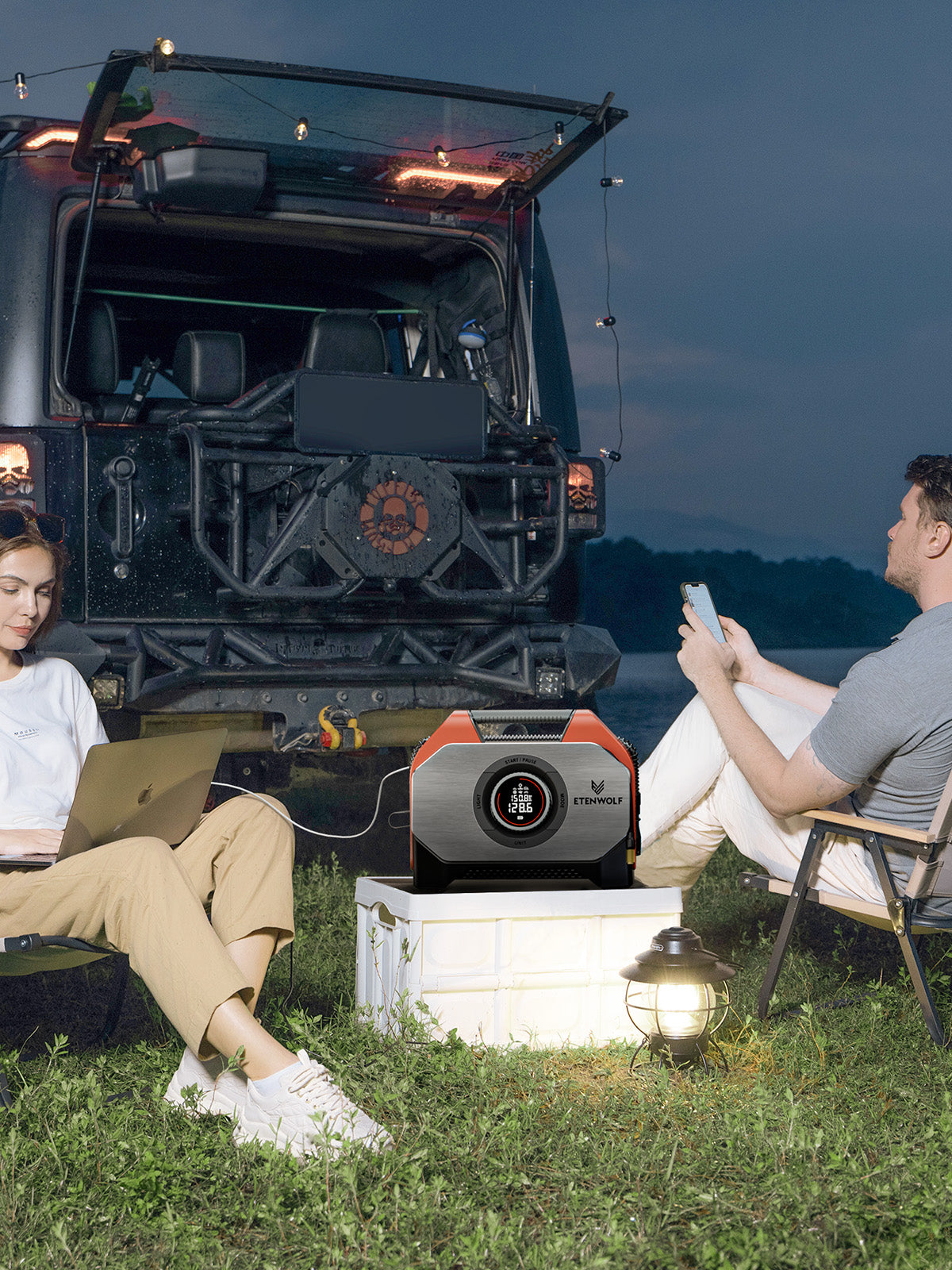
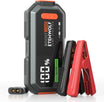
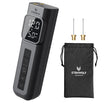
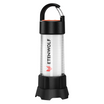
For riders who want a compact emergency backup, the ETENWOLF J1 Portable Car Battery Jump Starter fits naturally into motorcycle travel gear.
Its compact size makes it easy to store inside:
· saddlebags
· touring luggage
· backpacks
The J1 delivers:
· 2000 peak amps
· operation down to -4°F
· support for motorcycles, cars, trucks, and SUVs
It also includes:
· USB charging
· emergency flashlight
· spark-proof protection
· reverse polarity safety
For riders traveling long distances or exploring remote roads, having a self-contained backup solution simply adds peace of mind.

Final Thoughts
Buying a used motorcycle is exciting.
But excitement can sometimes make buyers overlook important details.
A shiny fuel tank or loud exhaust does not tell you whether the motorcycle is actually safe.
The smartest buyers pay attention to:
· frame condition
· tire age
· maintenance history
· brake wear
· chain condition
· battery health
Because in motorcycling, neglected maintenance is not just expensive.
It can become dangerous.
The good news is that most serious problems leave clues if you know where to look.
Take your time.
Inspect carefully.
Ask questions.
And once you finally bring the bike home, prepare for the unexpected with the right safety equipment before your first long ride.
FAQs
What mileage is too high for a used motorcycle?
Generally speaking, 20,000 to 50,000 miles is considered high mileage. But mileage matters less than maintenance. A well-maintained motorcycle with high mileage can still be reliable.
How do I know if motorcycle tires are too old?
Check the DOT code on the tire sidewall. Many manufacturers recommend replacing tires after about 5–6 years.
Can low tire pressure damage a motorcycle tire?
Yes. Underinflation increases heat buildup, uneven wear, and blowout risk.
Should I replace tires immediately after buying a used motorcycle?
If the tires are old, cracked, or worn unevenly, replacing them is often the safest choice.
What emergency gear should motorcycle riders carry?
Many riders carry:
· portable tire inflator
· tire repair kit
· compact jump starter
· flashlight
· basic tools
especially for long-distance riding.

Leave a comment
All comments are moderated before being published.
This site is protected by hCaptcha and the hCaptcha Privacy Policy and Terms of Service apply.