













Most drivers do not think about their spare tire until they are standing on the side of the road with a flat.
That is usually when the questions begin.
How far can you drive on a spare tire?
Is it safe on the highway?
Can a spare tire replace a normal tire permanently?
And if spare tires are only temporary, is there a better way to avoid needing one in the first place?
Modern vehicles have changed a lot over the years, but flat tires still happen every day. Nails, potholes, underinflation, heat, and road debris continue to damage tires across the United States.
According to National Highway Traffic Safety Administration, tire-related problems contribute to nearly 11,000 crashes every year. (Source)
That is why understanding how spare tires work—and how to avoid relying on them too often—is something every driver should know.
What Is a Spare Tire?
A spare tire is a backup tire designed to temporarily replace a damaged or flat tire so the vehicle can continue moving until proper repairs are made. (Source)
Most spare tires are stored:
· under the trunk floor
· beneath SUVs or trucks
· inside rear cargo compartments
But not all spare tires are the same.
Some are full-size replacements. Others are temporary emergency tires designed only for short-distance driving.
Types of Spare Tires
Full-Size Spare Tire

A full-size spare matches the size of the vehicle’s regular tires.
Advantages:
· safer handling
· better traction
· normal driving speeds possible
· longer driving range
Disadvantages:
· heavy
· takes up space
· increases vehicle weight
These are more common on:
· trucks
· off-road vehicles
· larger SUVs
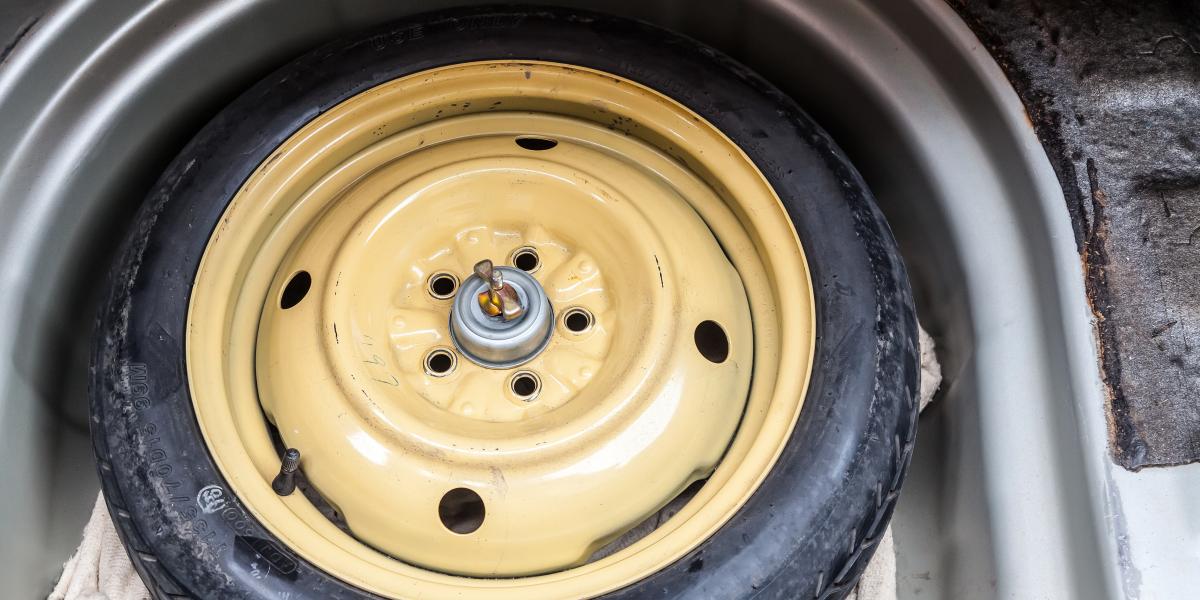
Temporary Spare Tire (“Donut”)

This is the small spare tire most drivers recognize.
It is lighter and smaller than a regular tire.
Advantages:
· compact
· easier to store
· lighter weight
· cheaper for manufacturers
Disadvantages:
· reduced traction
· limited speed
· limited driving distance
· less stable handling
Temporary spares are designed only to help drivers reach:
· a repair shop
· home
· a safe location
They are not intended for long-term use.
How Long Can You Drive on a Spare Tire?
This depends on the type of spare.
According to AAA, many temporary spare tires are only designed for about 50 miles of driving at speeds below 50 mph. (Source)
That recommendation exists for safety reasons.
Temporary spare tires use:
· smaller tread surfaces
· lighter construction
· reduced heat resistance
Driving farther or faster increases the risk of:
· overheating
· blowouts
· loss of vehicle control
Why Spare Tires Have Speed Limits
Many drivers underestimate how different a donut spare actually is.
A temporary spare tire changes:
· braking distance
· steering feel
· cornering stability
· traction balance
Because the tire is smaller and narrower, it cannot distribute vehicle weight the same way a standard tire can.
This becomes especially dangerous:
· during rain
· at highway speeds
· on rough roads
· during sudden braking
That is why most temporary spares display:
“MAX 50 MPH”
directly on the tire itself.
Can You Drive Long Distance on a Spare Tire?
Technically possible? Sometimes.
Recommended? No.
Even if the spare still “looks fine,” the internal construction was never designed for extended driving.
Long-distance driving on a temporary spare can lead to:
· excessive heat buildup
· uneven wear
· tire separation
· reduced braking stability
This is especially risky on:
· trucks
· loaded SUVs
· hot summer roads
A spare tire is best viewed as a temporary emergency solution—not a replacement for proper tire repair.
How to Choose the Right Spare Tire
Many drivers never check their spare until they need it.
That can become a problem very quickly.
Important Things to Check
Tire Size Compatibility
A full-size spare should match:
· tire diameter
· width
· load rating
Improper sizing can affect:
· ABS systems
· traction control
· drivetrain balance
Tire Age
Spare tires age too.
Even unused tires slowly degrade over time.
According to Michelin, tires should be inspected regularly regardless of mileage because rubber deteriorates with age. (Source)
A spare hidden in the trunk for 10 years may not be safe anymore.
Tire Pressure
This is one of the biggest mistakes drivers make.
Many spare tires are completely flat when finally needed.
Check spare tire pressure periodically, especially before:
· road trips
· winter driving
· camping trips
How to Install a Spare Tire Safely

Changing a tire sounds simple until you need to do it beside a highway at night.
Basic steps include:
Step 1: Park Safely
Move away from traffic if possible.
Turn on hazard lights.
Step 2: Use Wheel Chocks
Prevent rolling whenever possible.
Step 3: Loosen Lug Nuts Before Lifting
This makes removal easier.
Step 4: Raise the Vehicle Properly
Use the manufacturer’s recommended jack points.
Incorrect lifting can damage the vehicle.
Step 5: Install the Spare Tire
Tighten lug nuts in a star pattern.
Step 6: Drive Slowly
Temporary spare tires are not designed for aggressive driving.
Why Many Modern Cars No Longer Include Full-Size Spares
Manufacturers increasingly prioritize:
· fuel efficiency
· cargo space
· lighter vehicle weight
As a result, many vehicles now include:
· temporary spares
· tire sealant kits
· inflator kits
· or no spare at all
This saves space, but it also shifts more responsibility onto drivers.
The Problem With Relying Entirely on Spare Tires
Spare tires solve only one problem:
getting the vehicle moving again temporarily.
They do not:
· repair the damaged tire
· prevent future punctures
· restore full safety performance
And carrying a large spare permanently also comes with downsides:
· reduced cargo space
· extra vehicle weight
· awkward storage
That is why many drivers today focus more on preventing tire damage before it happens.
Tire Pressure: The Most Overlooked Tire Protection Habit

Low tire pressure is one of the biggest causes of tire stress.
Underinflated tires generate:
· more heat
· uneven wear
· sidewall flex
· increased blowout risk
According to U.S. Department of Energy, proper tire inflation also improves efficiency and reduces tire wear. (Source)
In other words:
Keeping tires properly inflated can help reduce the chances of ever needing the spare tire at all.
Why Portable Tire Inflators Are Becoming More Popular

Instead of waiting until a tire becomes dangerously low, many drivers now carry portable inflators for regular maintenance.
This is especially useful for:
· trucks
· SUVs
· off-road vehicles
· road trips
· towing setups
Where the ETENWOLF Vortex S7 Fits In
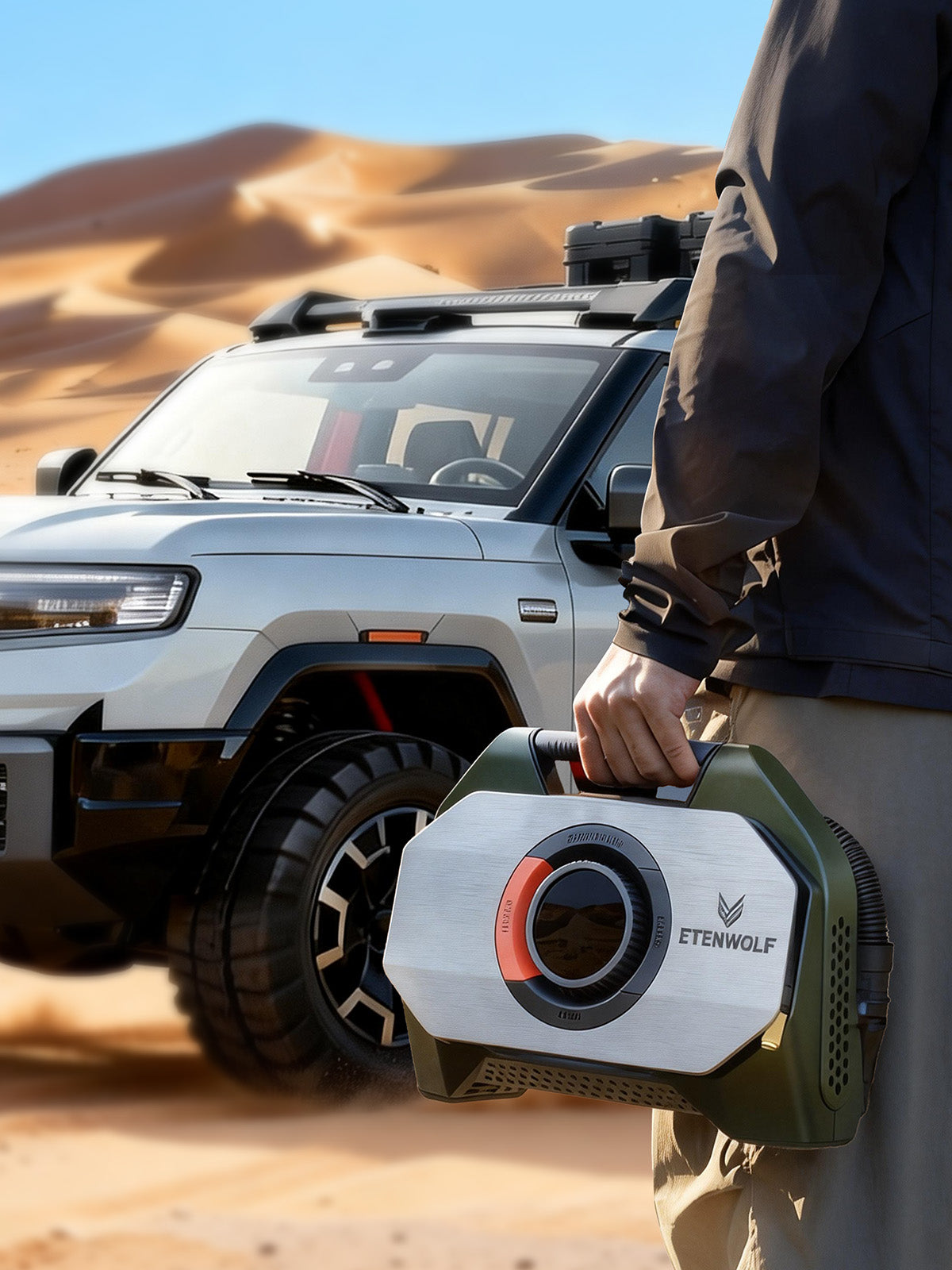
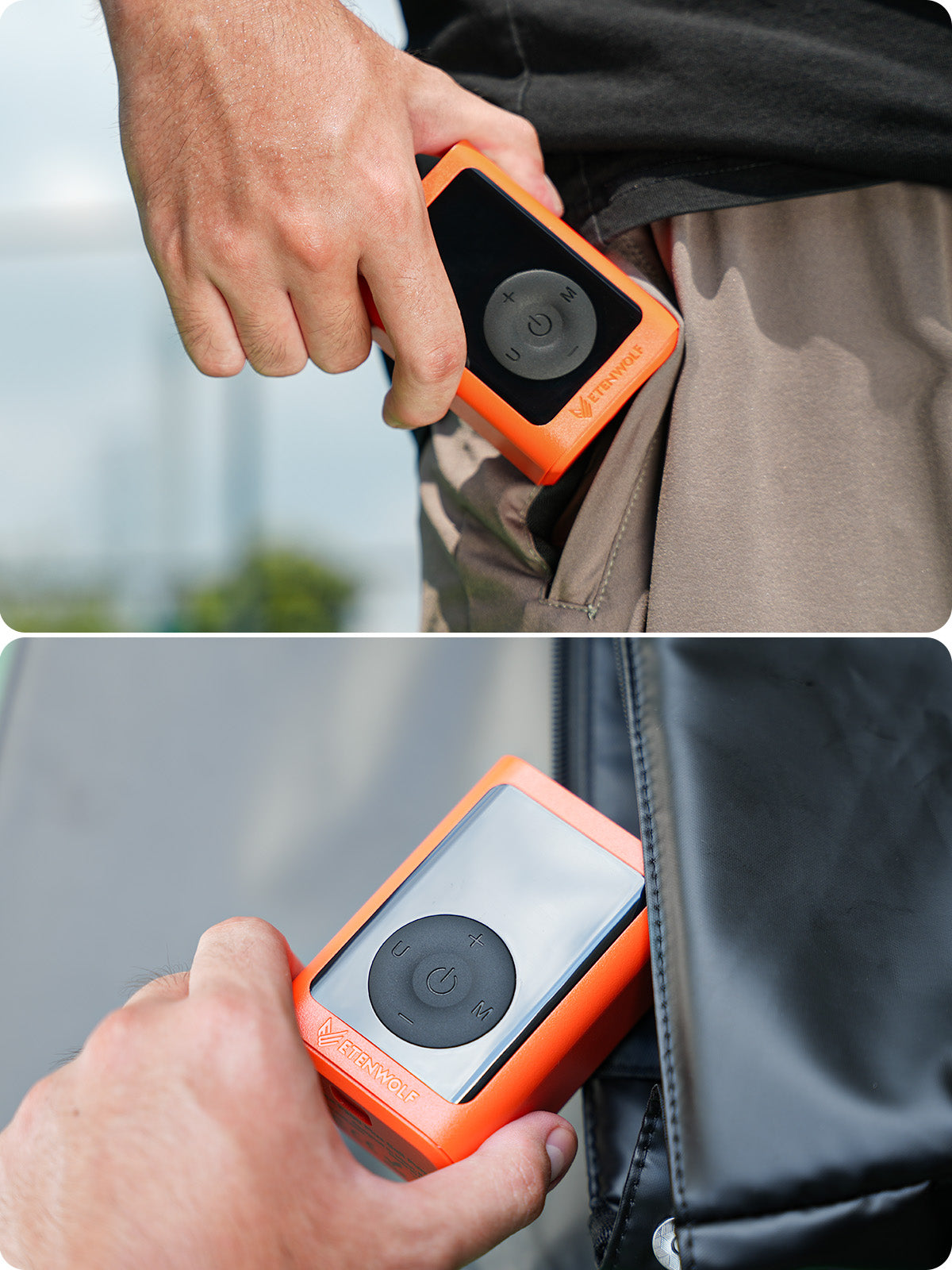
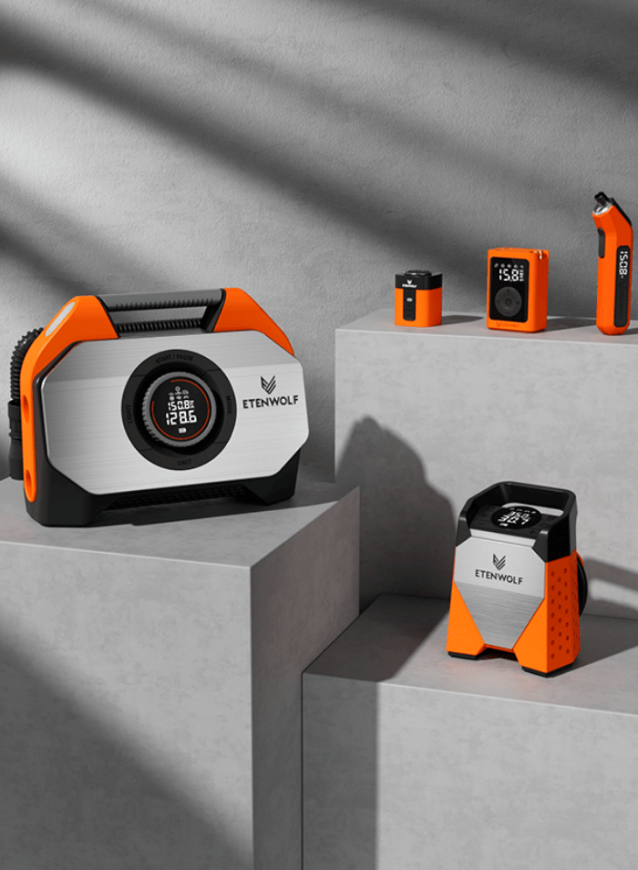
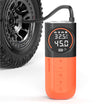
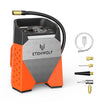
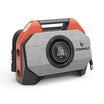
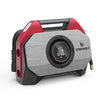
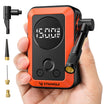
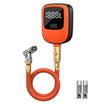
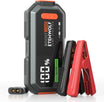
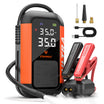
The ETENWOLF Vortex S7 Heavy Duty Tire Inflator is designed for drivers who want faster, more reliable tire inflation without depending on gas station air pumps.
Unlike small inflators that struggle with larger tires, the S7 is built for:
· pickups
· SUVs
· off-road vehicles
· heavy-duty tires
Its dual-motor system delivers:
· 52 L/min airflow
· up to 160 PSI
· inflation for a 30-inch SUV tire in about 30 seconds
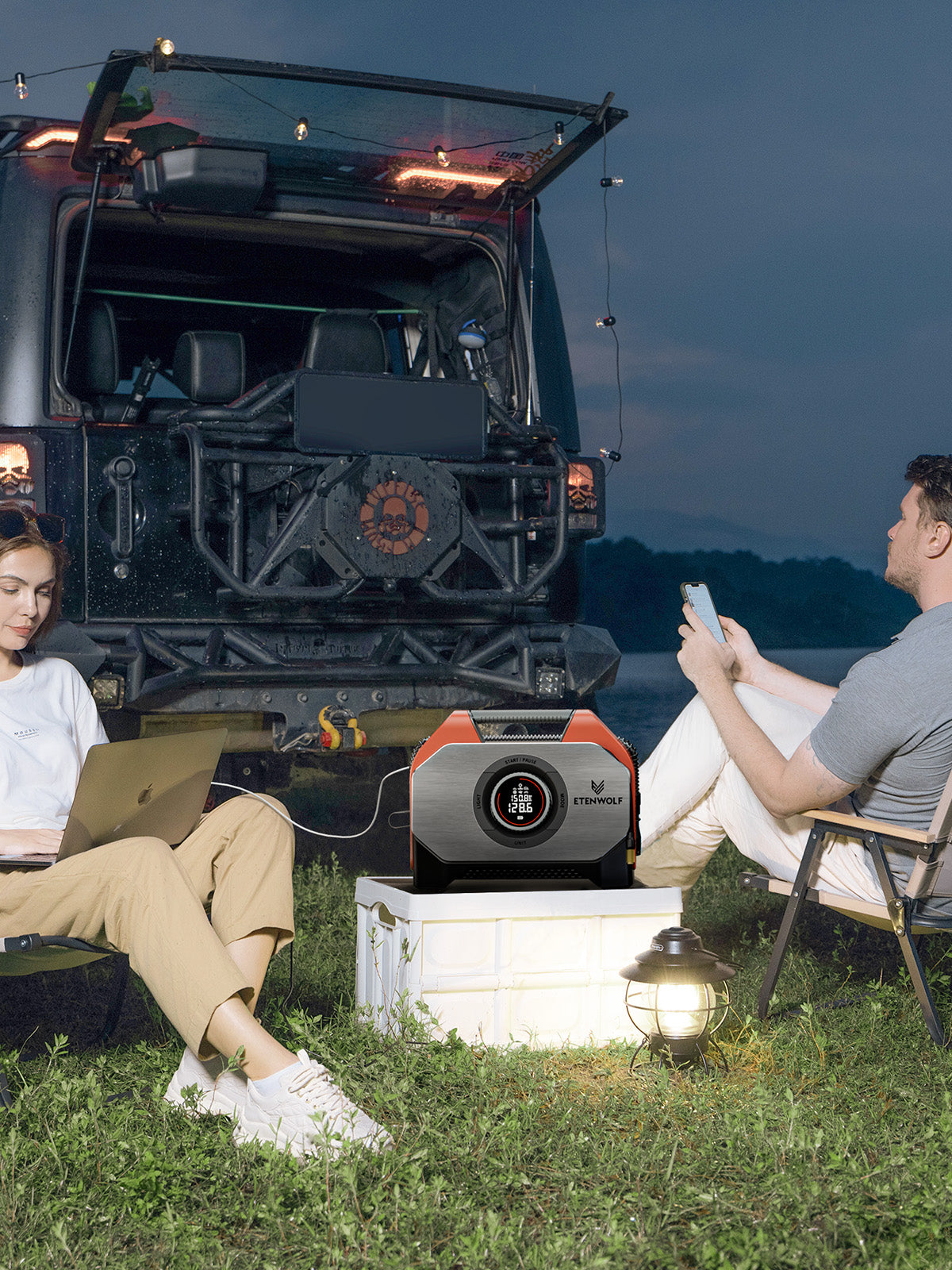
The large 38,400mAh battery also makes it practical for:
· road trips
· overlanding
· emergency use

Most importantly, maintaining proper tire pressure regularly helps reduce:
· uneven tire wear
· overheating
· blowout risk
which may help drivers avoid relying on spare tires in the first place.
Are Tire Repair Kits More Practical Than Spare Tires?

In many situations, yes.
Small punctures from nails or screws are often repairable temporarily without replacing the entire tire immediately.
That is why compact tire repair kits have become increasingly common.
Why Drivers Like Tire Repair Kits
Compared with spare tires, repair kits are:
· easier to store
· lighter
· faster to access
· more practical for small punctures
For many common tread punctures, a repair kit may get the vehicle safely moving again long enough to reach a tire shop.
ETENWOLF Flat Tire Repair Kit

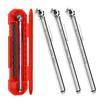
The ETENWOLF Flat Tire Repair Kit is designed for portable emergency tire repairs across:
· cars
· motorcycles
· trucks
· SUVs
· trailers
· ATVs
Its compact case stores easily inside:
· trunks
· toolboxes
· cargo compartments
The kit includes:
· stainless steel T-handle tools
· multiple repair plug sizes
· ergonomic grips for easier force application
For many drivers, combining:
· a portable tire inflator
· a repair kit
creates a more convenient emergency setup than relying entirely on a bulky spare tire alone.
Final Thoughts
Spare tires still matter.
But they were never designed to be permanent solutions.
Most temporary spare tires are only intended to help you safely reach a repair shop—not replace proper tire maintenance.
And while carrying a spare tire is important, preventing tire problems before they happen is even smarter.
Regular tire pressure checks, proper inflation, and keeping basic roadside tools nearby can dramatically reduce the chances of being stranded in the first place.
Because the best spare tire is often the one you never have to use.
FAQs
How long can you safely drive on a spare tire?
Most temporary spare tires are designed for about 50 miles at speeds below 50 mph.
Can you drive on the highway with a spare tire?
Not safely with a donut spare. The 50 mph speed cap makes highway driving inadvisable. If you have a matching full-size spare, highway speeds are generally acceptable, but drive conservatively and replace it promptly.
Is a spare tire a permanent replacement?
No. Spare tires are temporary emergency solutions and should be replaced with a proper tire repair or new tire.
How often should spare tire pressure be checked?
At minimum, every oil change. Spare tires lose pressure slowly over time even when unused, and a flat spare is no help in an emergency.
Can low tire pressure cause tire damage?
Yes. Underinflation increases heat buildup, uneven wear, and blowout risk.
Are tire repair kits better than spare tires?
They serve different purposes, but repair kits are often lighter, easier to store, and more practical for small punctures.



Leave a comment
All comments are moderated before being published.
This site is protected by hCaptcha and the hCaptcha Privacy Policy and Terms of Service apply.