


Stand Up Paddle Boarding—often shortened to Paddle Board or SUP—has become one of the fastest-growing water sports in the world. From calm lakes and winding rivers to ocean coastlines, paddle boards are everywhere. But what exactly is paddle boarding, where did it come from, and what should you prepare before heading out for your first (or next) ride?
In this guide, we’ll break down:
What paddle boarding is and why it became so popular
The origins of SUP and how it evolved
Safety and preparation tips every paddler should know
How proper trip preparation—including vehicle readiness—plays a role
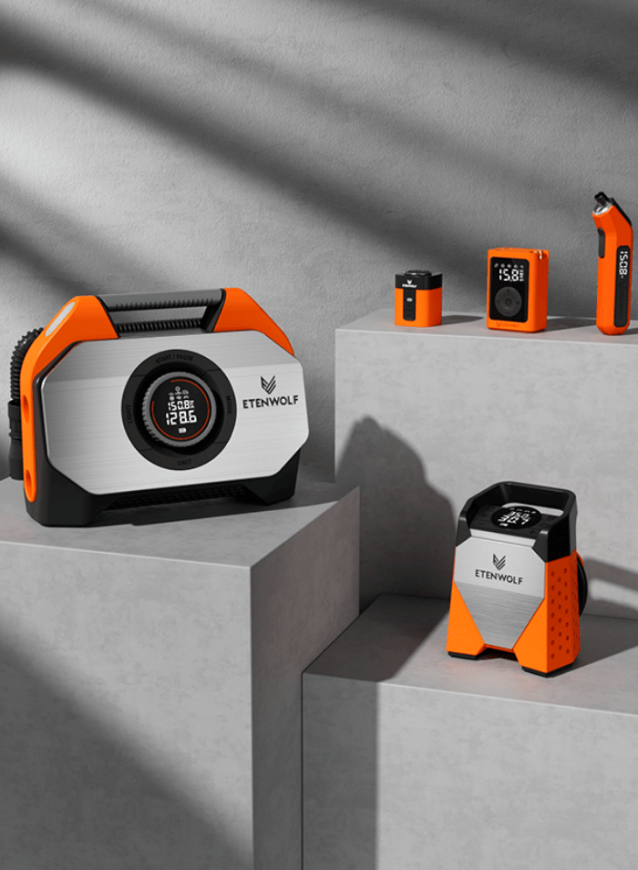
And how the ETENWOLF S4 Paddle Board Pump fits naturally into a smarter, safer SUP setup
What Is Paddle Boarding?
Paddle boarding is a water sport where a person stands (or kneels) on a large, stable board and uses a single-blade paddle to move across the water. The most common form today is Stand Up Paddle Boarding (SUP). (Source)

Unlike surfing, SUP does not rely on waves. Riders can paddle on:
Flatwater lakes
Rivers
Coastal ocean areas
Bays and reservoirs
Because of its low learning curve and versatility, paddle boarding appeals to:
Beginners and families
Fitness enthusiasts
Anglers
Yoga practitioners
Outdoor travelers
According to the Market Data Forecast, paddle boarding has consistently ranked among the top water sports by participation growth in the Global (Source)

How Did Paddle Boarding Become So Popular?
The Modern SUP Boom
While paddle boarding looks modern, its rise in popularity happened mainly in the early 2000s. Surf instructors in Hawaii began using paddles to stand on longboards so they could:
Spot incoming waves more easily
Monitor students from a distance
This technique spread rapidly thanks to:
Professional surfers promoting SUP
Improved inflatable board technology
Social media showcasing scenic paddling locations
By the 2010s, inflatable paddle boards (iSUPs) made the sport more accessible, allowing people to:
Transport boards in cars
Store them in apartments
Paddle far from traditional surf beaches
The SUP market growth has been backed by data from Statista, which shows steady global expansion of paddle sports participation. (Source)
The Origins of Paddle Boarding
Paddle boarding is often associated with Hawaii, but its roots go much deeper.
Ancient Origins
Ancient Polynesians used long boards and paddles for fishing and travel
Peruvian fishermen used reed watercraft with paddles thousands of years ago
Hawaiian Influence
Modern SUP is most closely linked to Hawaii, where instructors known as “Beach Boys” stood on boards with paddles in the 1940s and 1950s.
This mix of ancient water travel and modern surf culture laid the foundation for today’s paddle boarding movement.
Why Paddle Boarding Appeals to So Many People
Paddle boarding stands out because it offers multiple benefits in one activity:
1. Full-Body Workout
SUP engages:
Core muscles
Arms and shoulders
Legs for balance
According to Harvard Health Publishing, paddle boarding provides moderate aerobic exercise while improving balance and strength. (Source)
2. Low Impact
Unlike running or high-impact sports, paddle boarding is gentle on joints, making it suitable for all ages.
3. Mental Wellness
Being on calm water has proven stress-reduction benefits. Studies published by Frontiers in Psychology show water-based outdoor activities improve mood and reduce anxiety. (Source)
Paddle Board Safety: What You Need to Know
While paddle boarding looks relaxing, preparation and safety matter.
Essential Safety Tips
Always wear a personal flotation device (PFD)
Use a leash to stay connected to your board
Check weather and wind conditions
Start on calm, flat water if you’re a beginner

Equipment Check Before You Leave
Before heading to the lake or beach, make sure:
Your board is properly inflated
Fins are secure
Paddle length is adjusted
Pump and accessories are packed
Many SUP issues happen before you even reach the water, especially during transportation.
Why Trip Preparation Starts With Your Car
Reaching the launch often begins behind the wheel. From there, how you handle your ride ties directly to staying safe on arrival.
Before loading your paddle board and gear:
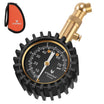
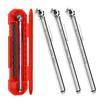
Check tire pressure.
Check the tread condition.
The U.S. National Highway Traffic Safety Administration says tires that are too low raise crash odds while reduce fuel efficiency. (Source)
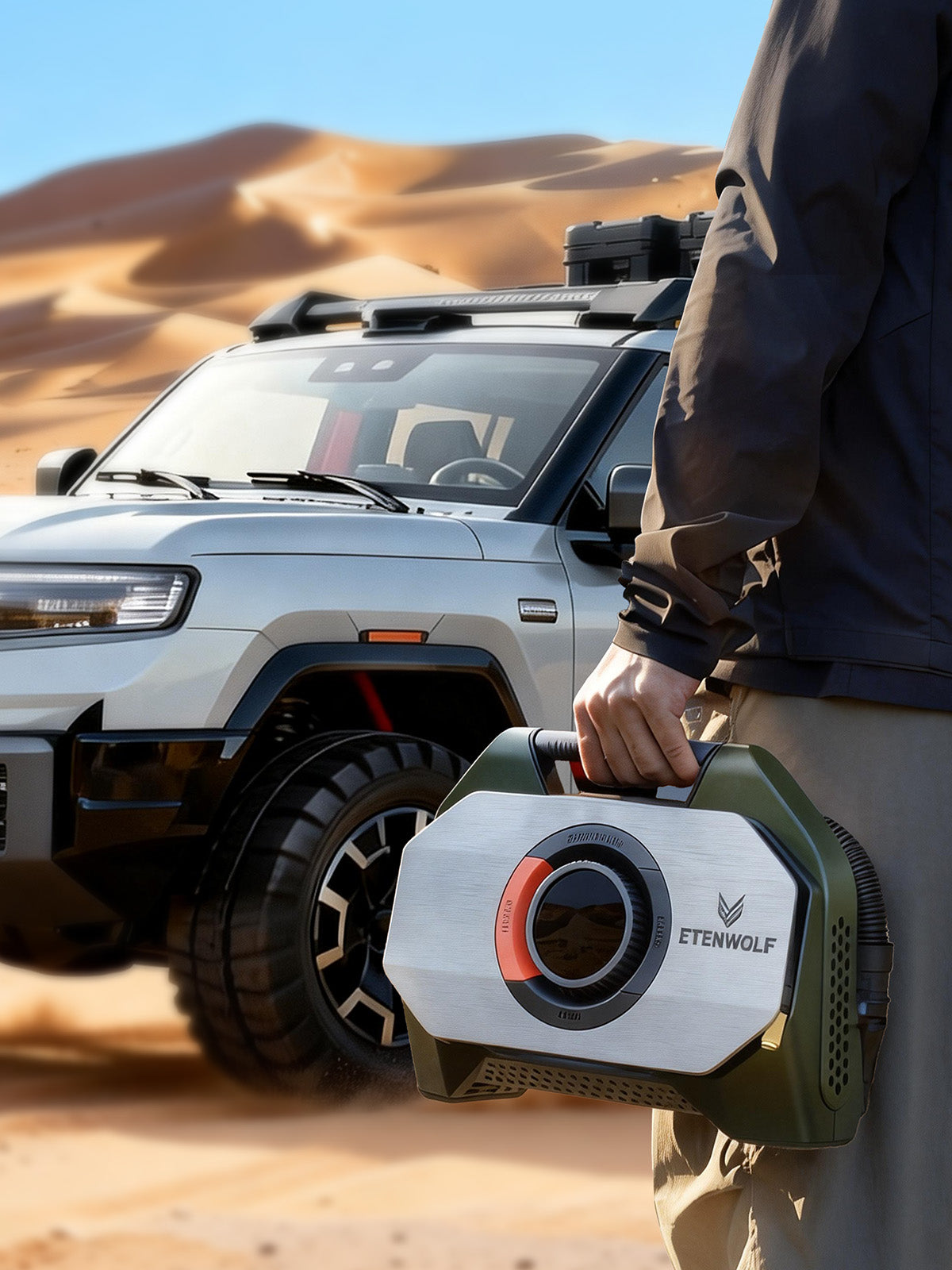
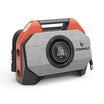
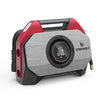
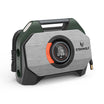
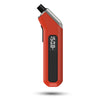
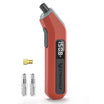
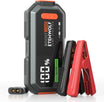
Therefore, always check your tires to ensure they are in good condition and have the correct tire pressure before setting off. You can use the ETENWOLF Vortex S7 Heavy Duty Tire Inflator to check and inflate the tires.

The ETENWOLF Vortex S7 operates as a dependable instrument that serves as a heavy-duty model instead of being considered a simple gadget.
The system includes multiple capabilities that enable its operation.
High-output dual motors
The battery with high storage capacity to perform multiple inflation cycles.
Precise pressure control with auto shutoff.
Built-in lighting for night use
The system addresses all the problems that make small low-power inflators ineffective for big vehicles.
Inflating Your Paddle Board: Why the Right Pump Matters
Most inflatable paddle boards need between 12 and 20 pounds of pressure. When you try to reach that by hand, things might get tricky.
Set aside ten to twenty minutes
By the time you start rowing, exhaustion hits hard. Effort feels heavy from the start.
Sometimes the pressure isn’t steady. That can happen.
Here’s something clear - a solid electric pump changes how things work.
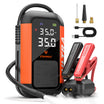
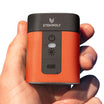
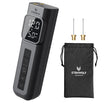
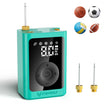
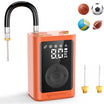
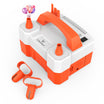
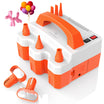
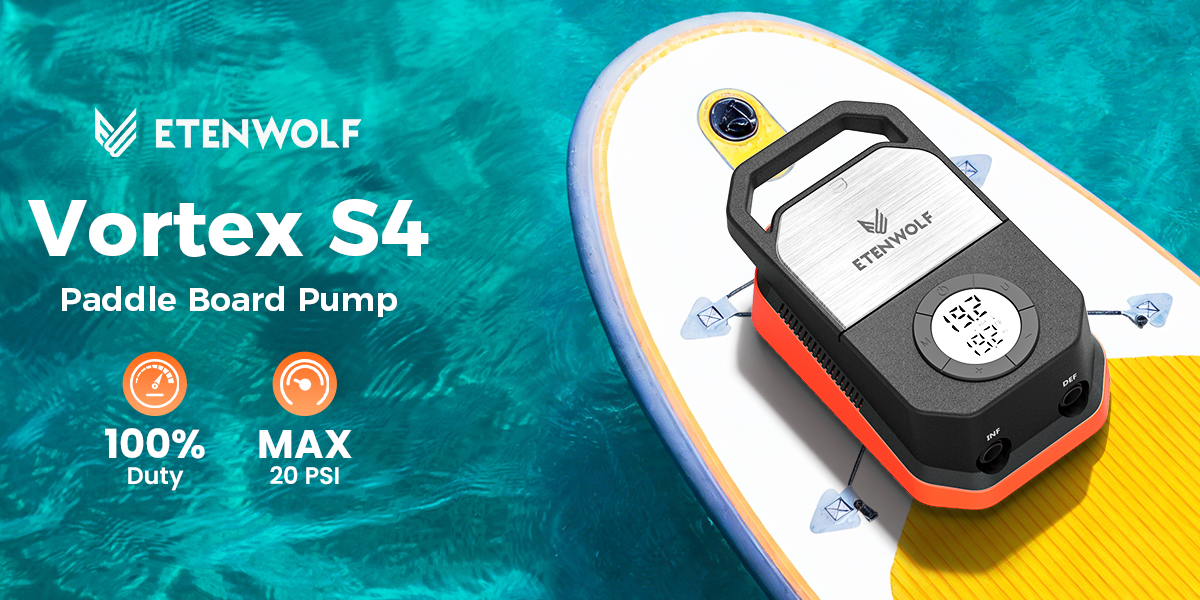
Meet the ETENWOLF S4 Paddle Board Pump

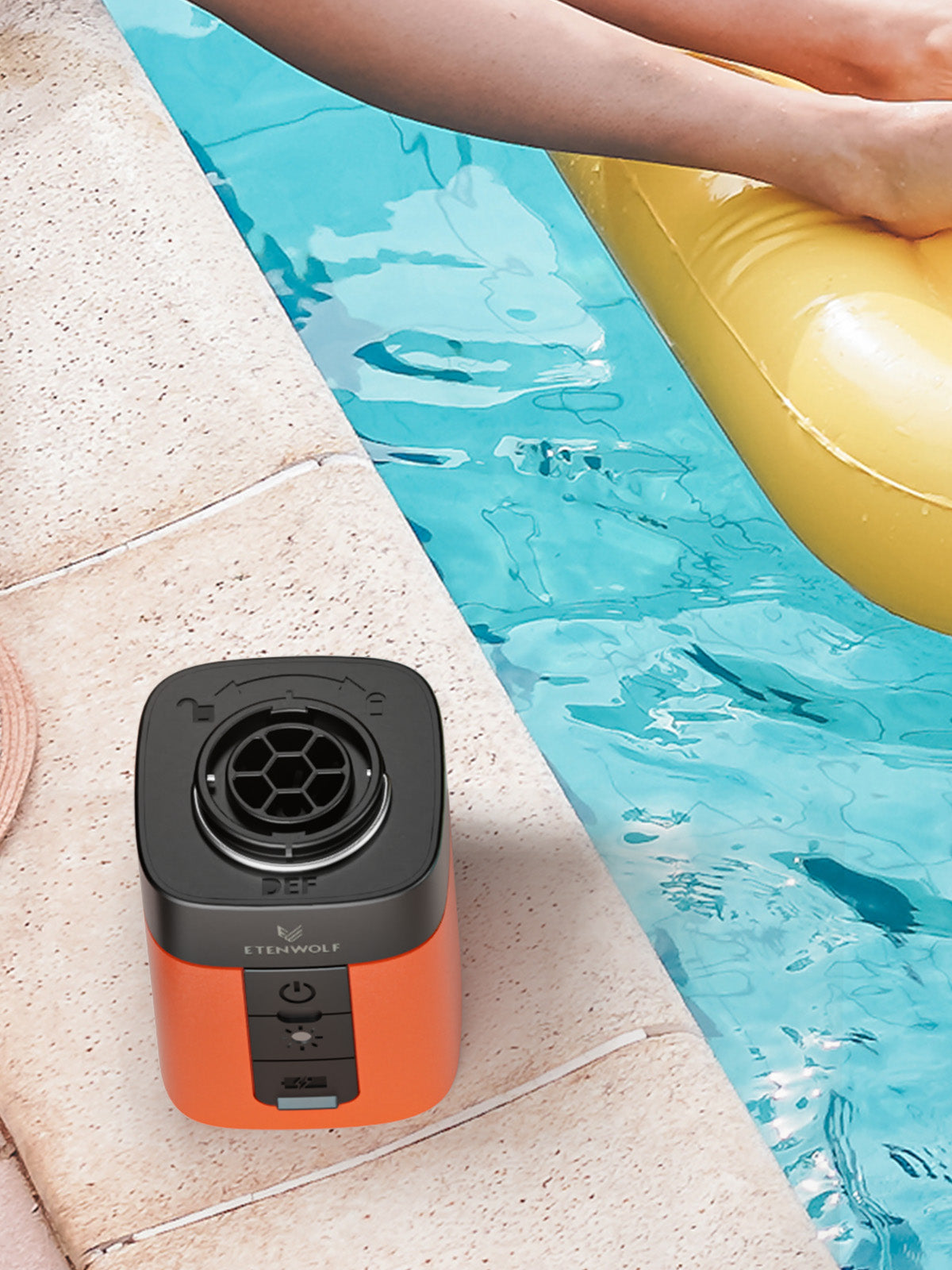
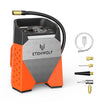
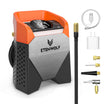
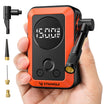
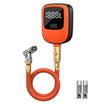
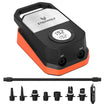
The ETENWOLF S4 Paddle Board Pump is designed specifically for SUP users who value speed, accuracy, and convenience.
4× Faster Dual-Stage Inflation
The S4 uses a dual-stage inflation system:
Turbo boost: 0–1 PSI at 600 L/min
High-pressure stage: 1–20 PSI at 70 L/min
This smart transition keeps pressure steady, yet cuts the overall inflation time by a lot - so there's less waiting, more swimming.

One Pump for All
Seven changeable nozzles make the S4 fit these jobs -
Stand Up Paddle Boards
Kayaks and paddle boats
Rafts and air mattresses
Tents and similar inflatables
A single pump handles several tools at once, right from your gear bag.

Easy to Operate Anywhere
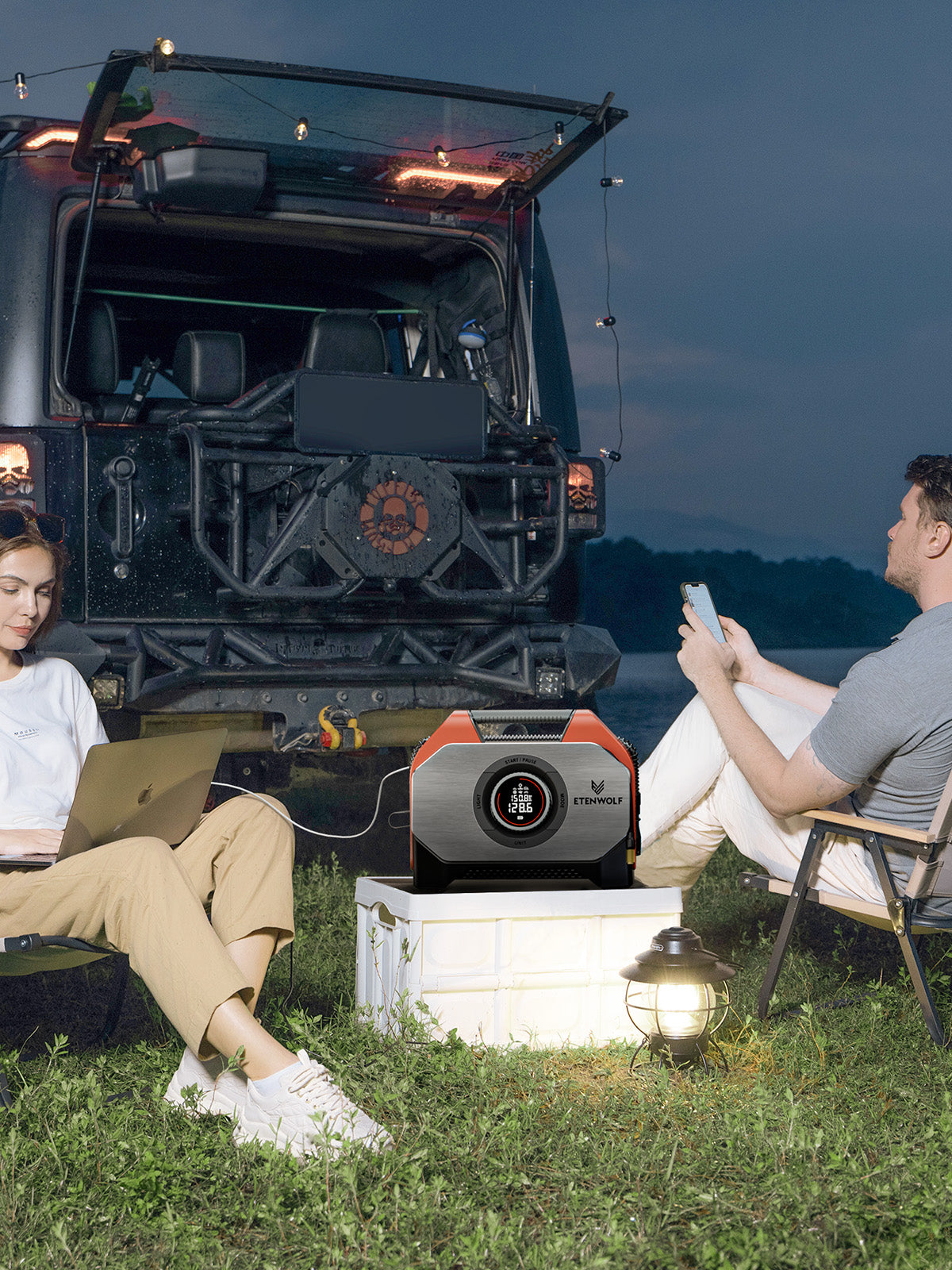
The 12V DC car connector plugs directly into your vehicle’s cigarette lighter—perfect for:
Beach parking lots
Lakeside campsites
Road trip SUP adventures
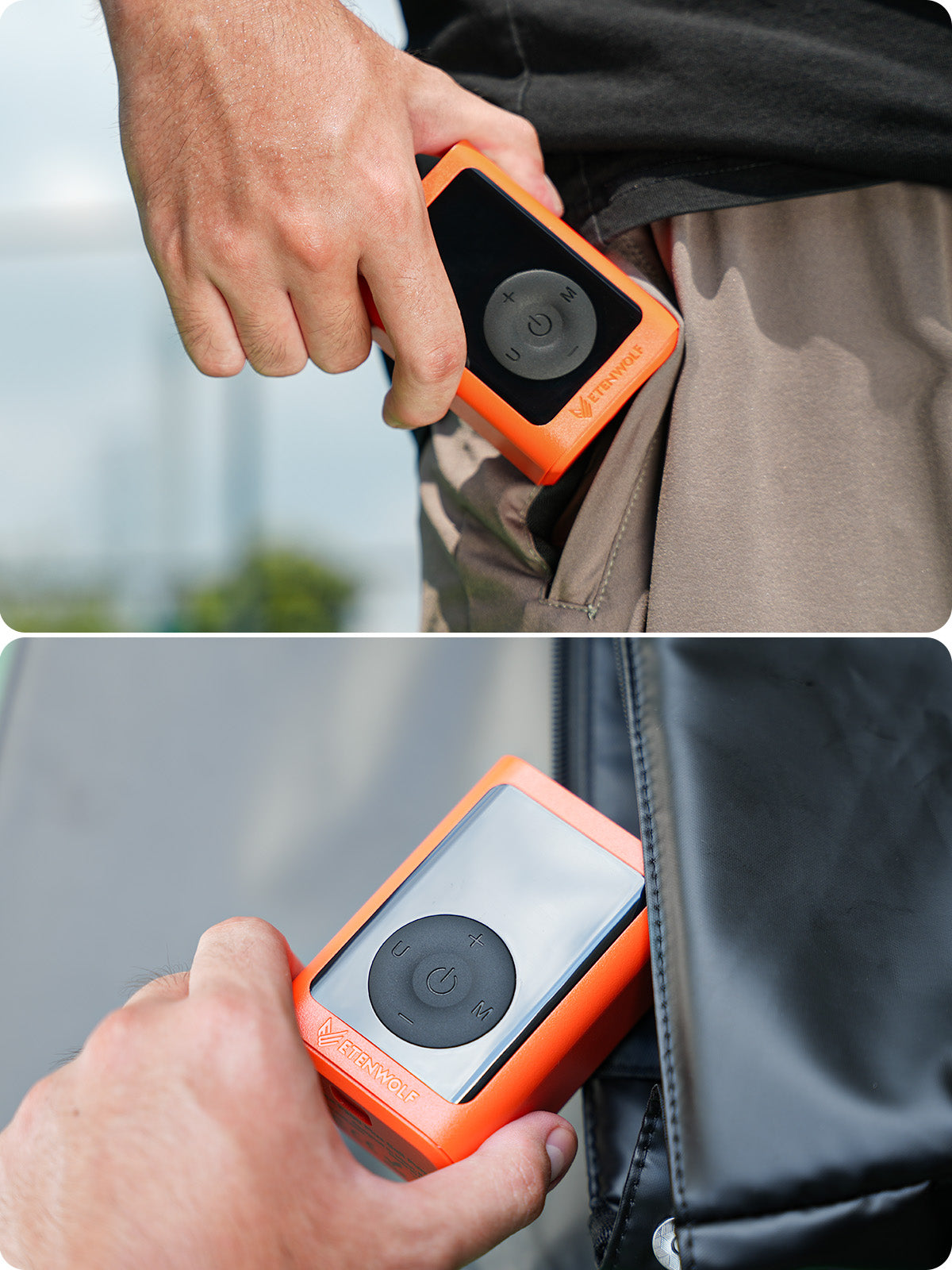
On its face, the LCD shows ongoing pressure levels. Pick a goal pressure, hit begin, then the tool pauses once reached - no chance of too much squeeze.
Precise Inflation & Fast Deflation
Supports PSI, BAR, and KPA unit switching.
Temperature control built right into devices for safe operation
Quicker teardown happens with fast deflation mode. Easier too. That part clears up faster.
Easy to Carry
A built-in handle makes carrying easy, while a cable storage when not in use - perfect for those who ride stand-up paddleboards and want things to move smoothly.
Final Thoughts: Paddle Smarter, Not Harder
Out on the water, paddle boarding feels less like an activity and more like how someone lives - moving with nature, needing care in setup. Starting from where it began matters, just like making sure your tires are good enough for the trip. Every step plays a role in a smoother experience.
Starting strong means having what you need before heading out. Tools such as the ETENWOLF S4 Paddle Board Pump and ETENWOLF Vortex S7 Heavy Duty Tire Inflator help make routine tasks easier. You can focus less on setup and more on enjoying the water.
FAQs
Is paddle boarding good for beginners?
Yes. Paddle boarding has a low learning curve and is suitable for beginners, especially on calm lakes and flatwater locations.
How much PSI does a paddle board need?
Most inflatable paddle board needs pressure between 12 and 20 PSI. Look up what the maker says first.
Can I inflate a paddle board using my car?
That’s right. Devices such as the ETENWOLF S4 plug straight into a car’s 12V battery terminal, suited well for outings near water like shores or lakes.
Why is tire pressure important before a paddle board trip?
Proper tire pressure improves vehicle handling, safety, and fuel efficiency—especially when driving with outdoor gear.
Can a electric paddle board pump really deliver?
When you paddle often, using an electric pump means less effort, faster results, while keeping your gear properly inflated - this change can really help.


Leave a comment
All comments are moderated before being published.
This site is protected by hCaptcha and the hCaptcha Privacy Policy and Terms of Service apply.