
















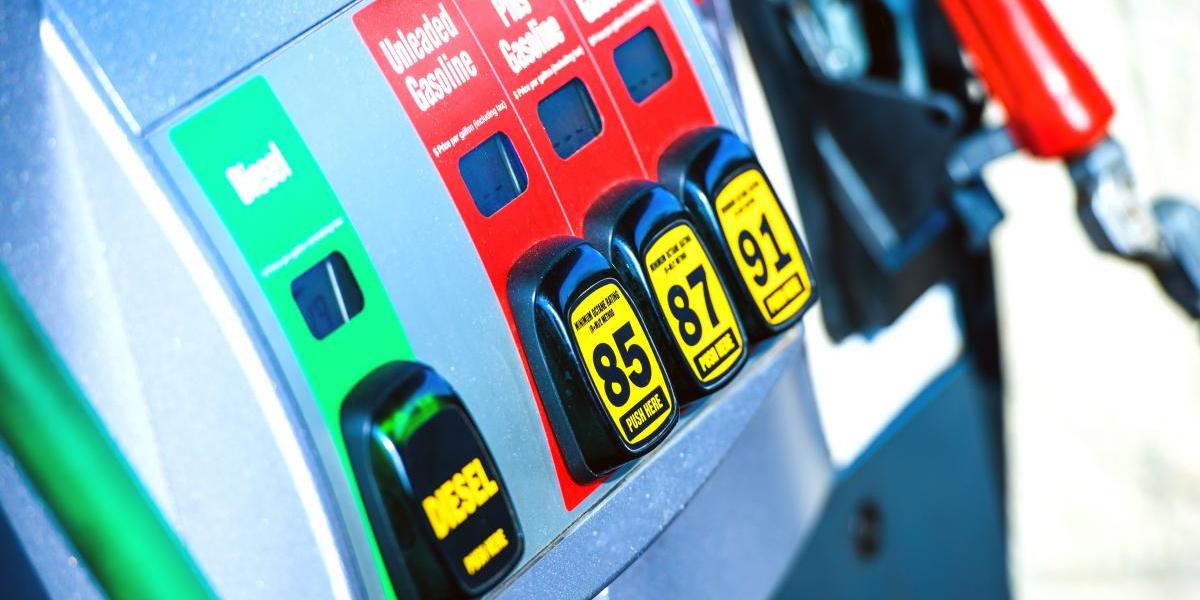
Car owners often discuss which type of gasoline should be used in which vehicles, and what the corresponding octane rating should be. But what exactly is octane rating? Does the type of gasoline affect fuel economy? Are there other ways to save on fuel?
In this post, we’ll break down:
What kinds of gasoline are sold in the U.S.
What octane ratings really mean
Why tire pressure affects your miles per gallon
How maintaining proper tire pressure can save you money
A practical solution to keep your tires at the right pressure
1. Gasoline Grades in the United States: What’s on the Pump?
In the U.S., most retail gasoline stations sell three standard grades of gasoline distinguished by octane rating:
Regular gasoline — typically 87 octane
Midgrade — usually 89–90 octane
Premium — generally 91–94 octane
Different grades of gasoline (gas) are identified by their octane ratings. Octane is the measure of a gasoline's ability to prevent premature ignition or "knock". Higher numbers indicate a higher resistance to knock.
You may encounter gas station names like “Unleaded,” “Super,” “Plus,” and “Premium,” but all lead back to the four basic octane levels outlined above. (Source)
2. What Does Octane Rating Really Mean?
High Octane Gasoline Isn’t Better Fuel for Small Engines The common belief that higher-octane fuel burns more efficiently and burns a greater amount of fuel is a myth. Higher-octane numbers measure the resistance of the fuel to auto-ignition in the engine cylinder. Higher octane doesn't mean that the fuel burns more efficiently or produces more energy. Higher-octane ratings simply indicate a resistance to auto-ignition that is generally a benefit to higher-compression engines, designed for its benefits.
Here’s the practical takeaway:
If the recommended gasoline octane rating in your owner’s manual is 87, there is little benefit from using higher-octane gasoline (such as 91 or 93).
Using a higher octane grade of gasoline in your vehicle won't improve your fuel efficiency. If a higher octane grade is required for performance or detonation control, then using the correct grade avoids engine knock — but still does not inherently mean better miles per gallon.
In short: Use the fuel grade recommended by your car manufacturer. Using a higher grade of fuel than recommended by your car manufacturer is unlikely to result in a significant reduction in fuel consumption.
3. So What Does Affect Fuel Economy? Hint: It’s Not Just the Gas You Buy

Choosing the correct grade of gasoline is only one aspect of optimizing the fuel economy potential of your ride. How the overall performance of the vehicle affects the economy of the fuel it consumes is largely a matter of driving dynamics. The following are some of the key influences:
Driving habits and speed
Vehicle weight
Engine maintenance
Aerodynamics
Rolling resistance — i.e. how the tires interact with the road
Most of us understand the importance of proper tire inflation to vehicle safety, but there are probably a lot of people that have not really thought about tire pressure's impact on fuel economy. As it turns out, it's quite small but very real.
4. How Tire Pressure Impacts Fuel Efficiency (With Data)
According to multiple credible sources such as the U.S. Department of Energy (DOE) and the Environmental Protection Agency (EPA), tire inflation affects your vehicle’s fuel economy.
The findings are clear:
📊 Underinflated tires reduce miles per gallon

Based on data from DOE and EPA, one of the easiest ways to improve fuel economy is to make sure that you have properly inflated tires. Having all four tires under-inflated by just one psi below the recommended pressure can reduce the fuel economy of your car or truck by about 0.3%. (Source)
That same joint federal source estimates that improperly inflated tires waste around 3.56 million gallons of gas per day in the U.S.
Tire pressure Keeping your tires fully inflated to the recommended level can improve your gas mileage by roughly 3.3% over what it would be with under-inflated tires.
A Department of Energy study using a 2009 Toyota Corolla found that driving with all four tires severely underinflated by 25% (75% of the recommended pressure) resulted in a loss of about 2-3% in mileage. They measured a 5-10% loss in mileage at 50% pressure of the recommended inflation (far underinflated for this tire size and vehicle). (Source)
Inflation maintains the exact tire contact patch and rolling resistance for optimal mileage, fuel efficiency, and high vehicle performance.
5. Why You Should Care: Real Savings and Safety
Yes — 3.3% might sound modest, but when gasoline prices are high and you fill up multiple times a month, that efficiency adds up quickly. According to average U.S. fuel consumption patterns, a 3% improvement in miles per gallon can save drivers dozens — or even hundreds — of dollars per year. (Source)
Aside from fuel savings, properly inflated tires also:
Wear more evenly
Last longer
Improve braking performance
Enhance driving safety
To learn more about fuel-saving tips, you can review:
10 Proven Ways to Boost Fuel Efficiency and Cut Your Gas Bills
Many drivers don’t realize that normal tires can lose 1–2 psi per month without noticeable signs, meaning your efficiency could slowly slip without you noticing.
6. The Simple Solution: Keep Your Tires at the Right Pressure
So now we know:
Gasoline grade matters only when your engine requires it.
Tire pressure affects how efficiently your car uses that fuel.
Proper inflation is a simple way to cut waste and save fuel.
But here’s the catch: checking tire pressure manually at gas stations can be inconvenient, imprecise, or skipped altogether.
That’s where a reliable tire inflator makes a real difference.
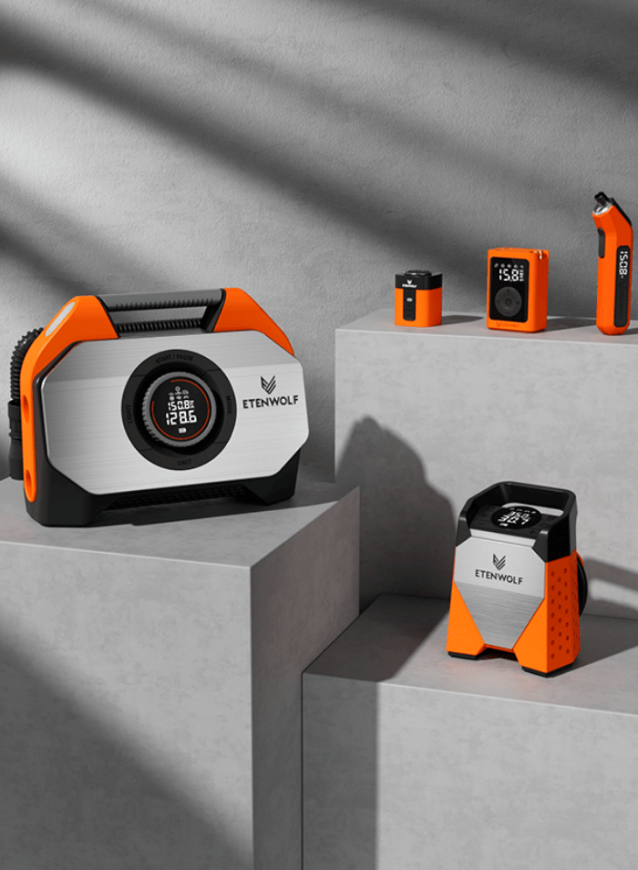
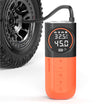
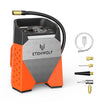
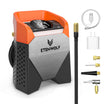
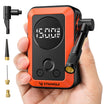
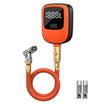
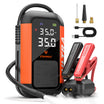
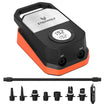
Enter a portable auto inflator like the ETENWOLF S7 Tire Inflator — a compact device designed to help you:

✔ Accurately monitor and inflate to recommended PSI
✔ Avoid guesswork and unreliable gas station air
✔ Inflate at home, on the road, or anytime you need it
✔ Maintain peak tire performance — all year round
By keeping your tires at their manufacturer-recommended pressure, you’re not only helping your wallet — you’re supporting your vehicle’s fuel efficiency, tire life, and safety.
Conclusion — It’s Not Just About the Gas You Buy
While gasoline grades and octane ratings are important for engine health when used correctly, fuel efficiency depends on the whole system — from driving habits to rolling resistance. Keeping your tires properly inflated is one of the most cost-effective ways to ensure your vehicle gets the most out of every gallon you buy.
Using a reliable tire inflator like the ETENWOLF S7 makes this simple, routine maintenance a part of your regular car care — and that adds up to real savings over time.

FAQs
Q: Does using premium gas always improve fuel economy?
A: No — premium fuel doesn’t inherently boost mileage unless your vehicle specifically requires it. Using a higher octane than recommended usually offers no fuel economy advantage.
Q: How often should I check my tire pressure?
A: Tire pressure fluctuates with temperature and time — weekly checks or at least once a month are recommended.
Q: How much fuel economy can tire pressure really save?
A: Properly inflated tires can improve fuel efficiency by about 3.3% compared to underinflated ones, according to DOE/EPA data.
Q: Does weather affect tire pressure?
A: Yes — cold weather can reduce tire PSI as air contracts, so winter checks are important.
Q: Can I overinflate tires to save more gas?
A: No — overinflating above the vehicle’s recommended PSI can reduce safety, increase uneven wear, and doesn’t necessarily yield meaningful fuel savings. Always follow the pressure listed in your owner’s manual or door placard.


Leave a comment
All comments are moderated before being published.
This site is protected by hCaptcha and the hCaptcha Privacy Policy and Terms of Service apply.