






Out in the countryside, more people are jumping on off-road vehicles lately - drawn by the thrill of muddy trails, helping around private land, or simply exploring wild landscapes. Two categories often discussed by beginner and experienced riders alike are ATVs (All-Terrain Vehicles) and UTVs (Utility Terrain Vehicles). At first glance they can seem similar — both are rugged, four-wheeled machines built to tackle rough terrain — but each serves very different roles and rider needs.
A closer look at ATVs compared to UTVs comes next, showing key differences without confusion. Their roles, limits, and best uses get examined so decisions fit personal needs. We’ll also cover a crucial but often overlooked aspect of off-road vehicle ownership: tire care and how tools like portable tire inflators can make your off-road season smoother and safer.
What Is an ATV?

A small vehicle, called an ATV or quad but sometimes four-wheeler, moves across rough ground. One person usually rides it, though certain versions hold another person beside them. People often take these out when exploring trails during hunting trips or handling tight spaces. (Source)
ATVs typically feature:
· Steering comes through handlebars, while riders sit between them, balancing by straddling the seat.
· Built light, shaped tight - fits where space barely exists, moves fast through dense routes.
· Fall-through agility, meaning the rider often uses body movement to control the vehicle.
· Power ranges that balance speed and maneuverability for a solo rider.
Their compact shape helps keep costs low compared to bigger models, also making them simpler to move around with. That simplicity is often why people start here when stepping into dirt riding adventures.
What Is a UTV?

UTVs - often called side-by-sides (SxS) - are bigger off-road machines that look like mini utility trucks instead of motorcycles. (Source)
Here’s what stands out about UTVs:
· A seat for two to six, lined up side by side
· Steering wheel and foot pedals, similar to a car
· Cargo bed or hauling capacity for equipment, supplies, or gear
· Taller seats tend to come with safety features already installed - things such as roll cages.
Out there where land meets task, machines stand tall. These UTVs? They handle trails just fine, sure. But throw in heavy loads - tools, people, gear - and they shine differently. Farms, ranches, remote stretches - places needing real weight behind each ride - they become more than play. (Source)
UTV and ATV: Side-by-Side Comparison
Understanding both types of vehicles side-by-side helps clarify which choice suits your needs.
| Feature | ATV | UTV |
|---|---|---|
| Seating | 1–2 riders | 2–6 passengers |
| Steering | Handlebar | Steering wheel + pedals |
| Cargo Capacity | Minimal | Large cargo bed / towing |
| Safety Features | Minimal | Seat belts, roll cage, doors |
| Size | Compact | Larger, wider |
| Primary Use | Solo recreation | Group riding + utility |
| Cost | Lower | Higher |
This comparison underscores a key distinction: ATVs deliver agility and solo fun, while UTVs provide comfort, utility, and shared experiences.
Which Off-Road Vehicle Is Right for You?
🏞️ Pick an ATV when
· Riding alone on the trail fits your habit better than sharing it with others
· A quick move needs something light on its feet.
· Right now, you’re focusing on keeping costs down and easier transport.
· You enjoy the sport of active vehicle control.
🚜 Pick a UTV when
· You ride with family or friends often.
· You need cargo space and hauling capability.
· You want more protection and comfort on rough terrain.
· You use the vehicle for work, property maintenance, or gear transport.
What works best isn’t set in stone - it depends on how you’ll actually use it, plus what you’re willing to spend. Take ATVs: they tend to be cheaper upfront, making them a natural fit for those just starting out. On the flip side, UTVs hit higher price tags but offer way more power, space, and smooth ride overall.

Tires: A Shared Priority for ATV and UTV Owners
A part of owning off-road vehicles that’s just as important as choosing the vehicle itself is tire care — and that’s where many riders run into challenges.
Off-road tires face very different demands compared with street tires. While typical road tires rarely see extreme terrain, ATV and UTV tires regularly grip mud, rocks, sand, or uneven earth. Because of this, tire pressure management becomes a critical factor in performance, safety, and even tire longevity.
When driving on uneven terrain such as stone or sandy paths, using less air in tires helps grip better and bend easily around bumps, according to the National Park Service. Still, filling tires too much makes them stiff - so hard they struggle to absorb shocks, which might lead to a sudden failure. (Source)
Riders often tweak tire pressure while riding trails or riding over sand, mainly to improve traction and control depending on surface type.
Why Tire Pressure Matters Off Road
Every part of how your ride handles ties back to the right tire pressure - though it's often overlooked until problems show up.
· Traction: Lower pressure increases tire footprint on soft or loose terrain.
· Floatation: In sand or mud, lower pressure prevents tires from digging in.
· Ride Comfort: Softened pressure smooths rough terrain, reducing rider fatigue.
· Tire Longevity: Too high pressure can lead to uneven wear or punctures.
Even though tire pressure matters, plenty of cyclists only inspect a tire when it clearly seems flat. Waiting that long might result in weak ride quality or harm to the tire itself. When machines serve job-related duties - say, towing gear aboard UTVs - keeping pressures right per maker guidance becomes key for staying secure.
Portable Tire Inflators: Practical Tools for Trail-Ready Vehicles

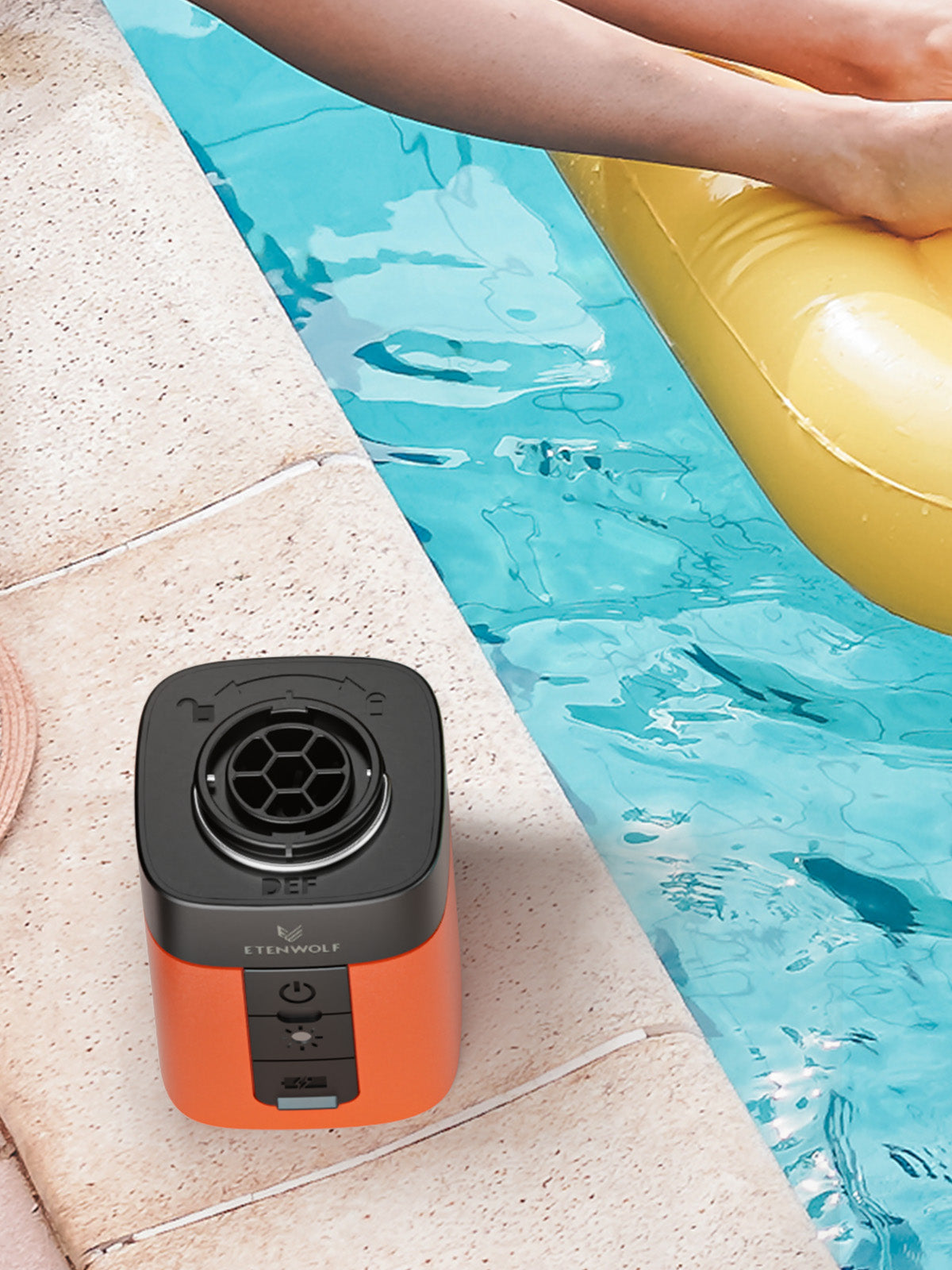
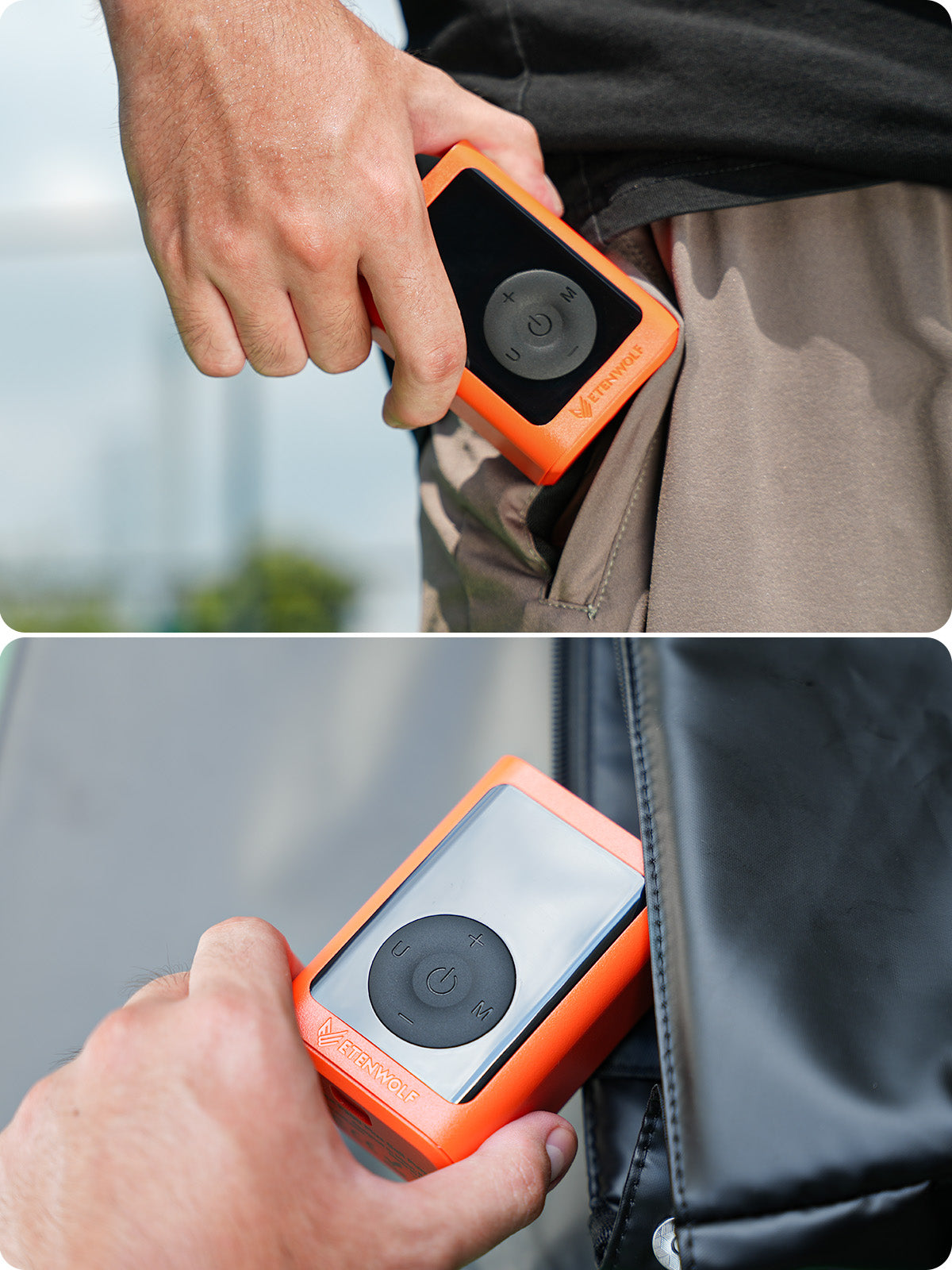
When riding off-road, distance from services can be long. That is why some skilled ATV and UTV riders keep a wireless tire pump handy. A wireless tire pump helps them:
· Change pressure levels before or after trail sections - stay or shift as needed
· Reinflate tires after airing down for soft terrain
· Respond quickly to slow leaks from thorns or rocks
· Skip clunky compressors and tangled hand pumps
Portable inflators — especially battery-powered models designed for larger off-road tires — are particularly useful when you’re out in the field.
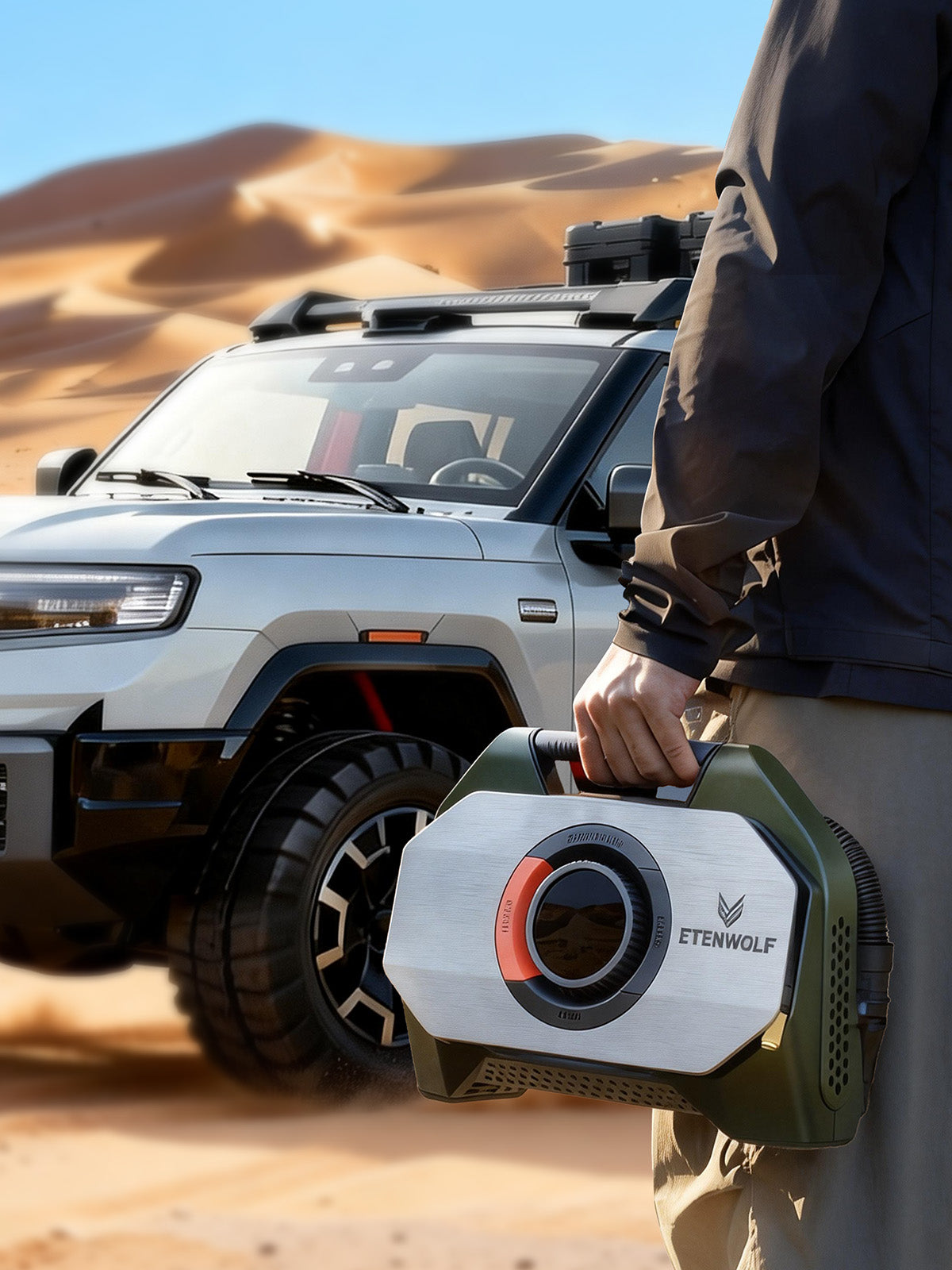
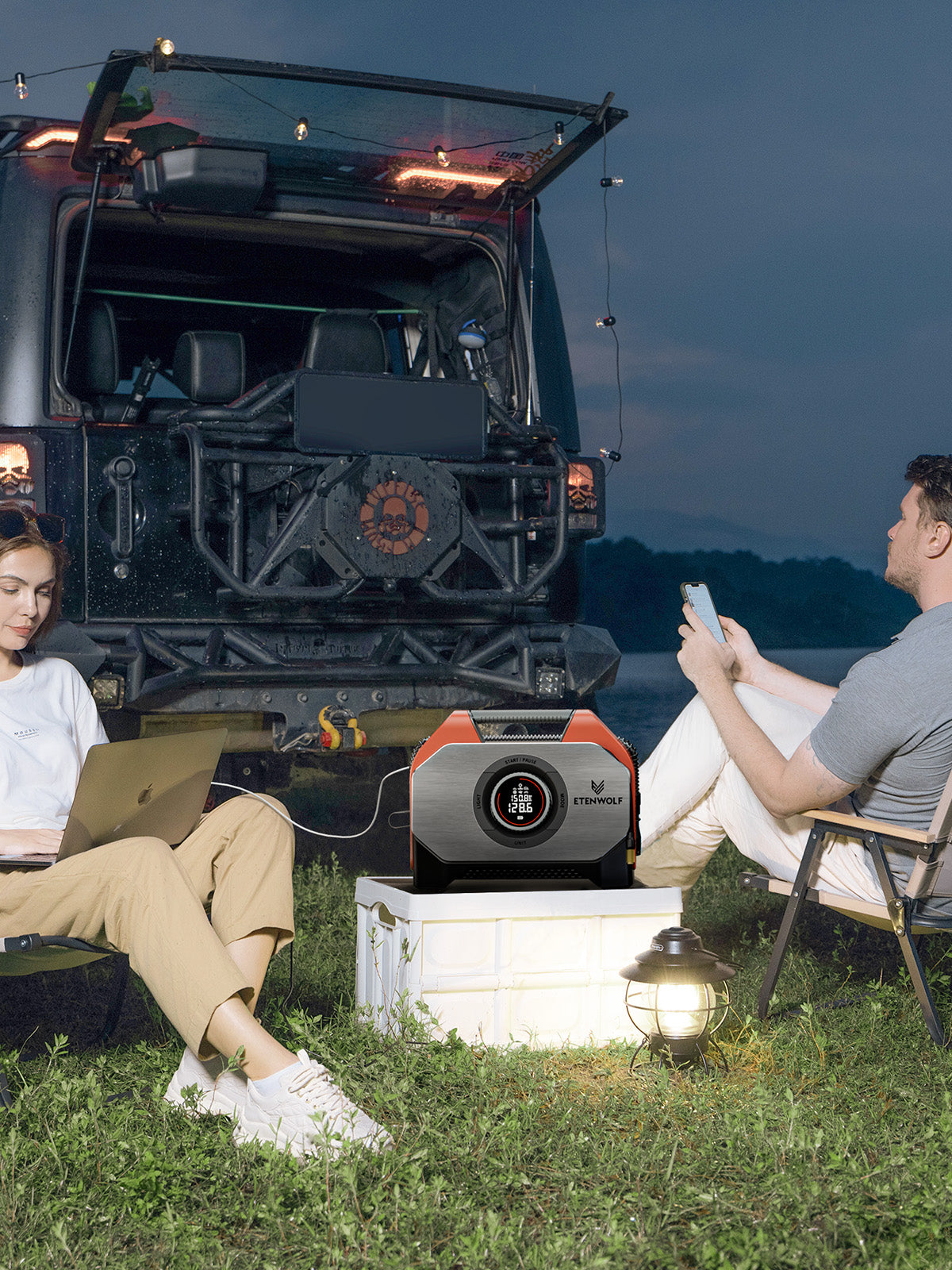
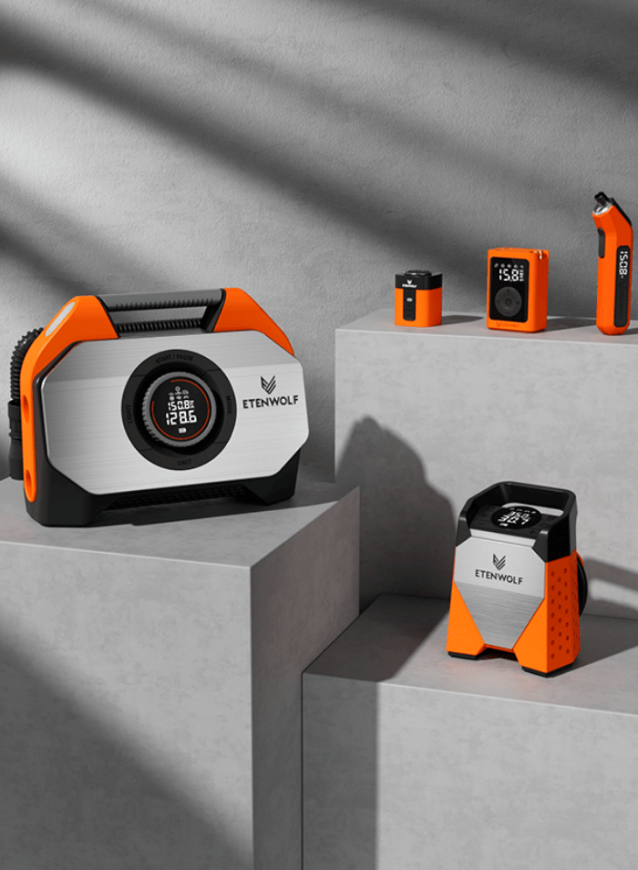
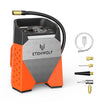
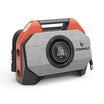
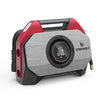
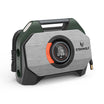
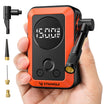
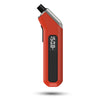
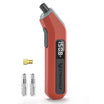
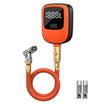
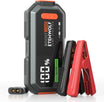
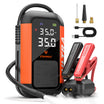
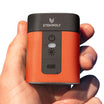
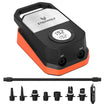
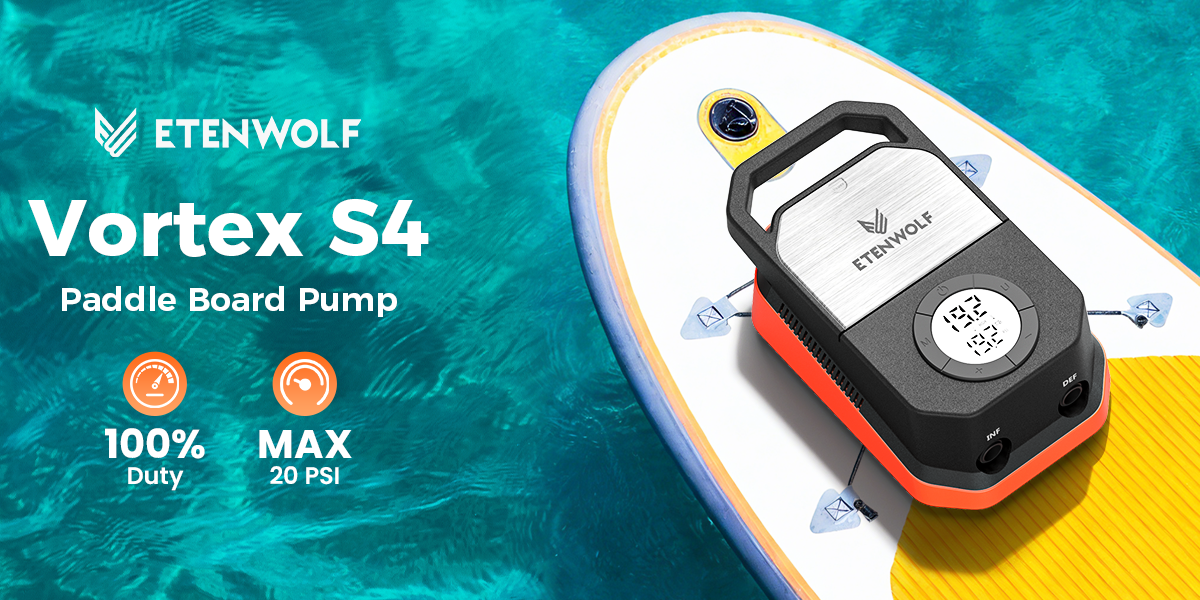
Take the ETENWOLF S7 tire inflator - made tough enough for tough jobs, especially big tires on UTVs. Built to handle heavy use, it keeps pressure steady and on target, no need for a clunky compressor at a garage. Riders have even documented ETENWOLF S7 use to inflate UTV tires during trail outings, demonstrating its real-world usefulness outside paved roads and service bays.

YouTube Link: https://www.youtube.com/watch?v=JYqC4snil5M
When you stay ahead by checking tires close to the trail, new riders gain confidence faster. Seasoned ones still avoid sudden slips or blowouts where help isn’t close. Moving checks fit into the rhythm of off-road travel without interruption.
Safety and Comfort Considerations
Pick an ATV or UTV. What matters most? Staying safe on the trail and feeling at ease while riding.
🚨 Safety Features
· ATVs: Generally rely on rider skill and protective gear (helmets, pads) for safety.
· UTVs: usually come with safety tools already installed - roll cages, seat belts, and even optional roof or windshield too. These help protect during sharp turns, tipping events, or traveling in packs.
What differs shows up most during extended trips or while transporting people.
🪑 Comfort and Usage
· UTVs usually have more comfortable seats plus room to carry tools or gear.
· When it comes to top-tier off-road UTVs, certain models offer sealed cockpits - some come equipped with warmth systems, designed for extended journeys into harsh environments.
What helps drive costs are things like comfort and safety details - yet these traits open up new ways UTVs can be used, stretching past just fun rides toward actual jobs like farming or carrying heavy loads. (Source)
Conclusion
Picking between an ATV and UTV depends on what you do most. When it's just you riding tough trails, an ATV handles tight spots with ease. For wider adventures needing extra room, tools, or friends along, the bigger model fits more needs over time.
No matter which machine you prefer, reliable tire care is a shared priority. Adjusting tire pressure for terrain, monitoring air levels, and having the right tools on hand — such as ETENWOLF Vortex S7 Heavy Duty Tire Inflator Air Compressor designed for off-road tires — helps ensure safer, more enjoyable rides.
Off-road machines thrive where paved roads end — but simple precautions like proper tire pressure can make all the difference between a great adventure and a trail delay.
FAQs
Q1: Is a UTV safer than an ATV?
Yes, Safety improves with UTVs, thanks to roll cages and seat belts.
Q2: Can ATV and UTV tires use the same tire pressure?
No. Tire pressure depends on vehicle weight, tire size, and terrain. UTVs usually require higher pressure than ATVs, especially under load.
Q3: Do UTV riders really need a portable tire inflator?
For off-road riding, yes. Shifts in landscape mean pressure needs tweaking, and a portable inflator allows riders to reinflate tires after running low pressure on trails.
Q4: Can a portable inflator handle UTV tires?
High-power models designed for off-road use can. Some riders use heavy-duty inflators like the ETENWOLF S7 to inflate UTV tires in the field.
Q5: ATV or UTV — which is better for beginners?
Starting out? ATVs are less expensive, easier to handle. While UTVs offer better stability and safety for beginners, especially when riding with passengers.

Leave a comment
All comments are moderated before being published.
This site is protected by hCaptcha and the hCaptcha Privacy Policy and Terms of Service apply.