






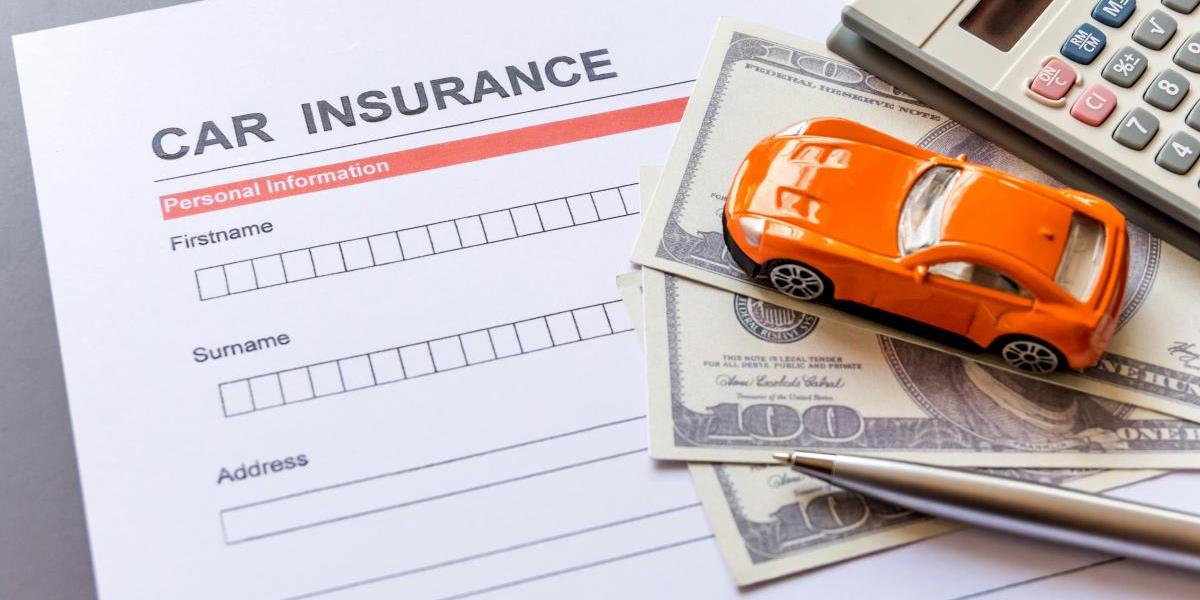
Driving in the U.S.? Auto insurance matters more than you might think. Most states demand basic coverage before allowing access to public roads (Source). Still, one thing stands out - not every car fits within the system's rules. But not all vehicles or vehicle conditions are insurable — and even when a vehicle is
What counts as an uninsurable car? That’s at the heart of American driving rules. Tires might seem small - yet they often slip into policies as reasons coverage drops. Think of this like a checklist hiding traps few expect. Knowing these details isn’t about arguing claims - it’s staying ahead before problems hit.
🚘 Why Auto Insurance Is Required in the U.S.
In almost every American state, owning car insurance becomes mandatory. You are legally required to carry a minimum level of liability coverage
For example, New York state motor vehicle law requires that every registered vehicle must be covered by liability insurance that meets minimum financial responsibility limits. When that protection stops, the state might take away your keys - registration gone, license too. Failing like that brings more than just warnings; money changes hands fast. (Source)
It isn't about making things easier - it's a safety net. People struck by drivers without coverage might face massive healthcare expenses and car repairs they can’t afford. Insurance steps in where someone may fall short.
📄 Core Auto Insurance Coverages in the U.S.
Starting off, knowing the core insurance options makes sense before diving into why some vehicles won’t get coverage (Source)
1. Liability Insurance
At its core, this kind of coverage matters above all else because laws demand it. Liability insurance covers costs associated with injuries and property damage to others when the insured driver is at fault. It does not pay for your own vehicle’s damage.
2. Collision Insurance

Your vehicle might get damaged when it hits another car, a tree, or something else. This kind of protection steps in to cover fixes for that kind of event. Lenders often insist on it if you’re paying off your car through a loan.
3. Comprehensive Insurance
Comprehensive insurance covers non-collision events such as theft, fire, vandalism, hail, or animal strikes. Like collision insurance, it’s optional but often strongly recommended.
4. Uninsured/Underinsured Motorist Coverage
When someone else causes damage and lacks proper insurance, your own policy steps in. Some areas insist on including such safeguards within legal rules.
5. Medical Payments / Personal Injury Protection
These cover medical bills for you and your passengers, regardless of fault, depending on the state. (Source)
❗ What Makes a Vehicle Uninsurable?
What situations might lead an insurance company to decline coverage for a vehicle? Think about these key points. High risks often come up first. (Source)
🔹 1. Vehicle Used in Illegal Activities
Insurance plans do not cover harm caused by unlawful behavior. If a vehicle is primarily used for illegal transport or crime, insurers may refuse to provide a policy.
🔹 2. Vehicle in Unsafe or Unroadworthy Condition

Most insurers assume drivers keep cars somewhat secure by design. Safety isn’t perfect, yet expectations still apply. A certain level of upkeep stays expected under standard practice
A car could get turned down for coverage if the insurer sees it as unsafe on the roads.
👉 If an insurer evaluates a vehicle and determines it’s not roadworthy, they might decline a policy altogether.
🔹 3. Unregistered or Unlicensed Vehicles
Unregistered vehicles by law cannot get regular coverage, just like those behind the wheel without proper permission to drive. Since each region sets clear deadlines for marking vehicles officially theirs, carriers stick strictly to those dates. Validity ties directly to local records, making sure policies match up with what officials require.
🔹 4. Excluded Uses (Commercial, Racing, etc.)
Standard personal auto insurance policies exclude certain uses unless specifically endorsed:
Driving a private vehicle for business purposes - such as Uber or package work - while lacking a commercial policy.
Racing, off-road competitions, or stunt driving.
Vehicles used primarily for business purposes without proper commercial coverage
In these cases, insurers may refuse coverage unless you buy a specially designed commercial or non-standard policy.
🔹 5. Excessive Claims History
Though not technically making a vehicle uninsurable, some insurers may decline coverage for a driver or vehicle with a pattern of frequent claims, especially if those claims involve expensive losses.
🚫 What Auto Insurance Does Not Cover
A car might qualify for coverage, yet parts of its condition still fall outside protection. Most everyday vehicle policies leave out certain key elements
❌ Regular Wear and Tear
Wear and tear, say old tires or worn-out brake pads, won’t get replaced under the plan. Over time, your car’s components naturally break down - you’re responsible for those repairs.
❌ Mechanical Failure
When machines wear out from years or poor care, most car cover plans won’t help - coverage like a stand-alone engine shield or service deal beyond standard limits might apply instead.
❌ Intentional Damage
Purposefully harming your car - say, to file false repairs - could lead insurance to cancel coverage and reject your request entirely.
❌ Certain Modifications Without Disclosure
When modifications turn a car into something entirely different - like swapping engines or adding huge tires - and those details aren’t shared, coverage could be denied if harm occurs, what you show matters.
🛞 Are Tires Covered by Auto Insurance?
Here's a point often in people's minds: tires. That part you sometimes ask someone about.
🔹 Standard Auto Insurance Does Not Automatically Cover Tire Wear or Damage
Most car policies ignore damage from worn-out tires, flat tires, sudden deflations, or swapping tires due to old age, poor care, or machine failures. Since these happen during regular operation - not crashes - they’re seen as decay over time. That kind of breakdown? Not covered. Excluded by design.
Still, some cases slip through:
🧰 Optional Tire Protection Add-Ons
A few insurers, along with tire shops and car lots, sell add-ons - like roadside help or tire shields - that do this
· Flat tire repair
· Replacing a tire when it gets a puncture or the tread wears out.
· Road hazard coverage damage from nails potholes or debris
These health-plan-like protections are not part of standard liability, collision, or comprehensive coverage — they are add-ons
These plans come from insurance companies, car sellers, or outside firms - each has different protection features and prices. Not like standard liability or collision policies, they lack official state requirements.
🧠 Why Insurance Won’t Protect Normal Tire Wear
When tires wear down or get punctured, firms often label them as upkeep problems rather than policy-covered accidents. This split makes sense under law and risk modeling - coverage should apply only to abrupt, unforeseen happenings
Take CarGurus, a well-known auto resource. It points out that regular car upkeep - like tire issues or engine malfunctions - aren’t covered by insurance policies. That means setting aside funds outside your premium payments makes sense.
📌 Better Alternatives to Insurance for Tire Protection

Since regular car insurance fails to cover tire damage or deterioration, several people look into early prevention measures
Preventive Tire Maintenance Matters More Than Most Drivers Realize
It often isn’t worth insuring since drivers can easily prevent issues by checking pressure now and then. When tires wear down too fast or get too hot, blame usually falls on overlooked maintenance. Long stretches on the highway, plus carrying extra weight, tend to make problems worse here.
The U.S. National Highway Traffic Safety Administration says tires that are too flat cause more friction inside the tire, making blowouts more likely. They also sip less gas and handle sharper turns poorly.
That’s why regular tire pressure checks are often more effective—and far cheaper—than relying on insurance or roadside assistance after something goes wrong. (Source)
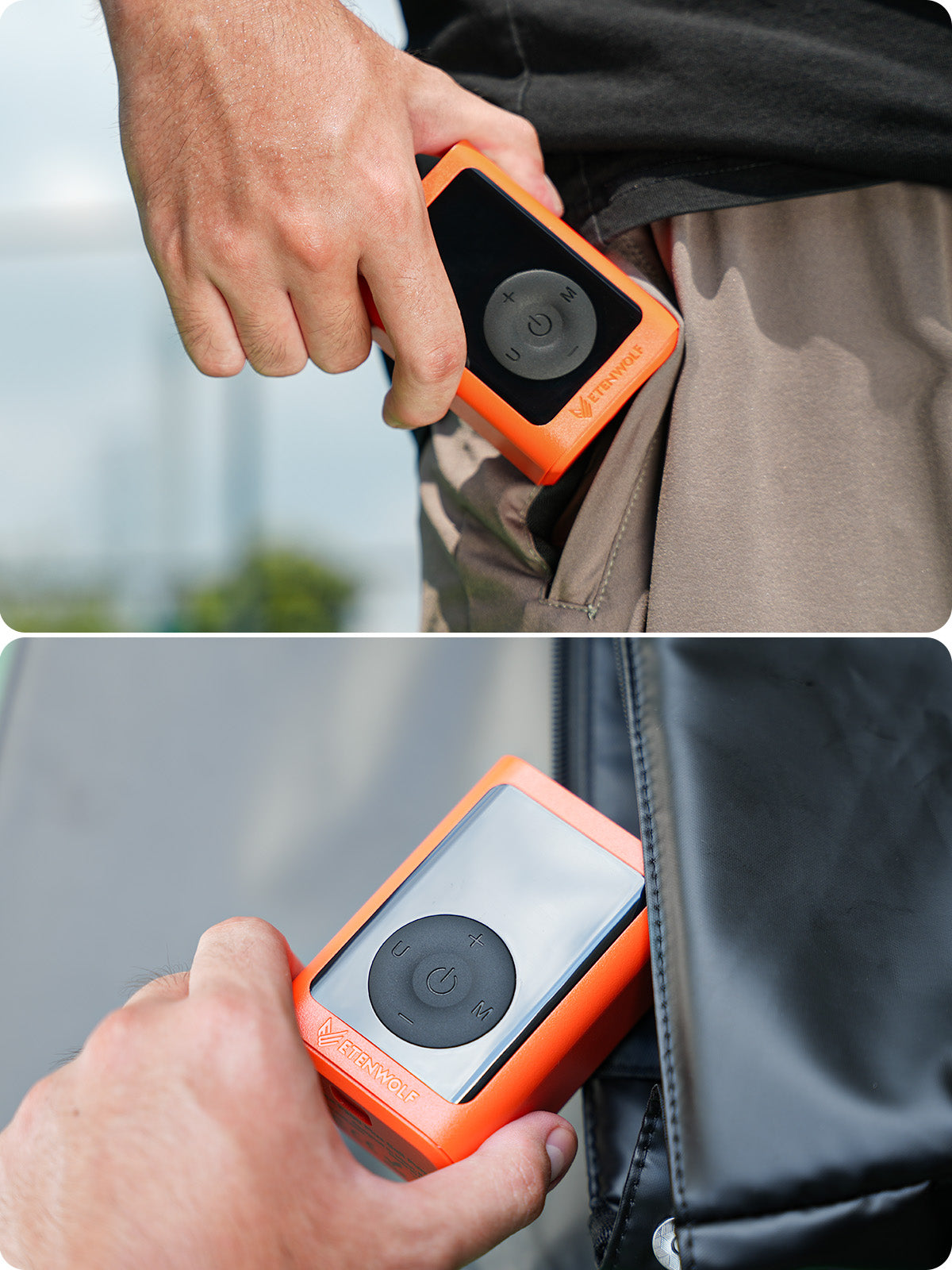
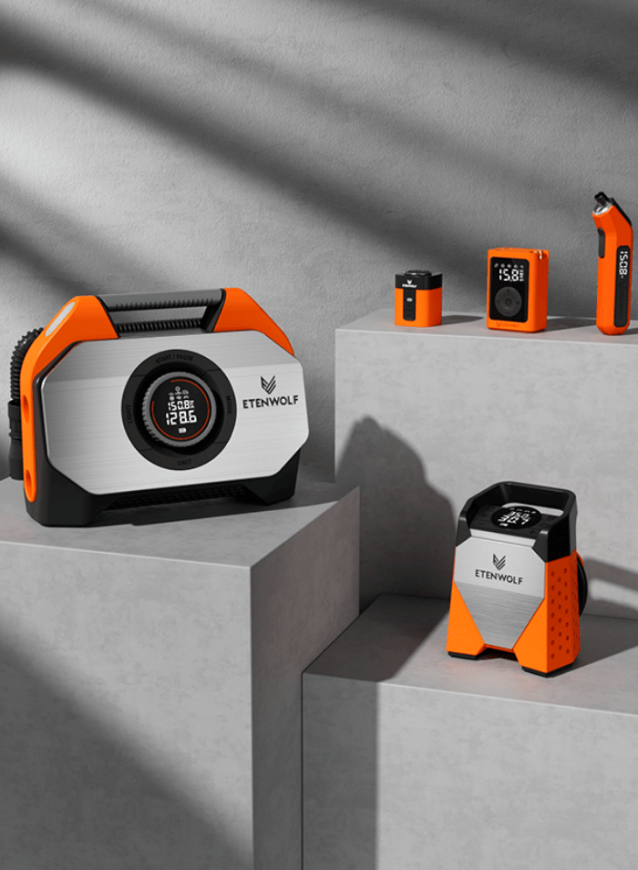
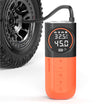
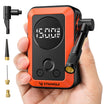
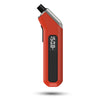
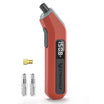
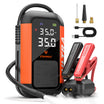
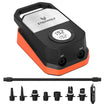
For many drivers, this is where a portable tire inflator becomes a practical part of routine vehicle care rather than an “emergency-only” tool. Instead of waiting for a dashboard warning light or discovering a soft tire at the worst possible moment, drivers can quickly correct pressure at home, before a road trip, or even at a campsite.
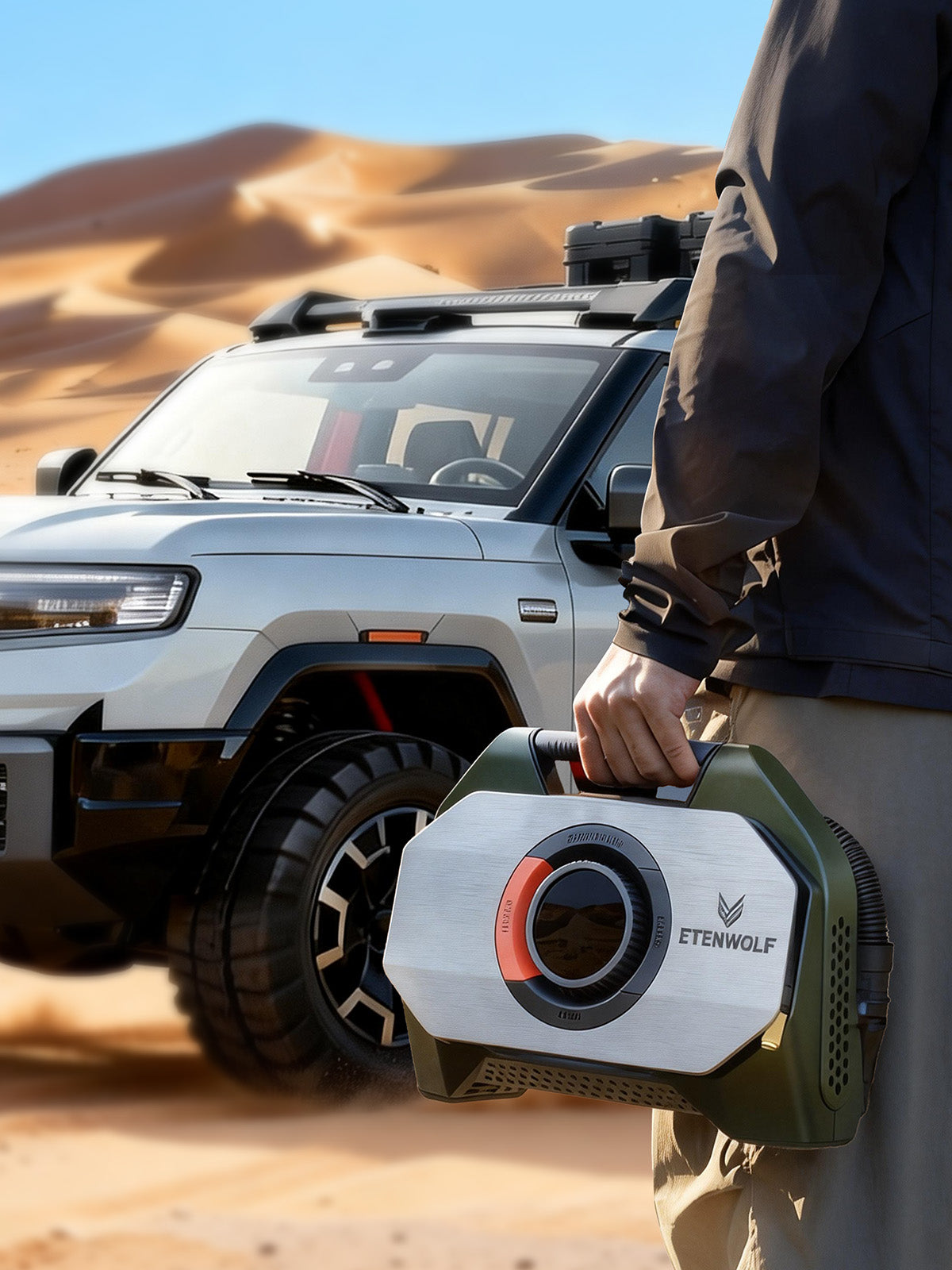
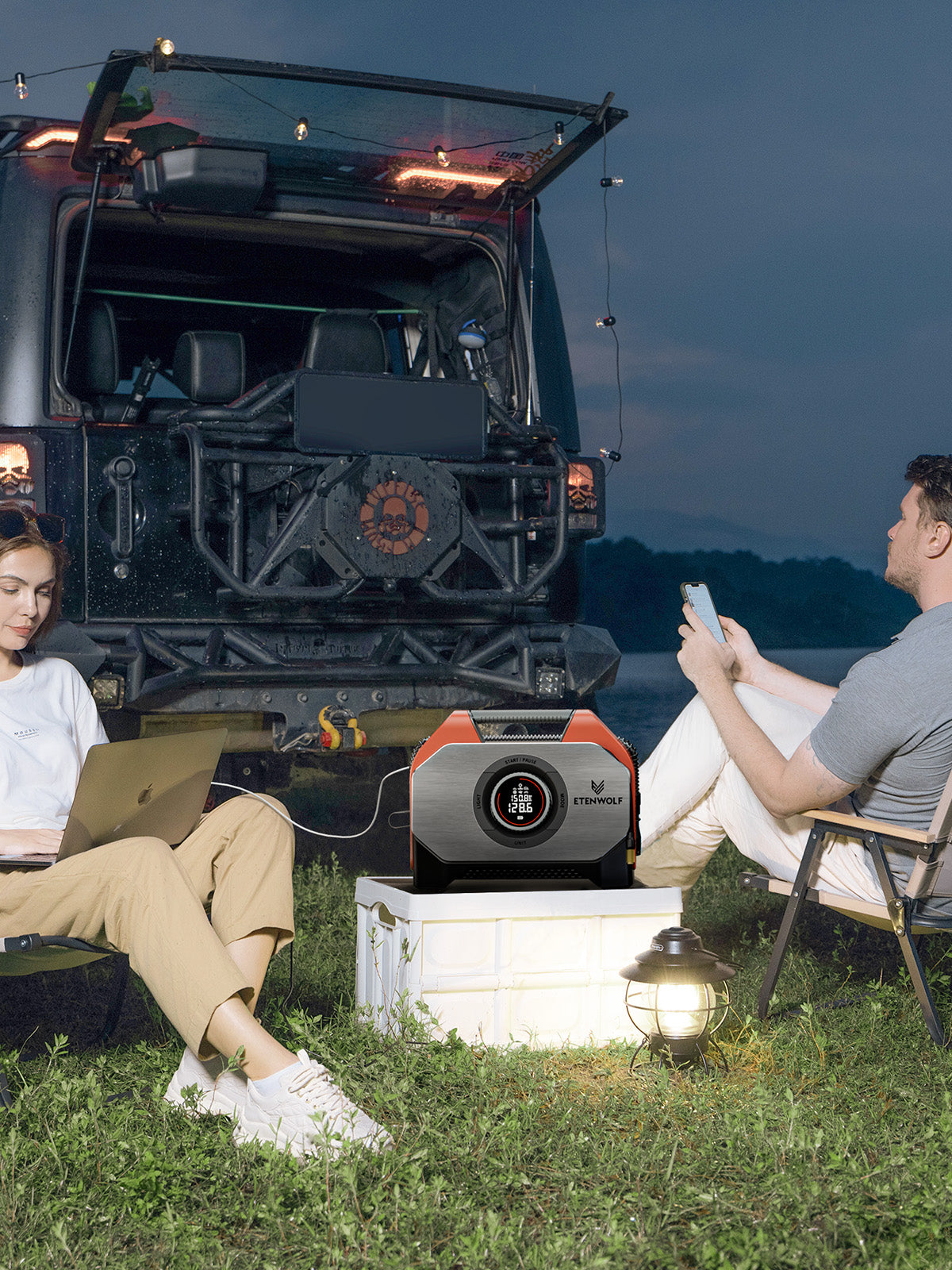
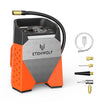
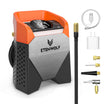
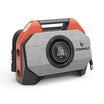
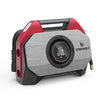
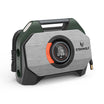
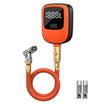
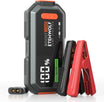
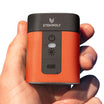
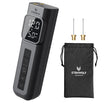
When big rigs or loaded cars hit the road, tire strain grows. For heavy loads like these, setting air just right matters more than ever. A high-capacity, heavy-duty inflator like the ETENWOLF S7 is designed specifically for these scenarios, offering fast inflation, precise pressure control, and enough battery capacity to handle multiple large tires without overheating or power loss.
When used often, a tire inflator reduces the risk of tire issues severe enough to warrant insurance claims. It also cuts down on wear and tear caused by underinflation. Roadside help becomes less frequent because problems get caught earlier. This tool prevents many costly repairs left behind by overlooked low air pressure.

🚀 Conclusion — Can Tires Be Insured?
That’s right, though it happens just in specific situations - standard car policies don’t cover that.
Coverage under typical car policies focuses mainly on protecting people and their property, along with repairs for your own vehicle when certain dangers occur. That kind of protection stops here
A car might qualify under insurance rules when it holds a valid driver’s license, runs properly, is properly signed up, and stays clear of banned uses. But even an insurable vehicle won’t have its tires covered unless you purchase specific add-on products or protective plans.
FAQs
Q1: What makes a vehicle uninsurable in the U.S.?
When a car poses risks or gets used for unlawful purposes, coverage might be hard to find. Missing or incorrect paperwork also creates problems. Even if it fits into common risks, certain uses still fall outside regular insurance terms.
Q2: Is liability insurance required in every state?
Every U.S. state sets a baseline need for minimal car insurance coverage. How rules shape up? Laws vary by state, but operating without it can lead to license and registration suspension.
Q3: Does auto insurance cover tire damage?
Most standard policies ignore damage from worn-out tires, flats, or needing new ones. Extra coverage means signing up for separate tire warranties - or relying on emergency help services instead.
Q4: Does maintaining proper tire pressure reduce insurance risk?
Yes, many accidents are caused by tire blowouts due to insufficient tire pressure. Therefore, regularly checking your tires with an ETENWOLF S7 can effectively protect against the risk of tire blowouts and thus reduce insurance risk.
Q5: Can modified vehicles still get insurance?
That’s correct - though changes need to be shared with the insurer. Certain tweaks could demand tailored coverage or costlier payments.


Leave a comment
All comments are moderated before being published.
This site is protected by hCaptcha and the hCaptcha Privacy Policy and Terms of Service apply.