








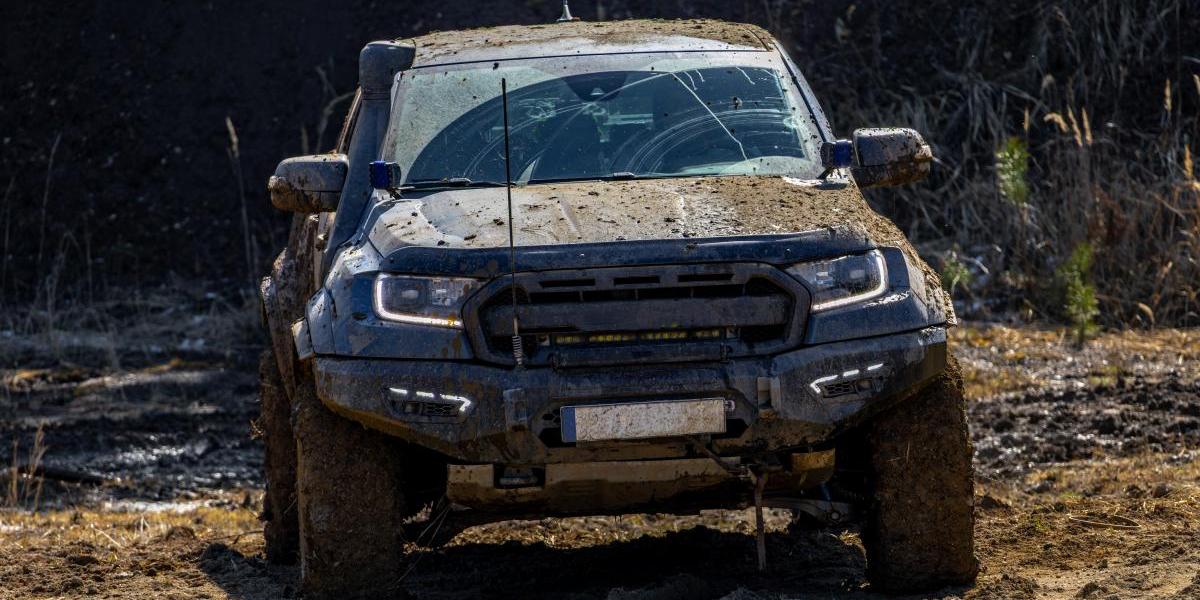
Every year, somewhere between the deserts, mountains, dry lake beds, and rocky coastlines of Baja California, hundreds of drivers and riders attempt something most people would never even consider:
Racing nearly nonstop through some of the harshest terrain on earth.
This is the Baja 1000 — one of the most famous off-road races in the world and arguably the most brutal endurance race in North American motorsports. For decades, the Baja 1000 has attracted:
· factory-backed trophy trucks
· motorcycles
· UTVs
· ATVs
· custom-built desert racers
· and everyday off-road enthusiasts chasing a dream
But despite the horsepower, suspension systems, and million-dollar race trucks, one thing still decides whether a team survives the desert:
Tire pressure management.
Because in Baja, a blown tire is not just inconvenient. It can end an entire race.
And that is exactly why portable heavy-duty tire inflators have become essential gear in modern off-roading.
What Is the Baja 1000?
The Baja 1000 is a long-distance off-road race held annually on Mexico’s Baja California Peninsula.
It is sanctioned by SCORE International and widely considered one of the toughest off-road races in the world. (Source)
Unlike traditional racetracks, Baja competitors race through:
· deserts
· rocky trails
· mountains
· sand washes
· beaches
· dry riverbeds
· remote wilderness
Some sections are so isolated that support crews may be hours away.
That is part of what makes the race legendary.
The History of the Baja 1000
The roots of the Baja 1000 go back to 1962.
According to historical race records, Honda-backed riders Dave Ekins and Bill Robertson Jr. completed a timed motorcycle run from Tijuana to La Paz to prove the durability of Honda motorcycles. (Source)
At the time, Baja roads were rough, remote, and barely developed.
The idea sounded almost impossible.
But the challenge captured the attention of off-road enthusiasts.
In 1967, the first official “Mexican 1000 Rally” was organized, eventually evolving into the Baja 1000 known today.
Over the decades, the race grew into a global off-road phenomenon.
Today, the Baja 1000 is considered:
· one of the most prestigious desert races
· a bucket-list event for off-road racers
· a defining piece of off-road culture
Why the Baja 1000 Became So Famous

(2025 Baja 1000 — 58th Edition)
The Baja 1000 is not famous because it is fast.
It is famous because it is unpredictable.
Unlike circuit racing, Baja competitors face:
· changing terrain
· wildlife crossings
· extreme heat
· dust storms
· deep sand
· rock fields
· mechanical failures
· nighttime driving
And the race often continues for:
· 20+ hours
· sometimes longer depending on class and conditions
Some racers describe Baja as:
“survival first, racing second.”
Reddit discussions from off-road communities frequently describe the event as mentally and physically exhausting, especially during overnight sections where visibility and fatigue become major problems. (Source)
How Long Is the Baja 1000?
The exact course changes each year.
But the Baja 1000 is usually:
· between 600 and 1000+ miles long
Some point-to-point races exceed 1000 miles entirely.
That distance becomes far more difficult because the terrain is not paved highway driving.
Every mile places enormous stress on:
· suspension
· engines
· drivetrains
· and especially tires
When Is the Baja 1000?
The race traditionally takes place in November.
According to official SCORE schedules, the:
59th Baja 1000 will take place November 9–15, 2026. (Source)
Interestingly, 2026 will also mark the first time the event both starts and finishes in Los Cabos.
That makes the upcoming event historically significant even by Baja standards.
What Vehicles Compete in the Baja 1000?
One reason Baja racing is so unique is the variety of vehicles involved.
Classes include:
· Trophy Trucks
· motorcycles
· UTVs
· ATVs
· buggies
· Baja Bugs
· stock trucks
· custom-built desert racers
Some vehicles cost hundreds of thousands of dollars.
Others are surprisingly simple machines held together by experience, preparation, and determination.
That mix is part of Baja’s identity.
Why Tires Matter More Than Almost Anything Else

In Baja racing, tire problems are constant.
Sharp rocks, extreme heat, deep sand, and long distances create brutal conditions for tires.
A bad tire setup can lead to:
· punctures
· overheating
· sidewall damage
· poor traction
· suspension stress
· blowouts
And once a tire fails in the desert, the situation can escalate quickly.
Because unlike city driving:
there may be no nearby gas station, no roadside assistance, and no paved shoulder waiting nearby.
Why Baja Drivers Change Tire Pressure Constantly

Different terrain requires different tire pressure.
This is one of the most important concepts in off-roading.
Sand
Lower tire pressure helps create:
· larger contact patches
· improved flotation
· reduced sinking
Rocks
Airing down slightly allows tires to flex around rocks for better grip.
High-Speed Sections
Higher pressure helps:
· reduce heat buildup
· improve stability
· protect sidewalls
That means Baja teams constantly adjust tire pressure depending on terrain.
And this is where portable air systems become essential.
The Problem With Small Portable Inflators
Many compact inflators work fine for:
· bicycles
· passenger cars
· small emergencies
But Baja-style off-roading creates different demands.
Large off-road tires require:
· high airflow
· continuous operation
· fast recovery inflation
Smaller inflators often struggle because:
· batteries drain quickly
· motors overheat
· inflation speeds are slow
· duty cycles are limited
That becomes frustrating fast when reinflating large off-road tires repeatedly.
Why Heavy-Duty Tire Inflators Matter Off-Road

Modern off-road drivers increasingly carry heavy-duty inflators because they allow:
· faster tire adjustments
· better terrain adaptation
· improved tire protection
· more self-sufficiency
Especially during:
· overlanding
· desert trips
· camping
· trail driving
· remote travel
A reliable inflator is no longer just convenience gear.
For many drivers, it is considered recovery equipment.
Where the ETENWOLF Vortex S7 Fits In

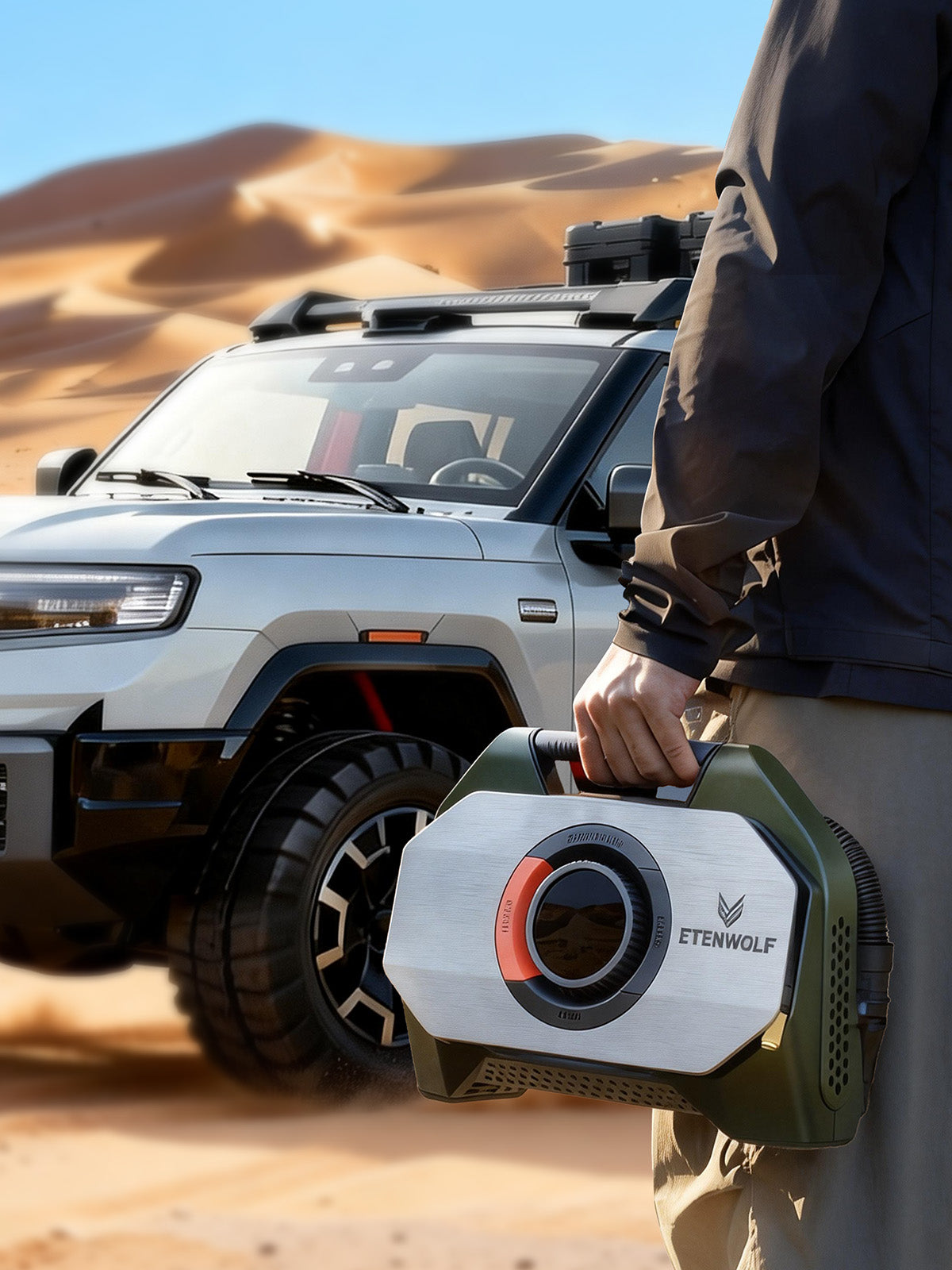
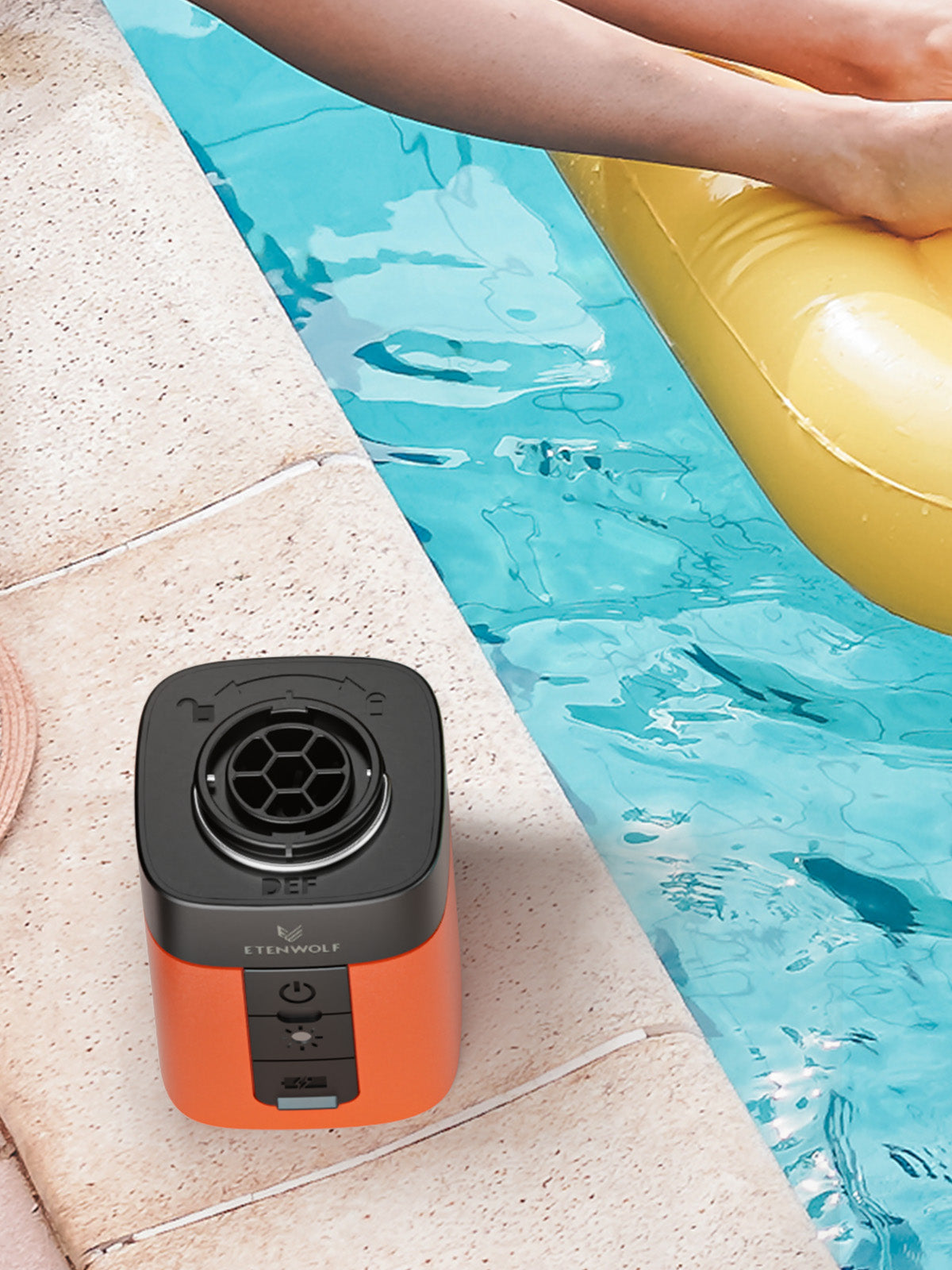
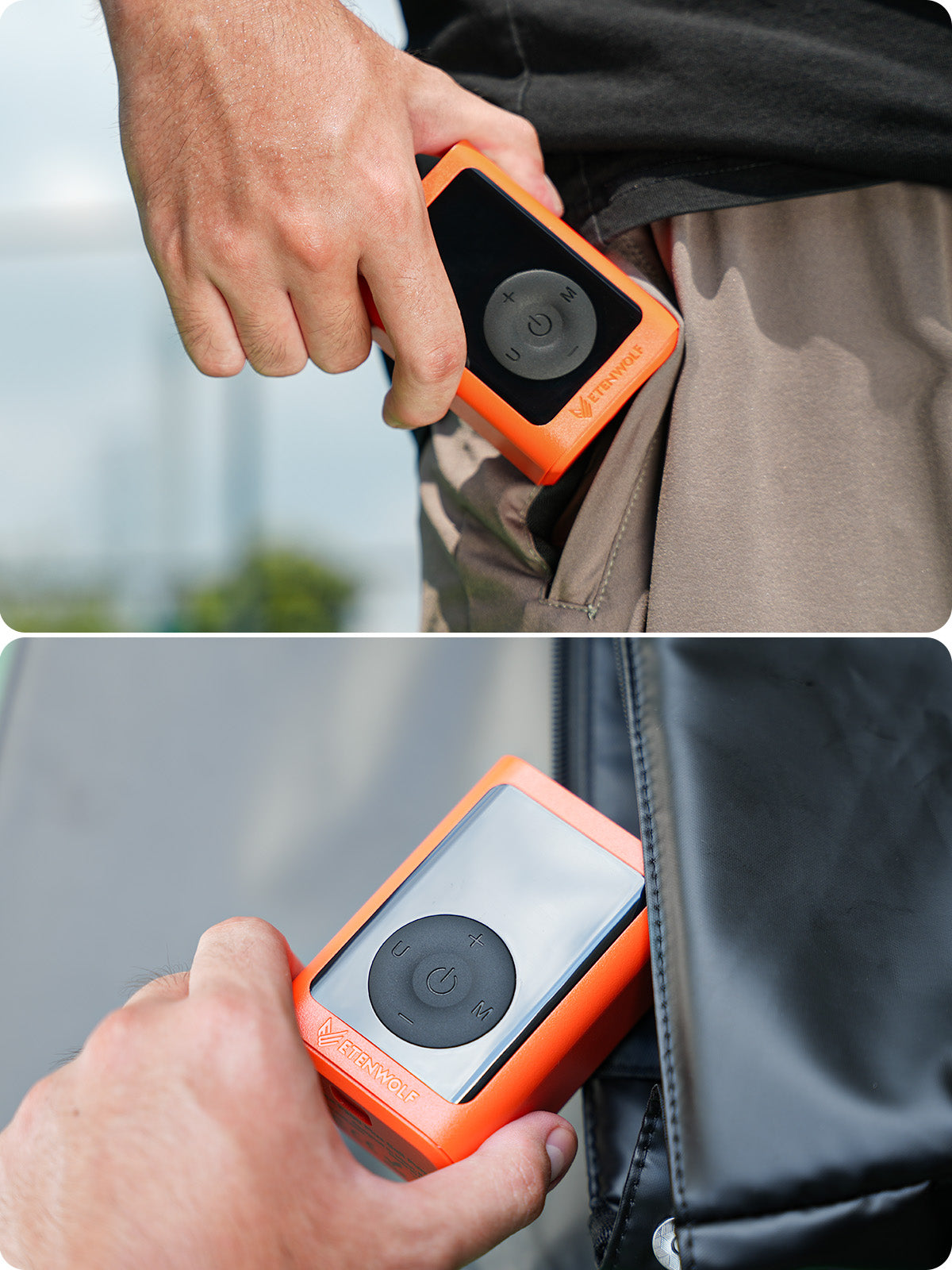
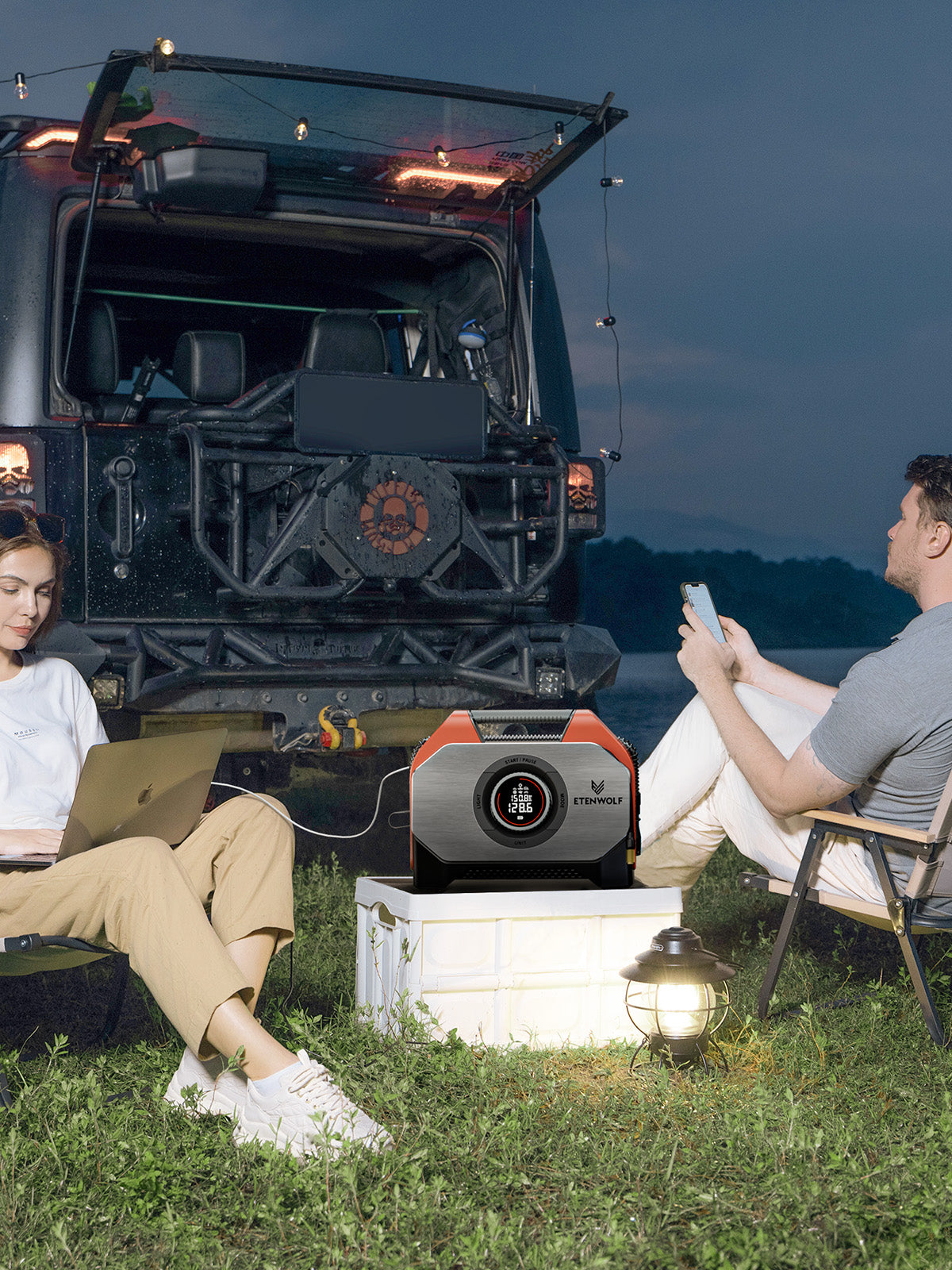
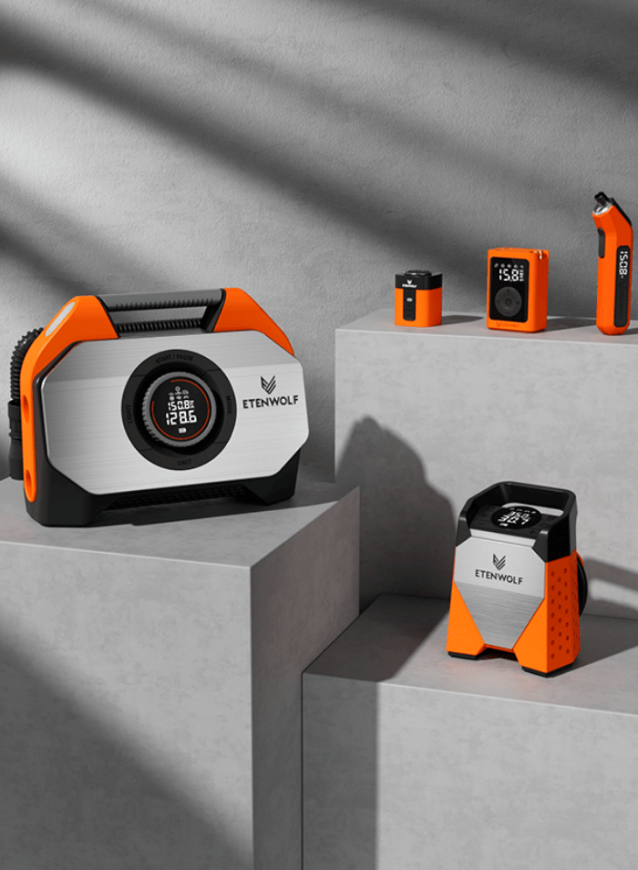
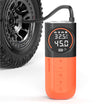
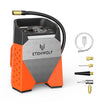
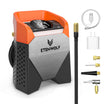
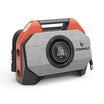
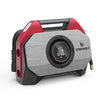
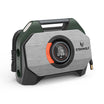
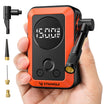
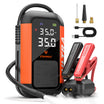
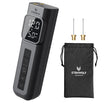
The ETENWOLF Vortex S7 Heavy Duty Tire Inflator is designed specifically for situations where ordinary portable inflators struggle.
Instead of focusing only on compact size, the S7 prioritizes:
· sustained performance
· heavy-duty inflation
· large tire support
Its dual 260W motors deliver:
· up to 2 CFM airflow
· rapid inflation speeds
· support for larger SUV and truck tires
The built-in 38,400mAh battery is especially useful for:
· remote trails
· overlanding
· desert driving
· off-road trips
because drivers are not dependent on finding external power sources.
One feature especially useful for off-roading is the included:
T-shaped Press-on Valve
This makes airing down tires faster and easier before entering:
· sand
· rock trails
· loose terrain
Then, once back on pavement, drivers can quickly reinflate tires to safer road pressures.
Why 100% Duty Cycle Actually Matters
One of the biggest frustrations with smaller inflators is overheating shutdown.
Many portable compressors need cooling breaks after only short periods of use.
But off-road drivers often need to inflate:
· four large tires
· multiple vehicles
· repeatedly during long trips
The S7’s:
100% duty cycle
allows continuous operation without mandatory cooldown pauses.
That matters far more in real-world off-roading than many buyers initially realize.
Because the last thing anyone wants after leaving a trail is:
waiting beside dusty tires while an overheated inflator cools down.

Baja Racing Shows Why Tire Preparation Matters
The Baja 1000 is extreme.
But the lessons from Baja apply to everyday off-road driving too.
Proper tire pressure affects:
· traction
· tire life
· comfort
· handling
· puncture resistance
· heat management
And while most drivers will never race through Baja at midnight, many still:
· camp
· overland
· tow trailers
· drive remote roads
· explore trails
In all of those situations, tire preparation matters more than people think.
Final Thoughts
The Baja 1000 is more than just a race.
It represents a culture built around:
· endurance
· preparation
· self-reliance
· mechanical survival
That is why Baja veterans obsess over:
· tires
· recovery gear
· air systems
· spare parts
Because in harsh terrain, small problems become big problems quickly.
And among all the equipment carried into the desert, few tools get used more often than a reliable tire inflator.
FAQs
What is the Baja 1000?
The Baja 1000 is an annual long-distance off-road race held on Mexico’s Baja California Peninsula.
How long is the Baja 1000?
The race course varies each year but is typically between 600 and 1000+ miles long.
When is the 2026 Baja 1000?
According to SCORE International schedules, the 2026 Baja 1000 is planned for November 9–15, 2026.
Why do off-road drivers lower tire pressure?
Lower tire pressure improves traction and increases tire surface contact on sand and rocky terrain.
Why is tire pressure important in desert racing?
Incorrect tire pressure can increase:
· overheating
· punctures
· sidewall damage
· blowout risks
especially in extreme desert conditions.
What makes heavy-duty tire inflators better for off-roading?
Heavy-duty inflators usually provide:
· faster airflow
· longer operation time
· better cooling
· support for large off-road tires
which is important during repeated tire adjustments.


Leave a comment
All comments are moderated before being published.
This site is protected by hCaptcha and the hCaptcha Privacy Policy and Terms of Service apply.