



Most drivers who discuss road safety concentrate on traffic rules and brake quality and stopping speed of their vehicles. The actual situation exists as a complex network of relationships. Your ability to stop quickly depends on your reaction time and driving speed and vehicle weight and road surface quality and the current tire pressure of your vehicle.
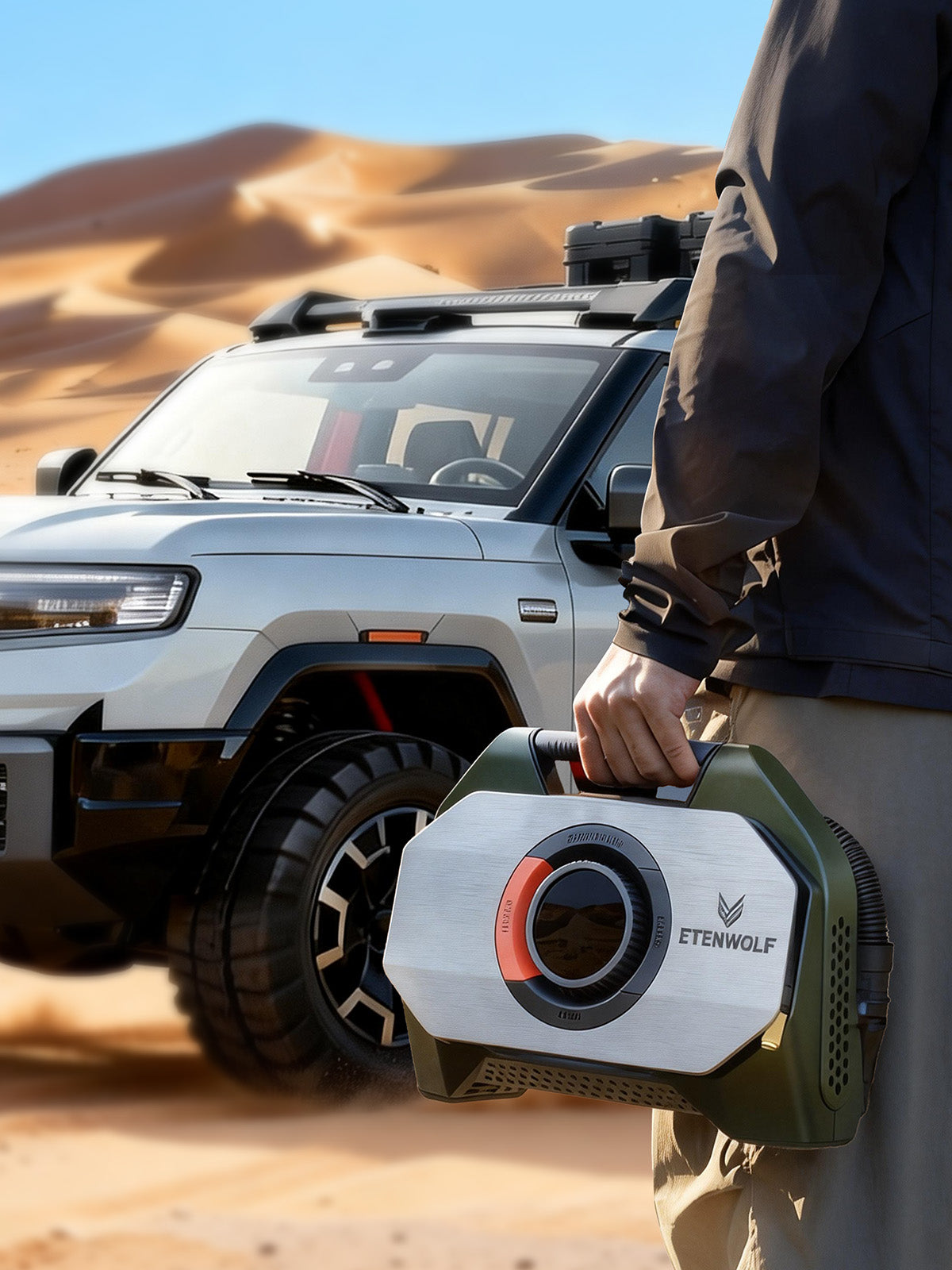
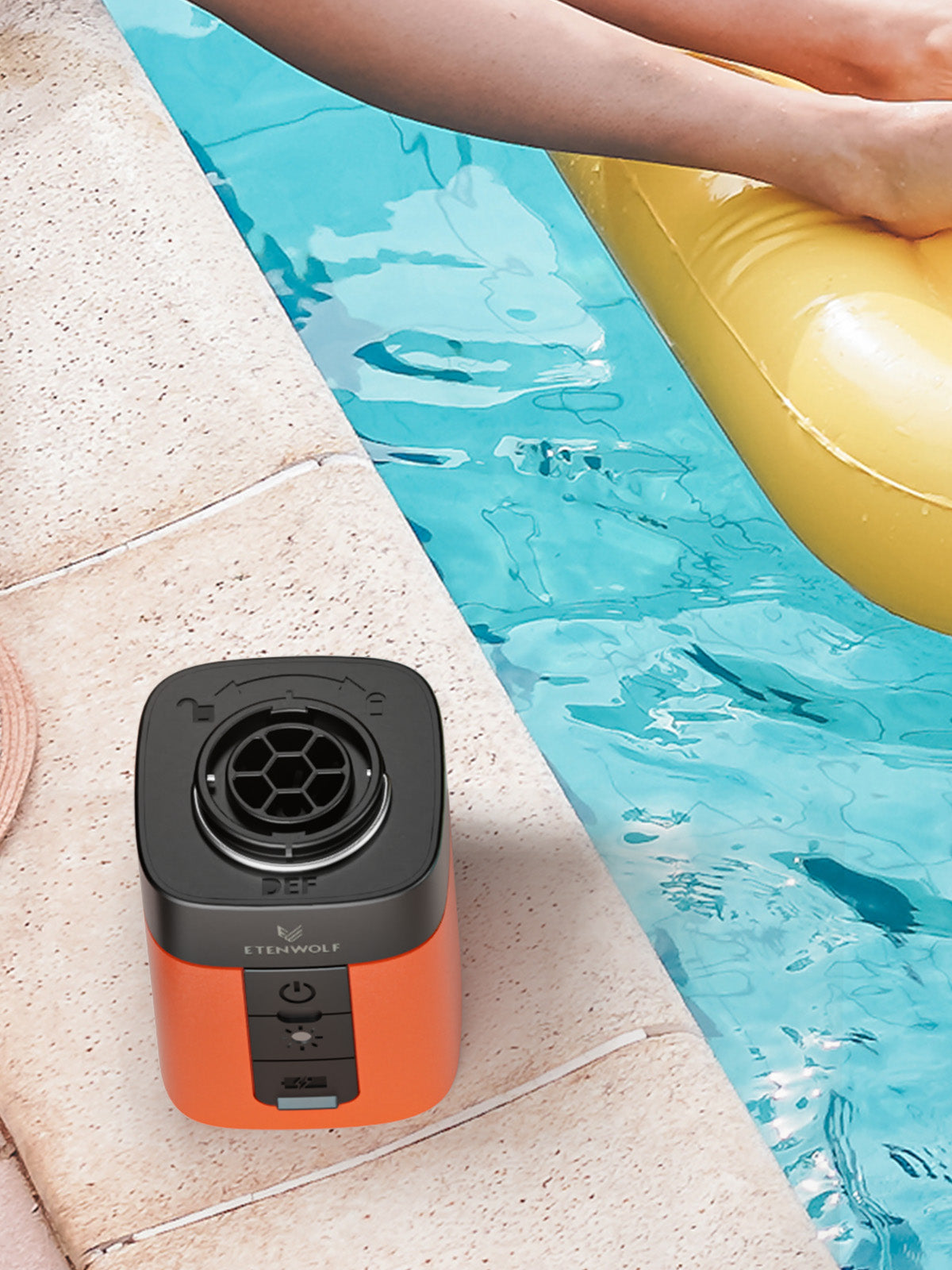
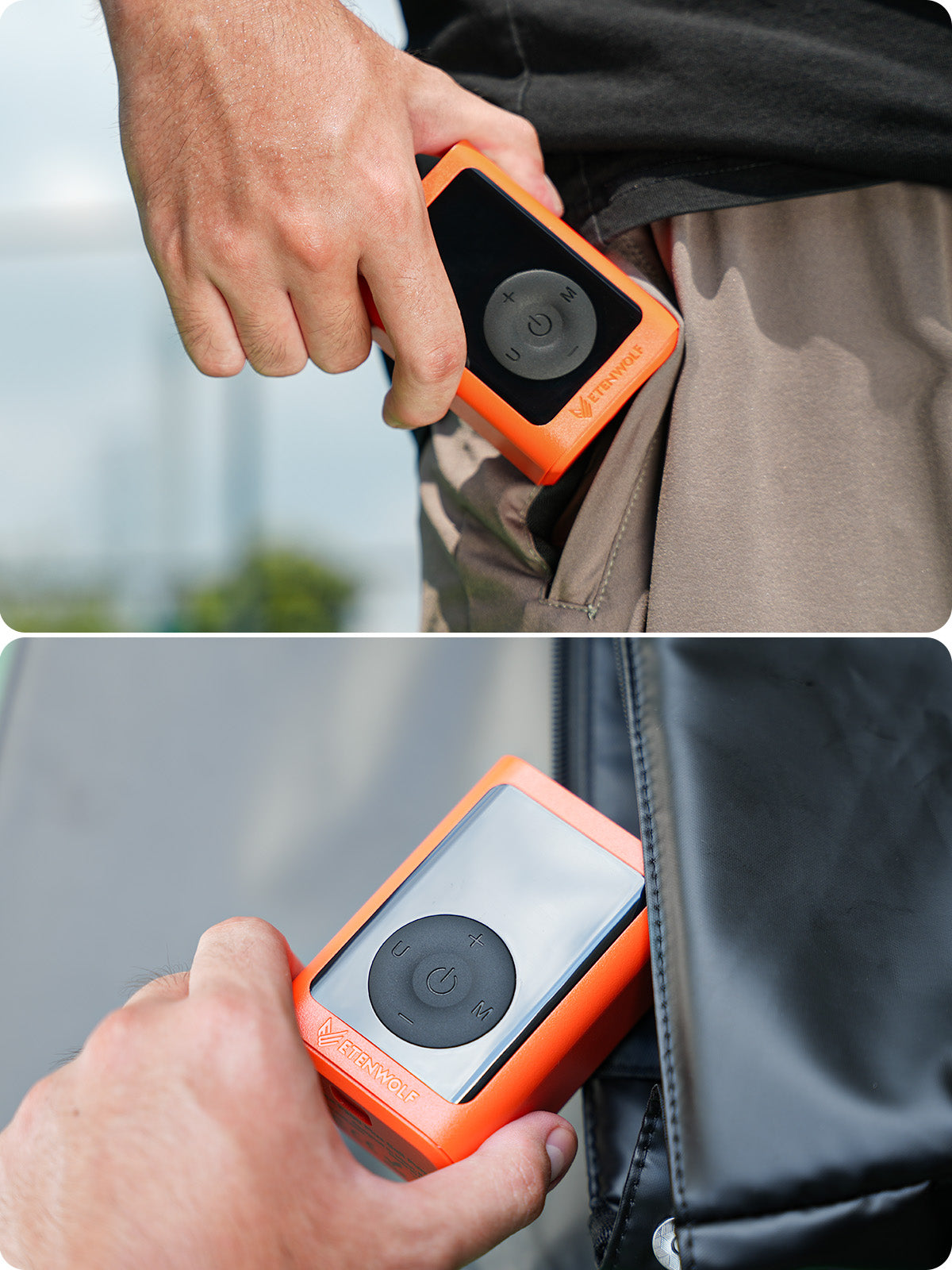
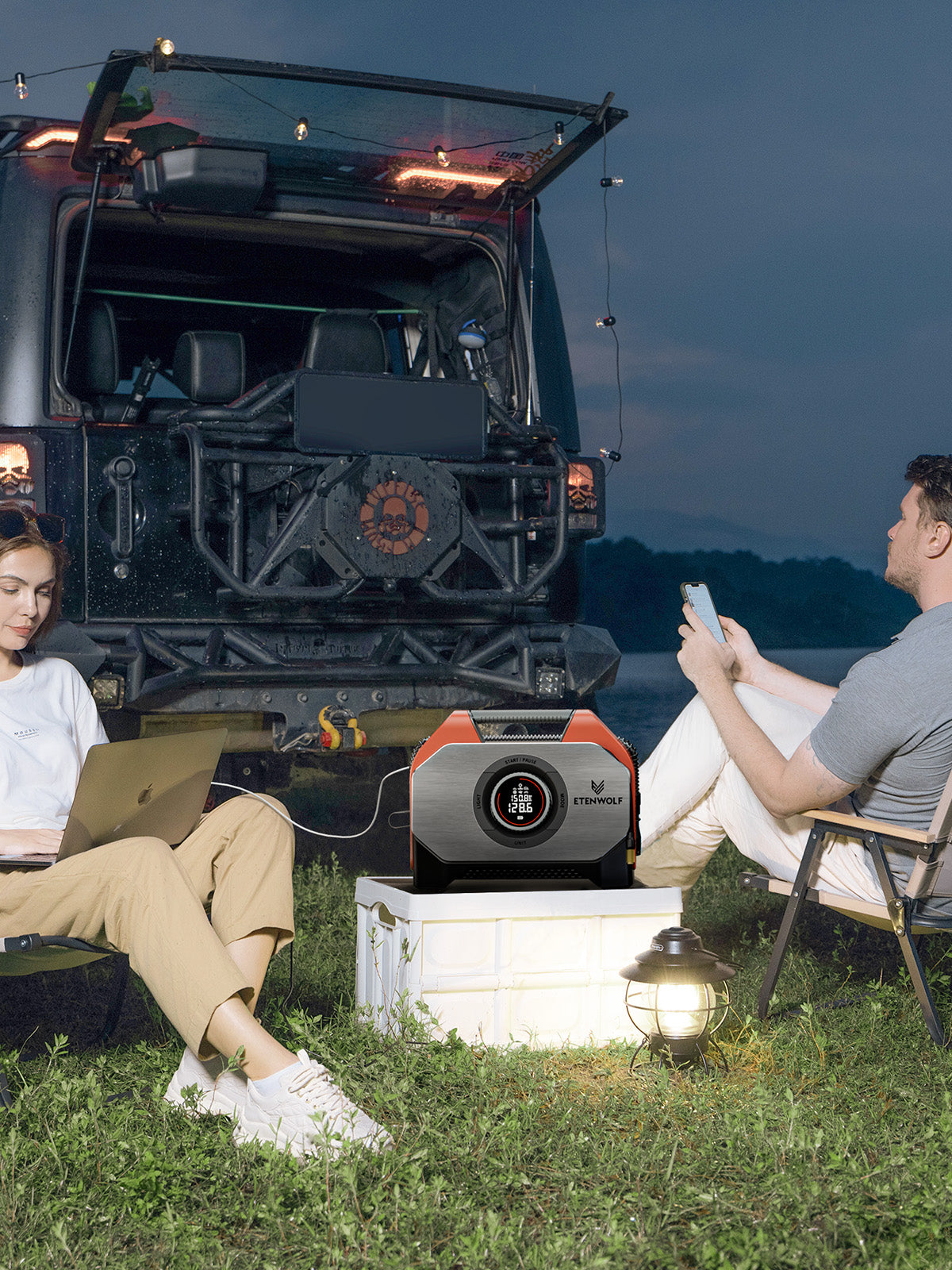
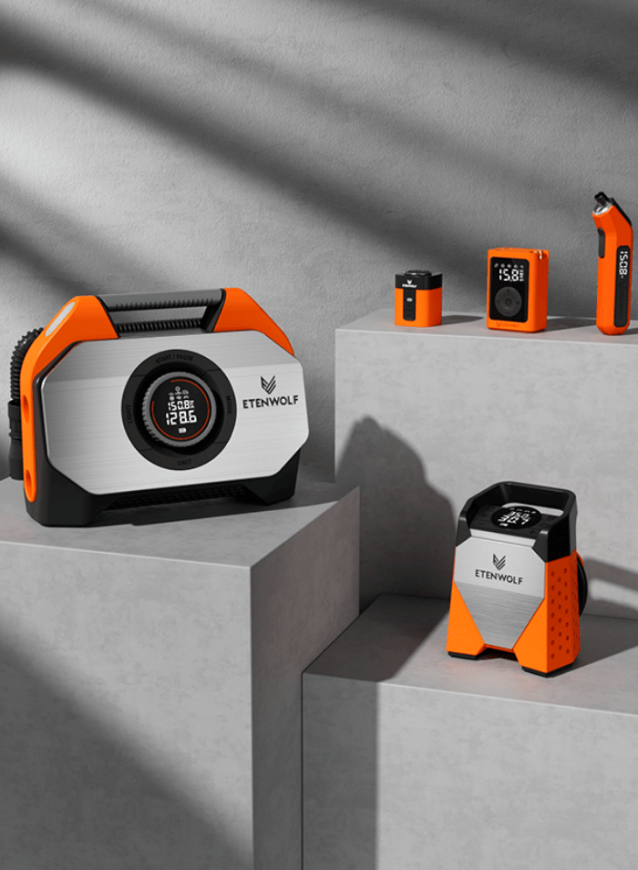
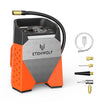
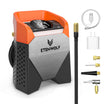
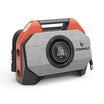
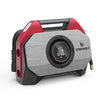
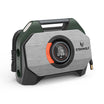
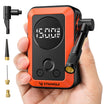
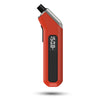
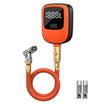
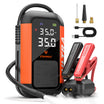
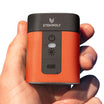
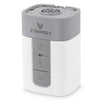
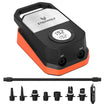
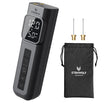
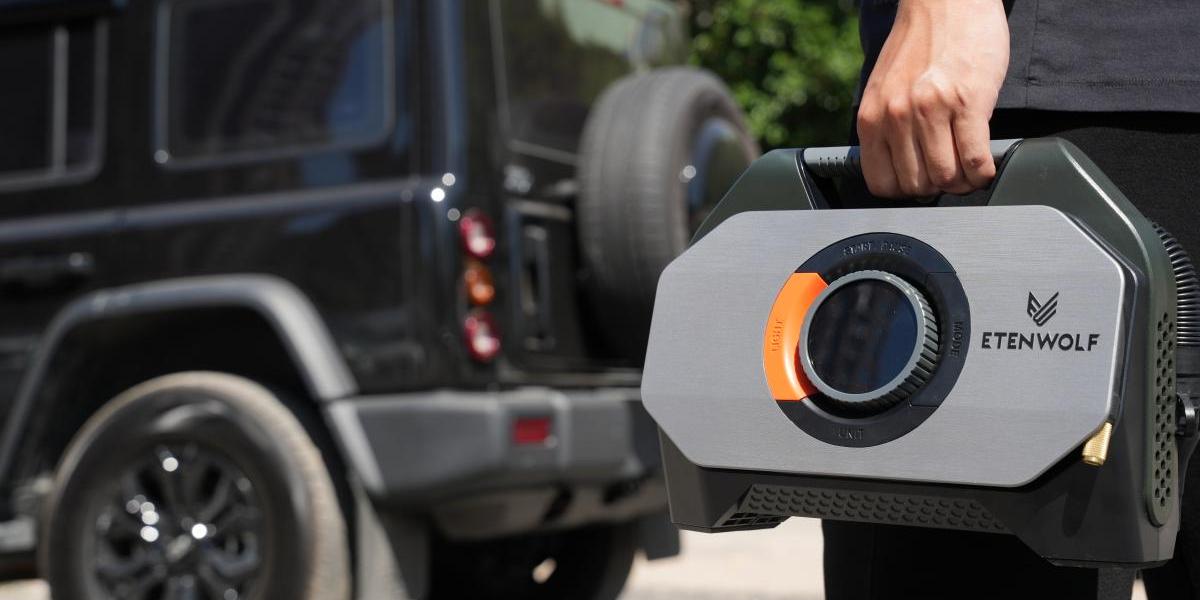
The article presents scientific evidence about braking distance through measurable data while showing how correct tire pressure affects your safety during driving. The ETENWOLF S7 portable inflator has become a standard tool for modern drivers because it helps them maintain proper tire pressure.
What Is a Driver’s Average Reaction Time?
The time it takes for a driver to detect threats and choose braking and execute the physical action of pressing the brake pedal defines reaction time.
The National Highway Traffic Safety Administration (NHTSA) together with various peer-reviewed traffic safety studies has reported the following information. (Source)
· Average reaction time: 1.5 seconds
· The time range for this task extends from 1.0 to 2.5 seconds based on several factors, depending on:
1. fatigue
2. distraction
3. road complexity
4. visibility
5. age
6. alcohol or medication
7. weather
The reaction time consists of:
1. Perception time – Seeing/recognizing the danger
2. Decision time – Deciding to brake
3. Motor reaction time – Moving your foot
The driver starts his braking process after this time period. The car keeps moving at its maximum speed.
Reaction Distance: How Far You Travel Before You Even Touch the Brake
The calculation process remains straightforward. (Source)
Reaction Distance = Reaction Time × Speed
The speed of 65 mph (105 km/h) which many U.S. highway drivers use will produce the following results.
65 mph ≈ 95 ft/s or 29.2 m/s
Reaction time = 1.5 seconds
Your total distance traveled reaches 142 feet (43.8 meters) before you start braking.
That is half a football field before your foot even touches the brake pedal.
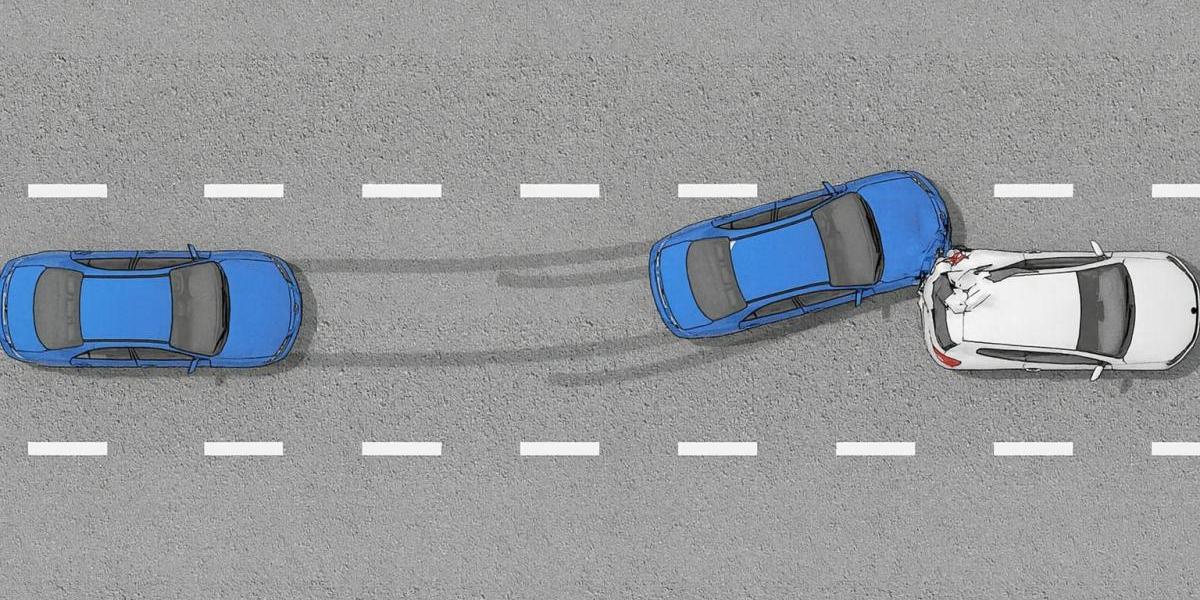
The practice of tailgating is universally discouraged for this reason. Your reaction time allows you to travel a massive amount of ground before you can respond.
Braking Distance: The Distance Your Car Needs to Stop After You Press the Brake Pedal
The subject of physics becomes active at this point. Braking distance depends on:
· speed
· road friction
· tire condition
· tire pressure (very important)
· brake quality
· ABS and traction control
· weather
· vehicle weight
The Federal Highway Administration (FHWA) together with car manufacturer tests show that a vehicle reaches 65 mph speed.
| Road Condition | Braking Distance (without reaction distance) |
|---|---|
| Dry asphalt | 180–200 ft (55–60 m) |
| Wet road | 250–300 ft (75–90 m) |
| Snow | 350–500 ft (107–152 m) |
| Ice | Over 600 ft (180+ m) |
Combine reaction distance + braking distance:
On dry pavement:
142 ft (reaction) + 190 ft (braking) ≈ 332 ft total (over 100 meters)
On wet pavement:
142 ft + 275 ft ≈ 417 ft (127 meters)
This means:
A football field length does not provide enough distance to bring a vehicle traveling at 65 mph to a complete stop when the sky is free of clouds.
The worldwide safety agencies have made following distance safety their main priority because of this reason. (Source)
How Tire Pressure Affects Braking Distance
Most drivers fail to notice this section which proves to be one of the most influential elements.
📉 The distance needed to stop a vehicle extends when tire pressure remains at its lowest point.
Research conducted by NHTSA and AAA and Michelin Tire Safety Research shows that driving with low tire pressure results in.
1. Increased stopping distance
· The braking distance extends by 2–3 meters whenever tire pressure decreases by 10%.
2. Reduced tire stiffness
· The tires experience more deformation which results in a delayed braking response.
3. Worse traction
· The tire tread fails to achieve its best possible connection with the road surface.
4. Overheating & blowout risk
· The temperature inside tires increases when PSI levels remain low while the vehicle brakes.
The emergency situation produces fatal results because these effects multiply into each other.
📈 High Tire Pressure = Less Grip
Over-inflated tires reduce the contact patch, which prevents the tire from properly gripping the road surface.
This also increases braking distance—especially in rain.
The recommended tire pressure which provides maximum safety exists at the exact level that manufacturers specify through the driver's door placard.
Does Low Tire Pressure Affect Reaction Time?
Not your human reaction time—but it does affect the vehicle’s response after you hit the brake.
Low pressure = slower vehicle reaction
High pressure = reduced tire grip.
Both lead to a longer stopping distance.
This means:
If your tire pressure is off—even by a few PSI—you may not stop in time.
The basic element brings about fatal results in emergency situations.
How a Slightly Deflated Tire Increases Accident Risk
The AAA organization has conducted research which reveals that 28% of all vehicles operating on roads have at least one tire that is not properly inflated. The NHTSA has documented the following information. (Source)
· The United States experiences more than 11,000 vehicle crashes annually because of tire-related issues.
· The correct inflation of tires would help to stop numerous accidents from happening.
Why?
The entire braking system which includes ABS and traction control and stability control needs proper tire pressure to operate correctly.
A tire at:
· 5 PSI low = worse handling
· 10 PSI low = significantly longer braking
· 15 PSI low = risk of blowout
Most drivers never experience the transition until it becomes impossible to avoid. (Source)
Real-World Example: How Tire Pressure Changes Braking Distance
A common scenario:
You’re driving at 60 mph. A car stops abruptly right in front of your path.
· The system allows safe stopping when PSI operates at its typical pressure level.
· The system requires a 10–15% low PSI reading which will cause the system to stop at a distance of 7–10 meters.
· The space between vehicles creates a situation which transforms near accidents into actual vehicle crashes.
This is why trucking companies, rideshare fleets, and even rental car companies now enforce strict tire pressure checks.
The physics doesn’t lie.
So How Do You Make Sure Tire Pressure Is Always Right?
A portable inflator serves as a safety instrument which extends its usefulness beyond basic convenience at this point.
Many drivers rely on:
· Gas station inflators (often inaccurate)
· Scheduled service appointments (too infrequent)
· Tire pressure light (reactive, not proactive)
The process of temperature changes and seasonal shifts and extended vehicle travel creates immediate PSI changes which need urgent resolution.
A Practical Solution: Why More Drivers Should Carry the ETENWOLF S7

People use heavy-duty inflators in their daily lives because of actual needs rather than receiving a sales presentation.
Portable inflators serve as the preferred choice for drivers because they:
· ensure correct PSI anytime
· avoid dependence on gas station machines
· catch tire problems early
· improve fuel efficiency
· reduce the risk of blowouts
· shorten potential braking distance
The ETENWOLF S7 receives special appreciation from SUV, truck and RV operators because of its features.
✔ The device enables fast inflation of big tires.
The system includes two 260W high-torque motors which generate powerful airflow to support large wheel operations.
✔ The device provides precise measurements with an accuracy of 0.1 PSI.
The station provides more precise readings than what most public air stations can offer.
✔ Equipped with a cooling system, 100% duty cycle
The device has a cooling system that allows for long-term inflation without the embarrassment of downtime due to overheating.
✔ The system operates effectively under freezing temperatures.
The system holds importance because tire pressure decreases when winter arrives.
✔ The device contains an emergency LED light that provides strong illumination during critical situations.
In simple terms:
Maintaining perfect tire pressure is the easiest way to improve braking distance—and the S7 makes this effortless.

Conclusion: Reaction Time + Braking Distance + Tire Pressure = Your Real Stopping Power
Let’s sum up the key points:
· The average time it takes for someone to react is 1.5 seconds.
· Your vehicle covers 142 feet of distance at 65 mph before you start the braking process.
· The total stopping distance reaches beyond 330 feet (100+ meters)
· Tire pressure creates a direct impact on how far a vehicle will stop during braking operations.
· The system produces unstable braking performance when PSI levels remain low which results in longer stopping times and increased chances of tire blowouts.
· The practice of maintaining correct tire pressure stands as a basic yet powerful safety measure that anyone can implement.
· The ETENWOLF S7 serves as a dependable inflator that helps you maintain your tires in their best condition for every drive.
You cannot predict when an emergency braking situation will occur because it depends on your reaction speed and external factors including weather conditions and other drivers' actions.
But you can control your tire pressure.
And sometimes, that small decision is what keeps you and your family safe.
FAQs
1. What is the average reaction time for drivers?
The National Highway Traffic Safety Administration (NHTSA) states that this process takes approximately 1.5 seconds. The situation becomes more dangerous when operators experience fatigue and their attention gets diverted, and they cannot see clearly.
2. How many miles do you need to drive before you start braking when you are operating at highway speed?
You travel 142 feet at 65 mph before you start taking any action.
3. How does tire pressure affect braking distance?
The distance needed for braking extends by 2–3 meters when tire pressure decreases by 10% of its original value.
4. Does low tire pressure increase accident risk?
Yes. The National Highway Traffic Safety Administration (NHTSA) reports that tire-related problems result in more than 11,000 vehicle crashes each year.
5. Does the ETENWOLF S7 work for SUVs and trucks?
Absolutely. Its dual high-power motors are designed for large vehicles, heavy tires, and long inflation sessions.
6. How often should I check tire pressure?
Experts recommend checking every two weeks, and before long trips or temperature drops.

Leave a comment
All comments are moderated before being published.
This site is protected by hCaptcha and the hCaptcha Privacy Policy and Terms of Service apply.