








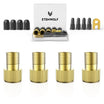

Flat tires are one of the most frustrating hassles drivers face — and most people wonder: “Can a tire inflator actually fix a flat tire?” The short answer is no, a normal tire inflator by itself cannot permanently repair a flat tire caused by a puncture or blowout. Yet, tire inflators are still extremely valuable to have in your car — especially when paired with proper repair tools.
In this article we’ll explain:
· What tire inflators can and cannot do
· When they’re useful (and safe)
· Why a tire inflator still matters even if it doesn’t “fix” a flat
· How combining an inflator with a repair kit lets you solve problems on your own
Let’s break it down in real-world terms.
What Happens When You Get a Flat Tire?
A flat tire occurs when air escapes from the tire through a puncture or damage to the tire structure. According to the Wikipedia definition of flat tires, flat tires account for a significant portion of roadside issues and can be caused by objects like nails, screws, debris, or tire sidewall damage. Inflators alone do not repair the source of the air loss — they only add air to the tire’s interior. (Source)
Before attempting to inflate a flat tire, it’s important to inspect the tire for visible damage such as bulges, severe cuts, or sidewall tears. Many of these conditions cannot be safely solved by adding air.

What a Tire Inflator Can Do
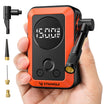
A tire inflator — whether a small 12V plug-in or a large portable pump — is designed to add air to a tire that is low or losing pressure. This is helpful in a few key situations:
✔️ Restoring Air to an Undervolume Tire
If your tire has lost pressure slowly (say from normal air loss over time), using a tire inflator to bring it back up to proper PSI is exactly what it’s meant for.
✔️ Helping You Reach a Safe Location
A flat tire with even partial pressure still isn’t “fixed,” but inflating it temporarily can let you drive slowly to a safer place — such as a garage or exit where you can address the issue properly. Inflator kits are specifically meant to be temporary aids only.
✔️ Maintaining Proper Tire Pressure
Inflators are excellent for ongoing maintenance to prevent flats caused by chronic under-inflation — one of the most common causes of tire failure. According to the U.S. National Highway Traffic Safety Administration (NHTSA), proper pressure is the most important part of tire safety, and poor maintenance can lead to blowouts or flats if ignored. (Source)
What a Tire Inflator Can Not Do
This is the part many drivers don’t understand: a tire inflator cannot repair a puncture or structural damage to the tire.
If a tire is flat because it has:
· A puncture larger than about 1/4 inch
· Sidewall damage
· A tear or shredded rubber
· The tire bead completely off the rim
…then adding air won’t help — in fact, it may make a damaged tire worse, dangerous, or completely fail while driving.
Temporary sealants like aerosol cans (e.g., Fix-A-Flat) attempt to seal small holes and add air at the same time, but even these are only temporary measures and come with their own drawbacks (such as TPMS sensor interference or structural issues).
Inflation With Sealants — Not a Permanent Repair
Many drivers use canned sealants that combine a propellant and leak-sealing fluid. These can temporarily allow you to re-inflate a tire. According to the concept of “canned tire inflators,” a temporary solution might let you reach a repair shop safely, but it’s not a lasting fix. (Source)
Automakers and tire professionals recommend permanent repair by patch or plug from inside the tire — not relying on sealants as a long-term solution. Sealants can also cause issues with TPMS sensors and may complicate later tire repair.
Why a Tire Inflator Still Matters
So if a tire inflator doesn’t actually “fix” the puncture, why bother having one?
🚗 1. You Prevent Many Flats Before They Happen
Under-inflated tires are one of the most common causes of tire failure. From the same NHTSA data referenced earlier, you are encouraged to check pressure monthly because low pressure increases wear, decreases traction, and increases the risk of blowouts. (Source)
A good tire inflator means you can keep your tires topped up properly without relying on inconsistent gas-station air pumps.
🛣️ 2. You Can Temporarily Inflate a Tire to Reach Safety
Even if the tire has a puncture, bringing it up to enough air pressure can let you move the vehicle safely out of harm’s way — such as to a wider shoulder, a nearby service station, or your driveway. That’s better than waiting on the highway for roadside assistance.
🧰 3. Inflators Work With Repair Kits for Real Solutions
Alone, inflators add air. But paired with a tire repair kit — especially one that includes plugs or patches — you can actually address the cause of the flat yourself.
A tire plug kit allows you to:
· clean and prep the puncture
· insert plugs to block the hole
· then inflate the tire to the correct PSI
This combo lets you fix many types of common punctures in a few minutes without towing or professional help, saving both time and money.
Why Roadside Assistance Is So Expensive and How to Avoid It
What Tools You Really Want in Your Car
To go beyond just “inflating air,” here are the tools serious drivers carry:
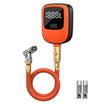
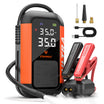
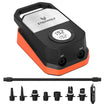
✅ A Quality Portable Tire Inflator
For checking and adding pressure — especially before long trips.

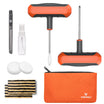
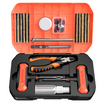
✅ A Flat Tire Repair Kit
Includes:
· tools to clean and prepare the puncture
· rubber plugs (of multiple sizes)
· insertion tools to properly seat plugs
These kits make temporary but meaningful repairs that let you drive to a shop rather than waiting by the roadside.

https://etenwolf.com/products/etenwolf-flat-tire-repair-kit-with-plugs-16-pcs
Tips Before Using a Tire Inflator on a Flat
Before you pump air into any flat tire, do this:
1. Visual Check
Look for large tears, sidewall damage, rim separation, or shredded rubber. If these are present, do not attempt to inflate — drive to safety or call assistance.
2. Understand Limitations
Inflate only if the puncture appears small and manageable. A tire with major structural damage should not be inflated at all.
3. Use Sealants Sparingly
Only as a temporary emergency measure, not a long-term fix. Many professionals warn against extended use of spray sealants due to potential interior damage and TPMS problems.
4. Drive Slowly After Repair
Even with a plug and inflation, avoid high speeds or long distances until the tire is properly serviced.
So What Can Fix a Flat Tire?
A tire inflator helps you add air. It does not repair bulk punctures on its own.
Real repair options include:
· Tire plug kits: good for nail or screw sized holes in the tread area.
· Patches from inside the tire: professional but effective.
· Tire replacement: required for sidewall damage or structural failure.
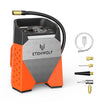
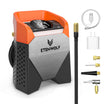
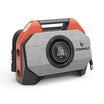
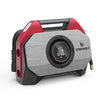
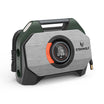
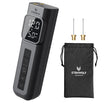
But having an inflator — especially a reliable, heavy-duty one like the ETENWOLF S7 Heavy Duty Tire Inflator — is a crucial part of the toolkit that lets you use a plug kit and regain tire pressure quickly.

This means you’re not left stranded, and you can save hours waiting for roadside services.
Conclusion — A Tire Inflator Isn’t a Magic Fix, But It’s Still Worth It
So can a tire inflator fix a flat?
No — not by itself, and not permanently.
But does it still have huge value for every driver?
Absolutely.
A quality tire inflator lets you:
✔ Maintain correct pressure to prevent flats
✔ Inflate a tire enough to reach a safe location
✔ Work with a repair kit to temporarily stop a leak
✔ Avoid costly tow trucks and long waits
✔ Improve your confidence and preparedness on the road
In other words, a tire inflator is not a repair tool alone — it’s a safety and prevention tool that works best when combined with smart tire repair kits and good driving practices.
FAQs
Q1: Can a tire inflator fix a flat tire permanently?
No — a tire inflator only adds air and cannot repair structural damage or large punctures. It’s useful for temporary inflation or slow leaks.
Q2: What tools can actually fix a flat tire?
Tire plug kits or professional patching from inside the tire can temporarily fix punctures in the tread area before full repair.
Q3: Should I use tire sealant products like Fix-A-Flat?
Sealants are best for emergencies but are temporary and can interfere with sensors or tire interior if left in long term.
Q4: Can I drive normally after using an inflator on a flat?
Drive short distances and at low speed until you can repair or replace the tire.
Q5: How often should I check my tire pressure?
At least monthly, and before long trips — proper pressure helps prevent flats.


Leave a comment
All comments are moderated before being published.
This site is protected by hCaptcha and the hCaptcha Privacy Policy and Terms of Service apply.