




















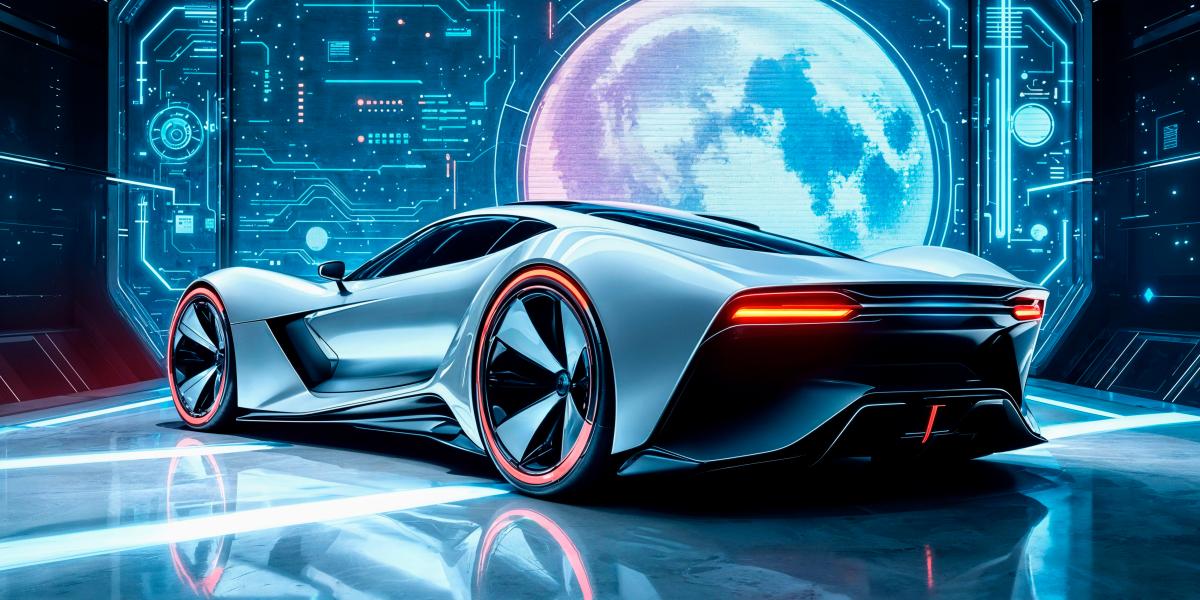
Modern sports cars are no longer defined only by horsepower or acceleration. In recent years, manufacturers have increasingly focused on driving experience simulation, trying to recreate emotional elements that were once purely mechanical.
One of the most discussed innovations is Porsche’s so-called “virtual gearshift” system, introduced in electric performance concepts like the Porsche Mission R and Porsche Taycan-related driving simulations.
While some enthusiasts see it as an unnecessary gimmick, others argue it may be the future of performance driving.
But beyond artificial shifting systems and digital driving emotions, there is a more fundamental truth that often gets ignored:
No matter how advanced a car becomes, tire pressure remains one of the most critical safety factors in high-speed driving.
Before discussing performance innovations, we need to understand what actually keeps a sports car stable on the road.
What Is Porsche’s Virtual Gearshift System?
Porsche’s “virtual gearshift” is not a traditional gearbox. Instead, it is a software-based driving simulation system designed for electric vehicles (EVs), where there are no physical gears.
According to Porsche:
The system creates:
· Simulated gear steps
· Engine sound feedback
· Paddle-shift response delay
· Torque interruption patterns
This gives EV drivers a feeling similar to driving a combustion-engine sports car. (Source)

Why Would an EV Need a Virtual Gearbox?
Electric motors normally deliver:
· Instant torque
· Smooth acceleration
· No shifting interruptions
While efficient, this can feel “too linear” for enthusiasts.
Porsche’s goal is emotional engagement:
· Make EVs feel more like 911-style sports cars
· Preserve driver interaction
· Add performance “rhythm”
However, this raises a key question:
Should sports cars prioritize emotional simulation over mechanical efficiency?
How Is Virtual Shifting Actually Achieved?
Unlike traditional transmissions, virtual shifting is created using:
1. Motor torque modulation
The ECU intentionally reduces or increases torque to simulate gear changes.
2. Software-based RPM mapping
Even though EVs don’t have real RPM gears, the system fakes “rev ranges.”
3. Audio synthesis
Engine sound is generated and synchronized with acceleration.
4. Haptic feedback
Some systems simulate shift vibration through the steering wheel or pedals.
Real limitation:
The car is still mechanically a single-speed EV. Everything else is simulation.
Public Reaction: Innovation or Gimmick?
The reaction among drivers and automotive media is divided.
Supporters say:
· Enhances driving enjoyment
· Makes EVs more engaging
· Helps transition traditional drivers into EVs
Critics argue:
· Adds unnecessary complexity
· Goes against EV simplicity
· Doesn’t improve performance
Automotive discussions on platforms like HERE.
show that enthusiasts are especially split on whether “fake shifting” improves driving at all.
But Here’s the Real Question No One Asks
While the industry debates virtual gearboxes, software driving feel, and sound simulation, one physical reality remains unchanged:
At high speeds, the only thing connecting a sports car to the road is four small patches of rubber.
That is why tire pressure is far more important than digital driving features.
Why Tire Pressure Matters More Than Driving Simulation
According to the U.S. National Highway Traffic Safety Administration (NHTSA):
Underinflated tires contribute to thousands of accidents annually. (Source)
Proper tire pressure improves:
· Braking distance
· Cornering stability
· Fuel efficiency
· Tire lifespan
AAA also reports:
· Around 1 in 5 drivers operate vehicles with underinflated tires

What Happens at High Speed?
In sports cars:
· Even a 5–10 PSI drop can affect grip
· Heat buildup increases faster
· Tire deformation becomes more unstable
At high speeds, this can lead to:
· Reduced cornering precision
· Longer braking distance
· Higher blowout risk
Why Sports Cars Are Especially Sensitive to Tire Pressure
Sports cars typically feature:
· Low-profile tires
· High stiffness sidewalls
· Wide contact patches
This means:
· Small pressure changes = large performance impact
Unlike SUVs or trucks, sports cars do not “absorb” tire pressure errors well.
The Hidden Risk: Tire Pressure Is Not Constant
Many drivers assume that as long as their tires haven't picked up a nail, the tire pressure will remain stable.
In reality:
· Temperature changes affect PSI
· Daily driving naturally causes slow leakage
· Performance driving increases heat expansion
According to Consumer Reports:
· Tire pressure drops about 1 PSI for every 10°F temperature decrease (Source)
Why Technology Inside the Car Isn’t Enough
Modern cars include:
· TPMS (Tire Pressure Monitoring Systems)
But TPMS:
· Only warns AFTER pressure drops
· Does NOT correct pressure
· Often triggers late in performance situations
So even in advanced sports cars with virtual gear systems, drivers still need physical maintenance tools.
This Is Where Practical Tools Matter More Than Digital Features
Instead of focusing only on driving simulation systems, real-world performance depends on:
· Tire inflation accuracy
· Quick pressure adjustments
· Portability during travel
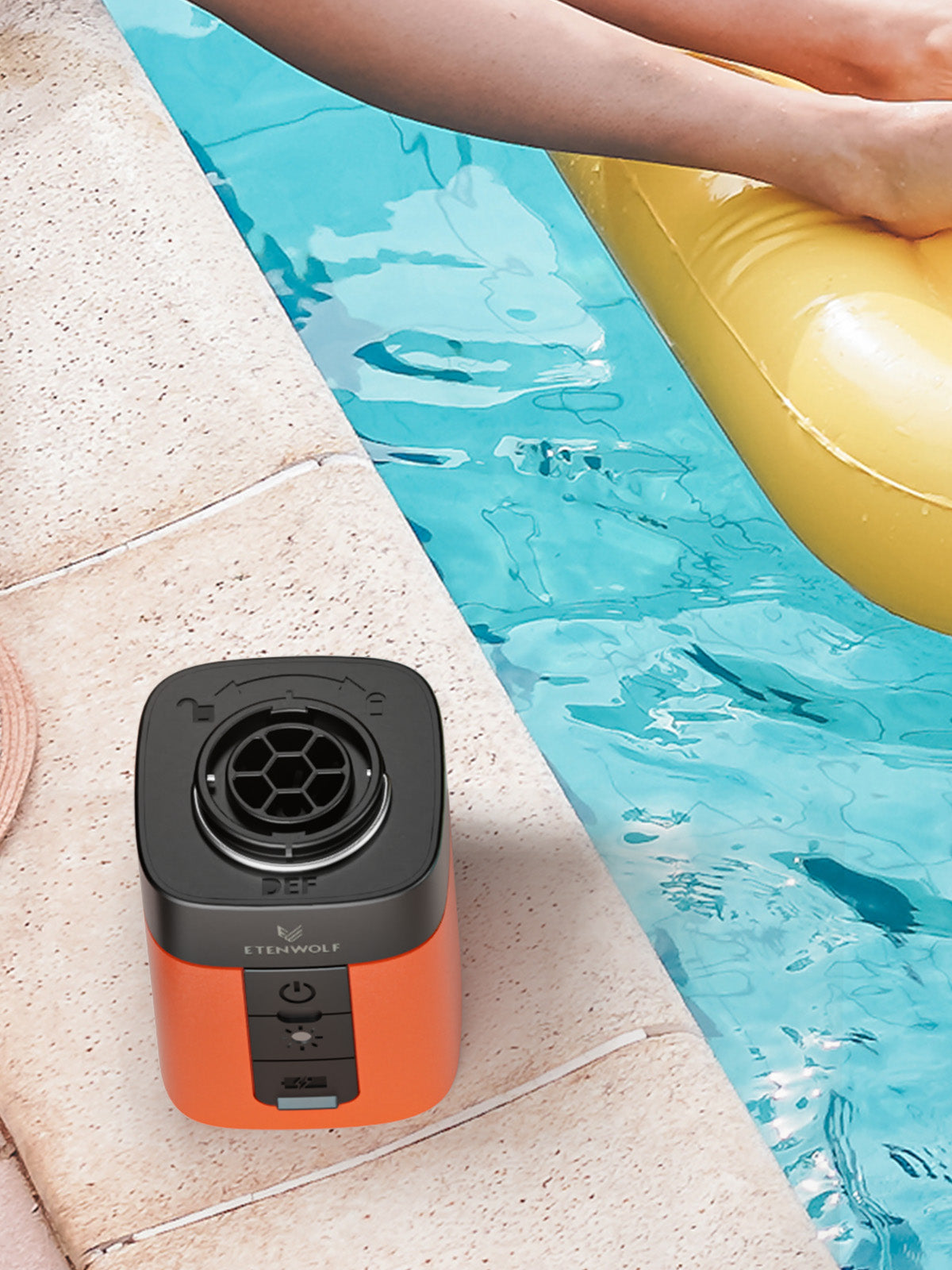
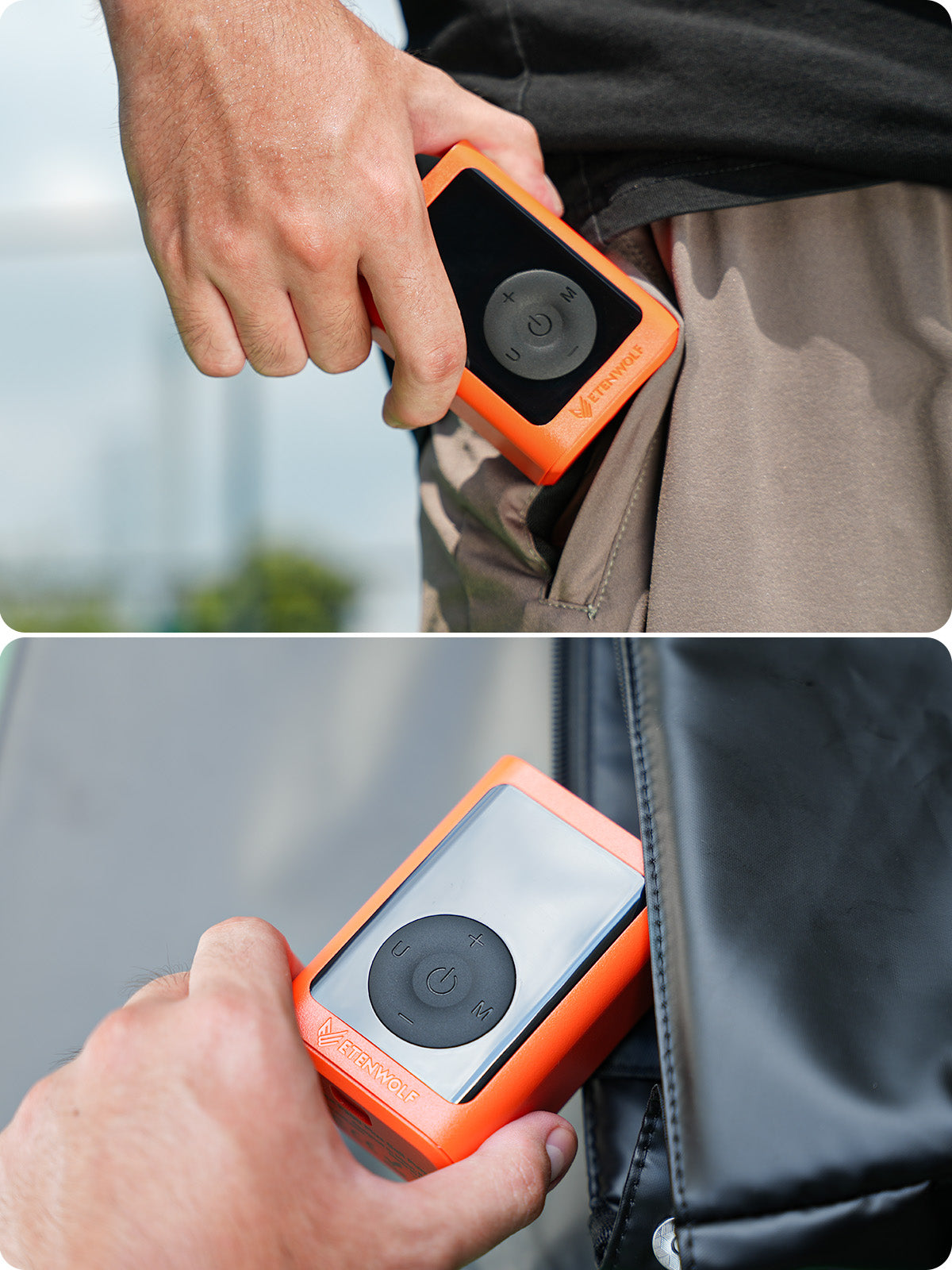
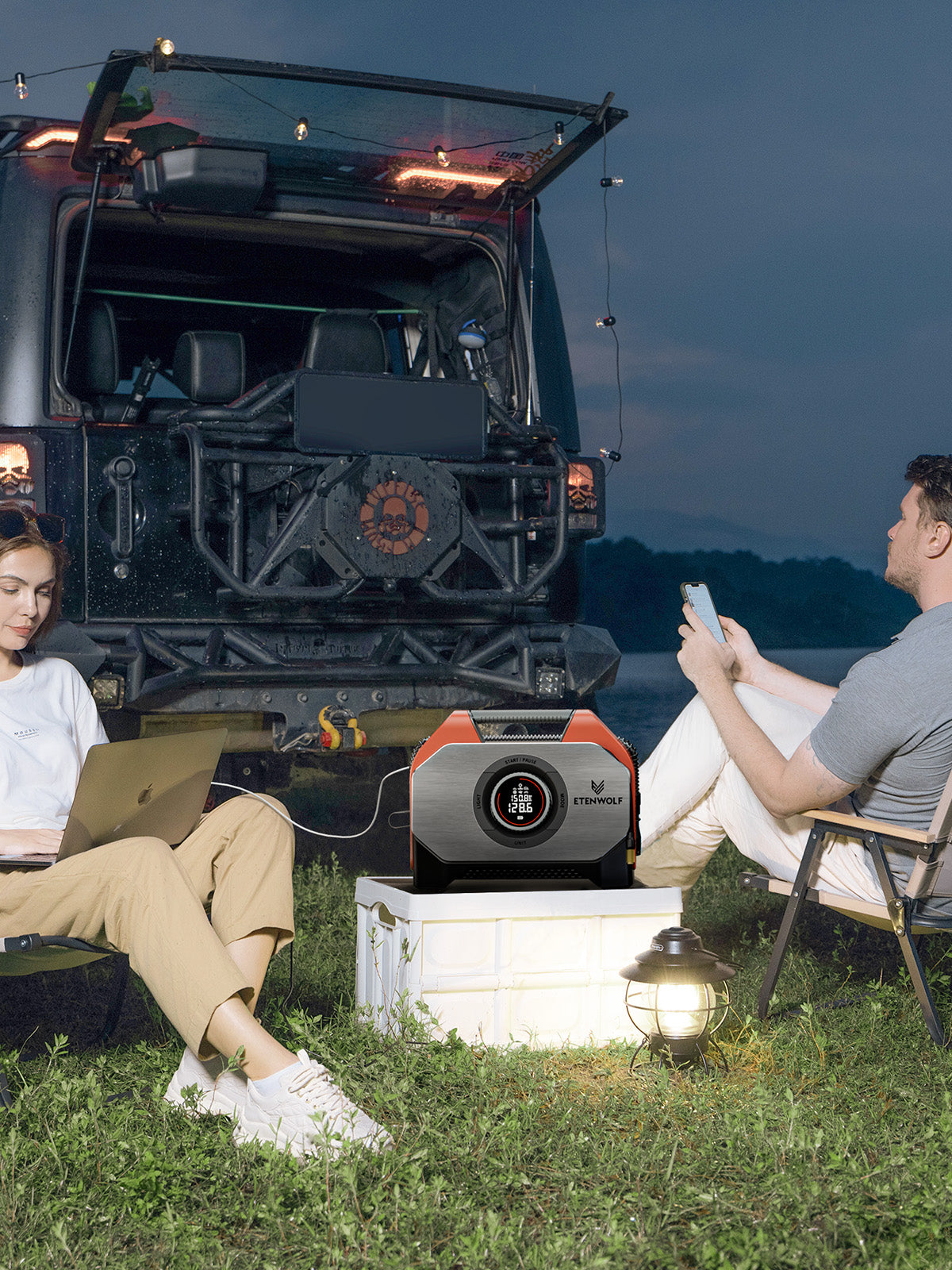
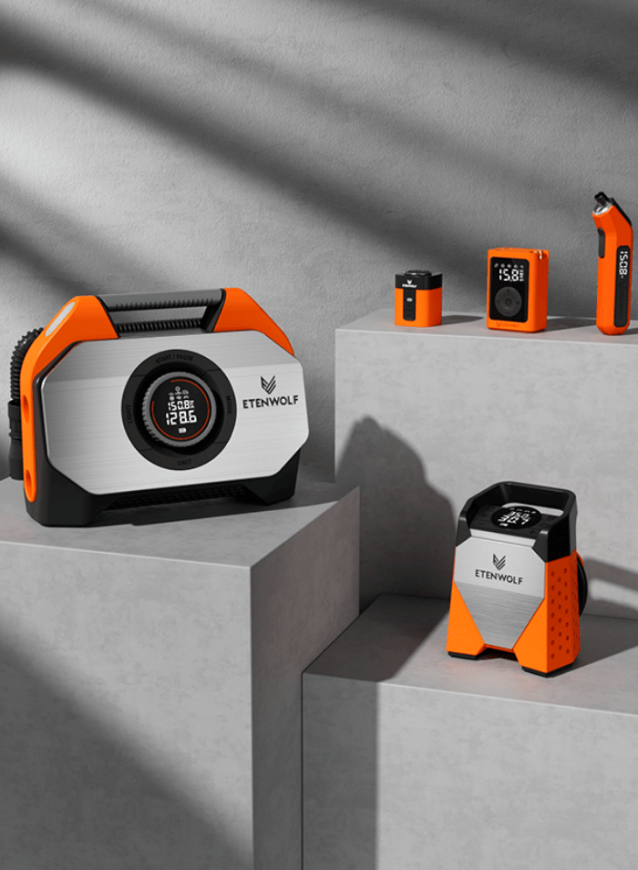
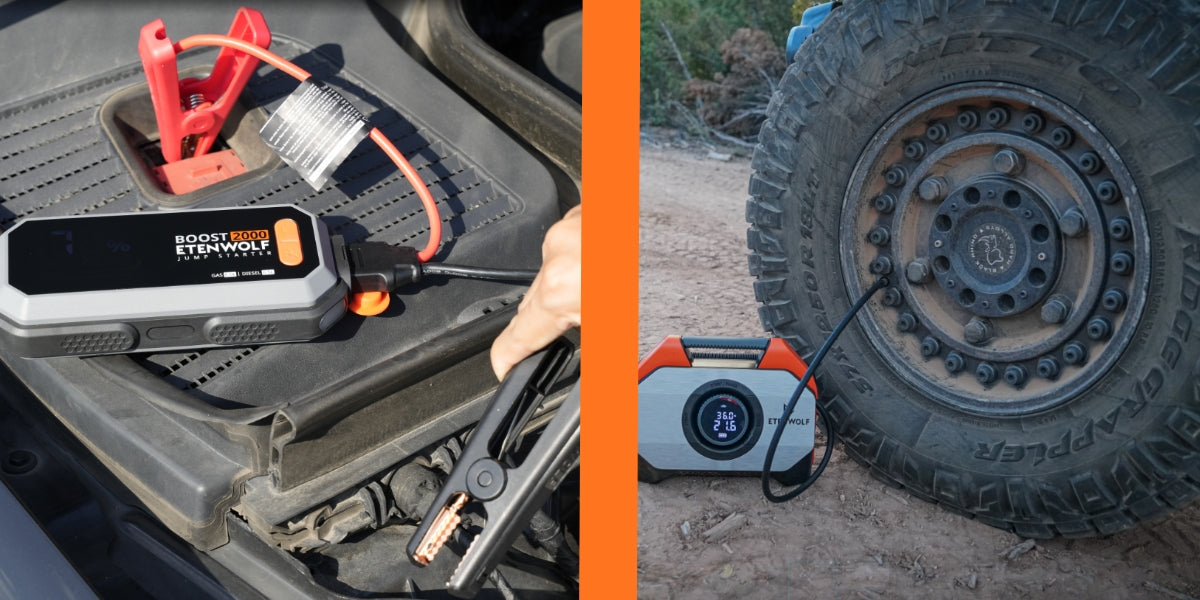
Introducing a Practical Solution: ETENWOLF S1 Portable Tire Inflator

While sports cars explore virtual driving experiences, real drivers still need real control over tire pressure.
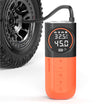
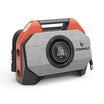
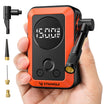
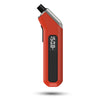
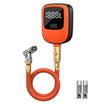
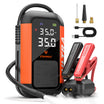
The ETENWOLF S1 Portable Tire Inflator is designed for this exact purpose.
Key Features of ETENWOLF S1
⚡ Ultra-fast inflation
· 160 PSI max pressure
· 20 L/min airflow
· Inflates 195/65R15 from 30 → 35 PSI in 60 seconds
🔋 Long battery life
· 5200mAh battery
Inflates up to:
· 17 car tires
· 60 motorcycle tires
· 70 bicycle tires
🧠 Smart auto-stop function
Stops automatically at preset pressure to avoid overinflation.
🎒 Portable design
· Compact body
· Built-in hose storage
· Easy to carry in trunk or backpack
💡 Emergency lighting
Built-in LED for night roadside situations.

Why This Matters More Than Virtual Gear Systems
Virtual gearshift systems improve:
· Driving emotion
But tire pressure affects:
· Real safety
· Real braking distance
· Real grip
One is experience.
The other is physics.
Final Thoughts: Innovation vs Reality
Porsche’s virtual shifting system represents where the automotive industry is heading:
· More software
· More simulation
· More emotional driving layers
But regardless of how advanced cars become, the fundamentals do not change.
At high speed, safety depends on:
· Tire condition
· Tire pressure
· Real-time maintenance
No simulation can replace that.
FAQs
1. What is Porsche virtual gearshift?
It is a software system that simulates gear changes in electric vehicles using torque modulation, sound design, and haptic feedback.
2. Do electric sports cars actually have gears?
No. Most EVs use single-speed transmissions. Virtual shifting is only a simulation.
3. Is tire pressure important in sports cars?
Yes. Even small PSI changes can significantly affect handling, braking, and safety.
4. How often should tire pressure be checked?
The NHTSA recommends checking at least once a month and before long trips. (Source)
5. Can a portable tire inflator improve safety?
Yes. It allows drivers to quickly restore correct pressure, especially in emergencies or performance driving conditions.
6. Why do sports cars lose tire pressure faster?
Low-profile tires and temperature changes make them more sensitive to pressure variation.


Leave a comment
All comments are moderated before being published.
This site is protected by hCaptcha and the hCaptcha Privacy Policy and Terms of Service apply.