
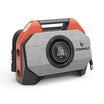
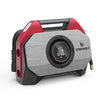
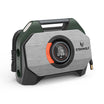
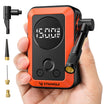

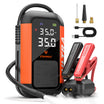
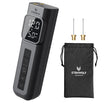
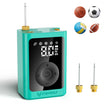
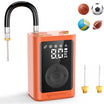


If you've ever searched for emergency car tools online, you've probably seen dozens of products that combine a jump starter and an air compressor into a single device.
At first glance, the idea seems brilliant.
One tool can start a dead battery.
The same tool can inflate a flat tire.
Less space. Less clutter. One purchase instead of two.
For many drivers, that sounds like the perfect roadside emergency solution.
But after looking deeper into how these devices actually work, a different question begins to emerge:
Can one portable device realistically do both jobs well?
The answer is more complicated than most marketing pages would have you believe.
While 2-in-1 jump starter and air compressor combos may work adequately for occasional use on small passenger vehicles, they often struggle when real-world demands increase. Larger tires, colder weather, extended inflation sessions, and aging batteries expose the limitations that aren't obvious on the product box.
In many cases, buying separate tools can actually provide better performance, better reliability, and longer service life.
Let's break down why.

Why Jump Starter and Air Compressor Combos Became Popular
The popularity of combination devices is easy to understand.
Most drivers don't want to fill their trunk with emergency equipment.
A typical roadside kit may already include:
· Jumper cables
· Flashlight
· Tire gauge
· First aid supplies
· Emergency blanket
· Tool kit
Adding both a jump starter and a tire inflator means carrying two additional devices.
Manufacturers recognized this concern and began combining the two functions into one package.
For urban drivers who rarely travel far from home, this solution can appear ideal.
However, convenience and capability are not always the same thing.
Understanding What a Jump Starter Actually Does
A portable jump starter has one job:
Deliver a massive burst of electrical current for a few seconds.
Starting an engine requires significantly more power than many people realize.
When you turn the key or press the start button, the starter motor may draw hundreds of amps instantly.
Cold weather increases the demand even further.
According to AAA, battery-related issues remain one of the most common reasons for roadside assistance calls across the United States. (Source)

To perform reliably, a jump starter needs:
· High peak current output
· Strong battery cells
· Stable voltage delivery
· Reliable performance in cold temperatures
A quality jump starter is essentially a specialized energy reserve designed for one critical moment.
Understanding What an Air Compressor Actually Does
Now let's look at the other side of the equation.
A tire inflator faces a completely different challenge.
Instead of delivering a short burst of power, it must generate continuous airflow and pressure.
This requires:
· A powerful motor
· Sustained energy delivery
· Effective cooling
· Adequate battery capacity
· High-duty-cycle operation
The larger the tire, the greater the demand.
A compact sedan tire may only require a few PSI adjustment.
A truck, SUV, trailer, or off-road tire often requires significantly more air volume.
That difference matters.
A lot.
The Hidden Problem: One Battery Must Power Two Energy-Hungry Systems
Here's the issue many shoppers overlook.
A jump starter and an air compressor don't just perform different tasks.
They consume energy differently.
A jump starter needs:
· High current
· Very short duration
An air compressor needs:
· Moderate current
· Long duration
When both functions rely on the same battery pack, compromises become inevitable.
Manufacturers face difficult decisions:
Should they prioritize jump-starting performance?
Or compressor performance?
Because of size, weight, and cost constraints, most combo devices end up splitting the difference.
The result is often a product that performs both functions adequately—but neither exceptionally.

Why Heavy-Duty Tires Expose the Weaknesses of Combo Units
This becomes especially noticeable when inflating larger tires.
Many drivers assume that if a product claims "150 PSI Max," it can easily handle truck tires.
Not necessarily.
Maximum PSI and real-world inflation capability are not the same thing.
For example:
A passenger car tire may operate around:
· 32–35 PSI
A pickup truck tire may require:
· 65–80 PSI
Many trailer tires operate around:
· 80 PSI
Some RV tires can exceed:
· 100 PSI
The challenge isn't simply reaching those pressures.
The challenge is maintaining airflow while pressure increases.
As tire pressure rises, compressor workload increases dramatically.
Smaller motors often slow down.
Heat builds up.
Battery voltage drops.
Inflation times increase.
Eventually, thermal protection systems may activate.
The compressor stops.
The user waits.
Then starts again.
This cycle is extremely common among smaller combo units.
Why Duty Cycle Matters More Than Most Buyers Realize
One specification that rarely receives enough attention is duty cycle.
Duty cycle refers to how long a compressor can operate continuously before requiring a cooling period.
Many small portable compressors require frequent breaks to prevent overheating.
This may not matter when topping off a sedan tire by 2 PSI.
It matters a lot when inflating multiple truck tires.
A compressor that repeatedly shuts down due to heat can turn a simple task into a frustrating experience.
For drivers who own:
· Pickups
· Off-road vehicles
· Work trucks
· Campers
· Trailers
Duty cycle becomes one of the most important specifications.
Why Separate Tools Often Deliver Better Performance
There's an old principle used throughout engineering:
A tool designed for one job usually performs that job better than a tool designed for many.
Emergency equipment is no exception.
When jump-starting and tire inflation are separated, each device can be optimized independently.
The battery capacity isn't shared.
The cooling system isn't compromised.
The motor can be larger.
The electrical system can be designed specifically for its purpose.
This often results in:
· Faster inflation
· More jump starts
· Longer battery life
· Better reliability
· Greater durability
A Better Approach: Dedicated Tools for Dedicated Jobs
For many drivers, especially those who travel long distances or own larger vehicles, a dedicated emergency setup makes more sense.
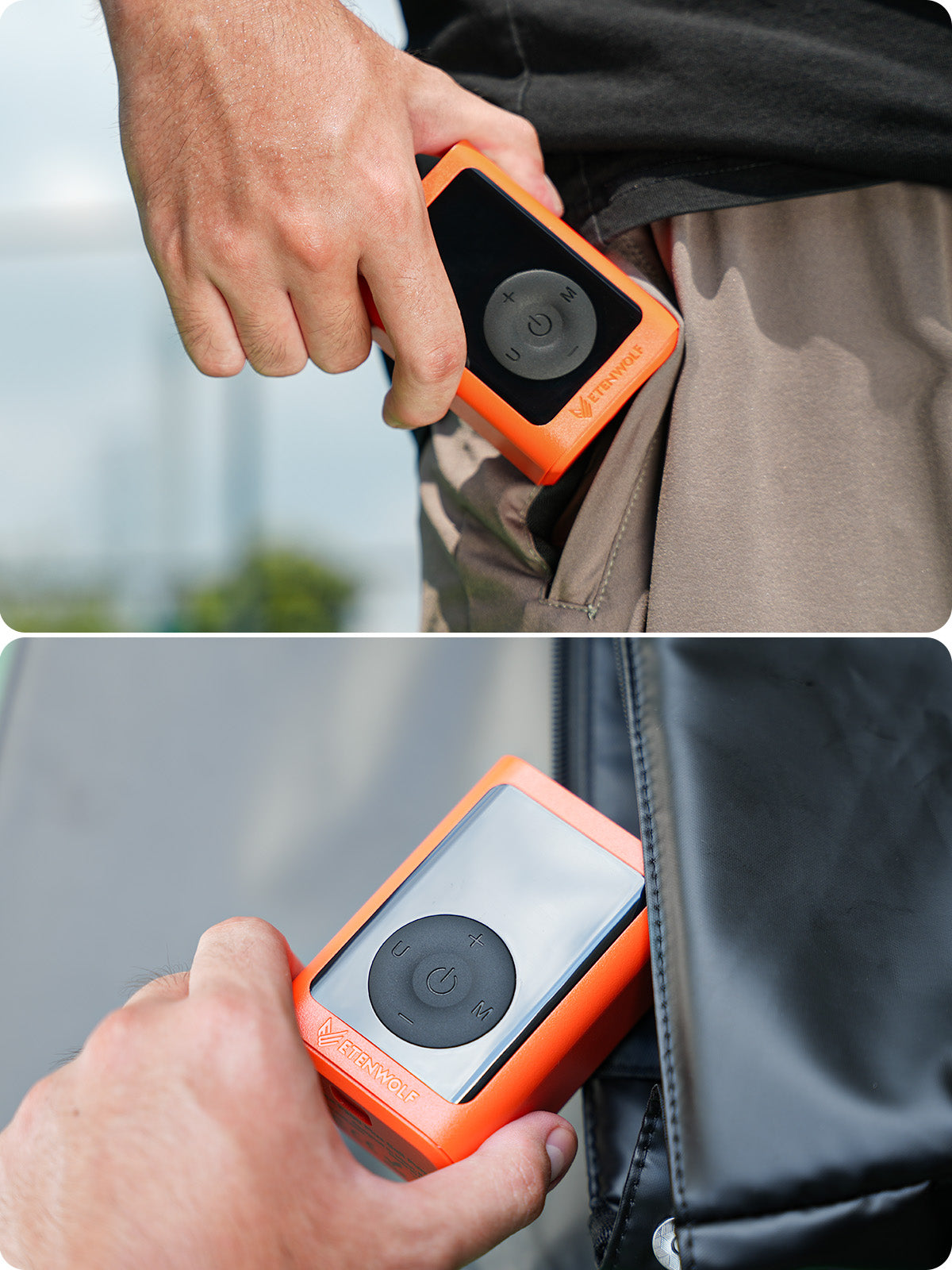
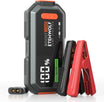
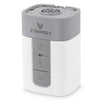
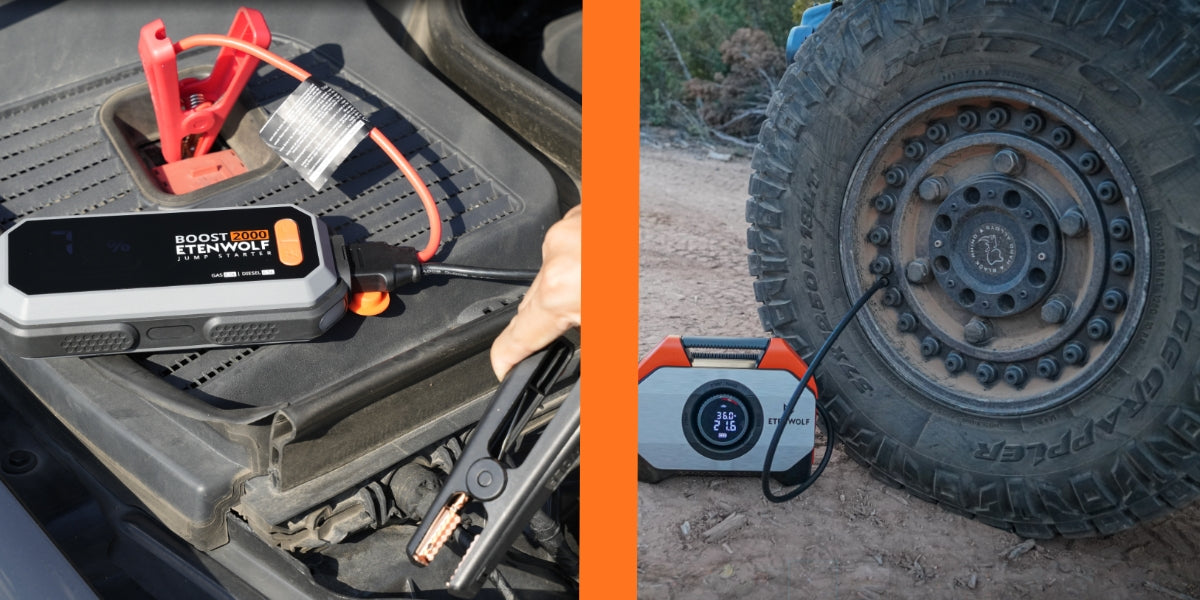
ETENWOLF J1 Portable Car Battery Jump Starter

The J1 focuses entirely on jump-starting performance.
It delivers:
· 2000A peak current
· Starts batteries as low as 9V
· Supports up to 8.0L gas engines
· Supports up to 6.5L diesel engines
· Up to 35 jump starts per charge

Unlike combo units that must divide battery resources between multiple functions, the J1 is engineered around one mission:
Getting you back on the road.
Its eight intelligent safety protections help prevent common user mistakes, while the IP65-rated housing adds durability for real-world conditions.
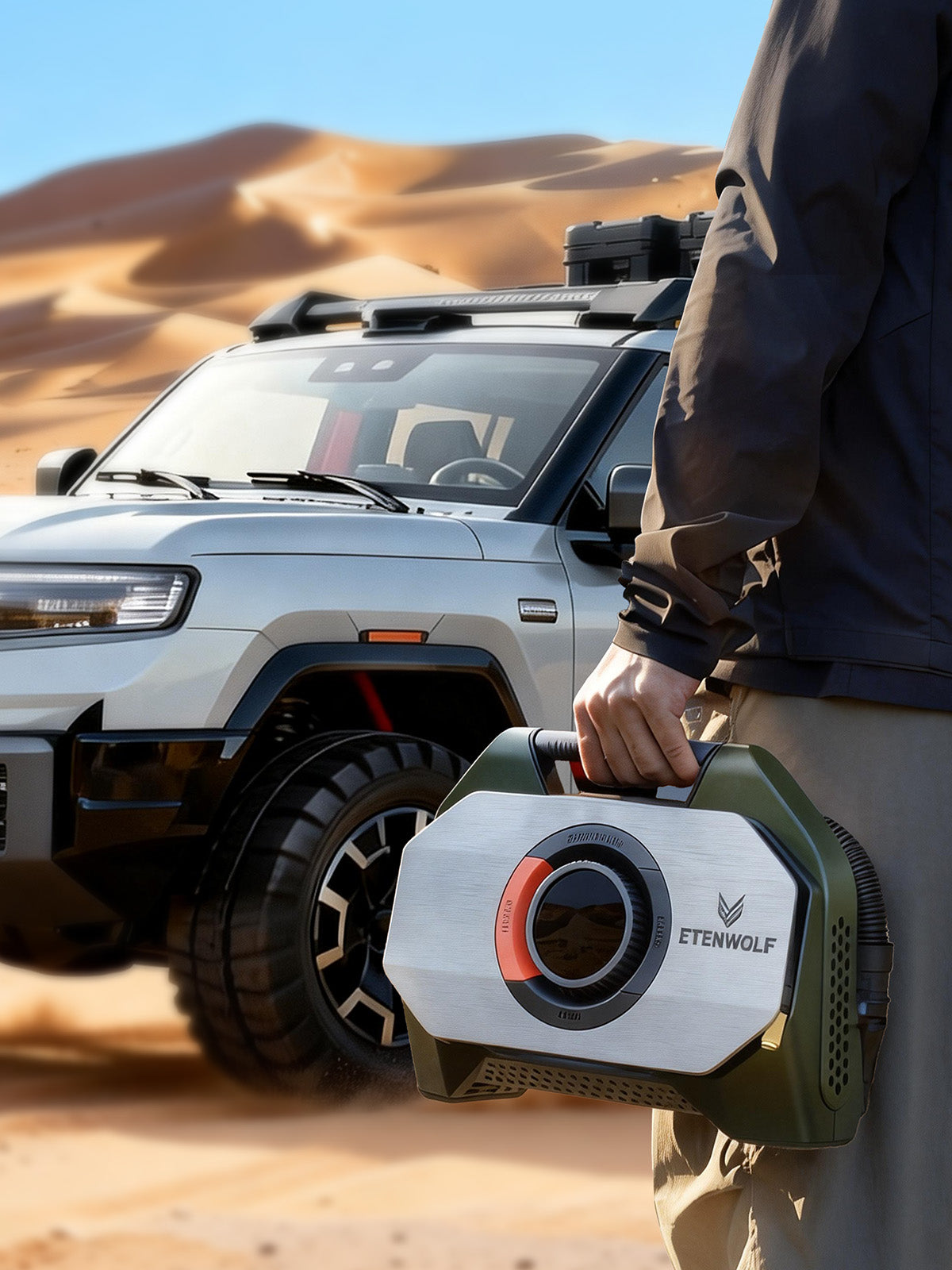
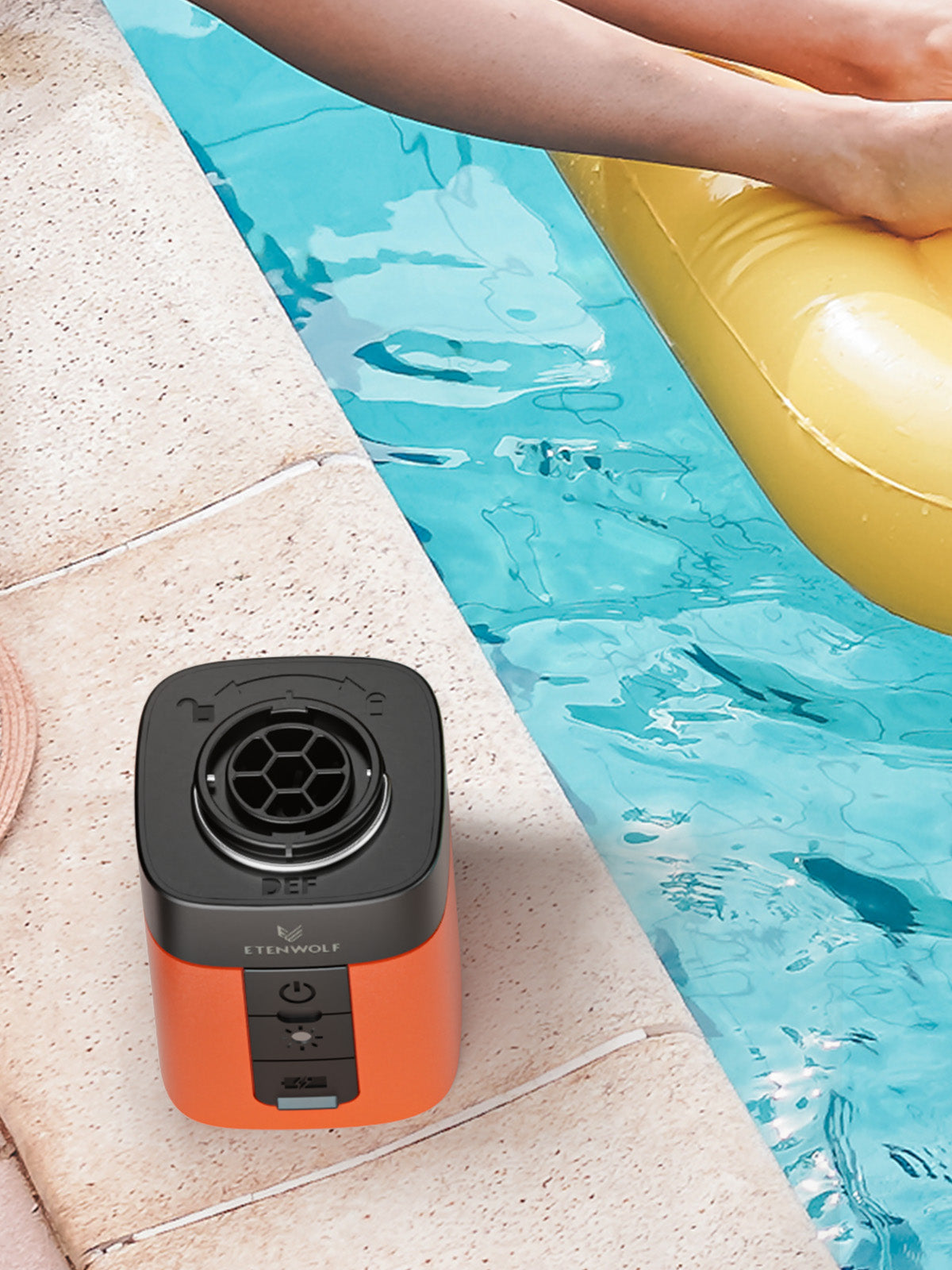
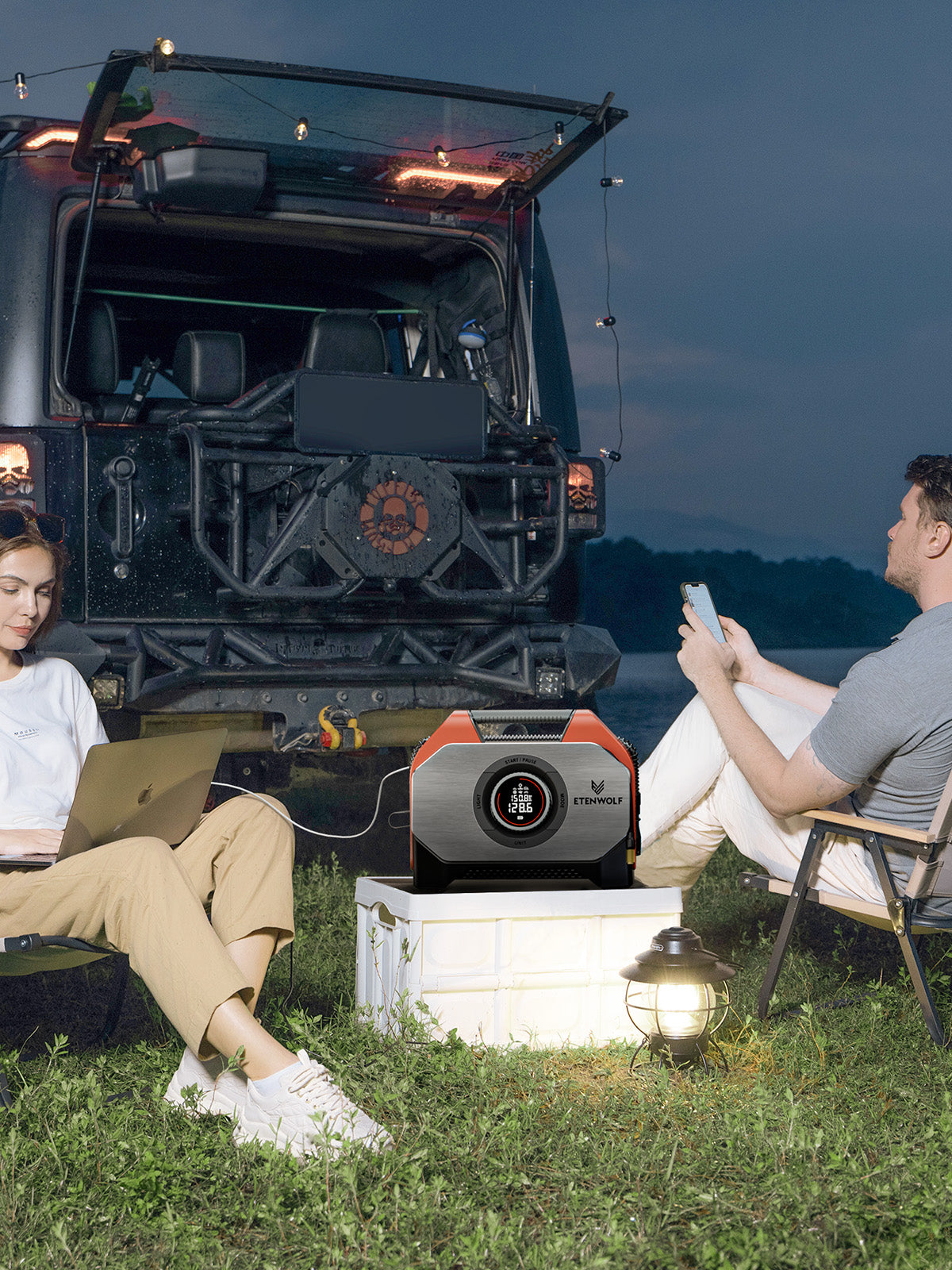
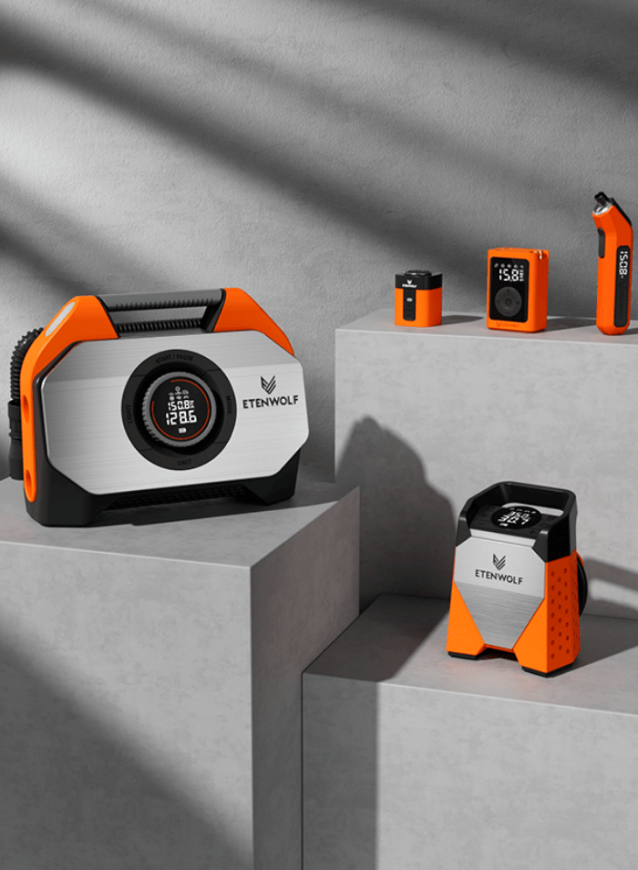
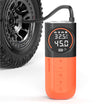
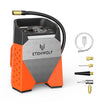
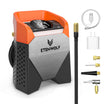
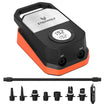
ETENWOLF Vortex S7 Tire Inflator

The S7 takes the opposite approach.
Instead of trying to start engines, every aspect of its design focuses on tire inflation.
That focus shows in the specifications.
The Vortex S7 features:
· 260W dual motors
· Up to 52 L/min airflow
· 160 PSI maximum pressure
· ±1 PSI accuracy
· Massive 38,400mAh battery
· Dedicated cooling system
· 100% duty cycle design

These are specifications typically associated with serious heavy-duty inflators rather than compact combo devices.
For truck owners and off-road enthusiasts, the difference becomes obvious when inflating larger tires.
A single charge can add air to up to 33 F-150 tires from 30 PSI to 35 PSI.
That's a workload most combination units simply aren't designed to handle.
The Reliability Question
Imagine you're miles from home.
It's cold.
Your battery is weak.
One tire is losing pressure.
Would you rather depend on:
A single device responsible for everything?
Or two specialized tools optimized for their individual tasks?
Many experienced drivers choose the second option.
Not because it's more exciting.
Because it's more dependable.
When emergencies happen, reliability becomes more important than convenience.
So, Is a Jump Starter With an Air Compressor Worth Buying?
The honest answer depends on your expectations.
If you drive a small sedan, stay close to urban areas, and only need occasional emergency support, a combo unit may be sufficient.
But if you:
· Drive a truck
· Own an SUV
· Tow trailers
· Travel long distances
· Explore remote areas
· Frequently encounter harsh weather
Separate tools are often the smarter investment.
You'll typically gain:
· Better inflation performance
· Better jump-start capability
· Longer runtime
· Better thermal management
· Greater overall reliability
Sometimes convenience wins.
Sometimes capability wins.
When it comes to roadside emergencies, capability is usually the safer choice.
Final Thoughts

The idea behind a jump starter with an air compressor is undeniably appealing.
One device.
One battery.
One purchase.
But real-world performance often reveals the compromises required to combine two demanding functions into a single package.
A jump starter needs explosive power.
A tire inflator needs endurance.
Trying to optimize both within the same device usually means sacrificing something.
That's why many experienced drivers ultimately choose dedicated tools.
A reliable jump starter for dead batteries.
A powerful tire inflator for tire maintenance.
Together, they create a more capable emergency kit than most 2-in-1 solutions can offer.
And when you're standing on the side of the road, that's what matters most.
FAQs
Is a jump starter with air compressor worth buying?
For light-duty use, it can be convenient. However, drivers who own trucks, SUVs, trailers, or off-road vehicles often benefit more from separate devices with higher performance and larger battery capacity.
Why do combo units struggle with truck tires?
Truck tires require greater air volume and often higher pressures. Many combo devices have limited airflow, smaller batteries, and shorter duty cycles, which can slow inflation and increase overheating risks.
What is the difference between maximum PSI and actual performance?
Maximum PSI indicates the highest pressure a compressor may reach. Real-world performance depends on airflow, motor power, battery capacity, and cooling efficiency.
Why is duty cycle important in a tire inflator?
Duty cycle determines how long a compressor can operate continuously before cooling down. A higher duty cycle improves performance when inflating multiple or larger tires.
Is a dedicated jump starter better than jumper cables?
For many drivers, yes. Portable jump starters eliminate the need for a second vehicle and can provide a safer, more convenient solution during emergencies.
How many jump starts can a portable jump starter provide?
This varies by model. ETENWOLF J1 Portable Car Battery Jump Starter delivers up to 35 jump starts on a single charge.
Can low tire pressure affect fuel economy?
Yes. The U.S. Department of Energy reports that underinflated tires can reduce fuel efficiency and increase tire wear. (Source)
What should every vehicle emergency kit include?
A well-prepared kit should include a jump starter, tire inflator, tire pressure gauge, flashlight, first-aid supplies, and basic repair tools.



Leave a comment
All comments are moderated before being published.
This site is protected by hCaptcha and the hCaptcha Privacy Policy and Terms of Service apply.