














Browsing tire discussions online, drivers often stumble upon a single idea - this hint shows up again and again:
The “3% tire rule.”
So here's the thing - what actually constitutes this rule? Which people must abide by it? Then there's the connection to blown tires, backup wheels, and regular tire care tasks. That part often gets overlooked.
Picture how this law breaks down using everyday examples - after that, link it to actual road conditions, showing how keeping proper tire pressure isn’t just smart but also reduces chances of getting a flat while driving.
In the end, it clicks - tools such as the ETENWOLF S7 Tire Inflator truly count, even if many motorists overlook their importance.

What Is the 3% Tire Rule?
People often talk about the 3% tire rule, even if it's not required by law. This idea comes around workshops and online forums quite a bit. It helps workers compare different tire dimensions safely. Think of it more like advice than a strict rule.
🔹 The Rule Says:
Shifting tire dimensions - say, wider wheels or different side profiles - means the new tire’s height must stay within three percent above or below the first factory-fit measurement. That shift keeps things close.
Given your starting tire measures 26.6 inches, any new tire replacing it ought to fall near these dimensions - not way off. They say matching within a small range works best when swapping parts out.
Around 0.8 inches, if you add or subtract 3 percent by 26.6
To put it differently:
📌 A fresh tire diameter fits within roughly 25.8 to 27.4 inches.
This setup makes sure the fresh tire stays nearly the same size, so nothing inside the car's setup gets surprised by a mismatch.
Why Does the 3% Rule Exist?
This rule exists because many automotive systems assume the tires on the vehicle are close to factory size.
Should tire size shift by a lot, issues tend to follow. Sometimes problems show up right away.
✔ Speedometer and Odometer Become Inaccurate
Speed and tire rotation speed determine how far your car travels. When a tire is much bigger or smaller than the original one, readings may differ by many miles per hour or distance. Because of this, tracking miles becomes harder while fuel usage seems wrong too.
✔ Anti-Lock Brakes and Stability Controls Can Behave Unpredictably
These days' cars depend on tech like ABS, watching how fast each wheel spins. When a tire swaps with a larger one, that speed number shifts fast - no real slip, just bad data. This twist can trip warning lights or hold back braking too long, simply because sensors miss the swap.
✔ Reduced Handling Performance
Bigger tires shift how the steering responds, along with changes in suspension layout and force applied to wheel bearings and axles. Wider tires might scrape against wheel wells, leading to heat buildup, friction, and faster deterioration.
Most folks treat the 3% rule like a rough guide - it keeps changes close to what the car actually designed for.
Who Should Pay Attention to the 3% Tire Rule?
Not everyone needs it — but these groups definitely should:
Drivers Modifying Tire or Rim Sizes
· People upgrading to larger rims and lower profile tires
· Off-road or lifted truck owners changing tire diameter
· Anyone converting tire aspect ratios
When operators stick to the 3% tolerance, chances are lower that the system will act oddly, give wrong values, or fail under stress.
Truck and SUV drivers on the road
When bigger machines move bulkier loads, tweaking tires shifts impact - longer stops, uneven balance, or stiff turns follow.
Surprisingly, data from NHTSA shows mismatched tire sizes plus neglect in care often lead to tire problems. (Source)
Do You Need to Follow the 3% Rule When Using a Spare Tire?
This happens often to ask, particularly following a blown tire or car trouble on the side of the road.
🟡 Full-Size Spare Tires
When the backup tire matches height exactly, keep it close to three percent above or below - that’s because it is essentially the same tire as the others.
🟠 Temporary or “Donut” Spares

You’ll often see small spare tires in vehicles - these are usually called donut spares.
Small on purpose. Not hitting the 3% mark - that was chosen.
These spare parts come from the manufacturer and are meant for:
· Temporary use only.
· Slower movement, usually beneath 50 to 55 miles per hour.
· Short distances, usually under 50 to 70 miles.
Since their job is just getting you to a tire place, a slight gap in size due to diameter difference won’t matter much when moving slowly over brief distances.
If a donut runs low and its count differs by over 3%, call it okay. No need to flag it.
Even if the 3% rule matters for tire sizes or spare wheels, what drivers actually influence daily is air pressure in their tires.
But Here’s the Bigger Picture: 3% Rule vs. Tire Pressure
While the 3% rule is relevant when changing tire sizes or using spares, the thing most drivers can control every day is tire pressure.
Why Tire Pressure Matters Even More
Flat tires happen more often than you think, not from nails or trash on roads - just how it goes.
· Air slips out of tires slowly, year after year
· Cold temperatures reduce tire pressure
· Underinflated tires generate heat faster
· When things get hot and busy, your hair pays the price - blowouts happen.
From the U.S. Department of Energy comes a finding - underinflated tires mess with how much fuel you use and how safe you’re driving. Data highlights this effect clearly. (Source)
Tires that are too low often end up failing, according to NHTSA - this plays a major role in tire breakdowns. (Source)
So while the 3% rule is useful for tire size changes, tire pressure is a far more common and immediate cause of flat tires.
So What Does This Mean for You on the Road?
Think of the 3% tire rule as a long-term modification guideline. It applies when you deliberately change your tire setup.
But tire pressure is a daily safety concern.
Even if your tires follow the 3% rule, skipping tire pressure checks leaves you exposed to punctures, sudden failures, or uneven tread degradation.
That’s where daily maintenance tools become as important as rules about diameter.
How to Prevent Flat Tires Instead of Waiting for One
This fact sits pretty simply.
A sudden tire change often ties back to overlooked pressure readings or delayed checks.
Finding a flat tire early avoids sudden breakdowns while driving.
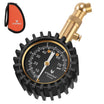
Still, checking tire pressure by hand just a couple times a week feels like a hassle - particularly when you’ve got several tires to pump up ahead of vacation.
That’s why having a reliable tire inflator in your car isn’t just nice to have — it’s a smart safety investment.
When the 3% Rule Meets Reality — and Tools Matter
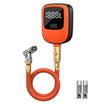
A portable tire inflator won’t repair a puncture or fix worn-out tire parts - but it can help you:

✔ Maintain manufacturer-recommended pressure
This cuts down on:
· the risk of blowouts
· uneven wear
· fuel inefficiency
✔ Recover from minor pressure loss
Sometimes a slow leak or temperature drop can leave a tire just low enough to be unsafe — without triggering the TPMS warning light.
A solid inflator helps fix issues early, avoiding bigger troubles down the line.
Why a Heavy-Duty Inflator Makes a Difference
One tire inflator stands apart from others. Though they look alike, results differ. Choice depends on needs beyond appearance.
A tiny, feeble pump could
· take too long
· heat buildup
· fail to impress with bigger tires
· be useless in emergencies

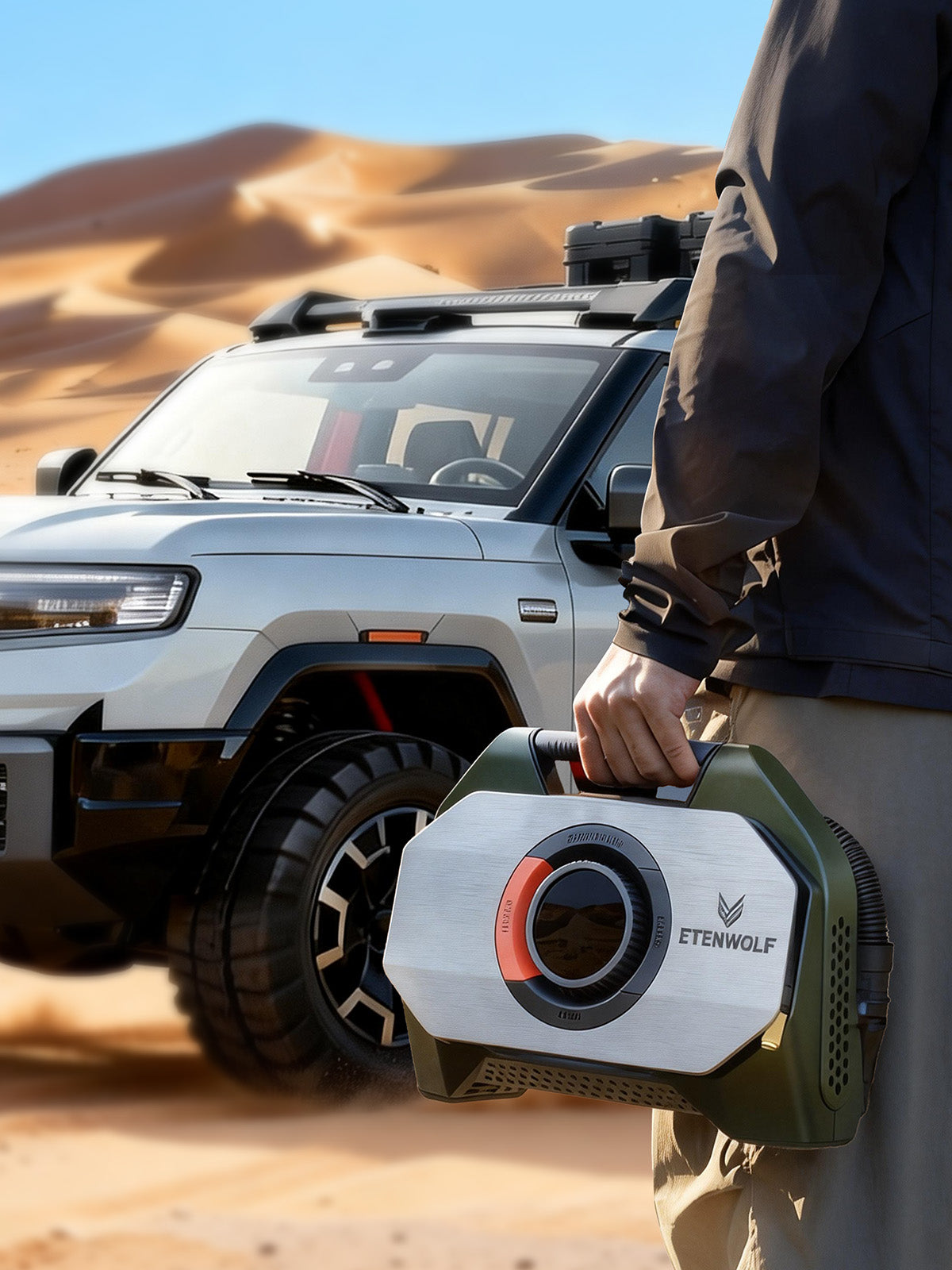
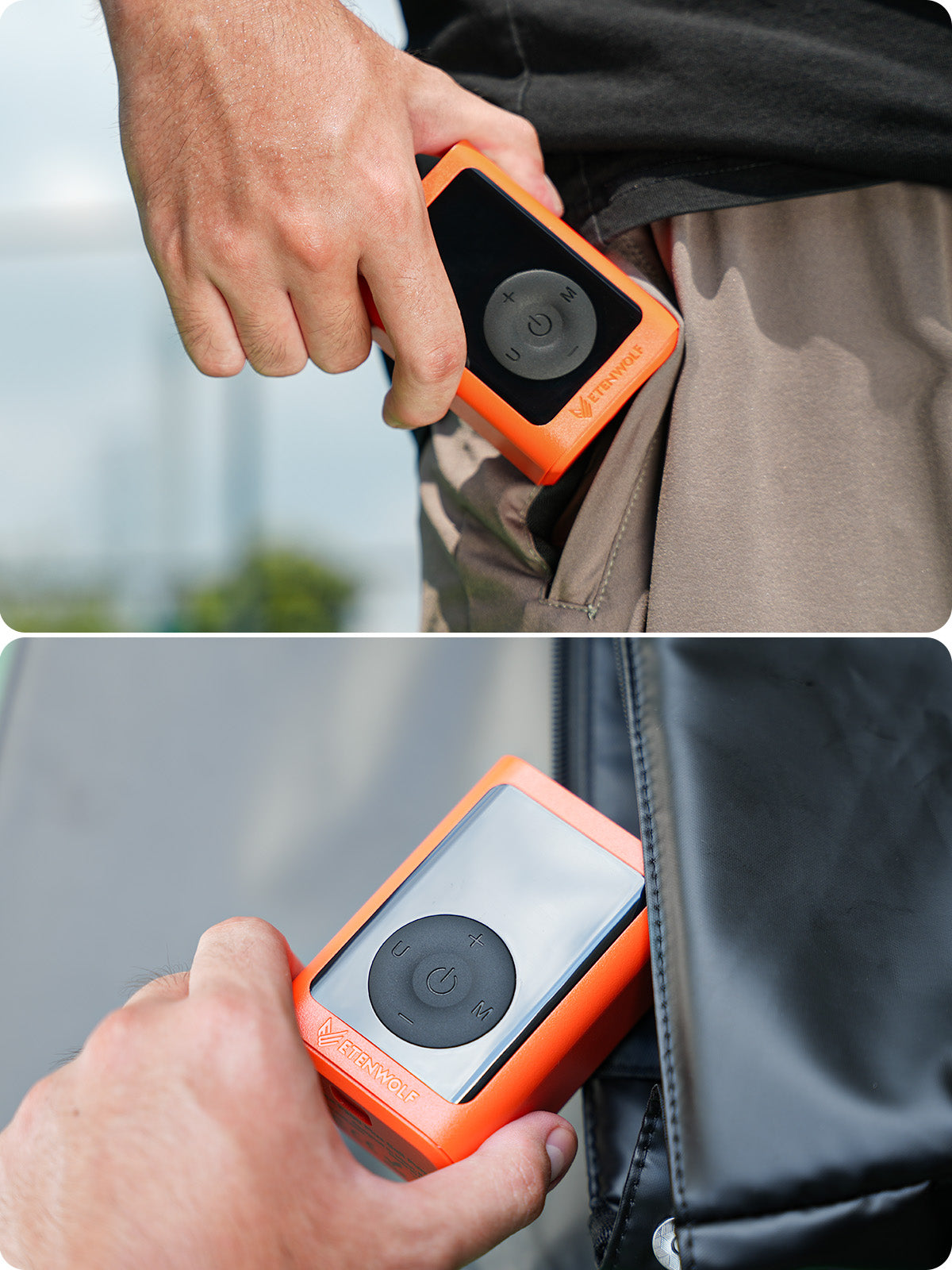
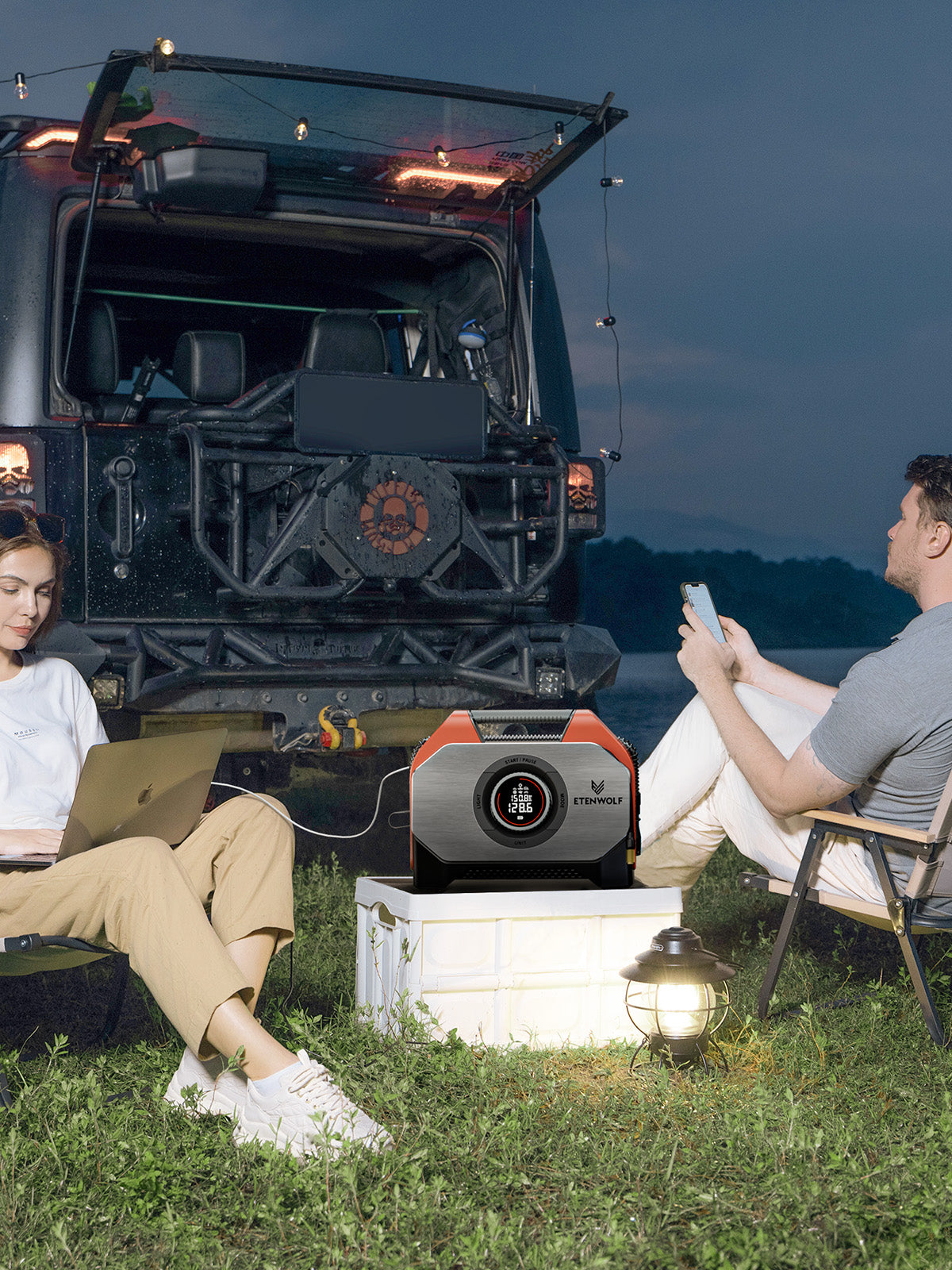
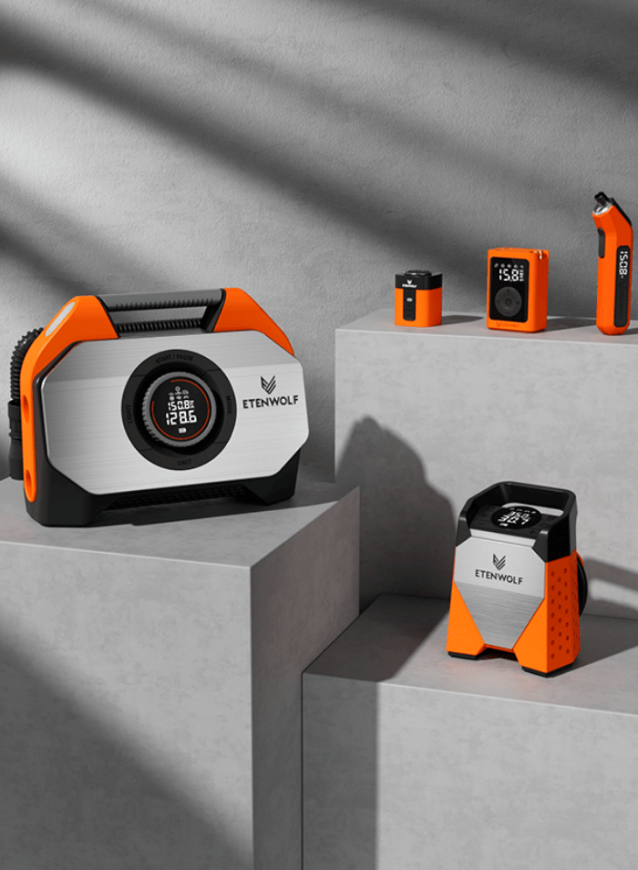
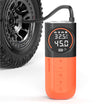
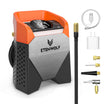
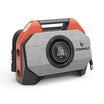
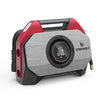
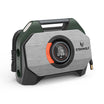
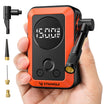
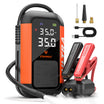
This is where a heavy-duty inflator like the ETENWOLF Vortex S7 proves itself:
· Faster tire filling comes from strong dual motors. These units quicken air intake especially for bigger wheels
· 38,400 mAh Massive battery capacity - several tires draw from just one charge
· Hits exact target pressure every time, precision accurate within ±1 PSI
· Built-in LED light - handy when stopped by the road or in dim lighting
· Multi-vehicle use — RVs, cars, SUVs, trucks, bikes, inflatables

When used often - especially ahead of extended travels - proper tire pressure lowers chances of needing a backup tire altogether.
Keeping tire pressure up means flats show up way less. Most times, people skip calling help when proper pressure stops a blowout before it happens.
Conclusion — The 3% Rule or the 3-Step Tire Check? Both Matter, But One Happens First
Every now and then, that 3% figure shows up in the tire rule - guiding choices for new tires on different wheels. When wheels change, it’s this number that keeps things lined up: brakes, handling, even speed readings staying sharp.
Every morning, keeping tire pressure in check matters - safety depends on it, tires last longer, blows are fewer.
That’s why a reliable tire inflator like the ETENWOLF Vortex S7 is a worthy companion — not just for routine maintenance, but for real peace of mind on every road.
FAQs
Q1. What is the 3% tire rule?
It’s a guideline saying that swapping tire sizes different from the factory original means keeping the new diameter between three percent above or below the first one. Shifting too far risks speedometer error, ABS instability, and drivetrain issues.
Q2. Do spare tires need to follow the 3% rule?
A temporary tire - like a donut spare - often slips through the usual rules since it's built for quick, slow trips in crisis situations.
Q3. Which vehicles benefit most from following the 3% rule?
People swapping tires or rims, handling off-track vehicles, raising trucks, or planning big design shifts in their vehicles.
Q4. Does tire pressure matter more than tire size?
Both are important. Following the 3% rule for tire size and maintaining correct tire pressure are both crucial for ensuring driver safety.
Q5. How often should I check my tire pressure?
At least once a month and before long trips, according to NHTSA tire safety recommendations. (Source)


Leave a comment
All comments are moderated before being published.
This site is protected by hCaptcha and the hCaptcha Privacy Policy and Terms of Service apply.