


When you stay in a woodsy spot, get ready for darkness at your house, or walk distant paths when daylight fades, having trustworthy illumination matters most. Out there among countless choices - from battery-run LEDs without fire to fuel-driven beams and old-style single-burner models - picking what fits can seem like trying too many puzzles at once.
Starting off, this guide shows how to pick the perfect camping light. What counts changes often, so pay attention to key details. Different options come with their own advantages and drawbacks. After going through these points, the ETENWOLF CL5 stands out - especially because it handles both lantern and flashlight tasks well outdoors.
🔦 Basic Types of Camping Lights
Starting off, consider the main types of camping lights you could run into:
1. Traditional candle-style lanterns
What comes to mind for most individuals is probably a picture from another era - tiny fires tucked behind transparent covers.

Strengths:
· A humble choice, this. Costs little, yet gets the job done.
· No power source required.
Downs:
· Fire hazard risk, especially in tents.
· Makes soot and warmth.
· It puts out almost no light at all.
Because they’re risky and don’t work well, skip using candle lanterns when camping happens.
2. Gas or Fuel Lanterns
Fuel inside them gets squeezed - it's butane, propane, or white gas - and that pushes out a strong glow.

Strengths:
· Really shining.
· For longer camp illumination, these work well.
Downs:
· Larger in size, also more dense and awkward to handle.
· Fuel canisters make things heavier.
· Open flame can be hazardous in windy or enclosed spaces.
Even if they put out fair light, handling fuel lanterns needs attention, there is a risk of fire, especially in dry and wooded campsites, which may cause wildfires.
3. Electric camping lights (LED rechargeable)
Nowadays, these stand out as the go-to option because they work well in so many situations.

Strengths:
· Powered by batteries, it emits light, is safe and does not generate heat.
· Lasts a really long time on a single charge.
· Can be rechargeable.
· Many have adjustable brightness and modes.
· Safe for use in tents and enclosed spaces.
Downs:
· Runs on batteries or needs charging.
· Cheap models differ a lot when it comes to how well they work.
Electric lights, especially LED models, have become the go-to choice for most campers.
🌟 Key Features to Consider When Choosing a Camping Light
When you’re evaluating camping lights, here are the most important aspects to think about:
🎛️ 1. Power Source & Rechargeability
Electric camping lights come in three common power types:
· Disposable batteries (AAA, AA): Easy to buy, but require frequent battery replacement and contribute to environmental pollution.
· Built-in rechargeable battery: Saves money in the long run. Easier to use too.
· Solar + battery hybrid: A solar setup paired with batteries, perfect for extended journeys without access to outlets.
More people choose rechargeable lights these days. Especially the camping light that can be quickly charged using the USB-C interface, saving more preparation time.
According to a 2024 Camping & Outdoor Gear Trends report, USB-powered rechargeable lighting is one of the fastest-growing segments in outdoor equipment, driven by convenience and sustainability factors.
The rechargeable camping light does not require the purchase of disposable batteries, the embarrassment of forgetting to bring spare batteries, and can reduce environmental pollution.
💡 2. Brightness and Adjustability
Light strength often shows up in lumens; the higher lumen, the brighter it is.
· Brightness in dim areas (100–300 lumens): Suitable inside tents, also works well up close.
· Medium (300–700 lumens): Works for campsite areas.
· Bright lights (700+ lumens): Best for illuminating larger areas or outdoor work.
Not all camping lights have the same performance. If you need to adjust the brightness to save battery power or adjust the brightness to suit your activities, you need to pay special attention to this feature.
💧 3. Durability and Weather Resistance
The weather is unpredictable, so the camping lights you purchase must be able to withstand the harsh external environment.
A key spec to check is IP water resistance ratings — for example:
· IPX4 - Can handle a splash.
· IPX5 - Water jets resistant
· IPX6/IPX7: More robust weather toughness
A higher IP rating means better protection against rain and splashes.
🔄 4. Form Factor and Portability
Think about where and how the light will go - its place matters.
· Lantern style: Provides 360° illumination
· Flashlight mode: Directional spotlight
· Combination lantern & flashlight: Most versatile
· Clip or hook attachment: Perfect for suspending near tents or over open space where branches stretch toward the sky
A single light, working like both a lantern and a flashlight, handles tougher jobs without needing extra tools.
🌙 5. Safety and Emergency Features
Search instead for hands-on features like:
· SOS signal modes for emergency signaling
· Red light options to preserve night vision or reduce wildlife disturbance
· LED indicators for battery level
These features can mean the difference between convenience and true usefulness in an emergency.
🦟 6. Additional Functionality: Night Use & Bug Deterrence
Certain light colors, such as red or amber, are known to be less attractive to insects, while some camping lights integrate specific modes to help reduce bug attraction around your campsite.
One 2025 paper in PubMed Central showed red light tends to draw fewer insects compared to white or blue light. (Source)
Although no light completely stops bugs, picking ones with several color settings still helps. That flexibility makes a difference over time.
🧠 How to Decide Which Camping Light Is Right for You
Once you grasp the main elements, this choice guide becomes clearer:
🏕️ Casual Camper or Family Builder
Choose a light with:
· Adjustable brightness
· Battery you can charge again
· Hook or hanging option
· Easy USB-C charging
You want ease of use, multi-day battery life, and safety for tent and campground use.
🥾 Backpacker / Hiker
Your priorities are:
· Lightweight design
· Battery you can charge again
· Multipurpose modes (lantern + flashlight)
What matters most is how easily the light travels and how little it weighs, even if it isn’t super bright.
🛶 Multi-Purpose Outdoor Use
If your light needs to handle:
· camping
· cabin or backyard power failures
· emergency preparedness
Pick ones with strong light output, solid water resistance, lasting power cells, plus extra features for crises.
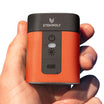
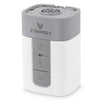
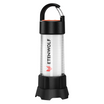
🔍 Example: ETENWOLF CL5 Portable Rechargeable Lantern & Flashlight
Picture a camping light that checks most of these details off the list. This one fits what people usually look for.
🚨 Ultra Bright Lantern

Bright light spills out from the ETENWOLF CL5 - hitting distances of close to 400 square feet. At full power, it pushes 1000 lumens of bright 360° illumination. That kind of reach works well when setting up a tent or covering an urgent workspace. Illumination wraps around fully, so no corner stays dark.
Light spills gently from its tiny prisms, even light without glare - this helps eyes stay comfortable while covering wider areas.
🪶 Lightweight & Portable (Just 7 oz)

Light in weight - only 7 ounces, just under 208 grams.
Packing gets easier if weight matters on trips, still it holds up outside too because of:
· Drop-resistant body
· IPX5 waterproof rating (resists jets of water)
These features give it steady performance even in rain, fog, or damp conditions.
🔁 2-in-1 Lantern & Flashlight with 6 Modes

The CL5 isn’t just a lantern — it’s multifunctional:
· White Light (general illumination)
· Red Light (night vision & reduced insect attraction)
· Flashlight (focused beam)
· UV Light (useful for safety or inspection)
· Flashing light
· SOS (emergency signaling)
One moment it keeps things calm at a campsite. Right after, if needed, it supports a sudden overnight hike through tough terrain.
🔋 USB-C Rechargeable with Long Runtime

A single unit runs on a 5000 mAh battery already built in. Power comes through today’s standard USB-C port for charging. So there's
· Charging from empty to max takes about 2 hours.
· Lasts over 20 hours, gives you enough time for several evenings before needing a top-up
USB-C charging is practical since:
· A lot of power banks handle this setup.
· Car adapters and solar chargers let the device run off-grid, working even without walls.
🔦 Multiple Use Scenarios

This camping light isn’t just for tents. You can bring it for:
· Camping
· Hiking
· Fishing
· Hunting
· Night walks
· Emergency home power outages
· Backyard gatherings or outdoor events
What's more, the included hook makes setting up a stable light easy - whether suspended in a tent, from a tree limb, or tucked beneath a canopy, ensuring consistent, hassle-free illumination.
Why Investing in a Good Camping Light Is Worth It
A good light setup boosts safety while making daily tasks easier.
· Reduces tripping hazards after dark
· Makes campsite setup easier
· Provides emergency light for unexpected situations
· Can replace multiple lights with one compact tool
According to the National Park Service, reliable lighting is one of the top ten tools outdoor travelers list as essential for trip comfort and safety. (Source)
So here it is: skipping quality lighting isn’t only a hassle - it also adds avoidable danger.
Conclusion: Choose Light That Works as Hard as You Do
A weekend under stars might come next - or maybe just stocking up for sudden blackouts. Whatever shapes your outside plans, picking the correct flashlight matters more than you think.
Now, think about this. What matters most is.
✅ Brightness and adjustability
✅ Rechargeability and battery life
✅ Durability and weather resistance
✅ Portability and multifunctionality
✅ Extra modes like SOS, red light, flashlight, and bug-adaptive settings
With choices such as the ETENWOLF CL5 - a rechargeable lantern plus flashlight - you find everything bundled into something tough, compact, easy to carry.
When it's dark outside, good lights help things run smoother - safer, more versatile, and more enjoyable.
FAQs
Q: What wattage or lumen count do I need for a camping light?
For general campsite lighting, 400–800 lumens is usually sufficient. For larger areas or emergency signaling, 800–1000+ lumens gives broader coverage.
Q: Rechargeable lights - do they beat regular battery kinds?
Usually that works out well - using a USB-C rechargeable light gives you extra options, gets rid of waste batteries, while also making it simpler to charge from power banks or cars.
Q: Does color mode really make a difference?
Yes. Red light preserves night vision and reduces insect attraction compared to bright white light, useful in tents and sitting areas.
Q: What does an IP rating indicate?
IPX ratings measure water resistance. When it comes to camping gear, how well it resists water matters. Devices rated IPX5 face protection from rain and splashes. Choosing one with stronger resistance makes sense if weather can be unpredictable outdoors.
Q: When the power goes out, could a camping light also work in your house?
Right away, ETENWOLF CL5 Portable Rechargeable 2-in-1 LED Camping Lantern & Flashlight steps in when the main power fails. These gadgets work just fine as emergency substitutes.


Leave a comment
All comments are moderated before being published.
This site is protected by hCaptcha and the hCaptcha Privacy Policy and Terms of Service apply.