


















What Is Cruise Control?
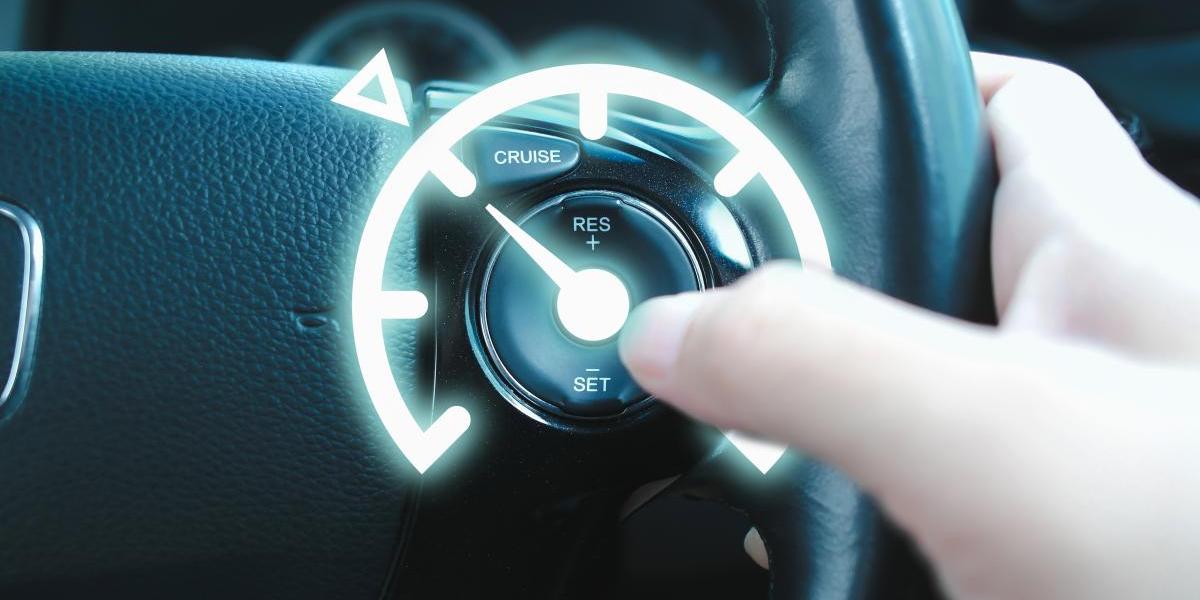
The vehicle system known as Cruise Control enables automatic constant speed maintenance through which drivers can operate without pressing the gas pedal. The system enables users to select their preferred speed which the system maintains until they press the brakes or accelerate manually. (Source)
The development of new systems led to the creation of Adaptive Cruise Control (ACC) which represents an advanced version of Cruise Control. The system maintains speed control while using traffic conditions to make automatic speed adjustments by reducing speed when vehicles in front slow down and increasing speed when traffic becomes more open. Modern systems include additional features which enable drivers to set their following distances and perform automatic stops and starts. (Source)
The speed-management system known as Cruise Control (and its advanced versions) enables drivers to free their feet for steering and road observation while maintaining a steady speed.

The Origin of Cruise Control: A Ingenious Solution to a Simple Problem
Ralph Teetor who lost his sight created Cruise Control as a solution to address driver speed variations. In the 1940s, Teetor was frustrated by a tendency of drivers to unconsciously speed up or slow down depending on how relaxed or distracted they were. The system he created used mechanical components to control throttle output for maintaining a fixed speed.
Ralph Teetor obtained patent approval for his device called Speedostat during 1950. The first production model of Auto-Pilot appeared in the 1958 Chrysler Imperial. The feature received its new name "Cruise Control" when Cadillac and other manufacturers adopted it for their vehicles. (Source)
The invention of Cruise Control served as a functional solution which aimed to reduce driver tiredness while creating better driving experiences and achieving smoother speed control.
Benefits of Cruise Control — What It Does Best
🛣️ 1. Reduce Driver Fatigue on Long Drives
When driving for extended periods on flat highways or interstates, constantly monitoring speed, steering, and navigation keeps you in a state of high tension, leading to driver fatigue and even sluggishness. Cruise control was developed to alleviate this burden: maintaining a suitable speed allows you to focus on steering or navigation, effectively reducing physical stress and mental fatigue.
⛽ 2. Fuel Efficiency and Consistent Speed (Potentially Lower Fuel Consumption)
The system enables drivers to achieve better fuel efficiency because it prevents them from making repeated speed adjustments and sudden acceleration and braking actions resulting in consuming more gasoline.
Research indicates that adaptive cruise control (ACC) systems deliver better fuel efficiency than standard cruise control systems when driving through hilly or uneven terrain.
🚗 3. Easier Compliance with Speed Limits & Reduces Unintentional Speeding
The process of driving long distances leads drivers to increase their gas pedal pressure until they exceed speed limits without realizing it. The system enables drivers to establish a secure speed which protects them from receiving speeding tickets accidentally.
😌 4. More Relaxed, Comfortable Driving Experience
The combination of reduced pedal work and steady speed and fewer speed changes results in a more relaxed driving experience during long trips. The system provides comfort to drivers who perform road trips and those who operate trailers and RVs.
🚦 5. Advanced Safety and Traffic Flow (with Adaptive Cruise Control)
Modern ACC systems that use radar and camera technology enable safe following distances which protect drivers from rear-end accidents. The system operates automatically to slow down and speed up during traffic stops which helps drivers stay calm during stop-and-go traffic.
The advanced safety features of ACC systems make it a better option than basic cruise control because they enable drivers to respond to traffic conditions while maintaining a smooth driving experience.
The Downsides & Risks of Cruise Control — When It Doesn’t Work
The system provides no complete solution to driving needs. The system produces negative results when users use it incorrectly or depend on it too much.
⚠️ 1. Reduced Driver Attention & Slower Reaction Time
The system that controls speed automatically leads drivers to pay less attention to the road. The process of turning off cruise control before reacting to emergencies such as road debris or wildlife or unexpected brake from the car in front will slow down your reaction time.
❄️ 2. Dangerous in Poor Weather or Slippery Conditions
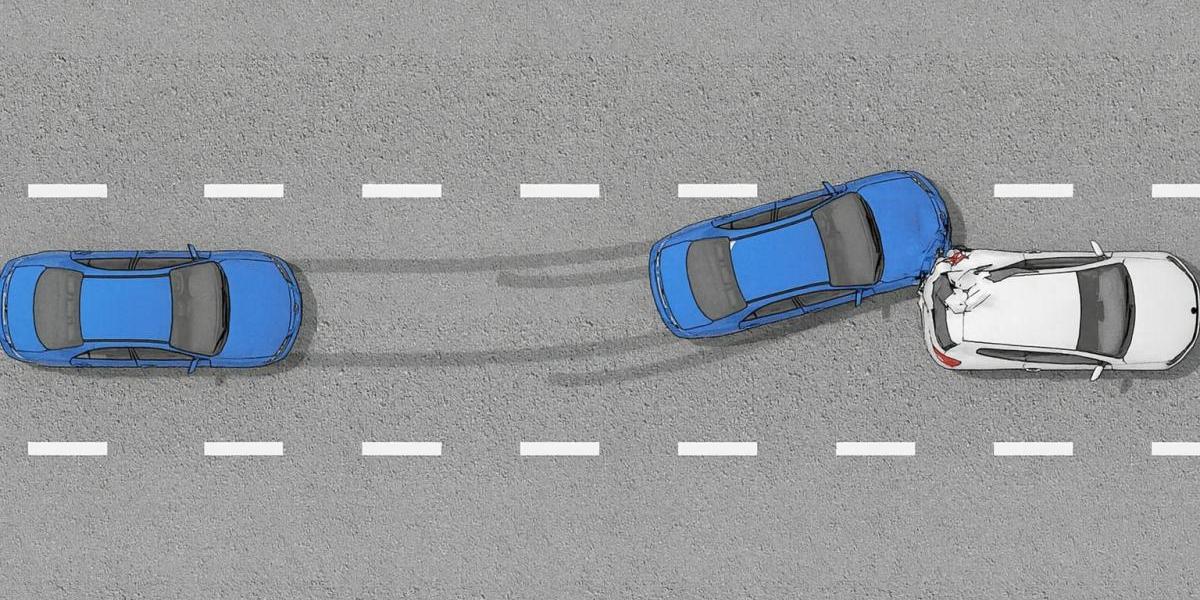
The system becomes dangerous when operating on roads that are wet or covered with ice or snow. The system increases skidding risks because it fails to detect changes in road traction. The driver should maintain complete control of the vehicle when driving through dangerous weather conditions.
🛞 3. Not Ideal for Heavy Traffic, Curvy or Mountain Roads
Frequent braking and acceleration are common in traffic or winding roads — Cruise Control isn’t effective there. It can even become dangerous in hilly terrain where speed control needs constant adjustment.
📈 4. Possible Fuel Inefficiency in Some Scenarios
Research from 2025 revealed that Cruise Control actually increases fuel consumption during most real-world driving scenarios which involve regular braking and acceleration. (Source)
🔄 5. Overreliance — Treating Cruise Control like Self-Driving
Some drivers misuse Cruise Control by treating it as a semi-autonomous system leads to complacency, distraction, or misuse — particularly dangerous in variable road conditions. Research indicates that drivers who use ACC tend to drive above speed limits. (Source)
Why Tire Condition & Pressure Matter (Even — Especially — When Using Cruise Control)
The operation of cruise control depends on proper tire condition and pressure maintenance because these factors determine vehicle safety during highway travel.
The advantages of cruise control become useless when your vehicle maintains substandard tire maintenance.
🚧 What Can Go Wrong with Poor Tires
· Under-inflation or over-inflation reduces control, increases rolling resistance, and causes uneven wear.
· The combination of high speed and heat generation leads to accelerated tire deterioration and potential tire failure.
· The distance of your journey allows small tire problems to develop into dangerous situations which result in tire blowouts and unstable vehicle handling and uneven braking performance.
· The system maintains your vehicle speed but it lacks the ability to detect tire damage or pressure changes until you notice a problem which might already be too late to fix.
Your tires need to be in good condition to operate Cruise Control safely. The combination of high speed operation with neglected tires creates an increased danger of accidents.
How Proper Tire Care — Including Using ETENWOLF S7 — Complements Cruise Control

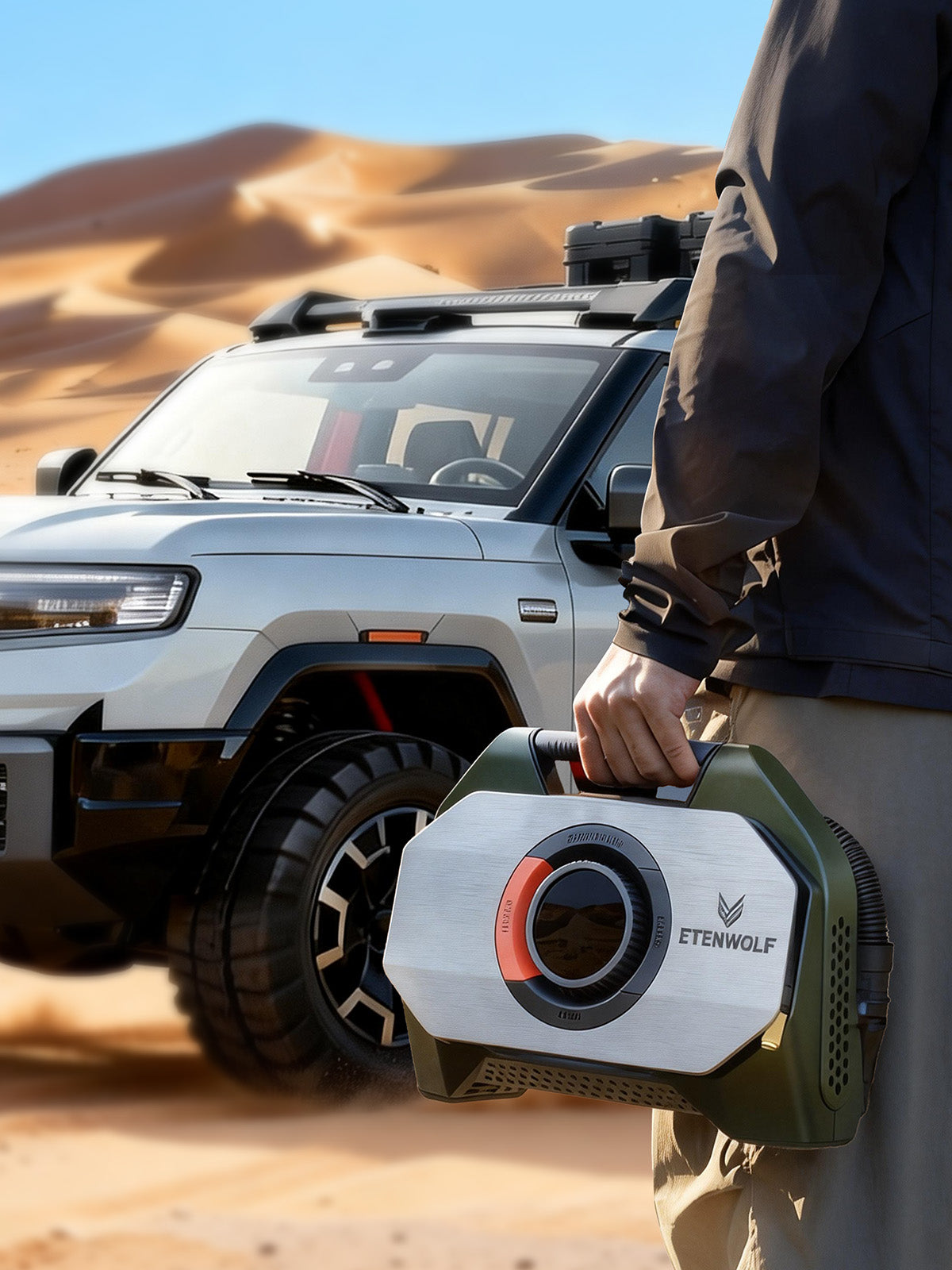
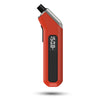
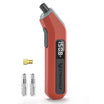
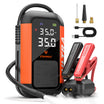
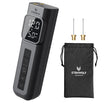
This is where ETENWOLF S7 Heavy-Duty Tire Inflator becomes more than an optional accessory — it becomes a safety essential.
🔧 Why S7 Fits Perfectly with Cruise Control Mindset
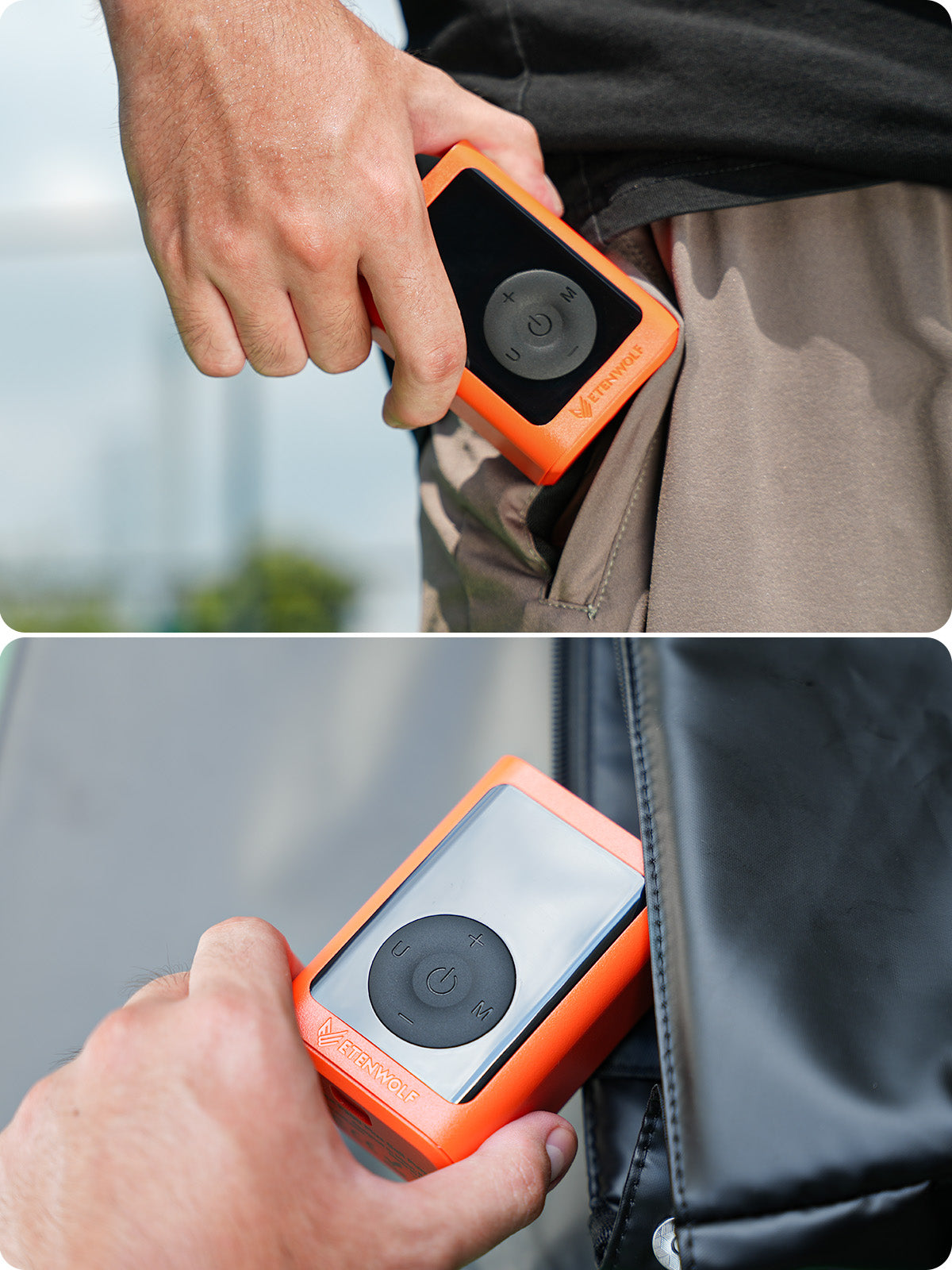
· The ±1 PSI precision of the S7 allows users to achieve exact tire pressure readings before beginning their extended journeys.
· The dual 260 W motors inside the S7 provide enough power to quickly and reliably fill under-inflated tires of SUVs trucks and RVs.
· The S7 heavy-duty tire inflator transforms your vehicle trunk into an operational service station which provides air filling capabilities during road trips.
· The correct tire inflation levels decrease both rolling resistance and heat generation and prevent tire explosions when you operate at high speeds with Cruise Control activated.
· Performing a quick tire inspection followed by inflation before your extended journey will give you complete assurance to activate Cruise Control.

🛣️ How to Use S7 When Planning for a Long-Haul Drive
· Perform a tire pressure check on all four wheels before starting your journey.
· The manufacturer's recommended PSI should be used to inflate any tires that show lower than recommended pressure.
· If carrying heavy loads (luggage, passengers, trailer), slightly adjust PSI per load guidelines.
· Perform a pressure check after driving for several miles to verify there are no leaks in the system.
· Your tires need to pass a safety inspection before you activate Cruise Control or ACC for improved driving stability.
Conclusion — Cruise Control Is Great, But Only If You Take Care of Basics
The invention of Cruise Control (and its modern version ACC) has delivered the most beneficial driver-assistance technology to date. The system helps drivers reduces fatigue because of keeping their speed constant, and leads to better fuel efficiency and makes long highway drives more comfortable.
The system lacks magical properties because it fails to solve mechanical problems and detect tire issues and provides no assurance of safety during all driving situations.
Vehicle maintenance requires attention to tire pressure and tire condition because these elements remain essential for safety. The ETENWOLF S7 tool enables you to connect comfortable highway driving to safe dependable operation.
All drivers who plan extended highway travel or frequently use Cruise Control need to perform basic vehicle checks. Check your tires. Inflate if needed. The cruise control system becomes operational after you have checked your tires and inflated them to the correct pressure.
FAQ
Q: Is Cruise Control safe in rainy or icy weather?
A: No. The system should be disablement when driving on slippery or icy, or wet road surfaces. The system becomes dangerous when automatic throttle control operates on surfaces with reduced traction. The driver should maintain complete control of the vehicle through manual operation.
Q: Does Cruise Control always save fuel?
A: Not always. While consistent speed helps, a 2025 study showed that in many real-world driving conditions, Cruise Control slightly increases fuel consumption compared to manual driving, due to constant throttle adjustments.
Q: What specific tire types need extra monitoring when you operate Cruise Control frequently?
A. SUVs and trucks and RVs with their heavy weight need regular tire pressure checks because they experience increased risks from under-inflated tires and hot tire temperatures during extended high-speed driving.
Q: How frequently should I perform tire pressure checks when I operate Cruise Control for extended highway driving?
A. Perform tire pressure checks before starting every extended journey and schedule checks for every few weeks when driving on highways regularly. The temperature drop during winter months causes tire pressure to decrease but the heat generated by high-speed driving creates additional safety risks.
Q: Does a portable tire inflator such as ETENWOLF S7 provide meaningful benefits to users?
A. The device allows users to inflate their tires at any time and location which proves especially useful before extended trips and after adding cargo and before operating Cruise Control for extended periods.


Leave a comment
All comments are moderated before being published.
This site is protected by hCaptcha and the hCaptcha Privacy Policy and Terms of Service apply.