




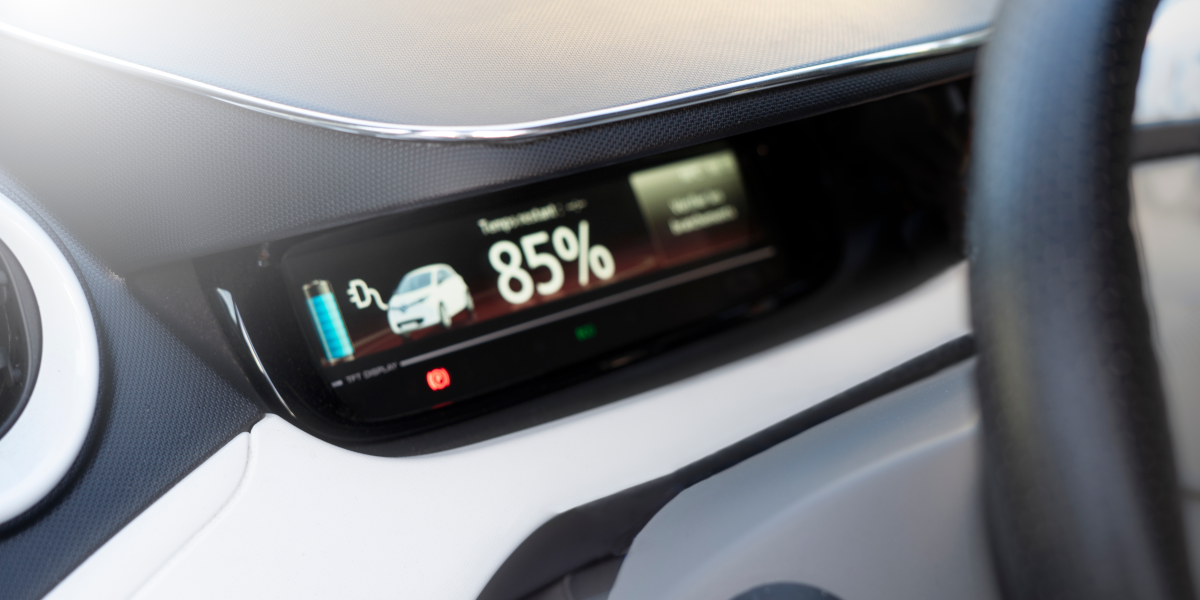
Electric vehicles are becoming part of everyday life.
In many parts of the United States, seeing a Tesla at a stoplight or a Rivian at a trailhead is no longer unusual. More drivers are switching to EVs for lower operating costs, quieter driving, and fewer maintenance headaches.
Yet one problem continues to follow almost every new EV owner:
battery anxiety.

Even as charging networks improve, many drivers still wonder:
· Why does my battery seem to drain faster than expected?
· Why does range change from day to day?
· And what can I actually do to make it better?
Most people blame cold weather or highway speeds. Those absolutely matter. But one overlooked factor can quietly reduce range every single day:
tire pressure.

For electric vehicles especially, tire pressure can have a bigger impact than many drivers realize.
Why EV Owners Still Worry About Range
According to AAA, range remains one of the biggest concerns among U.S. drivers considering an electric vehicle. (Source)
Even drivers who already own an EV often monitor battery percentage more closely than drivers of gas vehicles ever watched a fuel gauge.
That’s because EV range can change based on:
· weather
· speed
· cargo weight
· driving habits
· road conditions
· tire pressure
Some of these are difficult to control.
Tire pressure is one of the easiest.
How Low Tire Pressure Reduces EV Range
When tire pressure drops, the tire becomes softer and creates more contact with the road.
That sounds harmless, but it creates something called:
Rolling resistance
Rolling resistance means the vehicle needs more energy to keep moving forward.
For a gasoline vehicle, that means using more fuel.
For an electric vehicle, it means using more battery.
According to the U.S. Department of Energy, underinflated tires can lower vehicle efficiency because the engine—or in an EV, the electric motor—must work harder.
Even a small drop in pressure can create noticeable efficiency loss over time.
Why Tire Pressure Matters More in Electric Vehicles
Electric vehicles are often heavier than gasoline cars.
That’s because the battery pack itself adds substantial weight.
For example:
· many compact EVs weigh 10–20% more than gas equivalents
· some electric SUVs can weigh over 6,000 pounds
More weight means the tires already work harder.
When tire pressure drops, the added weight creates even more rolling resistance.
That means:
· faster battery drain
· shorter range
· more tire wear
· more heat buildup
And because EV drivers often watch their range closely, they may notice the difference faster than traditional drivers.

Other Factors That Drain EV Battery Faster
Tire pressure is important, but it’s not the only cause of battery loss.
Here are several major contributors.
Cold weather
Cold temperatures reduce battery efficiency.
According to Consumer Reports, in their winter testing at about 16 degrees, they found that cold weather depletes about 25 percent of range when cruising at 70 mph compared with driving in the same conditions during mild weather in the mid-60s. (Source)
High speed driving
Driving faster increases aerodynamic drag.
Above 65 mph, energy consumption rises quickly.
Aggressive acceleration
Rapid starts use significantly more battery than smooth driving.
Cabin heating and cooling
Climate control can consume additional battery power.
Heating is usually the larger drain.
Heavy cargo
Extra passengers and gear increase vehicle load.
That means the battery must work harder.
How to Improve EV Battery Range
The good news is that many range losses can be reduced.
Maintain proper tire pressure
This is one of the simplest ways to improve efficiency.
Most automakers recommend checking pressure:
· once a month
· before long trips
· during temperature changes

Correct pressure helps:
· reduce energy loss
· improve safety
· extend tire life
Drive smoothly
Gentle acceleration and braking can noticeably improve range.
Reduce unnecessary weight
Remove gear you don’t need.
Use regenerative braking
Many EVs allow stronger regen settings to recover energy.
Precondition while charging
Warm or cool the cabin before unplugging.
This preserves battery for driving.
Why Many EV Drivers Ignore Tire Pressure
Most drivers know tire pressure matters.
But many still neglect it.
Why?
Because checking tire pressure can feel inconvenient.
Drivers often rely on:
· gas station air pumps
· dealership visits
· random checks when warning lights appear
The problem is that by the time the warning appears, the tires may already be low enough to reduce efficiency.
The Problem With Gas Station Air Pumps

Traditional air pumps can be frustrating.
Common issues include:
· dirty hoses
· payment fees
· waiting in line
· inaccurate gauges
· limited access in remote areas
And for EV owners, there’s another issue.
If you are already trying to preserve battery, driving somewhere just to add air feels counterproductive.
That’s why more drivers are switching to portable inflators.
Why a Portable Tire Inflator Makes More Sense for EV Owners

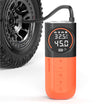
A portable inflator allows you to check and adjust pressure:
· at home
· in your garage
· before road trips
· after weather changes
· anywhere on the road
That means your tires stay closer to ideal pressure consistently.
And consistency matters.
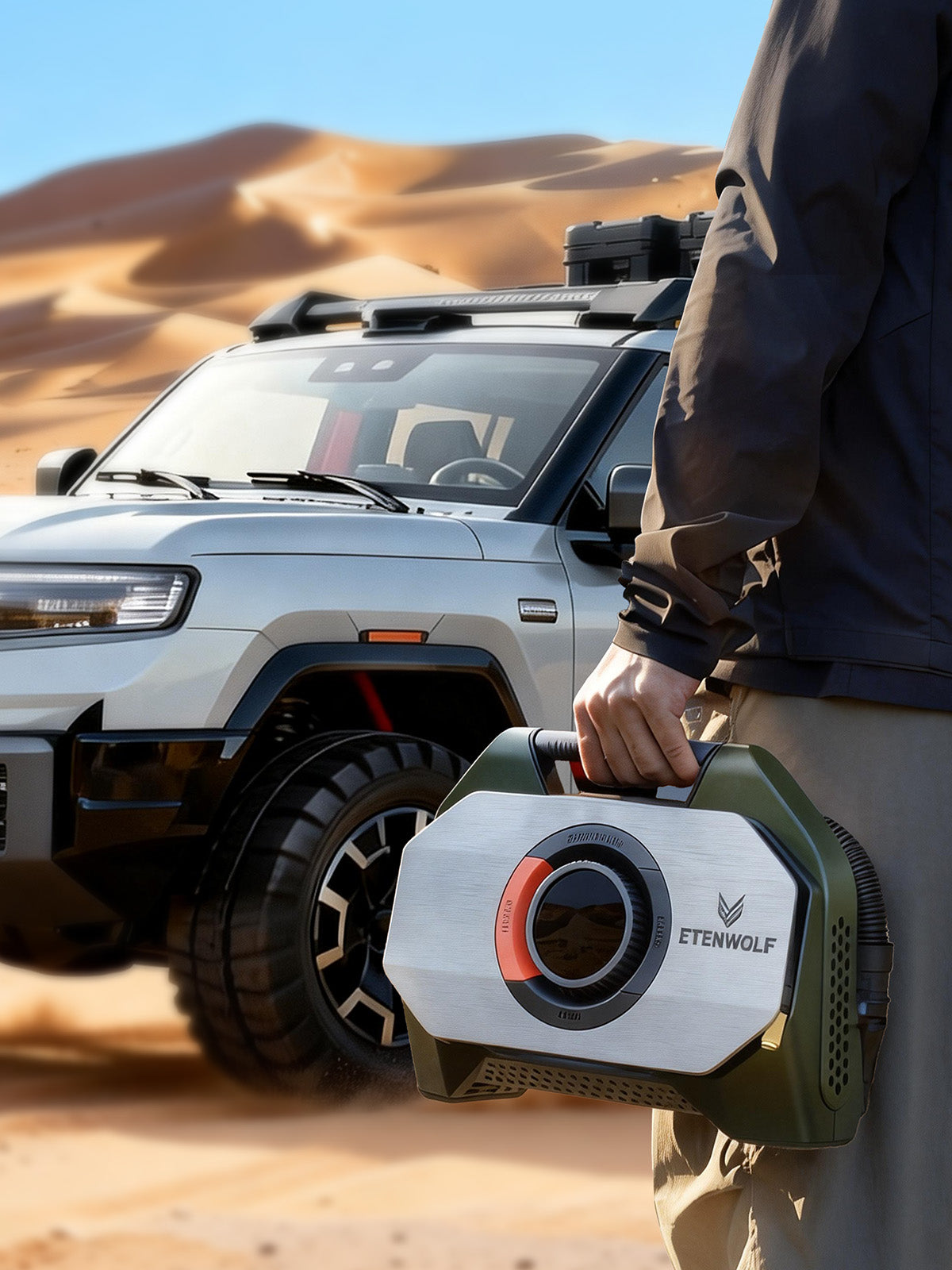
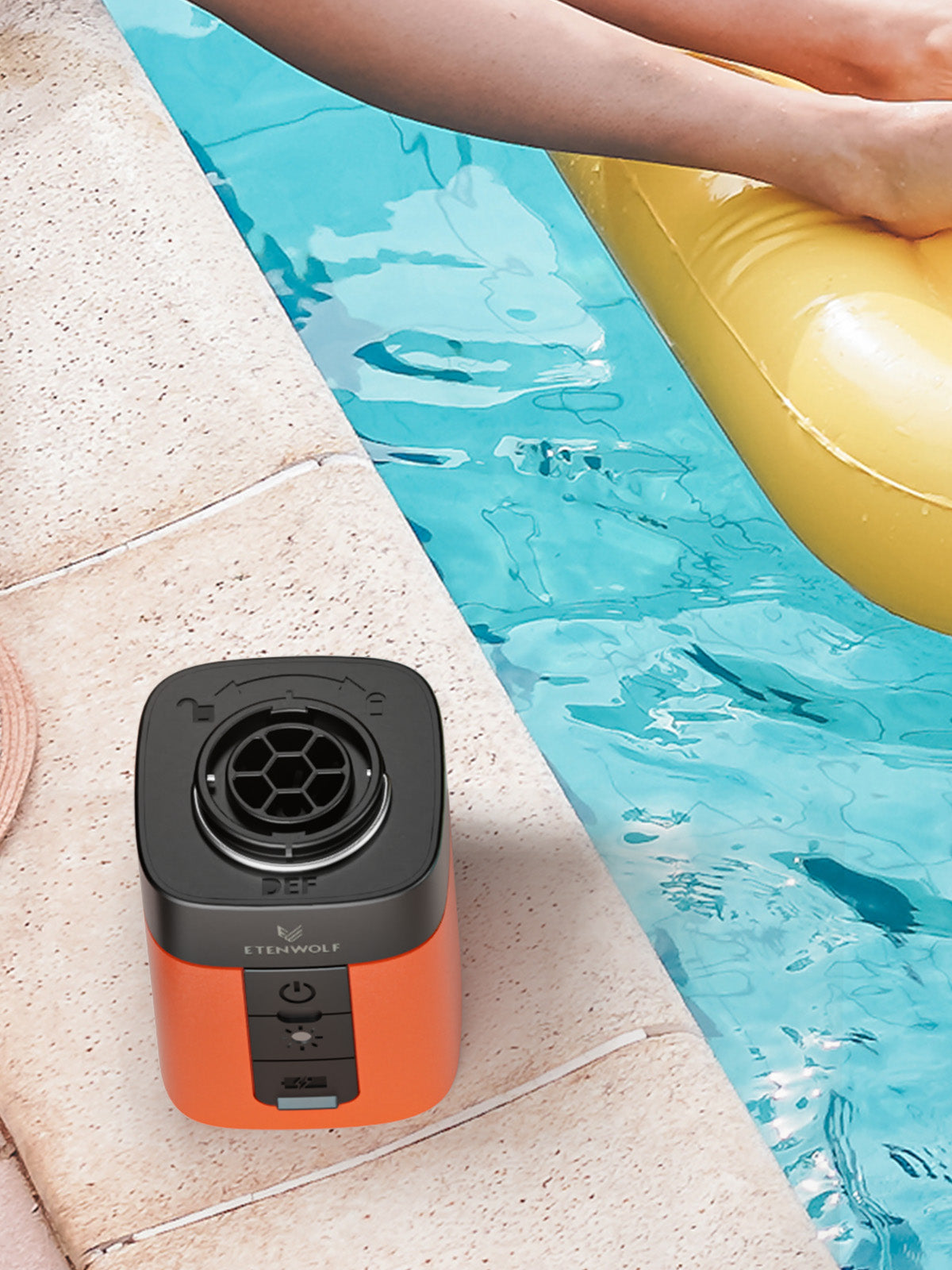
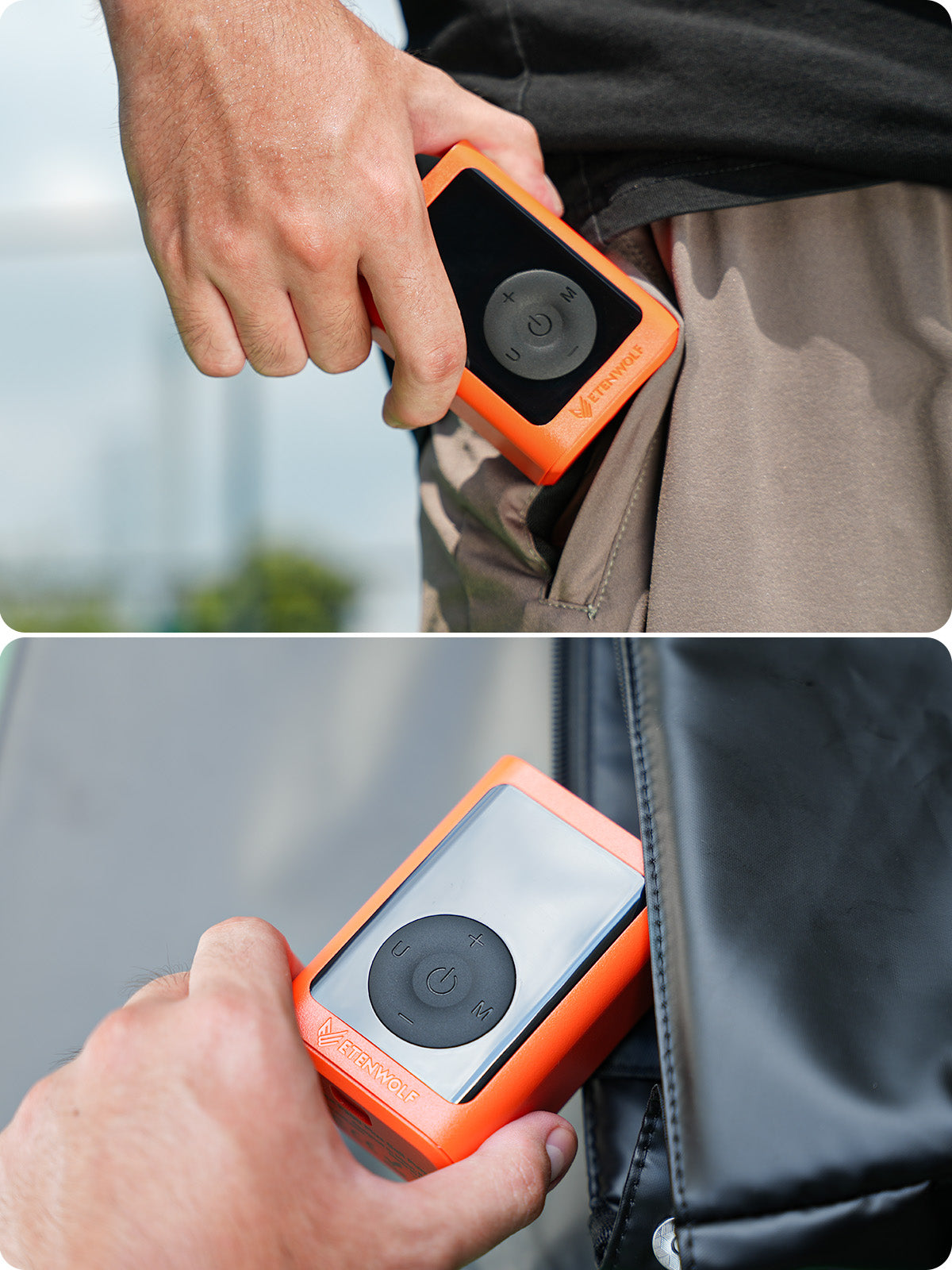
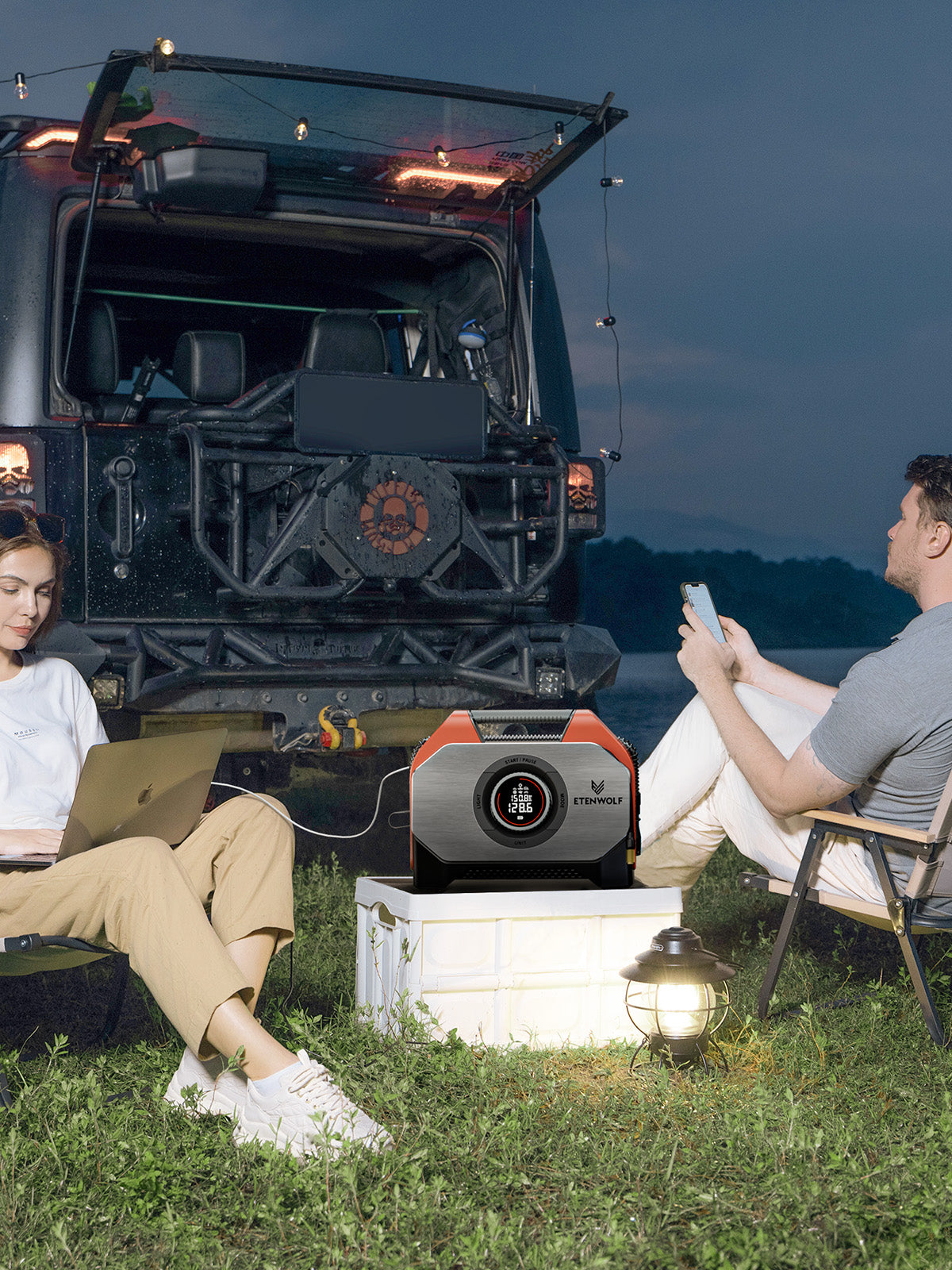
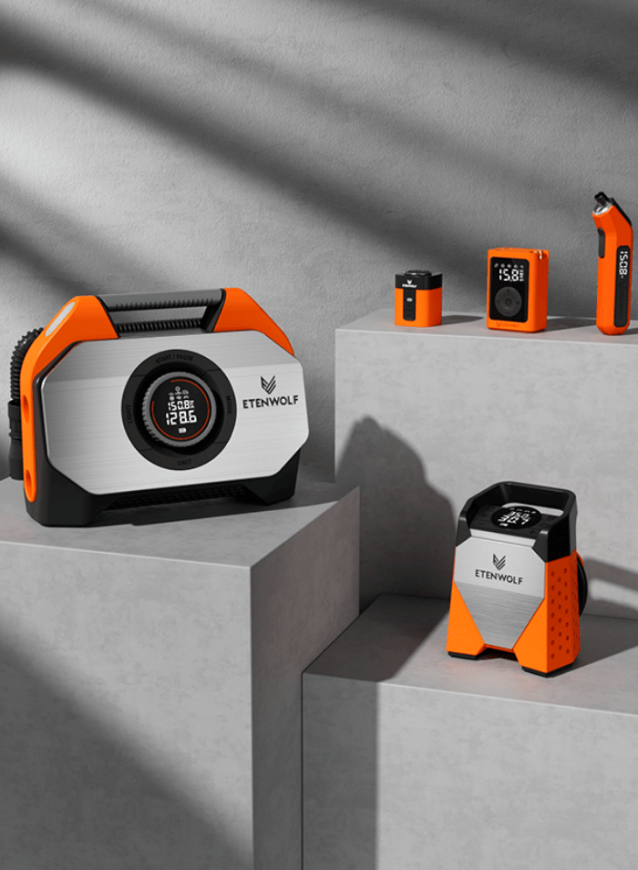
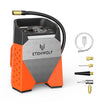
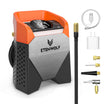
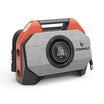
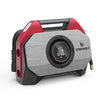
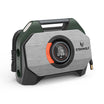
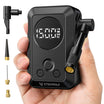
A Practical Option for EV Drivers: ETENWOLF Vortex S7

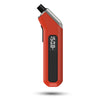
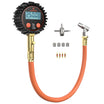
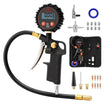
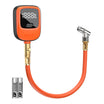
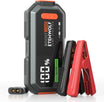
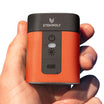
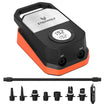
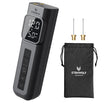
For drivers who want better control over tire pressure, a portable inflator like the ETENWOLF Vortex S7 can make daily ownership easier.
Instead of waiting until a warning light appears, you can correct tire pressure immediately.
Why it fits EV ownership
Electric vehicles often have:
· heavier curb weight
· larger wheels
· higher torque
· stricter tire requirements
That means a small low-power inflator may struggle.
The Vortex S7 is built for larger tires and heavier vehicles.
Features that matter

High battery capacity
A 38,400 mAh battery allows multiple inflations without constantly recharging.
Fast inflation
A stronger motor helps restore pressure quickly.
Wireless convenience
No cords stretched across a parking lot.
Heavy-duty design
Useful for:
· EVs
· SUVs
· RVs
· Trucks
Why Consistent Tire Pressure Matters More Than Emergency Inflation
Most people think of a tire inflator as an emergency tool.
For EV owners, it can be something more useful:
prevention
Keeping pressure consistent helps reduce:
· unnecessary battery drain
· uneven tire wear
· range fluctuations
· roadside stress
Instead of reacting after a problem, you stay ahead of it.
That changes the ownership experience.
Small Tire Pressure Changes Can Have a Big Impact
A tire only a few PSI below specification may not look visibly low.
But the battery can still feel it.
Over weeks and months, that small inefficiency adds up.
For EV drivers trying to maximize every mile, that matters.
Final Thoughts
Electric vehicles are becoming smarter every year.
Charging is improving.
Battery technology is improving.
Range is improving.
But even with all that progress, simple maintenance still matters.
And one of the simplest things to monitor is:
tire pressure.
Because sometimes improving EV range is not about a bigger battery.
Sometimes it starts with a few pounds of air.
FAQs
Does low tire pressure reduce EV range?
Yes. Low tire pressure increases rolling resistance, forcing the battery to work harder and reducing driving range.
How often should EV owners check tire pressure?
Most experts recommend checking at least once per month and before long drives.
Why are EVs more sensitive to tire pressure?
Electric vehicles are heavier than many gas vehicles, so underinflated tires create a larger efficiency penalty. (Source)
Can a portable tire inflator help EV efficiency?
Yes. Keeping tire pressure at the correct level can help preserve battery range and improve tire life.
Is a portable inflator worth carrying in an EV?
For many EV drivers, yes. It allows quick pressure adjustments without relying on gas station air pumps.


Leave a comment
All comments are moderated before being published.
This site is protected by hCaptcha and the hCaptcha Privacy Policy and Terms of Service apply.