




If you search Google for “electric bike pump”, one of the most common related questions appears almost immediately:
“Is an electric bike pump worth it?”
For many cyclists — whether commuters, weekend riders, or long-distance enthusiasts — tire pressure management is one of the most important yet often overlooked aspects of riding. Maintaining the correct pressure affects everything from speed and efficiency to safety and comfort.
As cycling continues to grow globally as both a sport and a transportation method, riders are increasingly looking for smarter and more convenient tools to maintain their bikes. Electric bike pumps have quickly become one of those tools.
But are they actually worth it? To answer that, we need to look at how tire pressure affects cycling performance, how electric pumps work, and who benefits most from using one.

What Is an Electric Bike Pump?
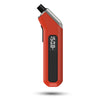
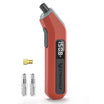
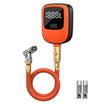
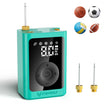
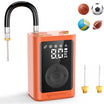
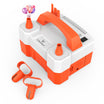
An electric bike pump is a compact air compressor designed specifically for bicycle tires. Unlike traditional hand pumps or floor pumps, an electric pump uses a motor and battery to automatically inflate tires to a specific pressure.
Most modern electric pumps include features such as:
Digital pressure display
Automatic shut-off at the target PSI
Compatibility with common bicycle valves
Rechargeable lithium batteries
Compact, portable designs
In practical terms, the rider simply attaches the pump to the valve, sets the desired pressure, and lets the pump handle the rest.
This technology removes the physical effort and guesswork associated with manual pumping.

Why Tire Pressure Matters More Than Many Riders Think
Before deciding whether an electric pump is worth buying, it’s important to understand how much tire pressure affects cycling performance.
Tire pressure directly influences efficiency
Research on bicycle efficiency shows that tire pressure plays a measurable role in rolling resistance. Even small pressure changes can impact performance. One study found that reducing tire pressure by just 1 PSI can decrease cycling efficiency by around 0.2%, demonstrating how sensitive bicycle performance can be to inflation levels. (Source)
While that percentage might sound small, it becomes meaningful over longer rides or competitive cycling scenarios.
Most cyclists inflate their tires incorrectly
Another surprising statistic: Most cyclists are riding with incorrect tire pressure, according to cycling research cited by industry experts studying rolling resistance and ride performance.
The consequences can include:
Increased rolling resistance
Reduced grip
More vibration and fatigue
Higher risk of punctures
In other words, tire pressure is not just a maintenance detail — it directly affects the quality of every ride.
The Problem With Traditional Bike Pumps

Manual pumps have been around for decades, and they still work perfectly well. But they also come with several limitations.
Physical effort
Hand pumps require significant effort, especially for road bike tires that often need 80–100 PSI.
If you ride frequently, repeatedly pumping tires by hand can become inconvenient.
Inconsistent pressure accuracy
Many riders rely on either:
squeezing the tire with their hands
reading analog gauges that may not be precise
Without an accurate digital reading, it’s easy to over-inflate or under-inflate.
Not ideal for roadside adjustments
Portable manual pumps can work during emergencies, but they often take several minutes of effort to reach high pressure levels.
For riders commuting daily or covering long distances, this becomes a practical inconvenience.
Why Electric Bike Pumps Are Becoming Popular
The popularity of electric pumps reflects broader trends in cycling technology.
Market data suggests growing demand for smart tire maintenance tools as riders become more focused on safety, performance optimization, and convenience. (Source)
Electric pumps solve several problems simultaneously.
1. Precision inflation
Most electric pumps allow riders to set an exact PSI value. Once the pump reaches that number, it stops automatically.
This eliminates the risk of accidental over-inflation.
2. Faster inflation
High-quality electric pumps can inflate road bike tires in seconds rather than minutes.
For example, a compact electric pump capable of high airflow can inflate a typical road tire from 80 to 100 PSI within seconds, depending on its airflow capacity.
3. Convenience during rides
Portable electric pumps are small enough to carry in a backpack or saddle bag.
This means cyclists can quickly top up tire pressure during long rides or after fixing a flat tire.
4. Multi-purpose capability
Many electric pumps can inflate more than just bicycles. They may also work for:
motorcycles
car tires
sports balls
small inflatables
This versatility increases the overall value of the device.

Who Should Consider Buying an Electric Bike Pump?
Electric bike pumps are not just for professional cyclists. Several types of riders benefit from them.
Daily commuters
People who rely on bicycles for commuting often ride several times a week.
Because bicycle tires naturally lose air over time, many cyclists check their pressure at least once per week or before long rides to maintain performance.
A portable electric pump makes this process much faster and easier.
Road cyclists and performance riders
High-pressure road bike tires require precision.
Even small pressure adjustments can affect speed and comfort, especially on longer rides.
Electric pumps allow riders to dial in exact pressure settings rather than estimating.
Long-distance riders and bikepackers
If you ride far from home, carrying a reliable inflation tool is essential.
Electric pumps provide a faster and less physically demanding solution than manual mini pumps.
E-bike riders
Electric bicycles are heavier than standard bikes and often operate at higher speeds. Proper tire pressure is therefore particularly important for stability and safety.
Having a quick and accurate inflation tool helps ensure the bike performs properly.
A Practical Example: ETENWOLF S0 Mini Electric Bike Pump

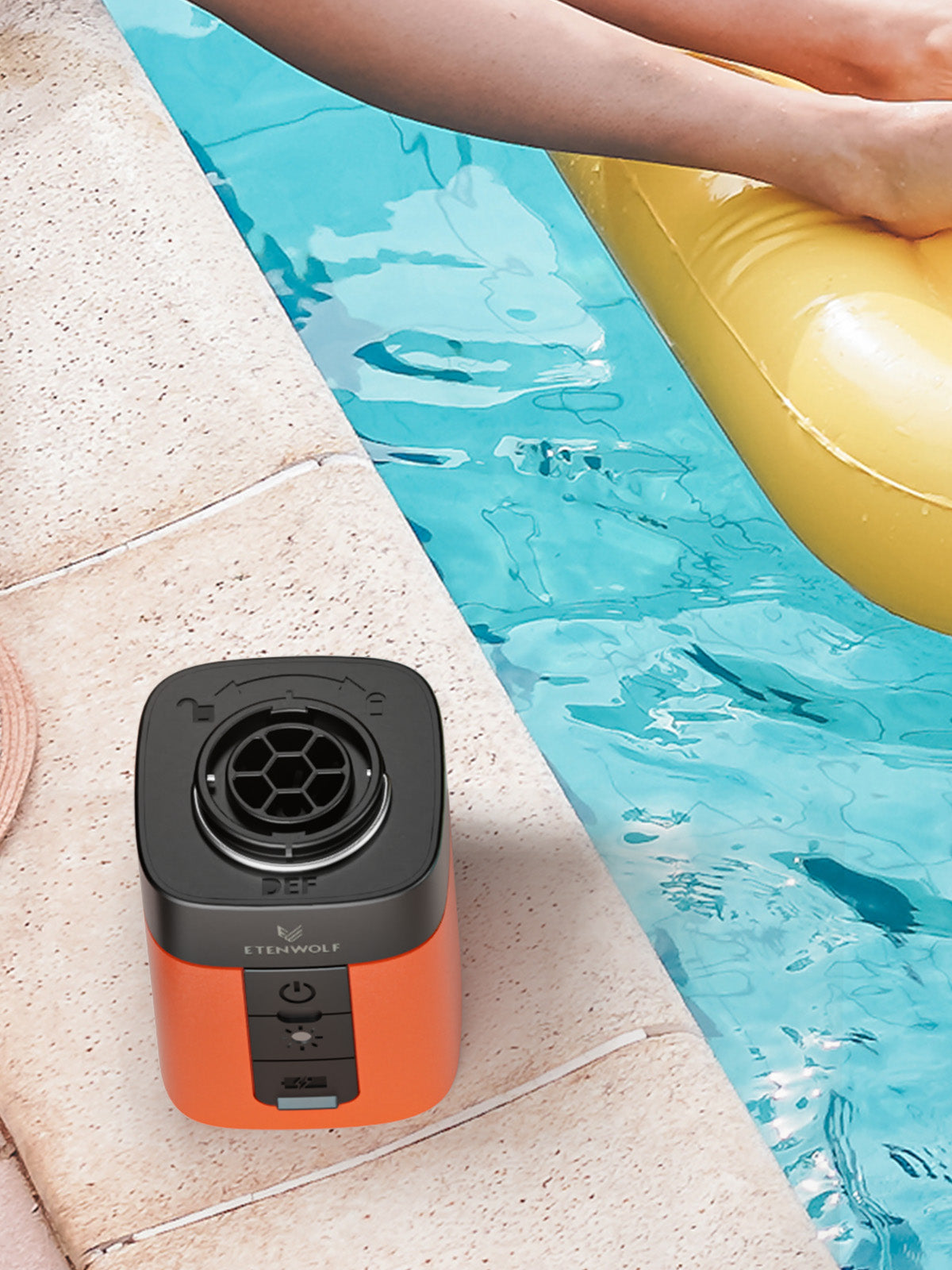
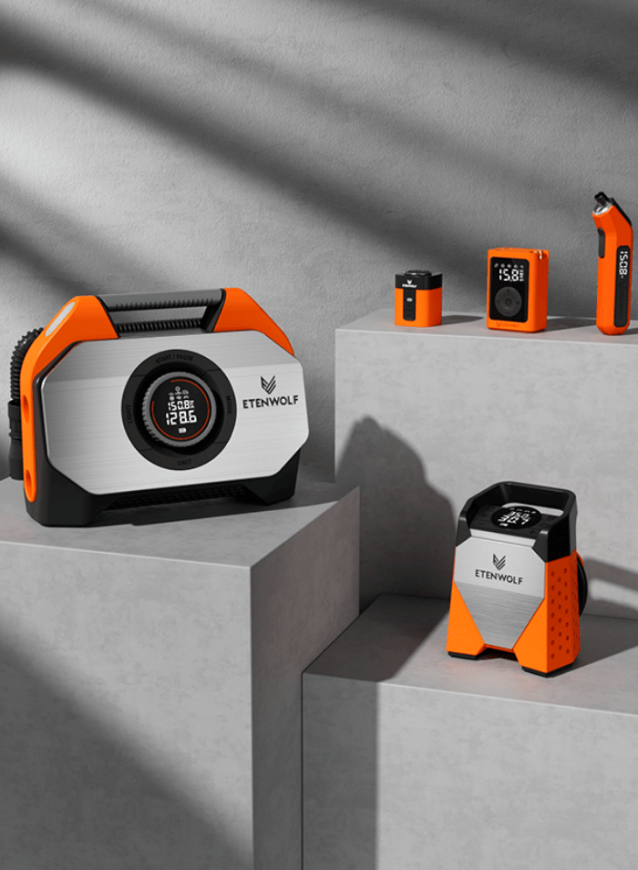
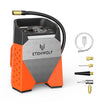
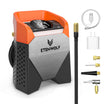
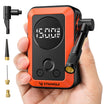
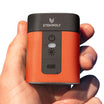
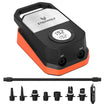
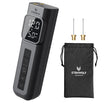
Among the newer generation of portable electric pumps is the ETENWOLF S0 Mini Electric Bike Pump, designed specifically for cyclists who want portability without sacrificing performance.
Ultra-fast inflation
The S0 delivers up to 150 PSI with an airflow rate of 18 L/min, allowing it to inflate a 700×23C road bike tire from 80–100 PSI in about 20 seconds and reach full pressure from flat in under a minute.
This speed makes it practical not only for quick top-ups but also for emergency inflation during rides.
Compatible with common bicycle valves
The pump supports both Presta and Schrader valves, which cover nearly all bicycle types.
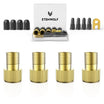
For road bikes using Presta valves, riders simply attach the included adapter before inflation.
This flexibility means the pump works across:
road bikes
mountain bikes
hybrid bikes
commuter bicycles
It can also inflate motorcycle tires, car tires, and sports balls.

Rechargeable battery power
Powered by a 2400 mAh lithium battery, the pump can inflate:
up to eight fully flat tires, or
around eighteen partially deflated tires
on a single charge.
That capacity is enough for multiple rides before needing to recharge.

Automatic shut-off for accuracy
The pump automatically stops once the desired PSI level is reached.
This helps prevent over-inflation while ensuring consistent pressure each time.
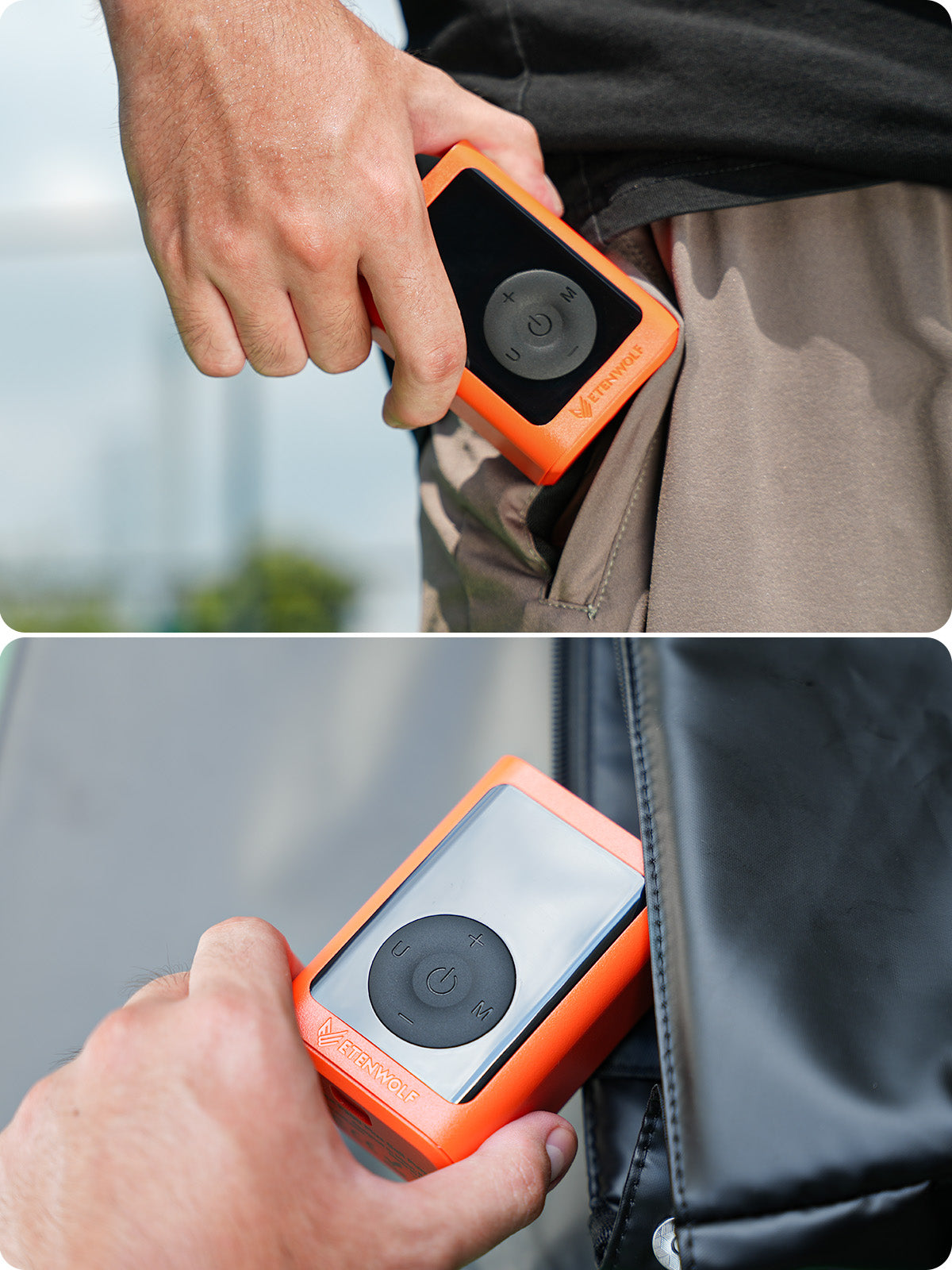
Pocket-size portability
One of the most appealing aspects of the S0 pump is its size.
Weighing only 0.54 pounds, it is small enough to fit in a jersey pocket, saddle bag, or backpack.
Additional convenience features include:
memory function for last pressure setting
360-degree rotating hose for easier valve access
These small design details make everyday use easier for riders.

Are Electric Bike Pumps Worth It?
For many cyclists, the answer is yes.
Electric pumps address three major challenges in bicycle maintenance:
Accuracy – precise PSI control improves ride performance
Convenience – inflation becomes quick and effortless
Portability – modern pumps are small enough to carry during rides
As cycling participation grows worldwide and riders become more performance-conscious, tools that simplify maintenance are increasingly valuable.
An electric pump will not replace every traditional pump — floor pumps still work well at home — but for daily riders and commuters, the convenience can make a significant difference.
FAQs
1. Is an electric bike pump worth it?
Yes, especially for cyclists who ride frequently. Electric pumps provide precise inflation, faster pumping, and greater convenience compared with manual pumps.
2. How much PSI do bike tires need?
Typical ranges include:
Road bikes: 70–110 PSI
Mountain bikes: 20–35 PSI
Hybrid bikes: 40–70 PSI
E-bikes: 40–60 PSI
The correct pressure depends on tire size, rider weight, and terrain.
3. Can an electric bike pump inflate other items?
ETENWOLF S0 Mini Electric Bike Pump can also inflate motorcycles, cars, and sports balls.
4. How often should you check bike tire pressure?
Cyclists should check tire pressure at least once a week or before long rides, since air naturally escapes over time.
5. What valves do bicycle pumps support?
Most bicycles use either:
Presta valves (common on road bikes)
Schrader valves (common on mountain and commuter bikes)
Many electric pumps support both types through adapters.

Leave a comment
All comments are moderated before being published.
This site is protected by hCaptcha and the hCaptcha Privacy Policy and Terms of Service apply.